REVIEW · BEIJING
Online Cooking Class Beijing Dumplings and Cuisine by Sunflowerli Renowned Chef
Book on Viator →Operated by Sunflower Tours China · Bookable on Viator
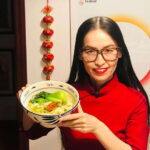
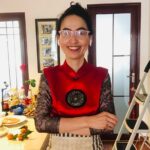
Your kitchen turns into Beijing fast. In a private Zoom session, Chef Miss Li guides you through dishes like dumplings and hand-pulled noodles, with private coaching tailored to your level and an ingredients list sent three days ahead. It feels like a real lesson, not a taped cooking show.
The one catch is simple: ingredients aren’t included. So you’ll do a bit of shopping first (though the class gives you guidance and likely substitutions if you can’t find everything).
In This Review
- Key Points Worth Your Time
- Cooking Beijing Dumplings on Zoom With Chef Miss Li
- Choosing Your Dish: Dumplings, Noodles, Dim Sum, and Stir-Fry Comfort Food
- What You Get Before Class: The Ingredients List That Saves You from Guesswork
- The 90-Minute Flow: How Zoom Turns Into a Real Cooking Session
- Dumpling Skills You Can Use Again (Even After Zoom Ends)
- Noodle, Dumpling, and Sauce Basics That Improve Your Future Cooking
- Private Tutoring Across Time Zones and Skill Levels
- Price and Value: Why $20 Can Make Sense for an Online Lesson
- Who This Class Fits Best (and When You Might Skip It)
- Should You Book This Beijing Online Cooking Class?
- FAQ
- How long is the cooking class?
- What dishes can I choose from?
- Are vegan options available?
- How do I get the ingredients I need?
- Is this a private class or shared with other people?
- Can I schedule it for my time zone?
- What’s included in the $20 price?
Key Points Worth Your Time
- Chef Miss Li teaches live from Beijing and adapts to your cooking level
- You get a full ingredients list about three days before class
- The Zoom setup uses multiple camera angles so you can copy the technique
- You choose from dumplings, noodles, dumpling-style bites, stir-fries, and more
- Vegan options are available and dietary needs can be worked in
- The schedule is flexible for different time zones, and you can adjust once booked
Cooking Beijing Dumplings on Zoom With Chef Miss Li
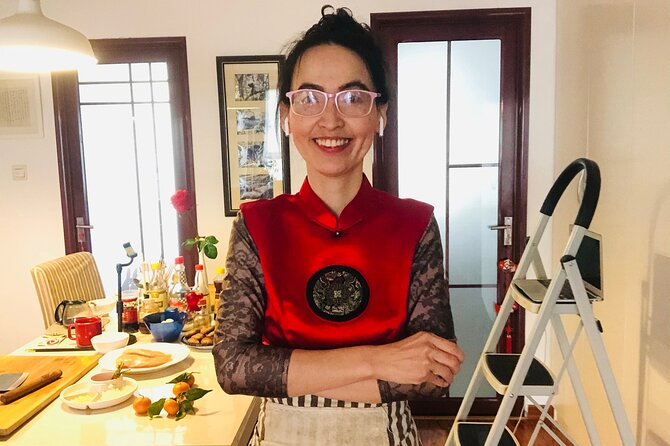
This is one of those rare online experiences that feels like a real, human interaction. You log into Zoom with Chef Miss Li, and you cook from scratch—while she watches what you’re doing and adjusts the steps to you.
I like that it’s private. Only your group participates, so you’re not stuck waiting your turn or guessing what went wrong. If you want hands-on feedback—dumpling folds, noodle texture, sauce thickness—this format gives you that.
The class also aims for practical Chinese cooking, not just “here’s what to make.” You’re choosing a dish, preparing ingredients based on the list you’ll receive in advance, then following a live method step-by-step.
You can also read our reviews of more cooking classes in Beijing
Choosing Your Dish: Dumplings, Noodles, Dim Sum, and Stir-Fry Comfort Food
The menu options are broad enough that you can tailor the experience to your tastes. If you’re chasing the Beijing dumpling vibe, you can pick a Dumplings Class—or go classic with Wonton. If you want something noodle-focused, you can choose Hand Pulled Noodles or Dandan Noodles or Lo Mein.
If stir-fry comfort food is more your style, you might choose Kung Pao Chicken, Orange Chicken, Sesame Chicken, Chicken Broccoli, or Mapo Tofu. There’s also a Fried Rice Class, plus Steamed Buns if you want a different kind of dough work.
Two things make this choice feel more valuable than it sounds. First, the teacher can tailor the lesson to your level, so you’re not forced into a technique you’re not ready for. Second, vegan options are available, so you can still follow the same “from scratch” structure without compromising your diet.
What You Get Before Class: The Ingredients List That Saves You from Guesswork
One of the biggest wins here is that you don’t walk in blind. After you schedule, you receive instructions and a full ingredients list that arrives about three days in advance.
That timing matters. You can compare what you can actually find in your area, plan a trip to the store, and—if something’s missing—prepare a backup. In particular, the class includes notes and guidance for substitutions, which is a relief if you’re not living somewhere with specialty Chinese ingredients.
And because the ingredients are not included in the price, this list is basically your roadmap. It tells you what you need, so you’re shopping with a plan instead of buying random bottles and hoping for the best.
The 90-Minute Flow: How Zoom Turns Into a Real Cooking Session
Classes run about 60 to 90 minutes. In real terms, that’s enough time to learn technique, get your food on the right track, and still finish with something you can eat.
Here’s the typical rhythm you should expect:
- Zoom connection and quick check-in
You join live and start with the dish you chose. The teacher can address your setup and where you might be stuck.
- Ingredient prep and technique cues
You’ll move through steps while Chef Miss Li watches and explains. This is where the class’s camera setup helps—multiple camera angles let you see hand movements and what the food should look like as it changes.
- Cooking steps in sequence
Whether it’s steaming buns, shaping dumplings, or working noodles, you’re guided through each stage so you’re not improvising key steps.
- Taste, troubleshoot, and next steps
You’re not just timed out. The teacher stays engaged as you cook, correcting issues as they happen.
A pattern I noticed in the feedback from people who loved this class: the teacher’s guidance is both warm and precise. She slows down for trouble spots, explains what you’re doing and why, and adds cultural context as you cook.
Dumpling Skills You Can Use Again (Even After Zoom Ends)
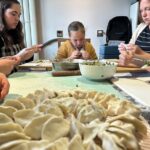
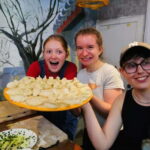
If you choose the dumpling or wonton path, you’re signing up for more than a recipe. You’re learning the shaping logic—the folds, the sealing, and what the dough should feel like before it cooks.
That technique transfer is a big deal. With dumplings, small differences change the outcome: thicker spots won’t steam through, a loose seal can leak, and dough consistency affects how neatly you fold. In a live class, Chef Miss Li can point out what’s off as you’re working.
People also highlight how fun the process is when you’re cooking together—especially if you go with a partner or bring family members who want a challenge. Even if your first batch doesn’t look perfect, you should still end up with food you’re proud to serve.
If you’re choosing hand-pulled noodles instead, you’ll get a different kind of technique lesson: working dough to get the right stretch and texture. It’s the kind of skill that’s hard to learn from a written recipe but easier when someone watches your hands and tells you what to adjust.
You can also read our reviews of more tours and experiences in Beijing
Noodle, Dumpling, and Sauce Basics That Improve Your Future Cooking
A good cooking class doesn’t just teach a dish. It teaches patterns you’ll use again.
In this class, you repeatedly learn:
- how to aim for the right texture before cooking takes over
- how sauces should look and behave as you finish
- how to troubleshoot common mistakes while you still have time to correct them
For example, dumpling classes often cover the “finish line” details—how you close the dumpling properly so it holds up during cooking. Noodle classes focus on dough handling and consistent stretching so your final strands cook evenly.
And because all recipes are made from scratch, you’re not relying on shortcut ingredients for the key steps. That makes it easier to recreate the dish later, even when you’re cooking without the teacher on screen.
Private Tutoring Across Time Zones and Skill Levels
This is the sort of class that works best when you have flexibility. You can schedule at a time that fits your time zone, and the class can be adjusted if needed.
Because it’s tailored, you won’t feel like you’re following a one-size-fits-all course. If you’re new to Chinese cooking, you can focus on step accuracy. If you’ve cooked before, you can ask for more detail and refine your technique.
If you’re booking as a group, the format stays comfortable because it’s private for your group only. You can also look for group discount pricing if you’re coordinating with friends.
Price and Value: Why $20 Can Make Sense for an Online Lesson
At $20 per person, this is priced like an entry-level activity. The value comes from three areas that are hard to replicate at home without help.
First, you get the teacher’s attention live. You’re not watching instructions passively; you’re cooking while someone guides your steps.
Second, you receive a full ingredients list ahead of time. That reduces wasted shopping and helps you avoid getting stuck halfway through because you’re missing a key ingredient.
Third, you’re cooking from scratch and finishing with food you made. Even if ingredients add cost, you’re building meals from real components, and you’ll likely have some leftovers depending on the dish portion.
Bottom line: this is a smart buy if you want technique guidance and cultural cooking knowledge without flying to Beijing.
Who This Class Fits Best (and When You Might Skip It)
This works especially well for:
- couples or friends who want a shared activity at home
- families who can handle kitchen teamwork and a live lesson
- solo cooks who want feedback instead of trial-and-error
- anyone curious about Chinese dishes and wants a structured way to learn
You might think twice if you’re not interested in shopping for ingredients or dealing with substitution notes. Since ingredients aren’t included, you’ll want to be comfortable sourcing the items once the list arrives.
Also, it’s designed as a moderate physical activity experience—you’ll likely stand and work at a counter for a while while cooking. That’s normal for cooking, but it’s good to plan accordingly.
Should You Book This Beijing Online Cooking Class?
I’d book it if your goal is skill and confidence. Chef Miss Li’s style—patient, attentive, and tuned to where you’re at—makes this more than recipe reading.
I’d also book it if you like the idea of cooking a specific Chinese dish with structure. Dumplings, hand-pulled noodles, steamed buns, and classic stir-fries are all “learnable” with live coaching, and you’ll walk away with a process you can repeat.
If you hate shopping or you want a no-effort experience, choose carefully. This one asks you to prep ingredients on your own. But if you can do that, you’ll likely feel like you actually traveled—just not far from your kitchen.
FAQ
How long is the cooking class?
The class duration is approximately 1 hour 30 minutes. Classes are usually 60 minutes to 90 minutes long.
What dishes can I choose from?
You can choose from options such as Hand Pulled Noodles, Dumplings, Fried Rice, Dim Sum, Sesame Chicken, Wonton, Chicken Broccoli, Lo Mein, Dandan Noodles, Steamed Buns, Orange Chicken, plus options like Mapo Tofu and Kung Pao Chicken.
Are vegan options available?
Yes. Vegan options are available.
How do I get the ingredients I need?
After you schedule your class, you receive a full ingredients list in advance (about three days before the class). Cooking ingredients are not included in the price.
Is this a private class or shared with other people?
It’s private. Only your group will participate.
Can I schedule it for my time zone?
Yes. Timing and scheduling are flexible, and the time can be changed to suit your time zone.
What’s included in the $20 price?
The price includes the private online cooking class via Zoom. Vegan option availability is included, but cooking ingredients and other expenses are not included.