REVIEW · BEIJING
Beijing Forbidden City Ancient Ruins Ticket Pass
Book on Viator →Operated by 北京周游研学旅行社有限公司 · Bookable on Viator
Beijing tickets, organized. This $5 pass lets you pick major sights across central Beijing and beyond, and you also get free PDF tips before you arrive so you know what you’re looking at. I also like the simple mobile passport entry setup for getting through gates. The big caution: there’s no pickup or built-in transport in this price, so you need to handle your own timing and (for some sites) pre-reservations carefully.
The value here is the mix of classic must-sees and quieter add-ons, from Jingshan Park views to big-ticket UNESCO stops like Temple of Heaven and Summer Palace. If you choose the right option, you can even add private English support for Forbidden City/Tiananmen-style entries, plus help getting a taxi or Didi (you still pay the ride). And there’s a stated safety net with online group support and 7×24 help.
Before you go, check the weather note and bring your passport—this is the key to smooth entry. The pass is flexible too: the time window can run from about 1 to 18 hours depending on what you pick and how you move between sites.
In This Review
- Key points at a glance
- The real value: free Beijing PDFs plus ticket flexibility
- What I think works best
- One practical drawback to keep in mind
- Mobile ticket + passport entry: the simple part (and the easy mistake)
- Jingshan Park: the quick win with big views
- Watchouts
- Mutianyu Great Wall: the Ming-section choice with shuttle-only coverage
- The terms you must plan around
- Who will enjoy Mutianyu most
- Forbidden City (Palace Museum): go prepared or you’ll lose hours
- The caution that matters most
- Timing strategy
- Temple of Heaven: the serene counterweight
- Practical tip
- Summer Palace: lake views plus the long corridor wow-factor
- What to expect
- Beihai Park: royal calm near the Forbidden City area
- When it fits best
- National Museum of China: context for what you’ve already seen
- Reservation timing note
- Price and what’s not included: the $5 bargain math
- The private English tour option: when it’s worth paying extra
- Weather, time windows, and the safety net
- Should you book this Beijing Forbidden City Ancient Ruins ticket pass?
- FAQ
- How much does the Beijing Forbidden City Ancient Ruins ticket pass cost?
- Is this ticket a mobile ticket?
- What’s included besides the attraction tickets?
- Is pickup or drop-off included?
- For the Mutianyu option, what is included and what is not?
- Do I need to provide passport details to prebook tickets?
- How far in advance do I need to reserve for the Forbidden City and National Museum of China?
- What happens if the weather is poor or I need to cancel?
Key points at a glance

- Free ePDFs before you arrive: city-walk ideas, shopping spots, modern Beijing picks, special foods, and a Chinese history intro.
- Mobile ticket + passport entry: you swipe or show your passport at the site staff.
- Choose-your-own stops: Jingshan Park, Mutianyu Great Wall, Forbidden City, Temple of Heaven, Summer Palace, Beihai Park, and the National Museum of China.
- Mutianyu ticket terms: entrance fees and shuttle back-and-forth included, but cable car/chairlift and toboggan are not included.
- Reservation timing matters: Forbidden City and National Museum require at least 7 days advance; within 7 days can add a tour guide fee.
- No pickup, no car rental, no included tour guide for the separate ticket price option.
The real value: free Beijing PDFs plus ticket flexibility
Let’s talk value first, because $5 sounds almost too good. The price covers the ticket fee for whichever “place” you select, and it comes with the pre-trip ePDFs. Those PDFs aren’t just generic sightseeing lists. You get practical guidance like suggested city walks, shopping places, modern Beijing spots, and special foods, plus an intro to Chinese history so the sites don’t feel like random stone. If you’re the type who likes to show up with context, that’s where the pass earns its keep.
Then there’s the flexibility angle. Instead of forcing one rigid tour route, this product works as a ticket option where you can choose different places. You can string together more than one stop if you manage travel time, and you’ll like that the product is set up around mobile entry.
You can also read our reviews of more tours and experiences in Beijing
What I think works best
This pass is a smart fit if you:
- want a budget-friendly entry path to Beijing’s headline sights
- like planning lightly on your own, with help from the PDFs
- don’t need a guide to translate every label
- are comfortable handling your own transport between stops
One practical drawback to keep in mind
You’re not buying logistics. No pickup, no car rental, and (for the separate ticket option) no English guide included. So your trip runs smoothly when you plan for transit and arrival times. That matters even more for sites that require advance reservations.
Mobile ticket + passport entry: the simple part (and the easy mistake)
The entry process here is straightforward: you either swipe the mobile ticket or show your passport to site staff. That means your passport isn’t optional paperwork—it’s part of the on-the-ground process.
My advice: if you’re traveling with multiple people, make sure everyone’s first/last name and passport number match what you book. The product explicitly requires those details to prebook tickets, especially in peak season.
Why the extra care? Because at least one entry problem can come from a mismatch between what you think you booked and what the gate expects. The fix is boring but effective: double-check the exact option you reserved for each site and arrive with the passport tied to that reservation.
Jingshan Park: the quick win with big views

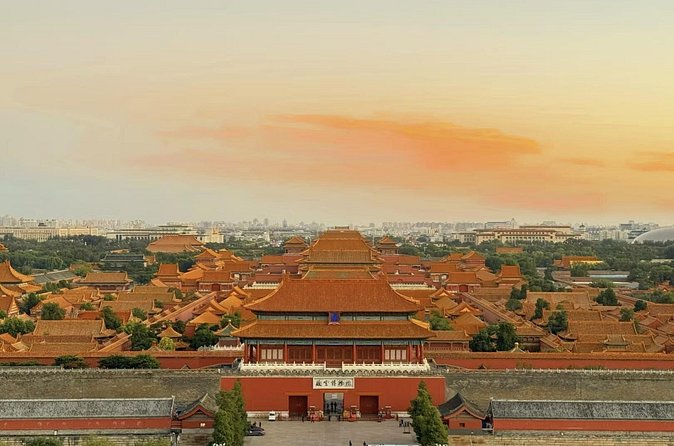
If you start around Jingshan Park, you get a lot of payoff for the effort. It’s in central Beijing and used to be an imperial garden during the Ming and Qing dynasties. The standout detail is the hill itself: it was built using earth from the Forbidden City construction, which is a cool way to connect the skyline views to the city’s building story.
Even if you only have a short window, Jingshan Park is useful as a warm-up. You can orient yourself before you head into heavier sites. The central hill offers panoramic views, and that helps you “read” where things are.
You can also read our reviews of more city tours in Beijing
Watchouts
- It’s easy to treat Jingshan as a 10-minute stop. Don’t. If you skip it, you’ll miss an easy moment of orientation and perspective.
Mutianyu Great Wall: the Ming-section choice with shuttle-only coverage
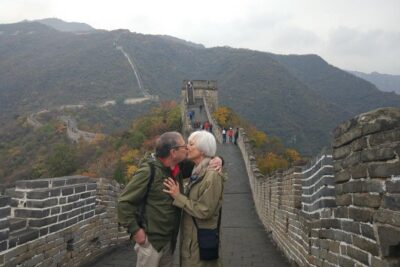
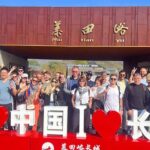
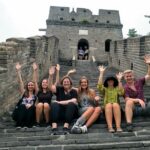
Mutianyu is about 70 km northeast of Beijing, and it’s known as one of the best-preserved Ming Dynasty sections. The layout is part of the appeal: there are dense watchtowers—22 over roughly 2.5 km—and there’s a famous idea of three watchtowers in one cluster. Add in the forests and the overall feel is different from the most crowded wall approaches.
With this ticket pass, the Mutianyu option includes entrance fees and a shuttle bus back and forth. That’s a big plus because getting out there is usually the pain point for self-planners.
The terms you must plan around
For the Mutianyu option, cable car/chairlift and toboggan run routes are not included. So if you were picturing a mix of rides plus walking, you’ll need to either pay separately for those, or build your schedule around walking sections.
Who will enjoy Mutianyu most
- You like scenic, classic Great Wall walking.
- You want a preserved section rather than the most chaotic one.
- You’re okay budgeting time for transit and stairs/paths.
Forbidden City (Palace Museum): go prepared or you’ll lose hours
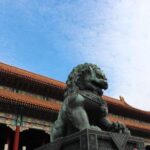
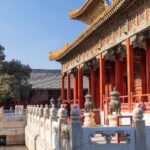
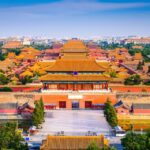
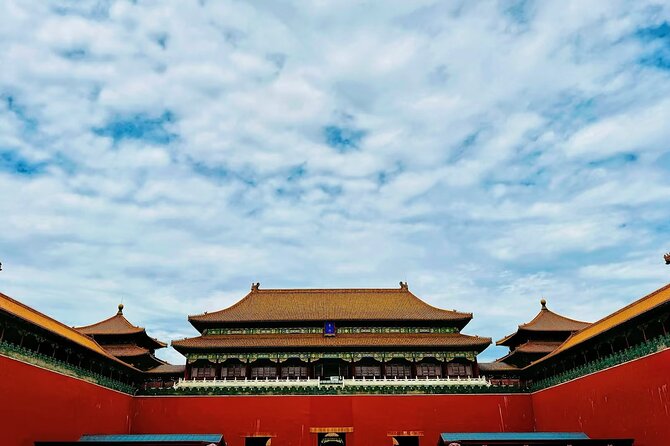
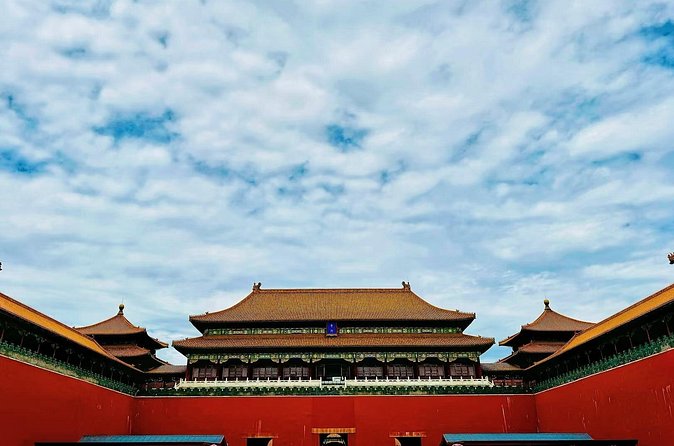
The Forbidden City is the center of Beijing’s imperial world: nearly 980+ buildings and centuries of court life from the Ming to the Qing dynasties. It’s huge, and that’s exactly why entry planning matters.
Here, the pass is described as a separate ticket option with a few notable extras depending on which choice you make. For the Forbidden City option, you may be able to travel with a private English tour guide. The guide angle isn’t about taking over the whole day—it’s about helping you get through the important parts, adding cultural context, and handling practical moves like taxis or Didi (while you pay the ride).
The caution that matters most
If you show up expecting entry to work like a standard independent ticket, you risk wasting time at the gate. One failure mode is arriving and being refused entry when the booking doesn’t match what the site expects. So before you go, verify two things:
- you booked the correct option for Forbidden City
- you have the passport required for the reservation
Timing strategy
Because the complex is enormous, you’ll enjoy it most if you don’t try to “see everything.” Pick a handful of key areas, move steadily, and use any guide support if you’ve added it. If you skipped the PDFs, you’d feel that gap here immediately.
Temple of Heaven: the serene counterweight
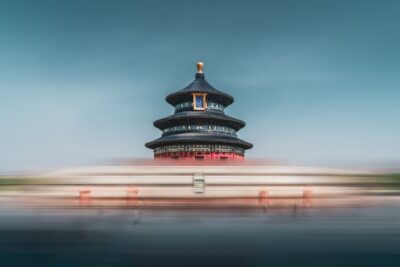
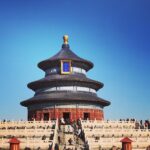
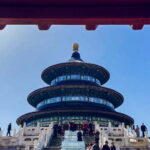
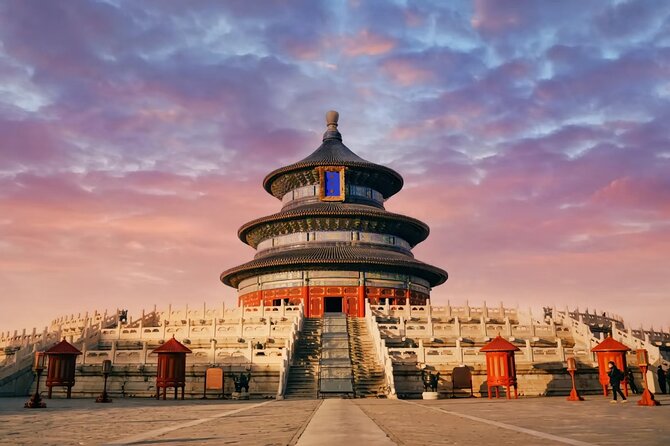
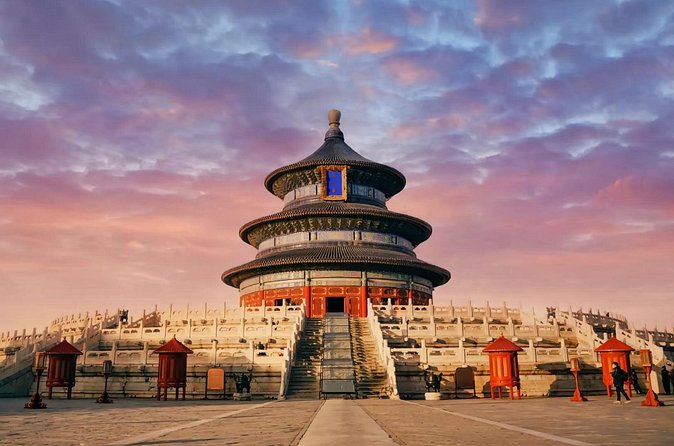
Temple of Heaven is UNESCO-listed and a sacred complex tied to Ming Dynasty emperors and their sacrificial rituals. The Hall of Prayer for Good Harvests is the headline structure, but two other details help you understand it quickly: the Echo Wall (fun to test with your voice) and the overall setting—273 hectares with ancient cypress trees.
This stop plays a great role in the day because it’s less about brute scale and more about symbolism and atmosphere. If you’re feeling “stone fatigue” after Forbidden City, Temple of Heaven can reset your brain.
Practical tip
This is a good place to slow down. You’ll get more out of it when you’re not rushing from one photo spot to the next.
Summer Palace: lake views plus the long corridor wow-factor

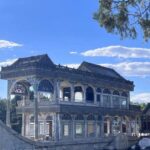
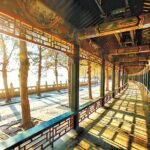
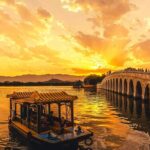
Summer Palace (Yiheyuan) is another UNESCO site and one of the best places in Beijing to understand Chinese landscape design through built form. The highlights include Kunming Lake and Longevity Hill, plus the Marble Boat, the Long Corridor, and the Seventeen-Arch Bridge.
If you enjoy places where architecture follows the contours of water and hills, this one clicks. The visual rhythm is different from palace courtyards. You’ll feel like you’re walking through a planned scenery sequence rather than a museum layout.
What to expect
- Lots of strolling.
- Views you’ll want to revisit (especially around the lake side).
- A day that rewards comfortable shoes more than speed.
Beihai Park: royal calm near the Forbidden City area
Beihai Park is an ancient imperial garden dating back to the 10th century. It’s close to the Forbidden City area, so it’s an easy add-on when you want something calmer. The White Dagoba is a standout, along with the Nine-Dragon Wall. There’s also Jade Flowery Islet and boating options, so it’s not only about looking—you can also take your time.
This is a great buffer after the big-ticket royal sites. You’ll come away less drained and more satisfied.
When it fits best
If your itinerary includes Forbidden City or nearby attractions, Beihai works well as a wind-down stop where you can reset, sit, and take in the park layout.
National Museum of China: context for what you’ve already seen
The National Museum of China is a logical “why does this matter” stop. Its modern institution traces back to early national history museum planning, and the museum was established through a merger in 2003.
I like pairing this with imperial sites because it helps connect the big visual stories to broader national change. You don’t need to be a history nerd. You just need a few frames to make the architecture feel less like random monuments and more like part of an ongoing story.
Reservation timing note
For the National Museum option, you should reserve at least 7 days in advance. If you reserve within 7 days, an additional tour guide fee may apply. So if you’re traveling on short notice, this is one of the first places to double-check.
Price and what’s not included: the $5 bargain math
On paper, $5 per person sounds like a steal. And for ticket-only access, it can be.
But here’s the real math you should do:
- Included: ticket fee for the chosen site and the pre-trip PDFs
- Not included: private transportation (no pickup or drop-off from station/airport), car rental, and English tour guide in the separate ticket price option
- Extra possible costs: taxis or Didi if you choose a guide option that helps you arrange rides, and for Mutianyu, cable car/chairlift/toboggan are not included
So for independent travelers who already understand Beijing transit, it can be a great value. If you want someone to handle every movement from A to B, this isn’t built for that.
The private English tour option: when it’s worth paying extra
The product description notes that for certain choices—specifically the Tiananmen Square or Forbidden City option—you can travel with a private English tour guide. What that means in real life is practical context and smoother decision-making on site.
You’ll likely find this most useful if:
- it’s your first time in Beijing and you want insider context fast
- you want help interpreting what you’re seeing
- you’d like a hand with taxi or Didi planning (but remember you pay the ride)
If you’re already comfortable reading guides and doing self-paced wandering, the PDFs alone may be enough.
Weather, time windows, and the safety net
This experience notes that it requires good weather. If weather is bad, you’re offered another date or a full refund. Also, the product lists a wide duration range (about 1 to 18 hours), which matches the “pick your stops” concept. Build your plan with a buffer because Beijing days can move slower than you think.
There’s also an operational claim of 7×24 support through an online group and emergency plans to safeguard your travel safety and reduce uncertainty. I can’t promise the world, but it’s at least a sign the operator expects people to need help while on the ground.
Should you book this Beijing Forbidden City Ancient Ruins ticket pass?
Book it if you want budget-priced tickets plus useful pre-trip PDFs, and you’re comfortable handling your own transport and timing. It’s especially attractive if you plan to focus on a few major sites and you want the context ahead of time.
Skip it (or choose a different add-on) if you:
- want pickup/door-to-door logistics included
- need cable car/toboggan included for Mutianyu
- are traveling on short notice for Forbidden City or National Museum, when reservations are tight
And if you do book, my one “don’t mess this up” rule is simple: match your passport details to your booking, reserve early where required, and don’t assume your arrival will turn into an automatic entry if your option details aren’t right.
FAQ
How much does the Beijing Forbidden City Ancient Ruins ticket pass cost?
It’s listed at $5.00 per person.
Is this ticket a mobile ticket?
Yes, the pass is described as a mobile ticket.
What’s included besides the attraction tickets?
You get the ticket fee and useful ePDF tips to help you learn more about Beijing.
Is pickup or drop-off included?
No. There is no pick up or drop off included, and no car rental is included with this separate ticket price.
For the Mutianyu option, what is included and what is not?
The Mutianyu price option includes the entrance fees and the shuttle bus back and forth. Cable car/chairlift and toboggan run are not included.
Do I need to provide passport details to prebook tickets?
Yes. You need the first name, last name, and passport number for all participants so the tickets can be prebooked.
How far in advance do I need to reserve for the Forbidden City and National Museum of China?
The guidance says to make a reservation at least seven days in advance for the Forbidden City and for the National Museum of China. Reservations made within seven days may require an additional tour guide fee.
What happens if the weather is poor or I need to cancel?
The experience requires good weather. If it’s canceled due to poor weather, you’ll be offered a different date or a full refund. Free cancellation is available up to 24 hours in advance for a full refund.