REVIEW · BEIJING
Beijing: Tianmen Square, Forbidden City & Royal Museum Tours
Book on GetYourGuide →Operated by Beijing Mubus · Bookable on GetYourGuide
Royal history starts before the first gate. This tour strings together Tiananmen Square context and the Forbidden City in a way that helps the place make sense, not just look impressive. You also get the chance to visit the Royal Treasure Museum as part of the experience.
I love how the tour gives you a guided route through a site that can feel like a maze once you’re inside. I also like the pacing options: morning or afternoon group sessions, with time to keep exploring after the guided portion.
The main drawback to plan for is walking. Even with a guide, the palace grounds and crowded entry areas mean you’ll cover real distance, and the meeting point may not be right at the front door.
In This Review
- Key things that make this tour worth your time
- Why Tiananmen Square and the Forbidden City belong on the same day
- Ticket reservation vs group tours vs private guide
- Meeting at Bank of China Donganmen Branch (and what that means for your morning)
- Getting through security and entry without losing your energy
- Tiananmen Square: what to pay attention to during the history talk
- Forbidden City essentials: seeing a palace, not just buildings
- Royal Treasure Museum: the stop that adds a “why” to the visuals
- Guide style: why people get happy about the explanations
- Timing: how long 8:30 or 12:30 really lasts in your body
- Crowds, queue strategy, and peak-season realism
- Value and pricing: is $4.37 per person actually good?
- What to bring for a smooth day inside the palace
- Who should book this tour (and who might want a different plan)
- FAQ
- FAQ
- Which languages are available for this tour?
- How long are the small group tours, and what are the start times?
- Where do I meet for the tour?
- What do I need to bring to enter?
- Are there restrictions on luggage, cameras, or devices?
- How far in advance do I need to reserve Forbidden City tickets?
- Should you book this Tiananmen Square and Forbidden City tour?
Key things that make this tour worth your time
- Guaranteed Forbidden City ticket reservation help you avoid the biggest day-of stress.
- Tiananmen Square history explained so you’re not just taking photos of a landmark.
- Royal Treasure Museum included as a strong “why it matters” stop.
- Small groups (typically 15–20) for better guidance than a huge herd.
- English or Spanish tours with a guide who can answer questions along the way.
- Airport-style security is built into the flow, so you know what to expect.
Why Tiananmen Square and the Forbidden City belong on the same day
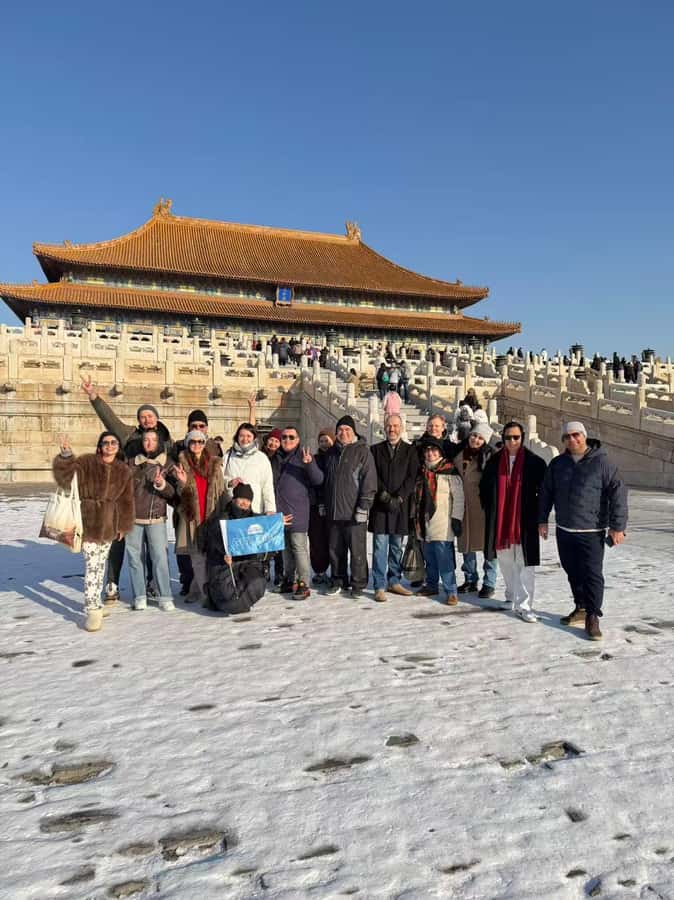
Tiananmen Square is the big stage, and the Forbidden City is the power behind it. Seeing them back-to-back helps you connect what you’re looking at: a public political space paired with the royal world that shaped court life and decision-making.
The square also sets the tone for the palace visit. When your guide places the buildings and stories in context, you start noticing details you’d otherwise miss, like how the layout communicates order and authority.
One practical win: you’re not spending your Beijing time only on “screensaver sights.” You’re getting a guided storyline for two of the city’s most important places, which makes the day feel efficient.
You can also read our reviews of more city tours in Beijing

Ticket reservation vs group tours vs private guide
This experience comes in a few formats, and your best choice depends on how stressed you want to be about tickets and how much time you want inside.
If you pick the ticket booking service, you’re getting a reservation approach rather than a long guided day. The included element here is essentially admission access, and some options may stop there with no extra guiding beyond what’s specified for that option.
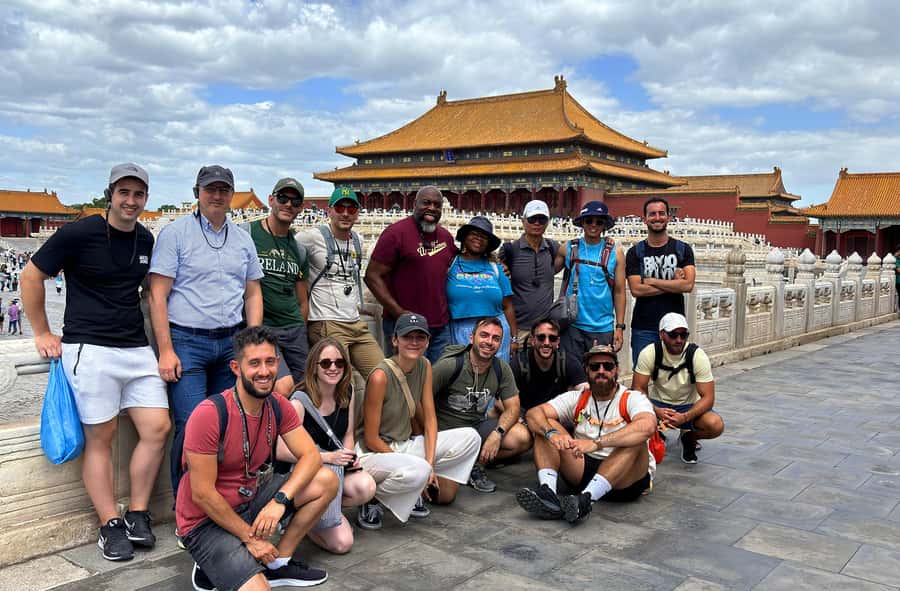
If you choose the small group tours, you get guided services plus entry tickets. These run as morning and afternoon sessions, usually with groups of around 15–20 people, and the guided portion lasts about 3–4 hours before you’re on your own for additional exploring.
Private tours are for when you want flexibility. You can pick a departure time that suits your schedule, and a private guide generally means more direct attention and a smoother route through busy moments.
Meeting at Bank of China Donganmen Branch (and what that means for your morning)
A key detail that helps with confidence is the meeting location. One common start point is the Bank of China Donganmen Branch, and you’ll be escorted from there once you meet your guide.
That matters because Beijing’s major attractions can be confusing even for people who navigate well. When your guide is already lined up at a clear landmark, you spend less time wandering and more time getting to the first checkpoints.
Do note: depending on the exact option you book, the meeting point may vary. Also, one caution from real-world experience is that the designated meeting spot can be a bit of a walk away from the most convenient entrance. If you hate walking “just to start,” factor that in.
Getting through security and entry without losing your energy
The Forbidden City requires airport-style security. You should expect bag checks and screening before you enter the grounds, even if you already have tickets or reservations.
Bring only what you need and plan for restrictions: no luggage or large bags, and no drones or tripods. If you arrive with an oversized daypack, you’ll waste time sorting it out, and you’ll be hotter and more irritated once the walk begins.
Your guide’s value shows up here. A good guide helps you understand where the line breaks are, how to keep the group together, and how to keep moving even when it’s slow.
Tiananmen Square: what to pay attention to during the history talk
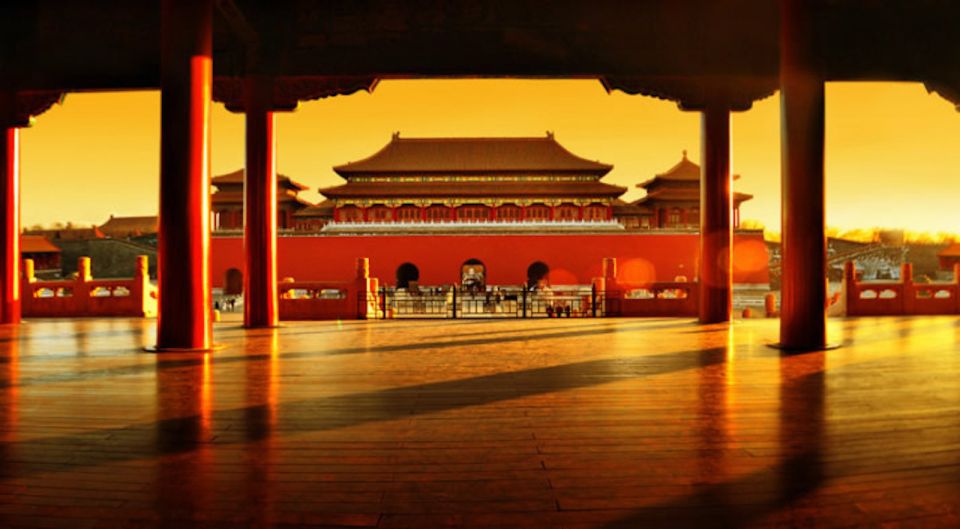
Tiananmen Square can look straightforward on a map, but it’s packed with meaning. Your guide spends time on its history as the world’s largest public square, including why it became such a cultural and political hub.
If you’ve ever stood in a place with huge signage and still felt like you were missing the point, this part helps. Instead of memorizing dates, you start understanding why the space is arranged the way it is and how people use it.
You’ll also likely get guidance on what to notice while you’re there. That’s where the experience becomes more than “photo stops,” because you begin reading the place like a system: space, power, and ceremony.
You can also read our reviews of more museum experiences in Beijing



Forbidden City essentials: seeing a palace, not just buildings
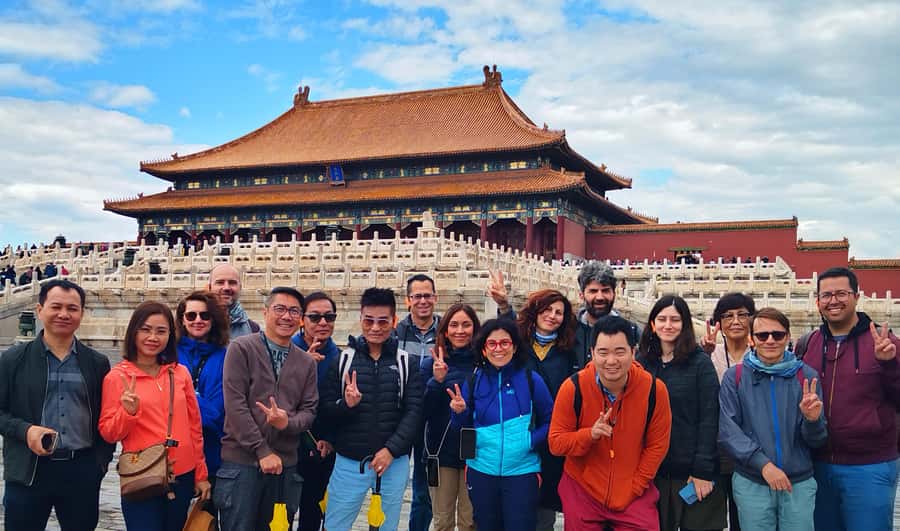
The Forbidden City is massive, and the only way it doesn’t blur together is with a plan. A guided route helps you connect corridors, courtyards, and halls into a mental map, rather than treating everything as one long parade of stone.
The palace visit is also where you get the strongest payoff if you care about detail. With a guide, you’re more likely to notice architectural cues and the way each area fits into the royal daily rhythm.
One more important point: expect crowds. During peak seasons such as Labor Day (May), National Day (October), and the summer holiday (July to August), long queues are common. Ticket access can be tricky at those times, which is exactly why a reservation service is a big deal.
Royal Treasure Museum: the stop that adds a “why” to the visuals
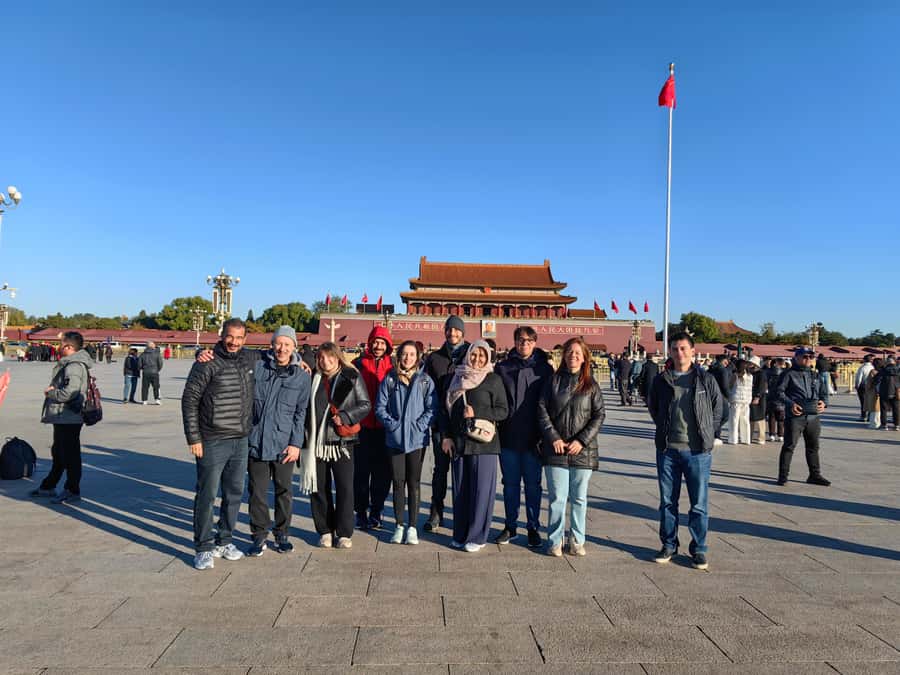
One of the standout inclusions here is the Royal Treasure Museum option. For me, this is the difference between touring a site and learning from it. The palace is architecture and layout; the treasure hall gives you a human lens—what was valued, displayed, and preserved.
Even if you’re not a hardcore museum person, this kind of stop is helpful. It breaks up the walking and gives your brain a different way to absorb the story of the imperial world. You’re not just looking at scale—you’re learning what that scale was meant to represent.
If you’re choosing between tour styles, this is also a good reason to favor formats that explicitly include guided services and the treasure hall visit.
Guide style: why people get happy about the explanations
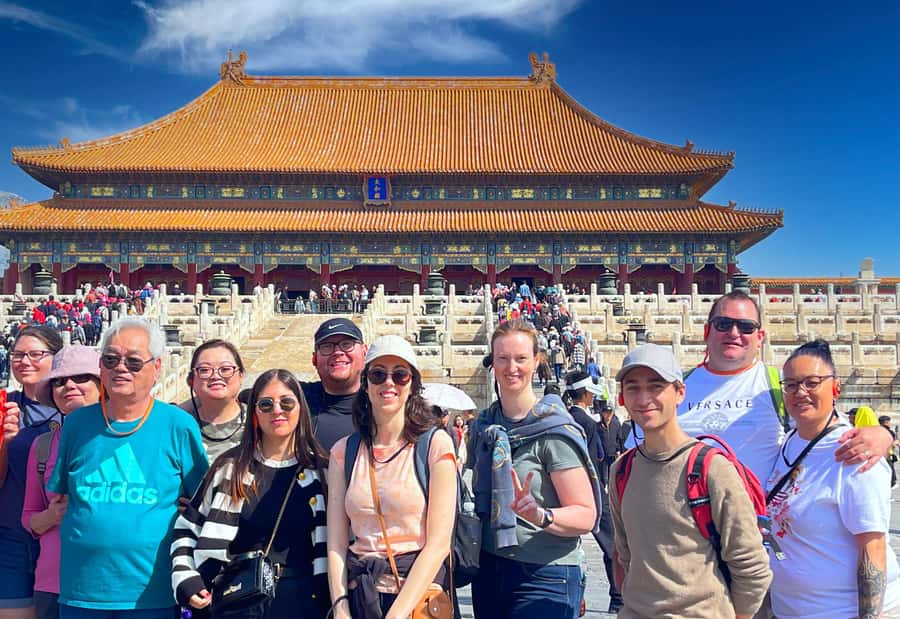
A recurring theme with this kind of experience is that the guide can make or break the day. Here, you’ll find guides praised for clarity, energy, and storytelling that makes the palace feel alive instead of like a checklist.
Names that come up include Linda, Vanessa Zhang, Mary, Snow, Icy, Amy, Jay, Neo, and Echo. The common thread is that the explanations tend to be practical: how the buildings relate to each other, and what to notice while you’re walking.
You might also get help with heat and comfort. Several guides are described as attentive during hot weather, sometimes keeping the group moving with breaks and shade when needed. That’s not a small detail in Beijing—comfort directly affects how much you can enjoy the day.
And yes, the sense of humor matters. When a guide can keep the mood light while staying accurate, you’ll remember more and feel less worn out.
Timing: how long 8:30 or 12:30 really lasts in your body
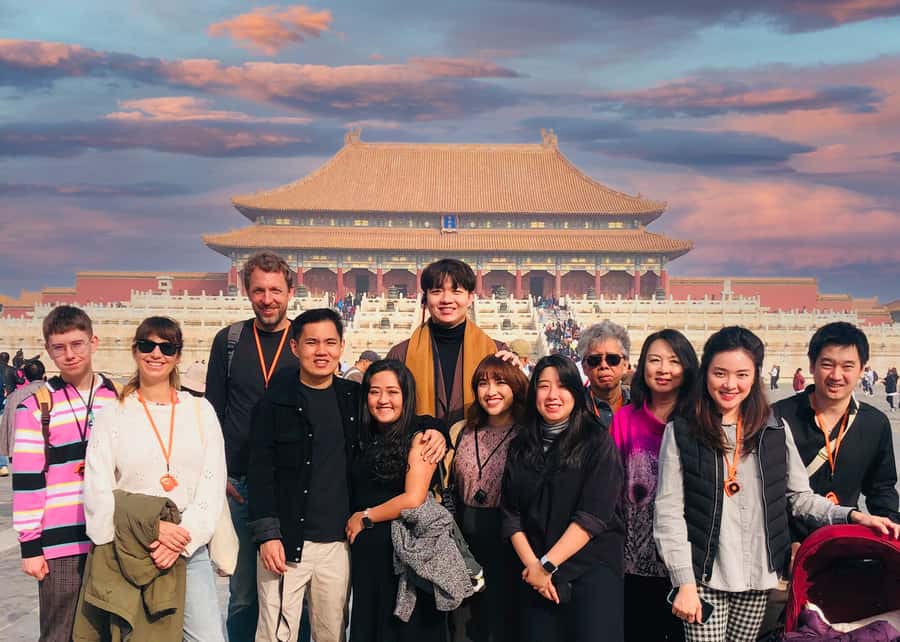
The group tour sessions are typically scheduled with a morning start at 8:30am and an afternoon start at 12:30pm. The guided portion usually lasts 3–4 hours, and then you have free time to explore at your own pace.
Here’s the practical reality: the Forbidden City is physically big. Even a short guided visit still means lots of walking, plus time for entry screening and moving through crowded areas. One smart strategy is to treat the free time after the tour as optional extras, not as an obligation to see everything.
If you’re planning meals, keep in mind that a morning session may leave you waiting longer for lunch. A simple fix is to bring snacks and water so you don’t turn hungry and cranky before you’re ready for a proper meal.
Crowds, queue strategy, and peak-season realism
Even with reserved tickets, busy days can still slow you down. Peak periods (May Labor Day, October National Day, July–August summer holiday) often mean longer lines for entry and more people inside the palace grounds.
Your best defense is timing and routing. Guides who pick smart paths and keep the group together help you avoid dead ends and crowded choke points. The goal isn’t to pretend crowds don’t exist—it’s to help you spend your time where it counts.
If your schedule is flexible, consider that the afternoon session can be a helpful alternative to the morning rush. But either way, wear comfortable shoes and expect delays.
Value and pricing: is $4.37 per person actually good?
The listed price of $4.37 per person is startlingly low for a Forbidden City experience that can include reserved entry and guided services. The real question is what your selected option actually includes.
Admission-only options may provide entry tickets with no extra service, while tour-related options include full admission tickets plus guided support. That means your value will depend on whether you’re buying a guided day or a ticket reservation.
When it’s a guided option, the value is easier to justify. You’re paying for two high-pressure parts: (1) securing access and (2) getting interpretation so the palace doesn’t feel repetitive. For many first-time visitors, that combo saves time and confusion, which is worth more than the headline price.
If you want the most control, a private tour can be more expensive, but it’s built for flexible timing and more efficient routing across Beijing. It’s a good choice when you’d rather pay extra than spend your day stuck in group pacing.
What to bring for a smooth day inside the palace
You’ll need your passport or ID card to reserve and enter. For security and ticketing, have the same identification you provided during reservation.
Bring essentials and keep them light. No large bags, and remember that drones and tripods aren’t allowed. If you’re traveling with gear, plan storage outside the restricted areas or leave bulky items behind.
For comfort, pack water and simple snacks, especially if you’re doing a morning session. The tour can run long on foot, and having a snack ready keeps energy steady when lunch is delayed.
Who should book this tour (and who might want a different plan)
This is a strong pick if you’re:
- First-time visitors to Beijing who want the palace to make sense
- Short on time and need a structured route through major highlights
- Traveling with an interest in imperial history and cultural context
- Looking for English or Spanish guidance
It’s also a good match if you don’t want to wrestle with ticket headaches. Guaranteed reservations (when you use the ticket booking model properly) can be a lifesaver in peak periods.
You might want a different approach if you:
- Hate group pacing and want total freedom
- Have very limited mobility (the site involves extensive walking)
- Want a slower, deeper multi-day style visit rather than a 3–4 hour guided sprint plus extra time
FAQ
FAQ
Which languages are available for this tour?
The tour is offered in English and Spanish.
How long are the small group tours, and what are the start times?
Small group tours are typically 3–4 hours long. The morning session starts at 8:30am and the afternoon session starts at 12:30pm.
Where do I meet for the tour?
The meeting point may vary by option, but an easy-to-find start point is the Bank of China Donganmen Branch.
What do I need to bring to enter?
You should bring your passport or ID card.
Are there restrictions on luggage, cameras, or devices?
Yes. No luggage or large bags are allowed, and drones and tripods are not allowed. You’ll also pass through airport-style security.
How far in advance do I need to reserve Forbidden City tickets?
Reservations for ticket booking must be made at least 7 days in advance. Customers from Chinese Mainland, Hong Kong, Macau, and Taiwan also need to book at least 7 days in advance.
Should you book this Tiananmen Square and Forbidden City tour?
If you want the fastest path from stand-in-a-line to understand-what-you’re-seeing, I think you should book it. The best reason is the combo of ticket reservation support and guided interpretation, which turns the Forbidden City from scenery into a story you can follow.
Pick a group tour if you’re okay with a shared route and you want the day kept moving. Choose a private tour if you want more flexibility and less friction with timing. Either way, plan for walking, bring your identification, and you’ll get a far more satisfying Beijing experience than trying to figure it all out on your own.