REVIEW · BEIJING
Beijing: Lama Temple, Confucius Temple and Guozijian Museum
Book on GetYourGuide →Operated by Fun Beijing Travel · Bookable on GetYourGuide
A 54-foot Buddha stops you cold. This 4-hour Beijing route connects Lama Temple, Confucius Temple, and the Guozijian Museum, then carries you into quiet Hutong alley life. What I like most is that you’re not only looking at religious sites—you also get to see how locals worship.
I also like the way the Imperial College story is explained at Guozijian Museum. You learn it was founded in 1306 by the grandson of Kublai Khan, which makes the whole complex feel tied to real power and education, not just old stone.
One possible drawback: the tour is tight. You stroll through multiple halls and courtyards, so you won’t have long, slow time in every single room. On busy days, you’ll want to keep a steady pace and accept that temples can be crowded around photo spots.
In This Review
- Key things you’ll notice on this Beijing temple + Hutong tour
- Lama Temple: where Beijing’s religious side feels real fast
- The 54-foot Buddha and what to focus on
- Watch worship closely (and respectfully)
- Getting from Lama Temple to Confucius: the smooth middle stretch
- Temple of Confucius and Guozijian Museum: education as power
- What makes this stop feel different with a guide
- Hutong alleys: where Beijing’s past shows up in daily habits
- A nice bonus after the tour
- Optional dim sum: easy add-on if you want one more local taste
- Price and value for $80 in 4 hours
- Logistics that actually matter during a temple day
- Guide quality: what you can learn from named guides
- Who this tour suits best (and who might prefer something else)
- Should you book this Beijing Lama Temple + Confucius + Guozijian + Hutong tour?
- FAQ
- How long is the tour?
- Where do I meet the guide?
- What is included in the price?
- Do I skip the ticket line?
- How do you get to Lama Temple?
- Is this a private group?
- Can I visit more after the tour ends?
- Is there an option to add dim sum?
Key things you’ll notice on this Beijing temple + Hutong tour
- The sandalwood Maitreya scale: a 54-foot high Buddha carved from a precious white sandalwood log from Nepal
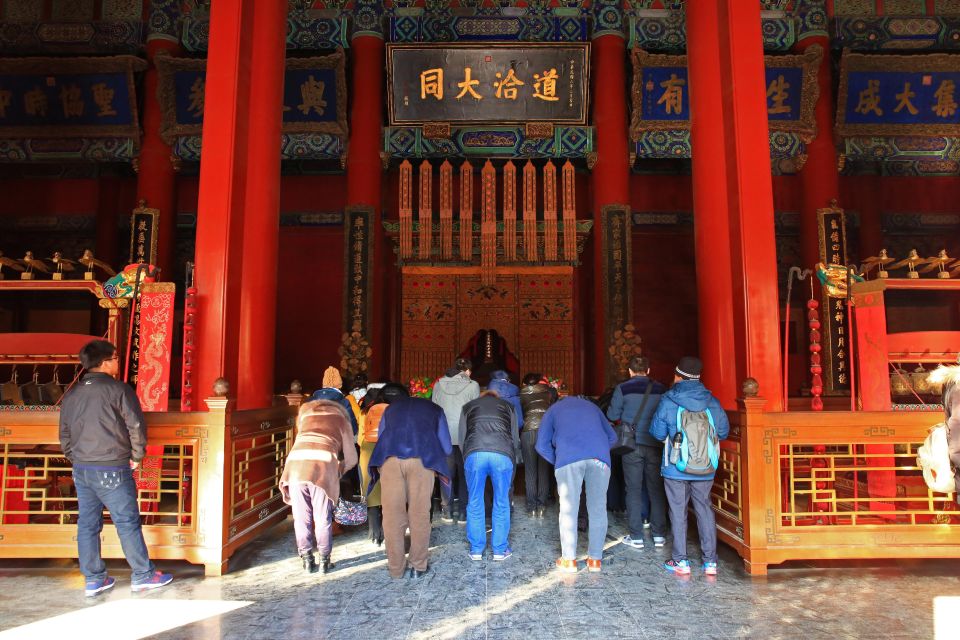
- Actual worship, not staged viewing: you watch how locals practice inside Lama Temple
- Confucius + Imperial College context: Guozijian Museum explains how learning worked across dynasties, starting with 1306
- A Hutong walk that slows you down: after temples, you stroll alleys to see everyday Beijing rhythms
- Easy start, guided pacing: hotel pickup and an English-speaking guide keep the day from feeling like a scavenger hunt
Lama Temple: where Beijing’s religious side feels real fast
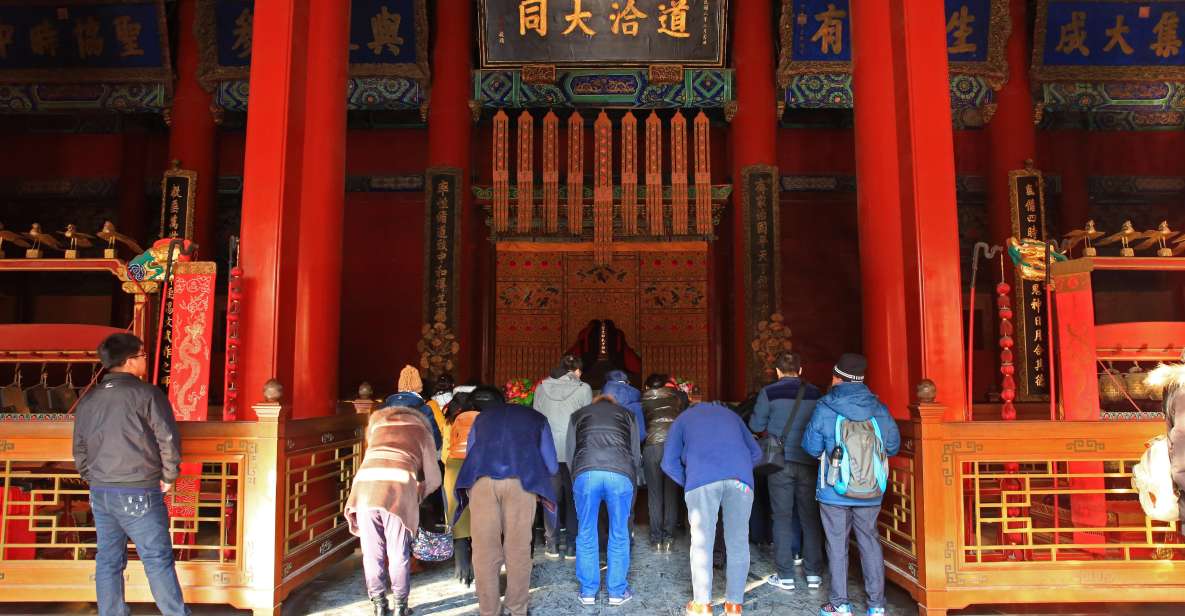
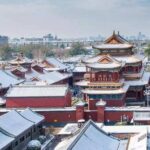
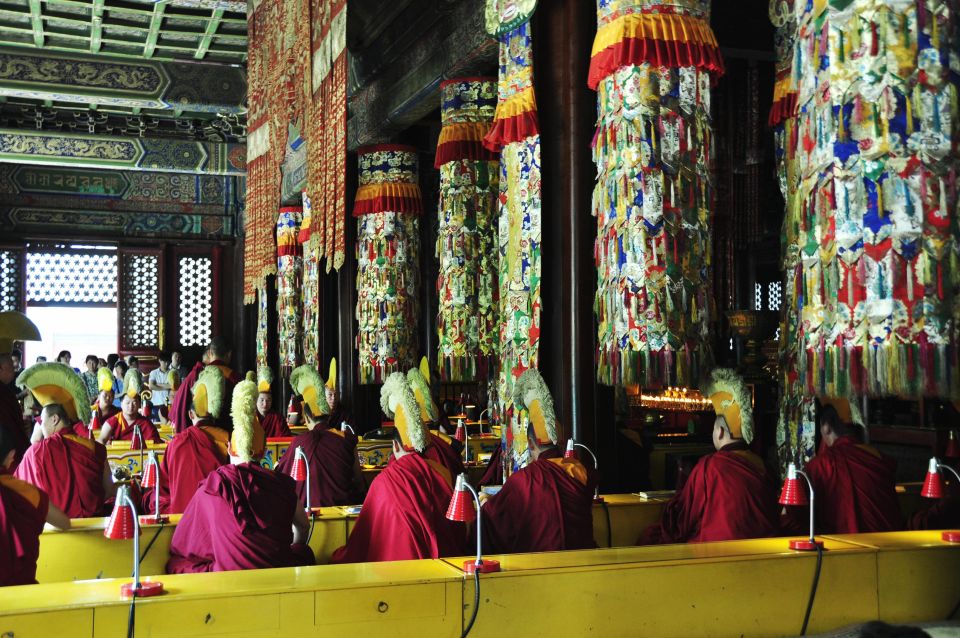
Lama Temple is the kind of place that makes you look up—literally. You’re stepping into a complex where religion is not a museum theme. It’s activity. Incense, prayer gestures, and people moving through courtyards give you a sense of how the temple is used, not just how it was built.
In a short 4-hour experience, this stop works because it sets a mood right away. Instead of opening the day with pure architecture, you start with ceremony. That helps you understand what you’re seeing when you move from hall to hall afterward.
You can also read our reviews of more museum experiences in Beijing

The 54-foot Buddha and what to focus on
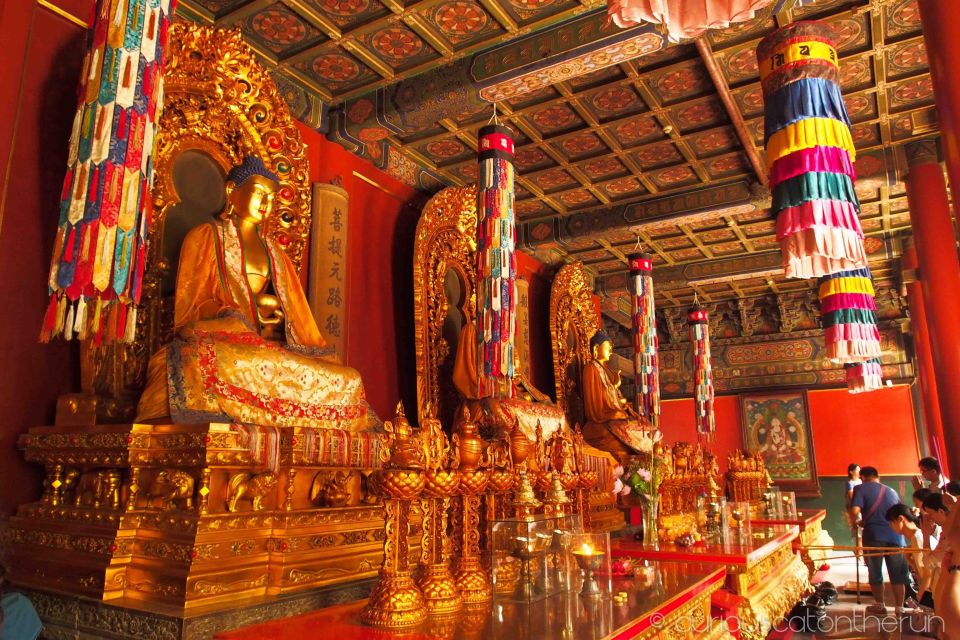
The big headline is the statue of Buddha Maitreya. This one is carved from a single precious white sandalwood log from Nepal, and it’s described as the biggest wooden Buddha in the world. Even if you don’t know the finer points of iconography, the sheer physical presence does the job.
Here’s what I’d suggest you pay attention to while you’re there:
- The way people approach the space (where they stop, what they face, how they behave)
- The contrast between grand statues and everyday worship moments
- How different halls feel: ceremonial, quieter, or busier depending on where you are in the complex
Your guide leads you through courtyards and halls, so you’re not wandering without a thread. That matters at Lama Temple because the site is full of visual information. A narrative keeps you from feeling lost.
Watch worship closely (and respectfully)
One of the best parts of this tour is that you watch how locals worship. That sounds simple, but it changes your experience. Instead of treating the temple like a photo set, you start noticing patterns: pauses, gestures, and the way visitors move through key areas.
If you want the best results, keep your phone away until you’re sure you’re not blocking anyone’s path. Use your eyes first. You’ll often catch more by watching hands and faces than by zooming.
Getting from Lama Temple to Confucius: the smooth middle stretch
After Lama Temple, you don’t bounce across Beijing like a pinball. You move into a walking experience that links two different cultural worlds.
The tour continues through quiet Hutong alleys toward the Temple of Confucius and the Guozijian Museum area. That change of pace is part of the value. Temples tend to have rules and crowds; Hutongs tend to feel more like everyday life. The switch gives your brain a reset.
You’ll likely find this is the moment when the day starts to feel like a story. You’re going from religious practice to education and philosophy, then to street life. It’s one coherent flow instead of three separate errands.
Temple of Confucius and Guozijian Museum: education as power
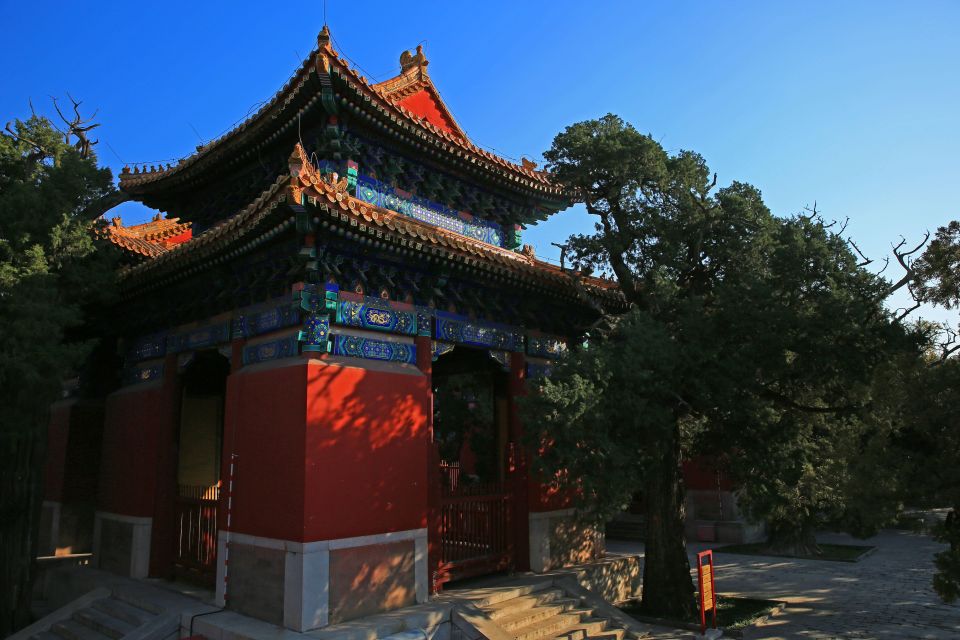
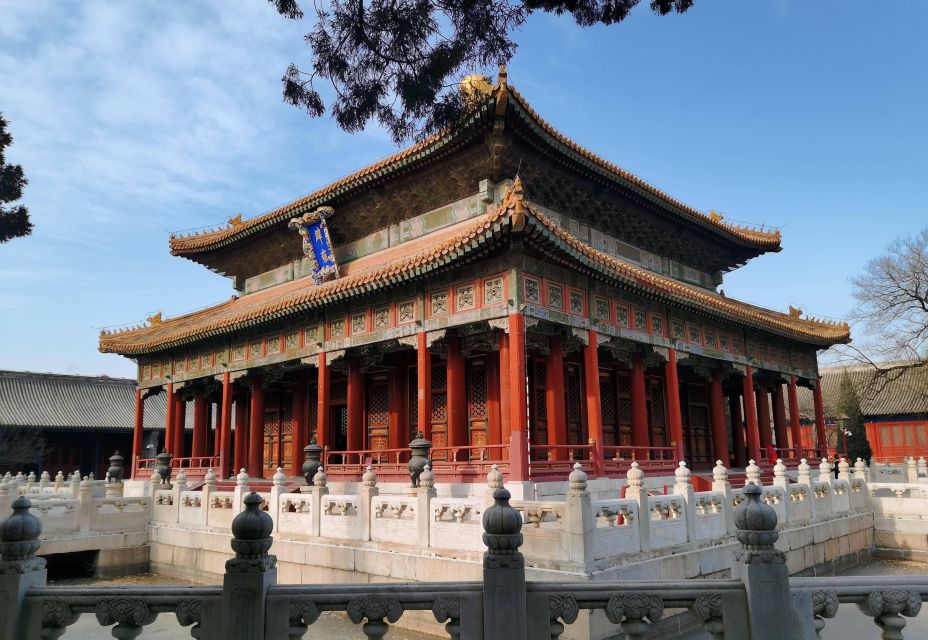
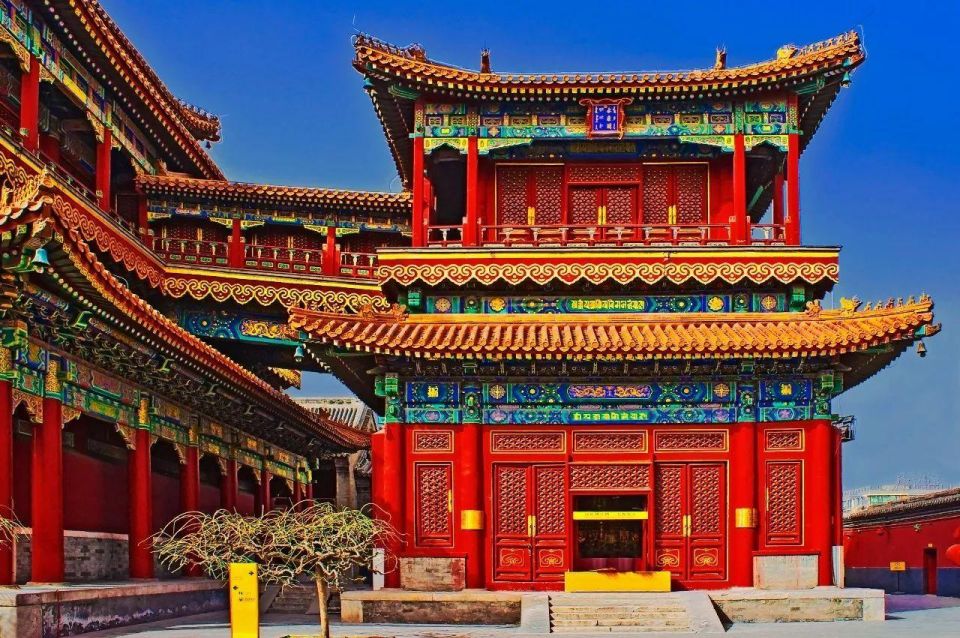
The Temple of Confucius is one of those places where you can walk in with curiosity and leave with a stronger sense of what Confucianism meant socially. But the real win here is the connection to the Guozijian Museum, also known as the Imperial College.
This former college was described as the supreme academy during the Yuan, Ming, and Qing dynasties. And there’s a key anchor date: it was built by the grandson of Kublai Khan in 1306. That timing helps you put the site in context. You’re not just seeing a historical complex; you’re seeing how education was positioned inside large political structures over time.
What makes this stop feel different with a guide
Without guidance, imperial-era sites can become a blur—doors, stone, plaques, and lots of “wow.” With a guide, you get stories behind what you’re seeing.
On this tour, you follow your guide through the Temple of Confucius and the Imperial College spaces, learning the background behind key features. That’s valuable because it turns the visit into understanding rather than passive sightseeing.
Here’s the practical benefit: your eyes get better targets. Instead of only noticing the “pretty” parts, you start spotting the significance the guide is pointing out.
Hutong alleys: where Beijing’s past shows up in daily habits
The tour’s Hutong segment is short, but it’s chosen for a reason. Hutongs are not just sightseeing streets. They’re living patterns—small-scale neighborhoods that reflect how people used to live and how they still do.
You stroll around Hutong alleys in the area to learn the history of Beijing Hutong street life and pick up a sense of local living. It’s a nice counterweight to temples. After you’ve seen ritual and scholarship, you get to observe the human scale again.
If you want to make this portion work for you, slow down. Hutongs reward attention. Look at how pedestrians move, how people pause, and how the alley layout shapes daily routines.
A nice bonus after the tour
Your tour ends after the Hutong stroll and time around the Confucius/Guozijian area. You can then spend more time exploring Wudaoying Hutong, and your guide can suggest how to reach your next destination.
That flexibility is a quiet advantage. You’re not forced into a rigid schedule after the final stop. The day ends with “go explore more,” not “and that’s it.”
Optional dim sum: easy add-on if you want one more local taste
If food is part of your travel brain, there’s an option to combine the tour with a dim sum meal. The key here is convenience: you’re already in the area, your guide can steer you to a good next step, and you don’t have to switch from culture mode to logistics mode.
Is it required? No. But it can be a smart way to end the tour because the experience moves fast, and dim sum gives you time to sit and reset.
Price and value for $80 in 4 hours
$80 per person for a 4-hour guided tour can sound steep until you break down what’s included. Here’s what you’re paying for in practical terms:
- English-speaking guide for the full visit
- Hotel pickup (so you’re not planning transport first)
- Entrance fee included
- Skip the ticket line, which saves time when sites get crowded
- Private group (so the pacing can feel steadier than a large group tour)
- Optional private transfer if you choose that related option
If you’re comparing to the cost of doing temples independently—tickets, guide time you’d otherwise rent, and transport planning—the value gets clearer. You’re also saving stress. That’s not glamorous, but it matters in Beijing where routes can be confusing.
Just keep expectations realistic. This isn’t a slow, two-day deep study. It’s a focused highlights tour. If you want to linger for long photo sessions or study each hall carefully on your own, you may wish you had more time. If you want clarity, pacing, and context, it’s priced for that.
Logistics that actually matter during a temple day
This tour starts with meet-up in your hotel lobby. Your guide meets you by holding a sign with your name, which cuts down that awkward start where you’re scanning faces and hoping you’ve picked the right group.
Getting to Lama Temple happens directly, either by taxi or subway. There’s also an option to choose a private car to make the trip easier. The right move depends on your energy and how comfortable you are with Beijing transit on a tight schedule.
During the day, you’re moving between multiple stops, so keep an eye on your stamina. You’ll stroll courtyards and halls, then walk through Hutong alleys. Comfortable shoes matter more than you think when you’re mixing indoor complexes with outdoor alley walking.
Finally, remember that “skip the ticket line” helps, but it doesn’t remove the reality of crowded spaces inside popular temples. Your guide’s job is to keep things flowing, and the day tends to go smoother when you follow their timing.
Guide quality: what you can learn from named guides
English guide quality is often the difference between a tour that feels like facts and one that feels like a story. This operator gets consistent praise for guides who explain things clearly and keep the plan moving on busy days.
In the feedback you have names like Ranee, Mike, Cassie, Aurora, and Anne called out specifically. The common theme: good English, patience, and narrative that makes the sites make sense rather than just look impressive.
If you care about conversation and context, this is where you’ll feel the pay-off. A strong guide helps you connect Lama Temple rituals to what you see later at Confucius and Guozijian, and then to the Hutong world outside.
Who this tour suits best (and who might prefer something else)
This tour is a strong fit if you want:
- Major Beijing cultural stops in one efficient 4-hour block
- A guided explanation focused on meaning, not only sightseeing
- A mix of temple atmosphere and Hutong everyday life
- A private group experience with a clear plan and hotel pickup
You might choose a different format if:
- You want lots of unstructured time inside each building
- You prefer self-guided museums where you set your own pace without a schedule
Still, for many first-timers, this hits a sweet spot: you get the must-see highlights plus the context that makes them worth remembering.
Should you book this Beijing Lama Temple + Confucius + Guozijian + Hutong tour?
I think it’s a smart booking if you value guidance and time efficiency. The 54-foot sandalwood Maitreya at Lama Temple is the kind of visual anchor that makes the whole day memorable, and the Guozijian connection to 1306 and Kublai Khan’s grandson gives your visit a real historical thread. The Hutong alley walk is the finishing touch that turns “temples only” into a fuller picture of Beijing life.
Book it if you want a clear plan, English commentary, skip-the-line help, and a short walk that shows you more than just big monuments. Skip it if you already know you want hours of independent wandering and don’t need someone to translate what you’re seeing.
If you want one practical test: ask yourself whether you’d enjoy watching local worship and then learning how education and philosophy shaped imperial life. If yes, you’ll likely feel like this tour earns its place in your Beijing days.
FAQ
How long is the tour?
The duration is 4 hours.
Where do I meet the guide?
You meet your tour guide in your hotel lobby. The guide holds a sign with your name.
What is included in the price?
Included items are an English-speaking guide, hotel pickup, entrance fees, and private transfer if you select the related option.
Do I skip the ticket line?
Yes, this tour includes skip-the-ticket-line access.
How do you get to Lama Temple?
You travel directly either by taxi or subway, and you can choose a private car option for easier transport.
Is this a private group?
Yes, it’s a private group.
Can I visit more after the tour ends?
Yes. You can spend more time in the Wudaoying Hutong area, and your guide will suggest how to reach your next destination.
Is there an option to add dim sum?
Yes, there’s an option to combine the tour with a dim sum meal.