REVIEW · BEIJING
Confucius Temple and Imperial College Entrance Ticket
Book on Viator →Operated by Unique Beijing Tours · Bookable on Viator
A study hall that still feels active.
That’s the best way to describe a visit to Beijing’s Confucius Temple and the Guozijian Museum, once the site of an imperial college where education shaped careers. This is one of those stops where you don’t just look at old buildings—you read your way through how scholarship worked for centuries.
I particularly love the stone stele experience. You’ll spend real time with hundreds of carved records tied to the Imperial Examination, so the place feels specific and human, not just decorative. I also like the English support you’ll find across the museum, which makes this visit very doable even if you choose not to add a guided tour.
One thing to watch: QR-code entry can be a little finicky. I’ve seen cases where two codes were provided but only one worked at the gate, and the fix depended on quick staff help, so it’s smart to have your info ready and double-check your confirmation before you go.
In This Review
- Key points worth knowing before you go
- Confucius Temple and Guozijian Museum: What You’re Really Touring
- Temple of Confucius: The Second-Biggest Stop for Confucius Devotees
- Guozijian Museum: The Imperial College in Real-World Form
- What the Pre-Paid Entrance Ticket Really Does for You
- Timing: How Long You’ll Actually Want to Stay
- Crowd Pressure and How to Beat It Without Stress
- QR Codes and the One Thing I’d Double-Check
- English Guide vs Self-Guided: Pick Based on Your Style
- Value Check: Is $8 Worth It?
- Getting There and Making It Easy on Yourself
- Who Should Book This Ticket (and Who Might Not)
- Should You Book Confucius Temple and Guozijian Entrance Ticket?
- FAQ
- How much does the Confucius Temple and Guozijian ticket cost?
- What’s included with this ticket experience?
- Do I need a guide to understand the sites?
- How long should I plan for the visit?
- When will I receive my tickets?
- Is this activity private?
- Where is the experience located and how do I get there?
- How far in advance should I book?
- Can I cancel for a full refund?
Key points worth knowing before you go
- Hundreds of stone steles tied to the Imperial Examination, so plan time to read.
- Guozijian Museum was the imperial college site from Yuan, Ming, and Qing eras.
- English instructions and exhibits make self-guided exploring realistic.
- Advance pre-paid ticket helps you handle crowd pressure better.
- Private group format means it’s only your group for the activity.
Confucius Temple and Guozijian Museum: What You’re Really Touring
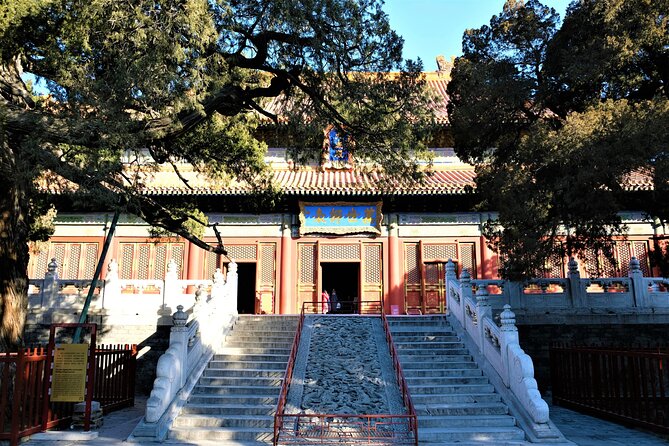
This ticket package targets two closely linked sites in central Beijing: the Temple of Confucius and the Guozijian Museum. They sit next to each other, which is great because you can flow from ritual space into the educational history right away, without backtracking.
You’re not going to get a rushed “see it and move on” vibe here. The whole point is that you can read, look closely, and take your time with the scholarly displays. If you like museums where information is the main attraction, you’ll feel at home.
And yes, Confucius is the headliner—but the deeper draw is how the Chinese imperial education system used scholarship to decide status. That theme is present from the temple’s memorial purpose to Guozijian’s study-and-testing story.
You can also read our reviews of more tours and experiences in Beijing


Temple of Confucius: The Second-Biggest Stop for Confucius Devotees
The Temple of Confucius in Beijing is the second largest Confucian Temple in China, after the one in Qufu. That’s helpful context because it signals this isn’t a tiny side site. It’s built to honor Confucius with real ceremony, and it also grew into a major landmark for visitors and scholars.
The temple was originally built in 1302, when officials used the space to offer sacrifices and honor Confucius. Today, you’ll see statues and carvings meant for that continuing reverence, but the most compelling part for many people is the way the temple connects to official scholarship.
Look for the hundreds of stone steles recorded with the names of scholars who passed the Imperial Examination. Even if you’re not chasing every single name, the scale tells you something important: this was a system that cataloged achievement in a very public, very permanent way.
Practical tip: if you want the most out of the steles, bring patience. The carvings invite close reading, and you’ll likely want to linger longer than you planned.
Guozijian Museum: The Imperial College in Real-World Form
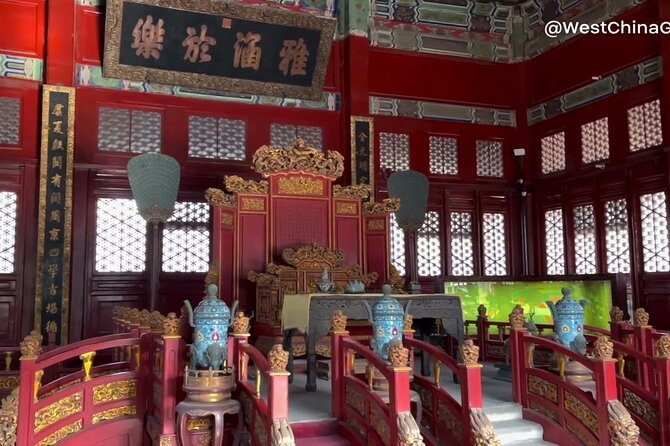
Right beside the temple is the Guozijian Museum. This was originally constructed in 1306 and served as the imperial college under the Yuan, Ming, and Qing dynasties. In other words, this wasn’t just symbolic. It was where education connected directly to the governing elite.
What you’re touring now is a museum made up of multiple scholarly halls and museum spaces. Instead of treating the past like a distant story, the exhibits explain the educational system in imperial China—how learning was structured, and how the exam culture shaped opportunity.
This is where the value of having English materials matters. One of the biggest praises tied to this experience is that the exhibits include English instructions and English-friendly display text. That means you can get solid context without needing to wait for a guided explanation at every turn.
If you enjoy history that feels “organized,” not chaotic, you’ll probably like Guozijian. The museum is built to guide you through categories of learning and administration, not just to show artifacts.
What the Pre-Paid Entrance Ticket Really Does for You
This is an entrance ticket tour, and it’s designed around one simple benefit: you come with pre-paid access. That can make the visit smoother, especially when you’re dealing with steady foot traffic near major temple sites.
You can explore on your own with the included admission fee, and there’s also an upgrade option for a guided tour if you want more story and context. If you’re the type who likes short explanations and big-picture framing, a guide can help you connect the dots between the temple’s Confucian symbolism and Guozijian’s education engine.
The ticket also comes with a planning detail: tickets are sent 5 days before your travel date. So you don’t have to worry about last-minute digging, but you should still keep an eye on your inbox or booking emails when that window opens.
Timing: How Long You’ll Actually Want to Stay
The experience is listed as about 1 day, but the experience level depends on how you visit. If you’re mostly there for photos and quick viewing, you might move faster. If you want to read the steles and museum explanations, you’ll likely settle in.
A strong piece of real-world guidance from the experience is that many visitors spend around 2–3 hours reading and working through the information in the museum. That’s a good planning target. It also keeps you from feeling like you have to “finish” everything in a time crunch.
A smart approach is to start with Confucius Temple, then move into Guozijian and adjust based on your interest level. If you love inscriptions and educational history, you’ll naturally slow down at Guozijian.



Crowd Pressure and How to Beat It Without Stress
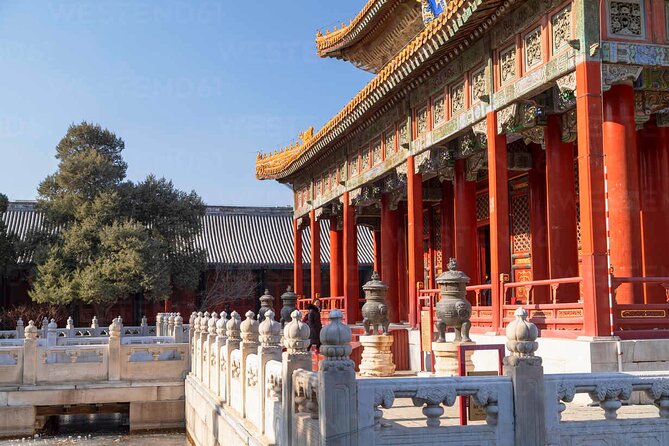
This ticket setup is meant to help you handle crowds. You’ll still be in a popular area, but arriving with pre-paid entry can reduce friction when you’re trying to get inside and start reading.
If you’re sensitive to crowds, aim for a calmer part of the day (earlier tends to feel easier at many Beijing attractions). Then use the time well: don’t rush through the steles. Crowds can make you feel like you need to keep moving, but this is one site where slowing down is the whole point.
Also, because this is a private tour/activity format for your group, you won’t be forced into a big group pace. It’s only your group participating, which often makes it feel less stressful and more controllable.
QR Codes and the One Thing I’d Double-Check
Here’s the most practical “don’t get caught off guard” point from real entry experience: sometimes QR codes can be inconsistent at the gate.
I’ve seen a situation where two QR codes were issued for two people, but only one worked at the temple entrance. The group still got through thanks to staff help, but the takeaway is simple: don’t assume every code will behave perfectly on the first try.
Before you head in, I’d recommend:
- Verify you received the correct number of codes for your group.
- Have your phone ready to show the codes and booking confirmation.
- Keep any contact phone info from the booking close at hand, just in case a staff member needs quick clarification.
This isn’t meant to scare you. It’s just smart travel hygiene for any ticket that relies on QR scanning.
English Guide vs Self-Guided: Pick Based on Your Style
This experience can work in two modes: self-guided entry with lots of English on-site, or an add-on English speaking tour guide if you select that option.
If you like independent travel, you’ll probably appreciate the English instructions and exhibit text. The museum format supports reading at your pace, and that pairs well with a thoughtful visit to the stone stele areas.
If you prefer tighter context—how to interpret what you’re seeing, why the imperial exam mattered, how to connect temple symbolism to education practices—then the guided upgrade can help. Even when the displays are clear, a guide can give you extra story that makes the carvings and halls feel less like lists and more like a system with motives.
Value Check: Is $8 Worth It?
For $8 per person, you’re paying for entrance fee access to two connected sites. Given what’s included, the value is strongest if you plan to spend real time reading.
The reason this ticket feels good at this price point is that you’re not only paying to walk into a courtyard. You’re paying to access:
- A major Confucius Temple site with meaningful historical elements.
- A museum built around the imperial college tradition.
- Stone steles that create a “slow down and read” experience.
If you’re going to spend just a few minutes inside, the value won’t feel as strong. But if you’re the type who enjoys inscriptions, educational history, and museum explanations, $8 is a very fair entry price for what you get.
Getting There and Making It Easy on Yourself
The sites are near public transportation, which is a big deal in Beijing. Temple-and-museum clusters can eat time when you’re stuck on the wrong bus route, so the location convenience helps you keep your day on track.
Also, because the activity is described as suitable for most travelers, you’re not signing up for a niche, physically demanding experience. You still will be walking through museum halls and temple grounds, but the core of the experience is observational rather than athletic.
If you’re building a day itinerary around major Beijing sites, this one works well as a “culture + context” anchor. It’s not a quick photo stop, but it’s also not so long that it eats your entire day.
Who Should Book This Ticket (and Who Might Not)
This is a great match if you:
- Like museums where you can read and learn at your own pace.
- Want to understand how education tied into governance through imperial systems.
- Enjoy Confucian cultural sites beyond the basics.
It might be less ideal if you:
- Prefer very guided, tightly structured tours and don’t want to read on your own.
- Are only interested in fast sightseeing and minimal time inside museums.
- Get overwhelmed by ticket entry processes that depend on QR scanning.
Still, even for self-guided travelers, the on-site English support makes it less intimidating than many similar historical museum experiences.
Should You Book Confucius Temple and Guozijian Entrance Ticket?
I’d book it if you want a high-information stop at a low entry cost. The best part is that this visit rewards time: the steles and museum explanations are the star, not just the architecture.
Choose the guided upgrade if you want someone to connect the dots quickly while you’re there. Choose self-guided entry if you’re comfortable reading and like traveling your own way.
And do one small homework step: confirm you have the right QR codes for everyone in your group before you arrive. It’s the kind of detail that can make the difference between a smooth entry and a stressful minute at the gate.
FAQ
How much does the Confucius Temple and Guozijian ticket cost?
The price is $8.00 per person.
What’s included with this ticket experience?
It includes the entrance fee. If you select the related option, it also includes an English speaking tour guide.
Do I need a guide to understand the sites?
No. There are English instructions and exhibits on-site, and you can also choose a guided tour upgrade if you want more historical storytelling.
How long should I plan for the visit?
The experience is about 1 day (approx.). Based on feedback, you may want around 2–3 hours to read through the museum information.
When will I receive my tickets?
Tickets will be sent 5 days before your travel date.
Is this activity private?
Yes. It’s a private tour/activity, and only your group will participate.
Where is the experience located and how do I get there?
It’s in Beijing, and it’s near public transportation.
How far in advance should I book?
On average, this is booked about 15 days in advance.
Can I cancel for a full refund?
Yes. You can cancel up to 24 hours in advance for a full refund.