REVIEW · BEIJING
4 Hours Private Discover Beijing Tour by Sidecar
Book on Viator →Operated by Beijing Sidecar Tours · Bookable on Viator
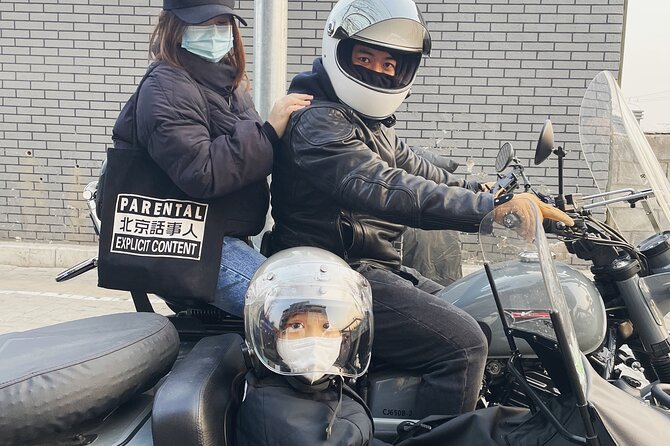
Riding a sidecar through Beijing feels like a shortcut. This private 4-hour tour gets you from central landmarks to quieter hutong lanes, with plenty of stops for photos and a guide who can explain what you’re actually seeing. You’ll get the city’s classic structure too, not just street scenes.
I really like two things about this outing: the ride itself through hutongs and close-by alley life, and how the route mixes big sights with smaller stops so you learn Beijing’s “why,” not only its “what.” You’ll also get a real guide experience from drivers like John (and sometimes called Johnny), who handle the day with clear storytelling and practical pacing.
One thing to plan around: it depends on good weather, and a sidecar ride can feel colder or noisier than you expect in the morning.
In This Review
- Key highlights worth your time
- Why a sidecar is a smart way to see Beijing’s alleys
- Stop-by-stop: Bell & Drum Towers, hutongs, and Houhai breaks
- The White Dagoba area at Miaoying Temple: calm stops with big context
- Niujie Mosque and Ox Street: where local food fits naturally
- Yongding Gate and the Ming City Wall area: the city’s edges matter
- What’s included in the ride (and what you should still bring)
- Price and value: how $129 fits a private 4-hour plan
- How the timing works (and how not to waste it)
- Who this sidecar tour is best for
- Should you book this private Discover Beijing sidecar tour?
- FAQ
- What time does the tour start?
- Is hotel pickup and drop-off included?
- How many people are in the sidecar, and can we switch seats?
- Is lunch included?
- Are entrance tickets included or do I pay separately?
- What happens if the weather is bad?
Key highlights worth your time
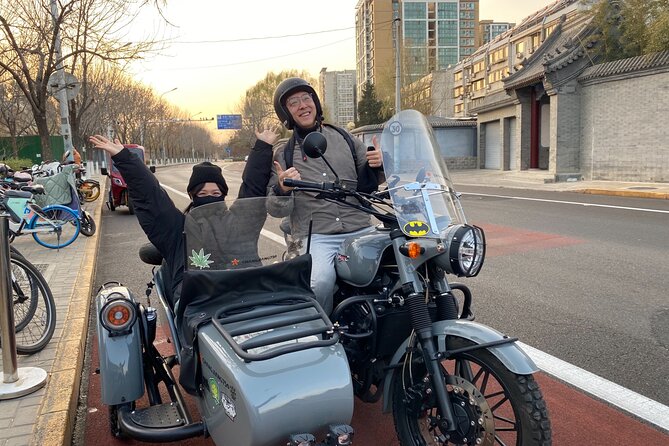
- Private sidecar access to narrow hutong lanes and photo-ready viewpoints
- Bell & Drum Towers plus the city’s layout early on, so the rest makes sense
- Houhai lake break with time to grab coffee or tea and reset
- Niujie Mosque area and Ox Street bites in Beijing’s Muslim neighborhood
- Miaoying Temple (White Dagoba area) and older religious sites along the route
- All-weather comfort basics: helmets, raincoat, water, and even a phone charging cable
Why a sidecar is a smart way to see Beijing’s alleys
Beijing can look orderly from big avenues, but the real city rhythm lives in smaller lanes. A sidecar tour does a better job than walking alone because you move fast between zones, then slow down where the details matter. You get views you’d never manage by bus, especially when the route turns into tight hutongs where car traffic can be a headache.
This tour is also built for first-time orientation. You start in the central area and work outward in a way that helps you understand Beijing’s long-used layout ideas—axes, gates, and the logic behind where famous places sit. That structure is why it’s easier to enjoy your next days instead of just collecting photos.
And because it’s private, you can set the vibe. If you want more time standing still for pictures near a landmark, the guide can usually flex within the 4-hour window. If you’d rather keep moving and minimize waiting, you can do that too.
You can also read our reviews of more private tours in Beijing
Stop-by-stop: Bell & Drum Towers, hutongs, and Houhai breaks
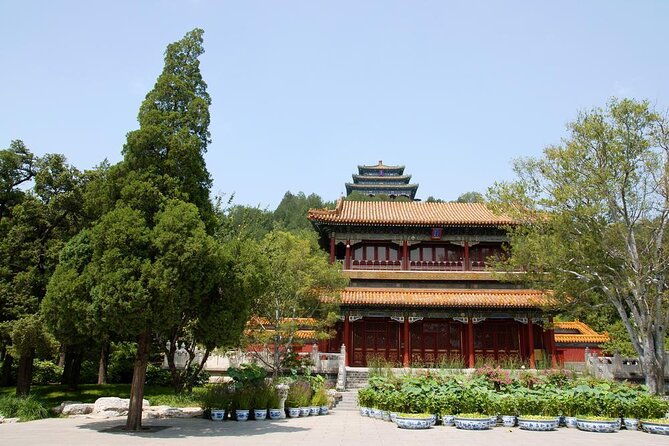
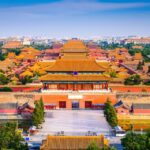
The day starts at 9:30 am with pickup from your hotel. From there, you head to the central axis for two major landmarks: the Bell and Drum Towers. These are easy to spot once you’re close, and the timing here is useful. You get a sense of Beijing’s monumental core early, while the route is still fresh and before you’re tired.
A standout part of this first segment is how you transition from big landmarks to traditional small alleys (hutongs). This is where the sidecar really earns its keep. You’re not just “passing by” residential lanes—you’re actually getting a feel for how narrow streets, walls, and local daily life connect.
Next comes Houhai, the lake area in the old hutong zone. The tour gives you time to enjoy the setting without rushing. There’s even a clear plan to ride along Houhai Lake and then pause for coffee or tea. For many visitors, this works like a reset button: you’ve been traveling and listening, and now you can slow down, look around, and decide what you want to explore next on your own.
Photo tip for this stretch: aim for a mix of wide shots (lake and surrounding lanes) plus close street-level angles (doorways, wall textures, and alley curves). From a sidecar position, you naturally get a higher viewpoint than walking, which helps.
The White Dagoba area at Miaoying Temple: calm stops with big context
After Houhai, the route heads south toward Miaoying Temple and the Temple of the White Dagoba (Baita Si) area. This stop is short on paper—about 15 minutes—but it’s placed for a reason. You’re moving along a corridor of historic sites, so the guide can connect what you saw in the city center to what sits farther out.
A temple stop like this works best when you treat it as a brief pause for orientation, not a full deep-dive. The tour sets you up to recognize the religious and historic significance without making you feel like you’re trapped in one location too long.
You’ll likely appreciate this segment if you enjoy:
- understanding why places are where they are in Beijing
- seeing older sites without committing a whole day
- getting quick context that helps you read the city later
The entrance is listed as free here too, which matters for budget-friendly sightseeing. And since the ride keeps you moving, you avoid the “one stop takes half the morning” problem that can happen with fixed-group tours.
Niujie Mosque and Ox Street: where local food fits naturally
One of the most practical parts of the itinerary is the stop at Niujie Mosque in the Niujie (Ox Street) area. The tour gives you around 30 minutes here, and it’s built around tasting something local—either local food plus coffee or tea or another beverage.
This is one of those rare sightseeing schedules where the food moment feels earned instead of random. After temple sights and street scenes, you’re ready for a break that’s sensory and social. You’re also in a well-known Muslim neighborhood area, which adds another layer to Beijing’s cultural map.
Even if you don’t plan to eat a lot, you’ll benefit from the structure: you get time where you can choose something quick, sit briefly if you want, and then move on without losing the thread of the tour.
Practical note: 30 minutes can be tight if the queue situation is slow. If you’re picky, decide what you’ll order before you start hovering.
Yongding Gate and the Ming City Wall area: the city’s edges matter
As the route continues, you pass by Yongding Gate, described as the south starting point of the old city central axis. This is one of those “quiet but useful” stops. You’re not necessarily getting a long visit here, but it gives your brain the bigger map. After that, the tour transitions into the Ming Dynasty City Wall Park area.
You then get a drive-through of antique parts of the city wall, described as linked to about 600 years of history. The time set aside is 15 minutes, and that’s the right scale for most visitors. You don’t need hours to see the wall’s presence and understand why it shaped movement, defense, and the feel of the city.
If you like history but hate long museum marathons, this is a good compromise: you get a feel for the scale of the wall and the axis layout, plus the advantage of being on a sidecar that keeps the viewpoint interesting.

What’s included in the ride (and what you should still bring)
This tour is more than transportation—it’s set up for comfort and convenience during city riding.
Included highlights:
- Helmets (so you don’t have to figure that out)
- Bottled water
- Raincoat
- Phone charge cable
- Hotel pickup and drop-off
- Professional driver/guide
- Lunch as Beijing local fast food or snacks
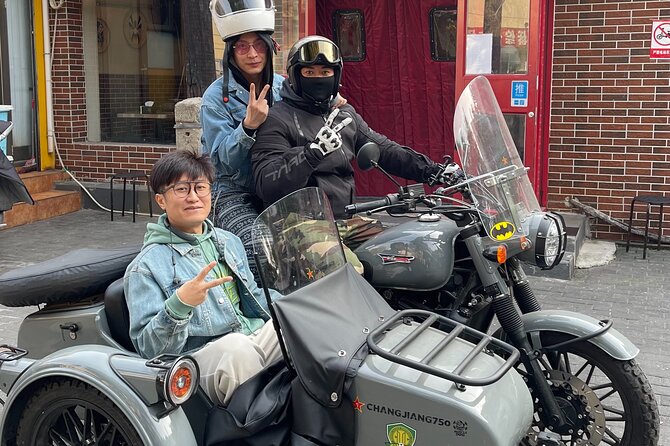
- Sidecar seating for two: one passenger in the sidecar and one behind the driver, with the option to switch halfway
That seat-switch detail is worth noting. If one person gets motion-sick or prefers a different viewing angle, you can adjust instead of committing to only one position for the full 4 hours.
What I’d bring anyway:
- sunglasses (temples and lake areas can catch bright glare)
- a light layer (morning rides can feel cooler)
- comfortable shoes for the short walks and alley pauses
Also, wear something you don’t mind getting a little dusty in alley lanes. Hutongs can be close and real, not polished.
Price and value: how $129 fits a private 4-hour plan
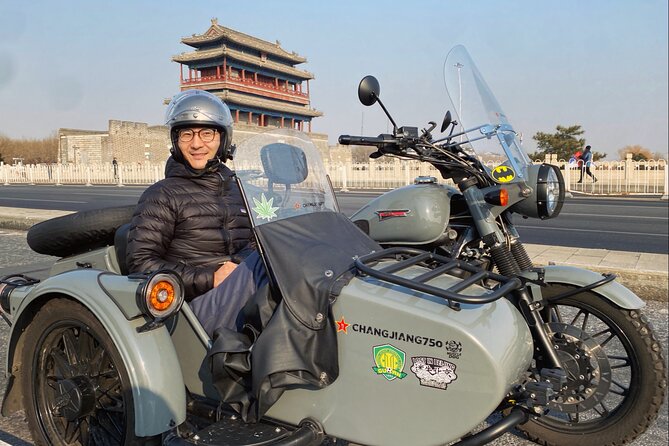
At $129 per person for about 4 hours, this is the kind of price that only makes sense if you’re buying three things at once: private guiding, a transport style that gets you into tight lanes, and built-in stops.
Here’s the value logic:
- Private format means the schedule bends to your group’s pace rather than fixed group logistics.
- You’re paying for access—the ability to move through places you’d struggle to reach efficiently on foot or by regular taxi alone.
- The itinerary is tightly planned: major orientation sights (Bell and Drum Towers, Houhai), cultural stops (Miaoying Temple), a neighborhood food moment (Niujie/Ox Street), plus city-structure context (Yongding Gate and the wall area).
Entrance tickets listed on the route are shown as free for key stops like Bell & Drum Towers, Miaoying Temple / White Dagoba area, Niujie, and the Ming City Wall Park segment. That matters when you’re budgeting for a “first day in Beijing” plan.
One more value point: the reviews repeatedly mention John/Johnny’s helpfulness—clear communication beforehand, friendly guiding, and practical touches like warm-weather or cold-weather comfort (including scarves) and using audio via Bluetooth helmets. Even if you only care about the ride, having someone who can explain what you’re looking at turns it from fun into useful.
How the timing works (and how not to waste it)
This tour is about 4 hours total, including pickup, riding, and short stop times. That’s a good length if you want a “Beijing orientation” day without burning your whole morning.
Here’s how to use the time wisely:
- Keep your phone charged. The tour includes a phone charging cable, but it’s still smart to bring your own power backup.
- Plan for quick decisions at food stops. The 30 minutes at Niujie is enough if you’re ready to order quickly.
- Take photos early, then slow down. The best shots come when you’re positioned and calm, not when you’re sprinting between stops.
If you’re sensitive to motion, consider asking at pickup about the seat-switch timing so you can alternate positions if needed.
Who this sidecar tour is best for
This experience is a great fit if you:
- want a first impression of Beijing beyond the obvious postcard spots
- enjoy street-level travel—especially hutong alley life
- like a mix of landmarks and local neighborhood texture
- value a guided explanation while still getting movement and variety
It may not be ideal if you:
- prefer very slow, long museum-style visits (this is short-stop, ride-focused)
- want a fully calm experience in every segment (the ride is part of the point)
- travel with strict needs for quiet or minimal sensory input
On the upside, the format says most people can participate, service animals are allowed, and it’s a private tour/activity, so you’re not stuck with random pacing.
Should you book this private Discover Beijing sidecar tour?
I’d book this tour if you’re arriving in Beijing and want a smart first-day plan that shows you central landmarks and real neighborhood lanes in one go. The private sidecar angle makes it feel special, but the schedule also stays practical: you get orientation, culture, and a food break without losing the thread.
I’d skip it or switch to another option if you hate cold mornings, expect poor weather, or you’re only interested in one big attraction. With this itinerary, the best results come when you’re open to a variety of stops and enjoy the ride as much as the destinations.
If you want Beijing to feel lived-in from day one, this is a strong bet.
FAQ
What time does the tour start?
The start time is 9:30 am.
Is hotel pickup and drop-off included?
Yes. Hotel pickup and drop-off are included.
How many people are in the sidecar, and can we switch seats?
The tour is set up for two passengers in one sidecar: one in the sidecar and one behind the driver. The materials note that you can switch half way possible.
Is lunch included?
Yes. Lunch is included as Beijing local fast food or snacks. Bottled water is also included.
Are entrance tickets included or do I pay separately?
The listed admission tickets for major stops like the Bell & Drum Towers, Miaoying Temple / White Dagoba area, Niujie Mosque area, and the Ming City Wall Park segment are shown as free in the tour details.
What happens if the weather is bad?
The tour requires good weather. If it’s canceled due to poor weather, you’ll be offered a different date or a full refund. Free cancellation is available up to 24 hours in advance for a full refund.