REVIEW · BEIJING
Chinese Kungfu class in old temple beside Forbidden Ci
Book on GetYourGuide →Operated by Bayi Teahouse · Bookable on GetYourGuide
Kungfu outside the big sights hits different.
This short class takes place in a 700-year-old hutong courtyard inside the Pudusi inheritance area, right by the east gate of the Forbidden City. Two things I really like: the setting feels genuinely local (not a staged studio), and the lesson focuses on practical technique you can use in everyday self-defense. One heads-up: it’s a one-hour training window, so it’s not the long, multi-day martial arts boot camp some people might imagine.
The instruction comes from a Shaolin-trained master who started learning at age five and knows multiple traditional styles, not just one form. English support is handled by a host/translator team, and Limeng shows up in multiple bookings as the person helping explain and keep things moving. The possible drawback is also the nature of the activity: you’ll sweat, so plan to finish warm and slightly messy.
In This Review
- A 700-Year Hutong Courtyard Next to the Forbidden City
- One Hour of Kungfu: Shaolin Basics With Real Self-Defense Use
- Your Teacher Matters: Patient Corrections and Multiple Style Knowledge
- Limeng and English Support: How the Lesson Stays Understandable
- Optional Tea Ceremony Start: A Calm Way to Begin
- What You Wear: Practice Suits Are Provided
- Price and Value: Why $45 Feels Fair for What You Get
- Where This Fits Best (And Where It Might Not)
- Quick Practical Tips Before You Go
- Should You Book This Kungfu Class?
- FAQ
- How long is the kungfu training?
- Where does the class take place?
- Is there English help during the class?
- What styles of kungfu will I learn?
- Do I learn self-defense as part of the lesson?
- Are kungfu suits included?
- Is cancellation possible if my plans change?
A 700-Year Hutong Courtyard Next to the Forbidden City
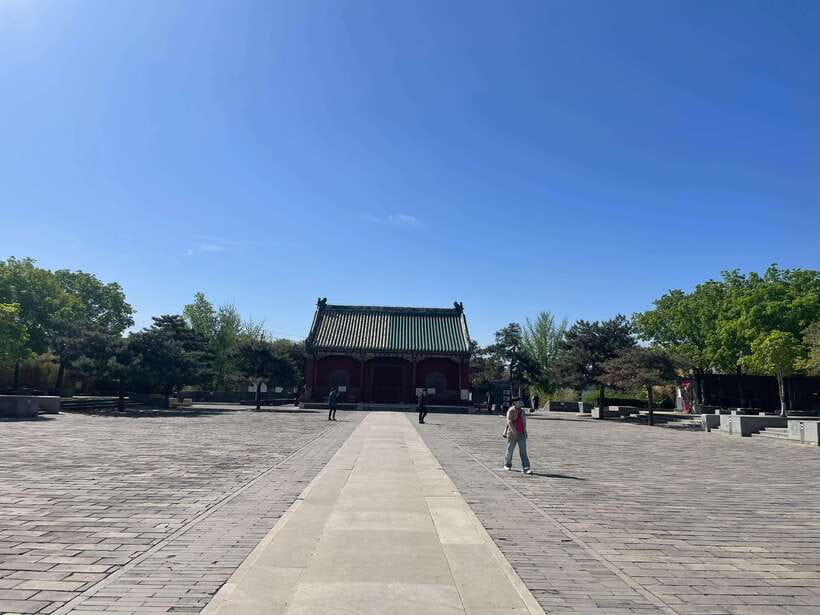
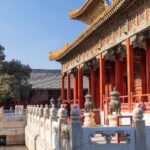
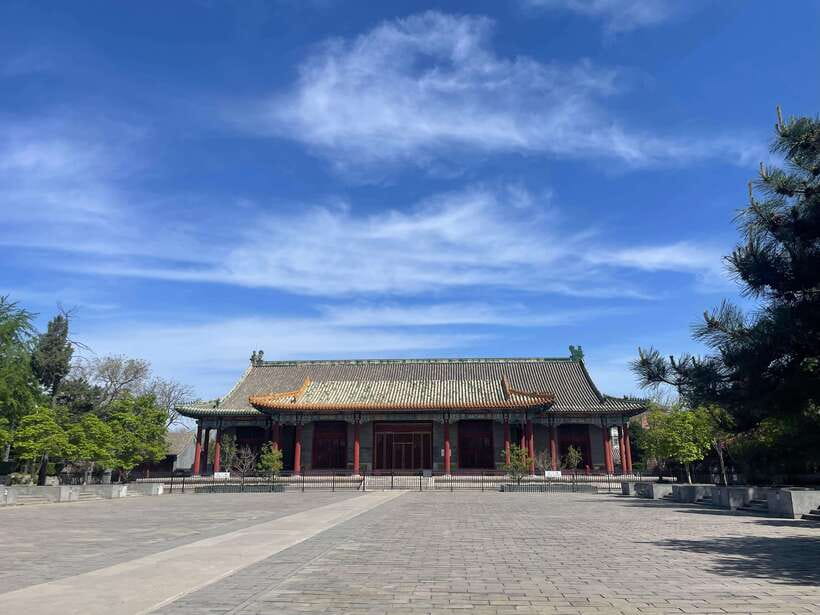
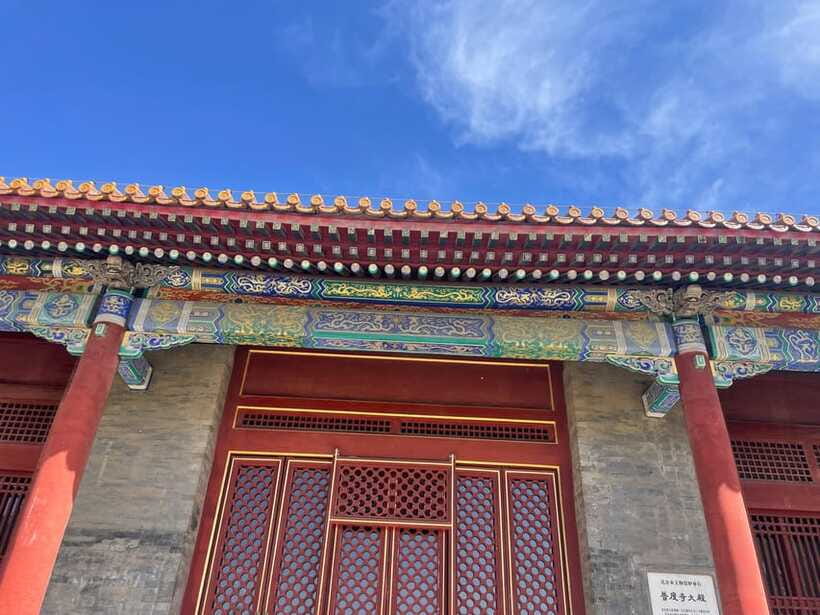
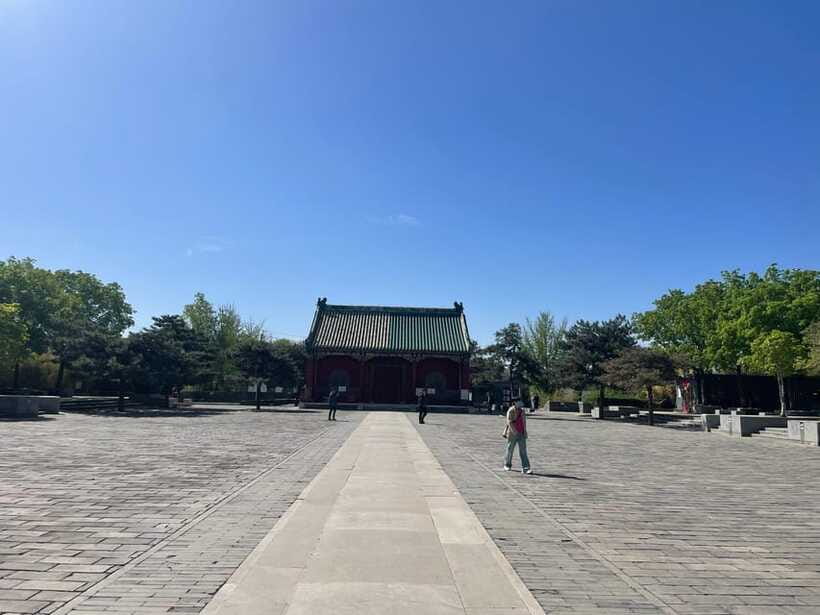
Beijing’s hutongs are the city’s lived-in fabric. This class puts you into one of those lanes, then into a courtyard that’s part of the Pudusi inheritance tradition—described as a royal temple inheritance tied to about 700 years of history. The practical value of this location is simple: you’re not learning martial arts as a performance for tourists. You’re learning it in the kind of space where local life and tradition have shared walls for generations.
And yes, you’re extremely close to the Forbidden City—specifically by the east gate area. That matters because you can pair the class with real sightseeing without feeling like you’re wasting time commuting across town.
What to expect in the space itself: a small, courtyard-style environment where movements feel grounded and direct. If you’re used to gyms or big studios, you’ll probably notice the difference right away. The sounds carry differently. The pace feels more personal.
One Hour of Kungfu: Shaolin Basics With Real Self-Defense Use
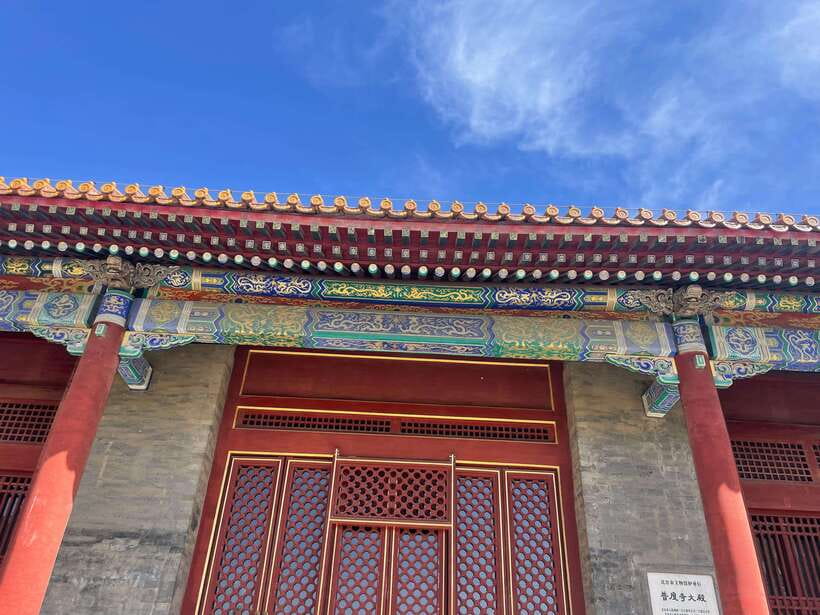
This experience is built around a single training session that introduces Chinese kungfu basics and then connects technique to practical situations. The class is about one hour, and it’s specifically designed to go beyond memorizing moves. You learn how the motions work, then how to apply them in a way that makes sense in casual life.
The structure you’ll likely feel (even if nobody labels it this way) goes like this:
- Warm-up and fundamentals: basic training to get your body moving the right way.
- Core kungfu principles: the idea behind the technique—stability, alignment, and controlled movement.
- Technique practice: hands-on drilling of movements and forms.
- Practical application: how to defend yourself, explained in straightforward terms, not just theatrical choreography.
The master’s background matters here. He’s trained in Shaolin and multiple traditional styles, and the focus is not only on demonstrating skill. The teaching angle is practical: he’ll guide you toward using techniques for self-defense and attack movement concepts, with corrections as you go. If you want a class where you learn what to do with your body when things happen fast, this is the right format.
You can also read our reviews of more tours and experiences in Beijing
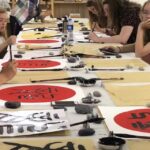
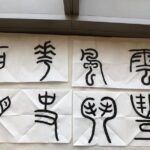

Your Teacher Matters: Patient Corrections and Multiple Style Knowledge
A lot of martial arts instruction is either too vague or too performance-heavy. This one is the opposite. The teacher is presented as well trained since early childhood in Shaolin, and skilled in various traditional forms. The key point for you: you’re not just watching. You’re practicing—and getting corrected.
Multiple bookings highlight that the master is patient, and that the teaching is personalized enough to help beginners. If it’s your first time trying kungfu, you’ll likely appreciate the fact that the class isn’t assumed to start with advanced athleticism.
You’ll also have English support during explanation and translation, which helps you understand what you’re doing and why. That’s the difference between moving your arms and learning a real skill.
If you’re nervous about being “bad” at it, this is worth noting: the class is set up for learners. People who are brand-new walk away with fundamentals they can keep practicing after the lesson.
Limeng and English Support: How the Lesson Stays Understandable
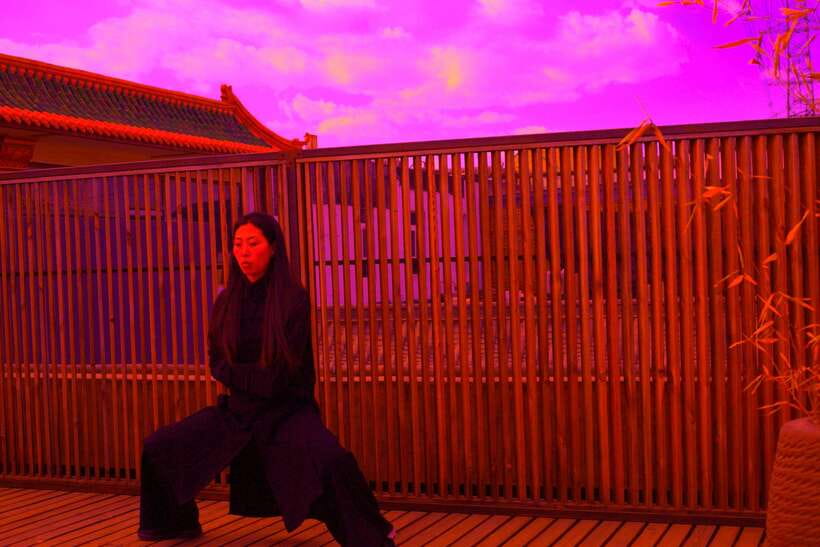
Kungfu classes can get lost in translation fast—especially when teachers are speaking in technical terms. Here, English support is clearly part of the experience. The host/greeter is described as English-speaking, and in many bookings Limeng acts as the translator and guide.
What that means for your time on the ground: you’ll get help connecting the dots. You’ll also be able to ask basic questions and get responses that fit what’s happening during practice, not generic explanations from five steps back.
This matters even more because the class includes practical self-defense concepts. If you don’t understand the intent behind a move, it becomes just a pattern. With translation support, the intent lands.
Optional Tea Ceremony Start: A Calm Way to Begin
Some bookings include an additional start element—like a tea ceremony—before the kungfu practice. In at least one described flow, the day begins with a tea ceremony at a local house in the hutong. The guide explains details, you try two types of tea, and there’s even a small snack with it. That tea part lasts about an hour, then the group moves on to the park/temple area for the kungfu session.
If you choose that version, it changes the tone of the whole experience. Instead of jumping straight into training, you get a slower start that matches the local setting. Tea gives you a cultural “breathing space” right before you use your body.
If tea isn’t included in your specific booking, you can still treat the experience as culture-first. The courtyard setting and temple inheritance vibe already do the heavy lifting.
What You Wear: Practice Suits Are Provided
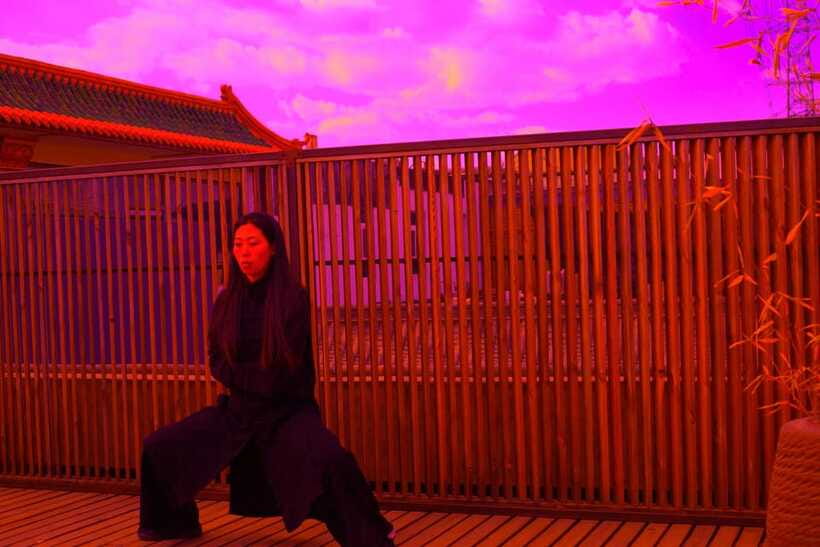
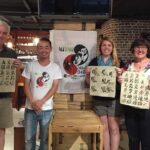
You don’t have to show up in a kungfu costume. The experience includes traditional kungfu practising suits—described as two suits (an outer and an inner each) plus pants. If you want to buy a uniform afterward, you can contact the provider to choose size and color.
That’s a real convenience. Martial arts clothing is one of those details that can scare beginners, because you don’t want to look wrong or feel uncomfortable. Here, the suit support lowers the barrier.
Still, use common sense. One booking specifically recommends bringing an extra t-shirt to change afterward, because you’ll be sweaty from practicing. You might also want to plan a quick change for photos and a comfortable ride afterward.



Price and Value: Why $45 Feels Fair for What You Get
The price is $45 per person, and value here comes from the combination, not from one single feature.
You’re paying for:
- a professional kungfu master (Shaolin-trained, multiple styles)
- an English-speaking guide/translator support system
- hands-on practice with practical self-defense concepts
- a short session time that still includes explanation and correction
- traditional practice suits provided for you to use during training
In a city like Beijing, this mix is what makes it feel like more than a quick photo stop. You’re not just touring an area. You’re learning a skill in a place with real context. The one-hour format also keeps the cost reasonable—this isn’t a long program that assumes you’ll commit to hours of daily training.
Also, the high satisfaction level is a clue about value. The rating shown is 4.8 from 53 reviews, which suggests people feel they’re getting real instruction, not just a scripted demo.
Where This Fits Best (And Where It Might Not)
This experience is ideal if you:
- want traditional kungfu instruction tied to Chinese culture
- like hands-on learning over watching a performance
- are curious about Shaolin and traditional forms but don’t want a huge time commitment
- appreciate English support and clear translation for practical concepts
- want an authentic hutong day that doesn’t feel like a tourist production
It may be less ideal if you:
- expect a full training program lasting multiple days
- want heavy fitness conditioning or long sparring sessions
- need a long, slow lesson without any intensity
Keep your expectations tight and you’ll enjoy it more. Think: fundamentals plus practical use, taught in a structured, beginner-friendly way, in a meaningful setting.
Quick Practical Tips Before You Go
A few things that can make your session smoother:
- Bring an extra t-shirt for after practice (you’ll warm up and sweat).
- Wear something you can move in easily, since you’ll be practicing techniques.
- If you’re booking with English support, don’t be shy about asking basic questions—translation is part of the experience.
- If you’re also doing tea ceremony, plan for a longer morning rhythm before you head to other sights.
Should You Book This Kungfu Class?
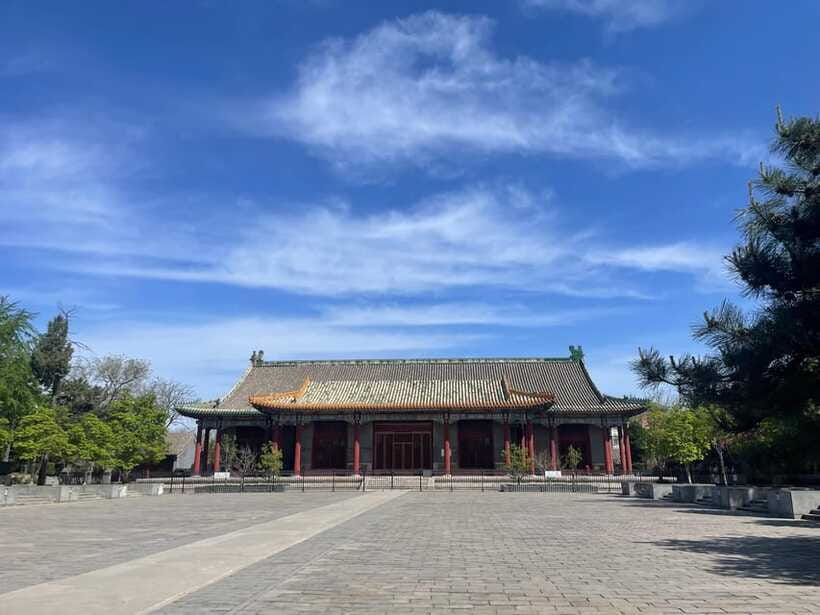
If you’re in Beijing and you want one standout, hands-on cultural activity—this is an easy yes. The location alone is special: a hutong courtyard linked to royal temple inheritance next to the Forbidden City area. Then you add real instruction from a Shaolin-trained master, with English support and practical self-defense focus. That combination is what makes the experience worth your time and money.
Book it if you want to leave with something tangible: movements you can practice, principles you understand, and a sense of Chinese kungfu that isn’t just about looking good.
Skip it only if you’re hunting for a long martial-arts course or a high-adrenaline combat workout. This is skill-building, not a fight tournament.
FAQ
How long is the kungfu training?
The class is described as a one-hour session focused on basic Chinese kungfu training and practical use of techniques.
Where does the class take place?
It’s held in a hutong area inside the Pudusi inheritance, located right beside the east gate of the Forbidden City.
Is there English help during the class?
Yes. The experience includes an English-speaking host/greeter, and translation support is provided during instruction.
What styles of kungfu will I learn?
You’ll learn Shaolin kungfu along with different styles of traditional Chinese kungfu, introduced and demonstrated by the master.
Do I learn self-defense as part of the lesson?
Yes. The class includes practical use of kungfu techniques, with self-defense and attack movement concepts explained and demonstrated.
Are kungfu suits included?
Yes. Traditional practising suits are provided, including an outer and inner suit plus pants. If you want to buy one, you can contact the provider for size and color.
Is cancellation possible if my plans change?
Yes. Free cancellation is offered up to 24 hours in advance for a full refund.
If you want, tell me your travel dates and whether you’re planning a morning or afternoon around the Forbidden City. I can suggest a smooth day plan that keeps the kungfu class from turning into a time-sink.