REVIEW · BEIJING
Beijing Wangfujing Calligraphy Class by Forbidden City
Book on Viator →Operated by Hutong Calligraphy Class · Bookable on Viator
Ink is a souvenir you make. This Beijing Wangfujing calligraphy class is a straightforward, hands-on way to learn how Chinese characters come to life with brush, ink, and rice paper, in about an hour. It’s also family-friendly, which matters when you’re trying to keep the day fun for everyone.
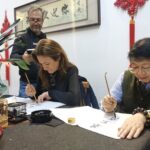
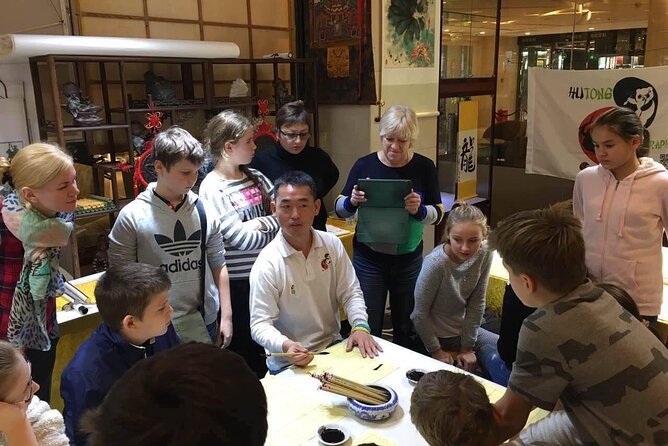
I love the hands-on calligraphy practice using classic tools like brushes, rice paper, and inkstones. I also love that you learn with an English-speaking teacher (Richard) and can write real characters like 福, not just watch from the sidelines.
One possible drawback: the class is short, so you’ll get a solid start—not a full mastery course. If your goal is advanced technique, you’ll likely want extra practice after class.
In This Review
- Key Highlights You’ll Care About
- Why Wangfujing Calligraphy Feels Like Real Culture, Not a Show
- Inside the Class: Tools, Strokes, and Seal Carving Basics
- Meeting at Hilton Wangfujing: Getting There Without Headaches
- Picking Your Time Slot: 30 Minutes vs 90 Minutes vs 2 Hours
- Teaching Style: Clear English, Real Feedback, and Space for Questions
- What You’ll Actually Walk Away With
- Value Check: Is $20 for Calligraphy in Beijing Worth It?
- Who This Class Is Perfect For (And Who Might Want Something Else)
- Practical Tips So Your Session Goes Smoothly
- Should You Book the Beijing Wangfujing Calligraphy Class?
- FAQ
- How long is the Beijing Wangfujing calligraphy class?
- What is included in the price?
- Where does the class meet?
- Is the class ticket included?
- How big is the group?
- Is there a mobile ticket?
- Can most people participate?
- Are gratuities included?
- Can I cancel for a full refund?
Key Highlights You’ll Care About
- Downtown Wangfujing location makes it easy to slot into a sightseeing day in central Beijing
- Flexible session lengths (you choose during booking: 30 minutes, 90 minutes, 1 hour, or 2 hours)
- English instruction with Q&A so you can ask what the strokes and tools actually mean
- Traditional materials included—brushes, rice paper, inkstones, plus seal carving
- A kid-friendly indoor vibe with tea, and a bookstore-like setting that keeps things relaxed
Why Wangfujing Calligraphy Feels Like Real Culture, Not a Show
Calligraphy is one of those Chinese arts that sounds fancy until you see how physical it is. In this class, you don’t just learn facts; you practice the act itself—moving a brush in ink, controlling pressure, and understanding strokes as language you can feel.
What makes this experience especially useful on a Beijing trip is that it’s grounded and specific. You’re learning how characters are formed, and the teacher explains the why as you work. That turns a generic cultural activity into something you’ll remember because your own hand made it.
Also, this is priced like an activity, not a big-ticket workshop. At $20 per person, it’s a good option when you want something meaningful that won’t blow up your budget.
You can also read our reviews of more city tours in Beijing

Inside the Class: Tools, Strokes, and Seal Carving Basics
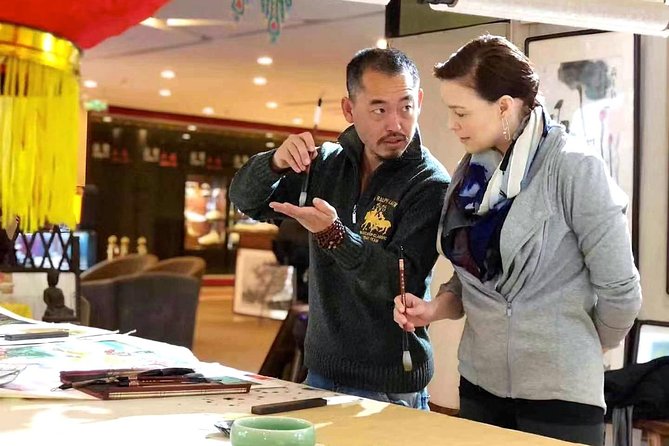
The class centers on learning the ancient practice of calligraphy through the core components: brush technique, ink strokes, and the paper and stone that make traditional writing possible. You’ll be guided on the role of each tool—what it does and how it affects the final mark.
You can expect instruction on:
- Brush and ink strokes, including how control creates different character shapes
- Rice paper as the surface that receives ink in its own way
- Inkstones and ink, which are part of the classic workflow
- Seal carving, which connects calligraphy to Chinese visual identity and tradition
This is the kind of lesson that makes the art feel less mysterious. After you go through the steps, you’ll understand why calligraphy isn’t just writing—it’s a style of thinking about rhythm, balance, and form.
Meeting at Hilton Wangfujing: Getting There Without Headaches
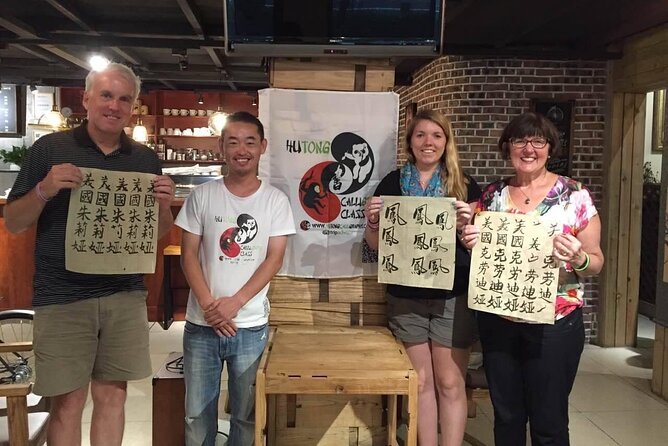
The meeting point is at Hilton Beijing Wangfujing, at No. 8 Wangfujing Dongjie, Dong Cheng Qu, 100006. Ending back at the meeting point keeps it simple, especially if you’re planning a day around major sights.
The class itself is in downtown Beijing in the Wangfujing area, so you’re not forced into a long commute. One practical bonus: the group is capped at 15 travelers, which usually means you don’t feel lost in a crowd.
In at least some sessions, the setting feels like a bookstore and stays air-conditioned, with tea served as part of the relaxed flow. That matters when you’re touring in hot or busy weather—you can take a breath without giving up the cultural activity.
Picking Your Time Slot: 30 Minutes vs 90 Minutes vs 2 Hours
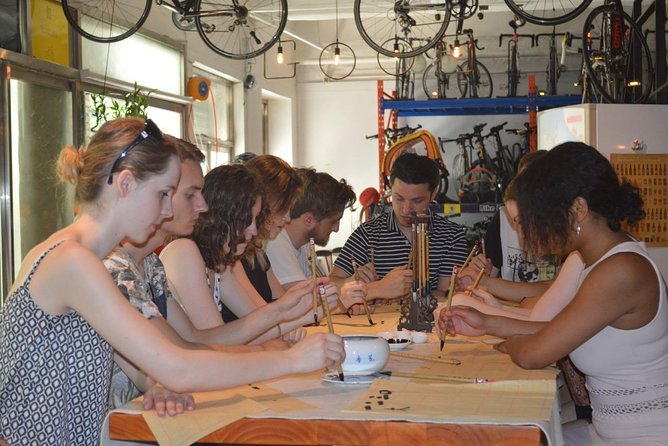
You choose the length when you book: 30 minutes, 90 minutes, 1 hour, or 2 hours. The usual duration you’ll see advertised is about 1 hour, but the availability of shorter and longer options is a smart feature.
Here’s how to think about it:
- 30 minutes works if you want a quick taste: learn the basic idea, practice a character or a few strokes, and leave with something you made.
- 90 minutes is the sweet spot when you want more time for guidance and repetition. You’ll have a better chance to improve what you try the first time.
- 2 hours is for families and people who want time to ask questions and slow down. It’s also useful if you’re hoping to finish a more polished piece.
If you’re visiting with kids, longer sessions can be easier psychologically. Instead of rushing, you get a steadier rhythm. If you’re on a tight schedule, the shorter slots let you keep momentum for the rest of your sightseeing day.
Teaching Style: Clear English, Real Feedback, and Space for Questions
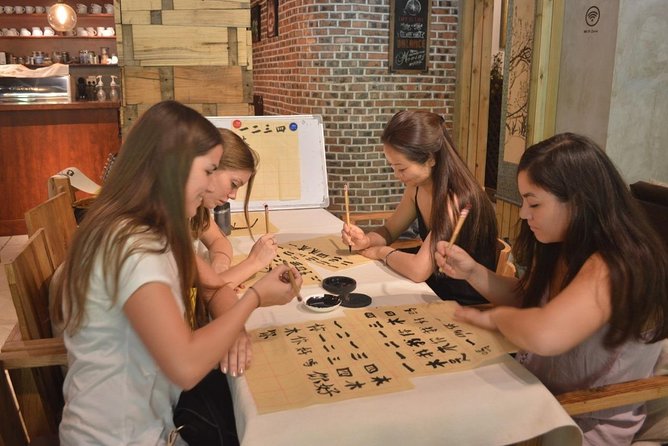
A big part of why this class earns such strong scores is the instruction quality. You get an excellent English calligraphy teacher, and the format is built around practice with time to ask questions.
The teacher name that comes up in the experience is Richard. People appreciate his approach because he explains how to write and helps you understand what you’re doing while you’re doing it. That’s the difference between a “craft demo” and a real learning session.
You also get a chance to write in a guided way, including mandarin characters. One example mentioned is learning how to write happiness (福). When you practice a meaningful character, the activity becomes more than a technique lesson—it becomes a cultural moment.
The class also includes calligraphy suppliers to use during the session, so you’re not trying to figure out tools you don’t have. You can focus on the learning instead of hunting for materials.
You can also read our reviews of more tours and experiences in Beijing
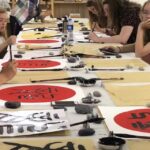
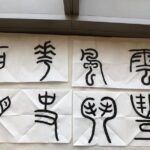


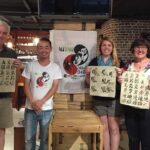
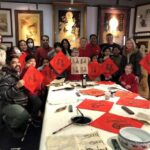
What You’ll Actually Walk Away With
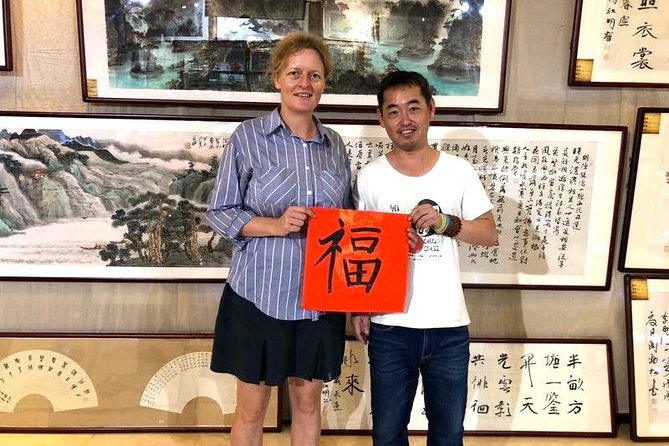
This is one of the best reasons to choose a class like this over a quick photo stop. You don’t just leave with memories—you leave with something tangible created by you.
In the most positive descriptions of the experience, participants learn characters and then paint them onto a decorative board. That means the “souvenir” isn’t a generic postcard. It’s a piece of writing you helped make, which feels more personal and lasts longer on your wall.
Even if you don’t leave with a board in your specific session length, you can still expect a learning outcome built around practice: you’ll have worked with brush, ink, and rice paper under guidance.
Value Check: Is $20 for Calligraphy in Beijing Worth It?
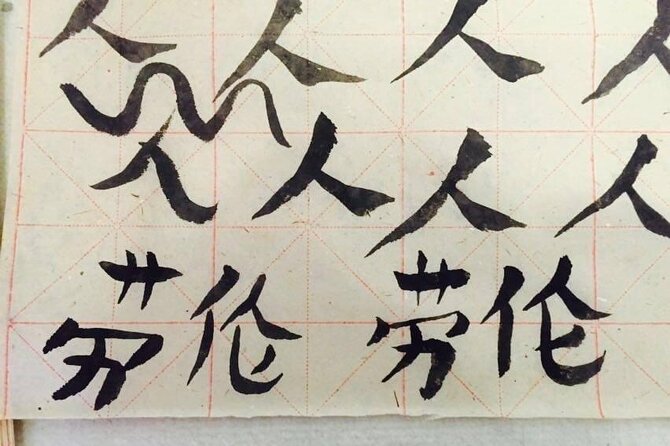
At $20 per person, you’re paying for three things that are hard to recreate on your own: expert instruction, traditional materials, and time.
Here’s why that adds up:
- Instruction: You’re getting a teacher who guides strokes and answers questions in English.
- Tools and supplies included: Brushes, rice paper, ink-related materials, and calligraphy supplies are part of the session.
- Time with practice: A short class still beats watching a video because your hand learns from repetition.
You’ll also get a couple of practical perks: group discounts and a mobile ticket option. Group discounts matter if you’re traveling with family or friends and want one activity that everyone enjoys without planning separate tours.
The only caution is expectations. For $20, you’re not buying a full lifelong calligraphy curriculum. You’re buying a focused introduction and a chance to create a small, meaningful piece of art.
Who This Class Is Perfect For (And Who Might Want Something Else)
This is a strong fit for:
- Families with kids who want a calm, hands-on activity that doesn’t require “big kid” patience
- Adults who love culture but get tired of only museums and monuments
- People who like making something, even if you think you’re not artistic
The class is described as being fun for both adults and children, and the indoor, tea-included vibe helps keep energy positive. When kids have an outcome—like writing a character such as 福—it’s easier for them to feel proud instead of restless.
If you’re already a serious calligrapher, you might find this class more introductory than transformative. But if your goal is understanding the basics and practicing with a teacher, it can be a satisfying add-on to your Beijing itinerary.
Practical Tips So Your Session Goes Smoothly
You don’t need special equipment since the class provides the materials. What you should do is bring the right mindset.
- Arrive ready to follow the teacher’s pacing. Calligraphy learning depends on timing and repeatable motion.
- Be ready with questions, even simple ones. If you wonder what a stroke is doing or why a character looks a certain way, ask.
- Pick your session length based on your energy. Short sessions are great for momentum; longer sessions help you slow down and improve.
Also remember that gratuities aren’t included. If you feel the instruction was great, plan to tip, as recommended.
Should You Book the Beijing Wangfujing Calligraphy Class?
Book it if you want a cultural experience that’s practical, hands-on, and actually teaches you something you can use. The 5-star rating (with 58 reviews and a 100% recommendation) is a strong signal that the format works for a wide range of ages and backgrounds.
Skip it if your priority is a deep dive into advanced technique. This is designed as an accessible class that helps you practice basics and create a piece you can take home or frame.
If you like the idea of writing a meaningful character, using real tools, and learning with clear English instruction in a small group capped at 15, this is one of the easier wins you can make in Beijing.
FAQ
How long is the Beijing Wangfujing calligraphy class?
The class is about 1 hour on average, but you choose your session length during booking. Available options include 30 minutes, 90 minutes, 1 hour, or 2 hours.
What is included in the price?
Included items are the selected calligraphy class length, an excellent English calligraphy teacher, and the calligraphy supplies used during the class.
Where does the class meet?
The meeting point is Hilton Beijing Wangfujing, No. 8 Wangfujing Dongjie, Dong Cheng Qu, 100006.
Is the class ticket included?
Yes. The admission ticket is included.
How big is the group?
The group size has a maximum of 15 travelers.
Is there a mobile ticket?
Yes, this experience includes a mobile ticket.
Can most people participate?
Yes. The experience notes that most travelers can participate.
Are gratuities included?
No. Gratuities are not included, and tipping is recommended.
Can I cancel for a full refund?
Yes. You can cancel for a full refund if you cancel at least 24 hours before the start time. Free cancellation is available.
If you want, tell me which session length you’re considering (30/90/1 hour/2 hours) and whether you’re going with kids. I’ll help you pick the best option for your schedule.