REVIEW · BEIJING
From Beijing: Small Group Hike at Jinshanling Great Wall
Book on GetYourGuide →Operated by Great Wall Hiking Adventure · Bookable on GetYourGuide
A walk on the wild side of the Great Wall feels rare. Jinshanling is packed with watchtowers, steep climbs, and big open views, and the experience stays calm thanks to a max 12 person group. The route also mixes original, rough sections with areas that have been restored, so you see how the wall evolved with time and repairs.
The main drawback is physical: this is real uphill stair climbing, and the Wall itself has no toilets, so you’ll need smart timing and bring toilet paper.
In This Review
- Key takeaways
- Why Jinshanling East is the Great Wall hike worth your legs
- Dongzhimen to Jinshanling: the 9-hour shape of your day
- The hike itself: wild watchtowers, steep stairs, and photo-ready viewpoints
- Restored sections meet original ruin: what changes as you walk
- Lunch at a local farmer’s restaurant: what to expect after the climb
- Small group comfort: calm, maps, and drivers who actually make it easy
- Price and value: what $52 buys you on this section
- Season check: winter closures, steps, and safety realities
- Should you book this Jinshanling small-group hike?
- FAQ
- Where do I meet the group in Beijing?
- When do I start hiking?
- How long is the Great Wall hike?
- Is lunch included?
- Are entrance fees included?
- What supplies are included for the hike?
- Is there a toilet on the Wall?
- Do I need to bring anything besides a passport or ID?
- Is the cable car included?
- Can I cancel and get a full refund?
Key takeaways
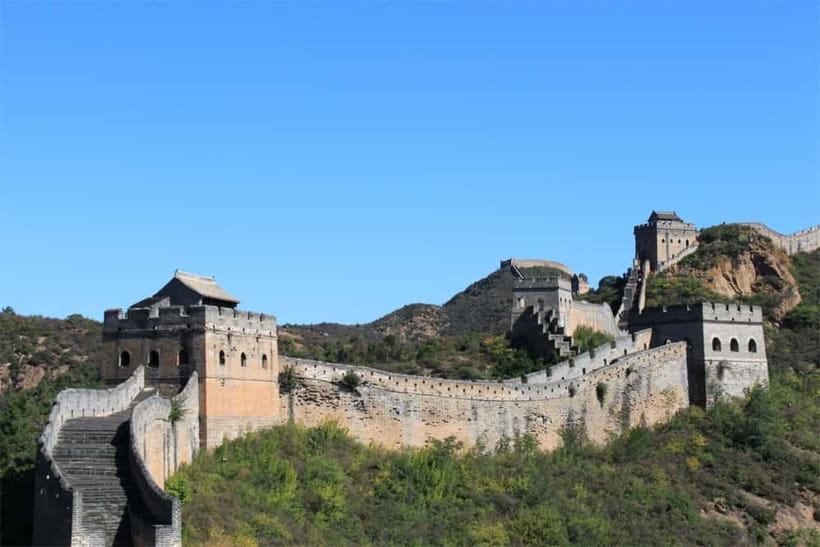
- Wild watchtowers on Jinshanling East: more ruined, original-looking sections and lots of towers to photograph.
- Small group pace (up to 12): you get structure without the big-tour crush.
- Steep, step-heavy hiking: plan for sore legs and slower-than-you-think time.
- Water and trekking poles provided: makes a big difference once you’re on the stones.
- A real local lunch stop: you’re eating at a farmer-style restaurant, not a tourist mall.
- Season changes the route: some winter sections can be closed, so expect a different loop.
Why Jinshanling East is the Great Wall hike worth your legs
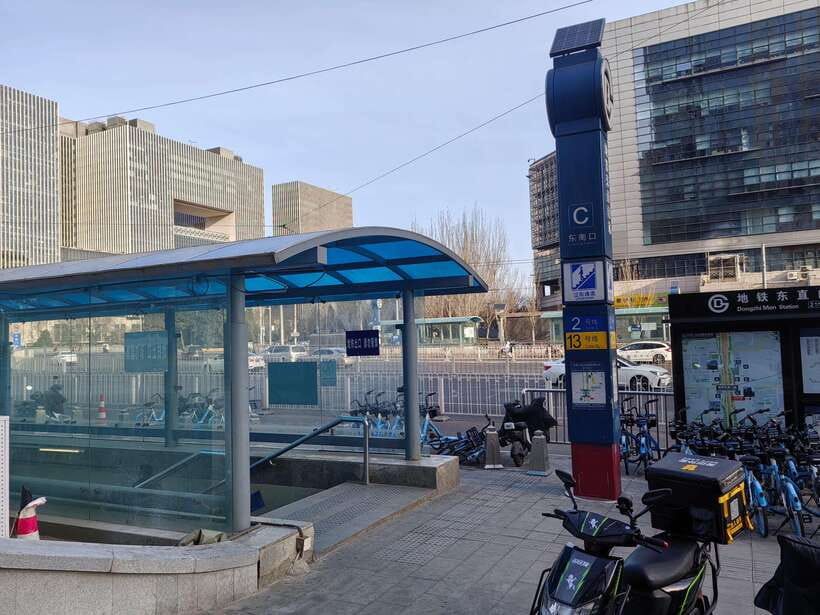
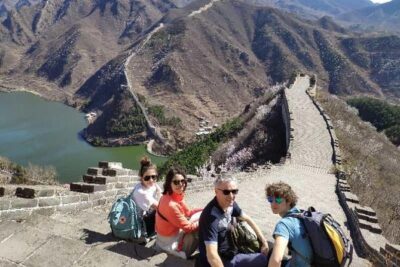
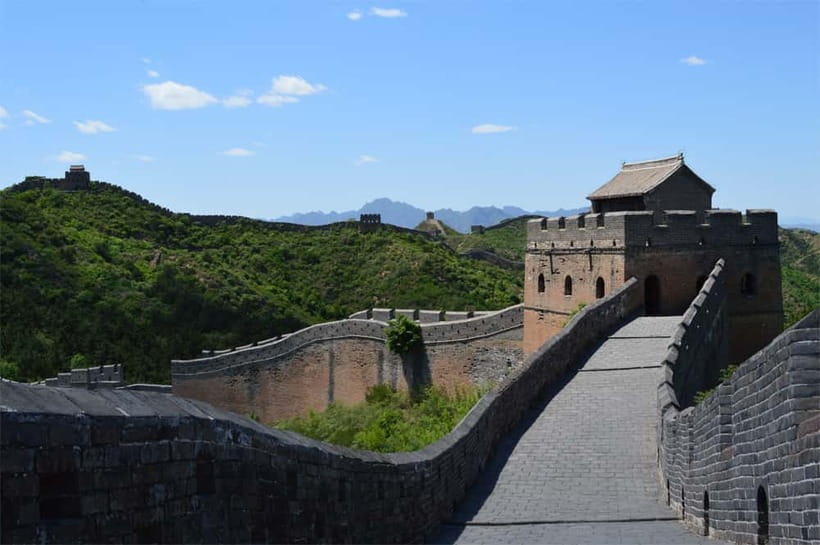
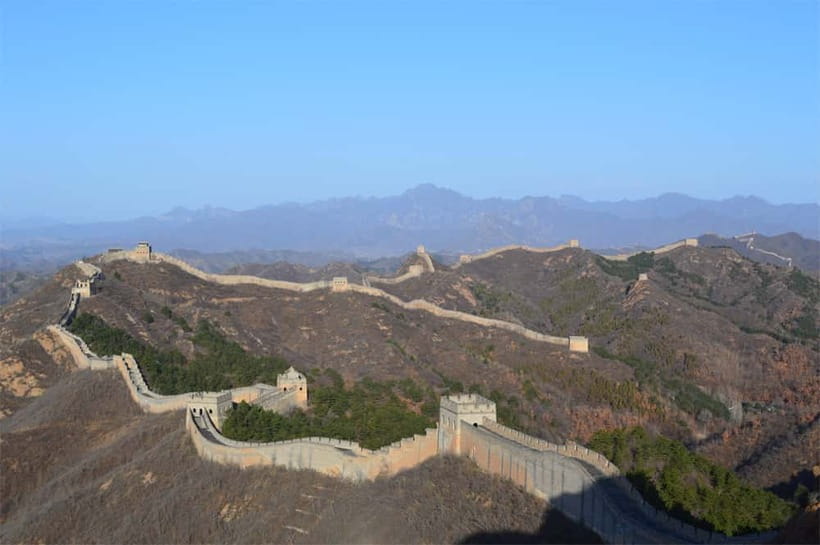
If your idea of a Great Wall day is crowded steps and constant jostling, this isn’t that. Jinshanling East is where the wall feels more like a hike trail you chose, not a conveyor belt you’re stuck in. The star here is variety: you’re moving through a patchwork of preserved, ruined, and repaired sections, with over 15 watchtowers showing up along the way.
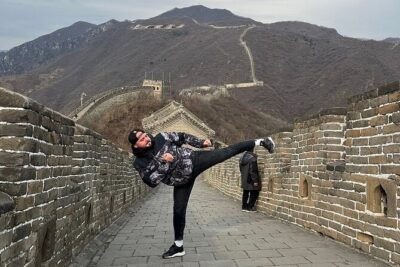
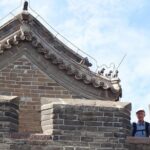
I love that the watchtowers aren’t cookie-cutter. You’ll see different tower shapes and levels, from two-storey to three-storey designs, plus flat, rounded, and pitched roofs. Even when you’re not trying to take photos, these details keep your eyes busy and make the walk feel longer in a good way.
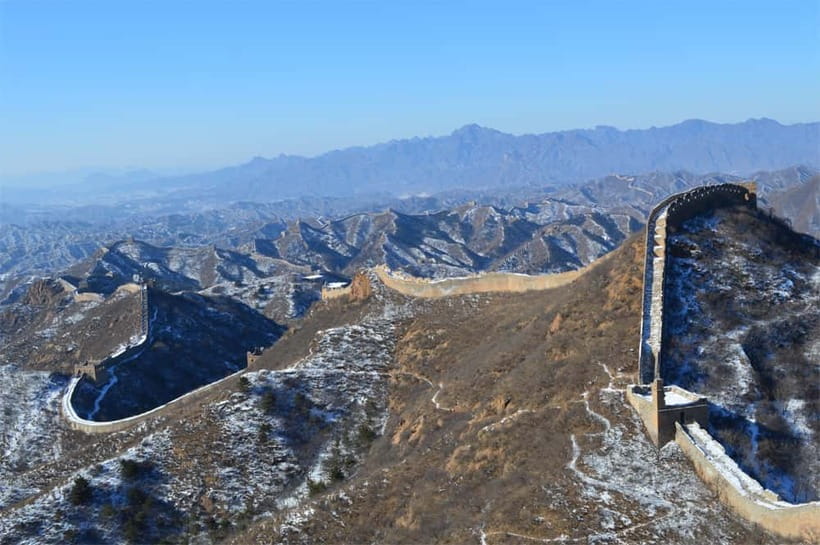
The photo advantage is practical, not just aesthetic. On a clear day, you get wide views plus tower-to-tower sightlines, which means you can frame shots in multiple directions rather than facing one busy “main view” all day. That’s the kind of variety that makes your pictures look intentional even if you’re just stopping when something catches your eye.
You can also read our reviews of more hiking tours in Beijing
Dongzhimen to Jinshanling: the 9-hour shape of your day
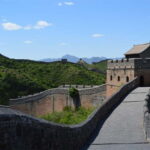
This is structured as a full day from Beijing, built around one big hiking window. You’ll meet at 8:00am at Exit C of Dongzhimen Station (Subway lines 2 and 13), then take an air-conditioned van drive out to Jinshanling.
The timing is set up so you don’t arrive and rush. You start hiking around 10:30am, with roughly a 3-hour walk planned from Jinshanling East toward the main gate. After that, you’ll do lunch at a local farmer’s restaurant, then return to Beijing for the full-day experience clocking in at about 9 hours total.
One small timing note to keep your energy honest: on some days and seasons, the hiking time can run closer to 4 hours, especially when closures change what’s open. So if you’re the type who worries about being late, don’t treat the schedule like a stopwatch. Instead, think of it as a reasonable plan with room for breaks and steep-step pacing.
Also, expect a real “day pack” requirement. Unlimited bottled water is stored in the provider’s vehicle, so bring something small you can carry once you’re out on the wall.
The hike itself: wild watchtowers, steep stairs, and photo-ready viewpoints
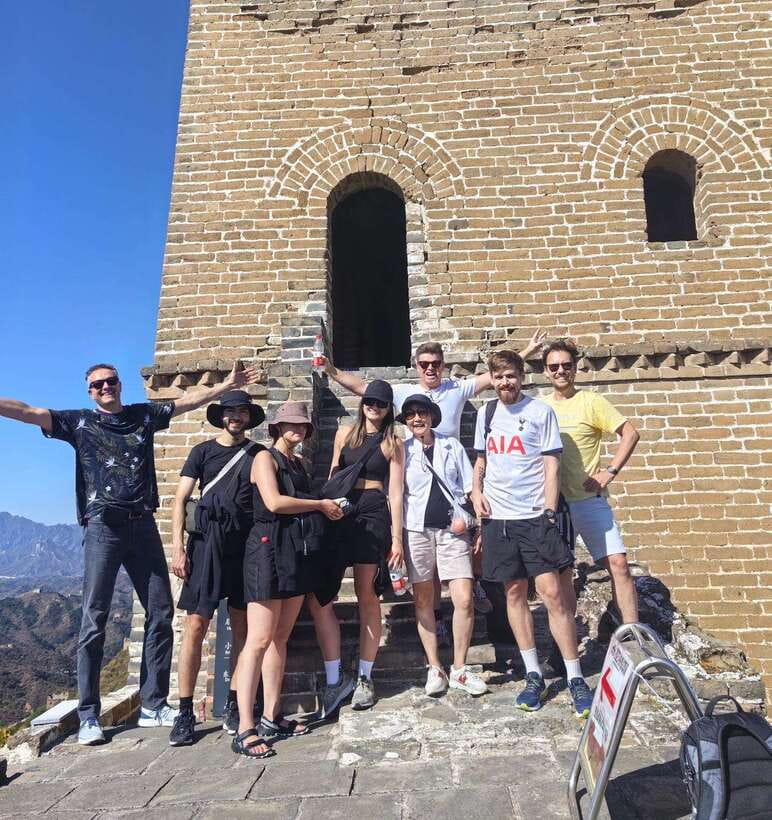
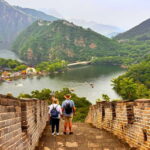
This is the main event, and it’s demanding in the best way. The route between Jinshanling East and the main gate gives you nonstop changes in perspective—steep gradients that force you to look up and across, plus open sightlines that pop between towers. You’re not doing one long flat grind; you’re climbing and turning enough that it stays interesting mile after mile.
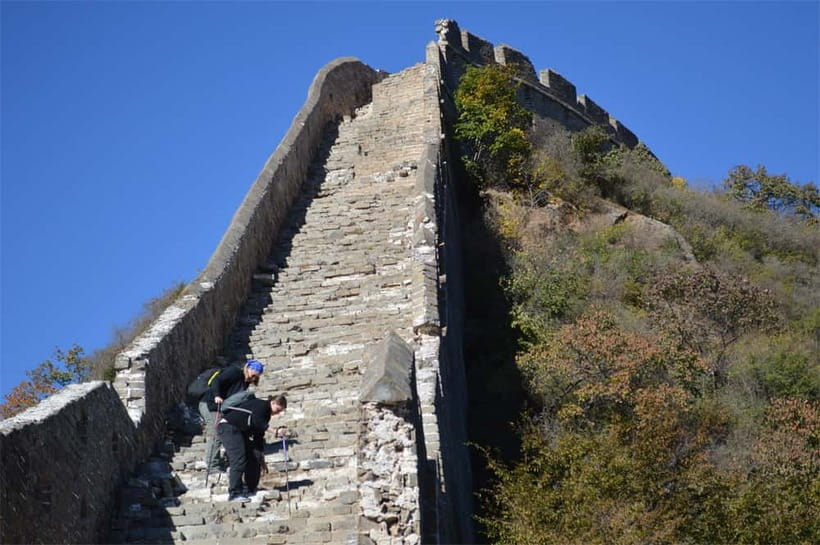
The terrain is steep and step-heavy, and I’d treat the hike as a fitness test, not a casual stroll. If you’re usually fine with stairs but not long stair sessions, plan slower steps and more short pauses. Trekking poles are included, and they help especially on downhills where your knees do most of the work.
A detail I really like for your planning: Jinshanling East is described as extremely photogenic, and that’s because the watchtowers vary constantly. It’s not just “tower after tower,” it’s different rooflines, different tower structures, and different heights that create layers in your photos. That also means you’ll want to stop more often than you think—your best shots won’t come from speed.
When you begin the hike, you’ll likely have local farmers nearby. If you don’t want interactions, be firm early. If you want to avoid any awkward back-and-forth, it helps to decide your approach before you step onto the wall stones—MAYBE later is not a reliable strategy in the local culture.
Restored sections meet original ruin: what changes as you walk
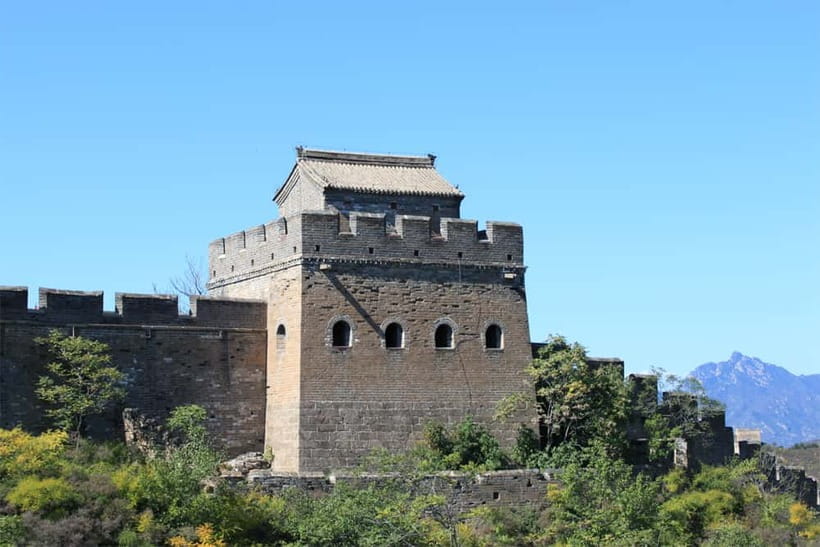
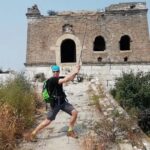
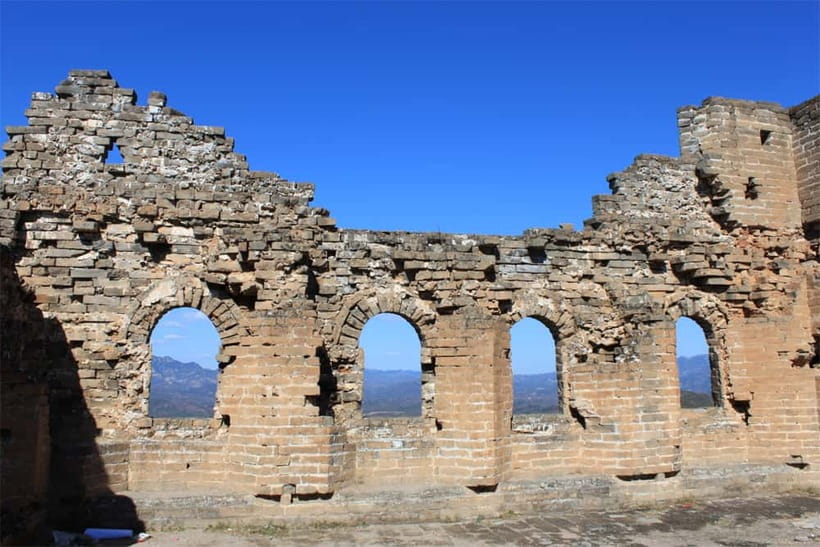
A big reason this route feels special is the “mix” effect. You’re not looking at one single version of the Great Wall. You’ll walk through segments that feel wild and ruined, then transition into areas that have been restored, so the wall’s story reads in your steps.
That matters because it changes texture and the visual rhythm of the hike. Restored sections tend to look more uniform and structured, while the wild segments look rougher and more weathered. Put those side by side and suddenly the wall isn’t a single monument—it’s a timeline you can see.
Even if you’re not a history person, this improves your experience. Restored areas often make navigation easier and reduce the sense of wandering, while original stretches give you that “I found this” feeling. Together, they create a route that stays dramatic without becoming exhausting in only one way.
And the practical payoff is photo variety again. When the surface and tower shapes change, your angles change too. You end up shooting more than one type of composition in the same day, which makes your final photo set much more interesting.
Lunch at a local farmer’s restaurant: what to expect after the climb
After hiking, you’ll go to a traditional farmer’s restaurant for lunch, and this part is included if you choose the option that has it. Don’t expect a polished “tour restaurant” vibe. It’s simpler food, served in a local setting, and that’s often exactly what you want after a long stair day.
The main value of lunch here is timing and fueling. You get the meal organized right after your hike, which means you won’t spend the last part of the day hunting for something open and reliable. It also keeps the day smooth back in Beijing since the van pickup plan is already built around your post-hike return.
Planning tip: since the hike ends late enough that you might miss a typical Beijing dinner window, bring your own snacks if you’re the type who needs extra energy on the way back. Some people also like having a solid item in their bag because you’re hiking through heat or cold exposure, and you don’t always know how quickly your hunger will hit.





Small group comfort: calm, maps, and drivers who actually make it easy
The group size cap of 12 is a quiet win. It keeps things from turning into a herd, and it helps you get a little flexibility with your pace. On many days, you’ll see far fewer people than the famous, mass-tour sections of the wall, which makes it easier to slow down and enjoy the scenery between towers.
Guides and drivers often help with the “how do I move through this place” part. Names you may see associated with this experience include Zhang Feng, Charlie, Li Jimbo, John, Woody, and Cheney, depending on the day and option you booked. Language support can vary by guide role, but the overall plan is set so you won’t feel stranded—especially if you’re open to using translation and following simple route instructions.
A practical detail: the day is set up as a structured hike, but it still gives you room to walk at your own pace. That balance is important on steep terrain. If your pace matches the group too tightly, you can end up rushing the climb. On this route, rushing usually means burning energy before you’re done.
Price and value: what $52 buys you on this section
At about $52 per person for a full day, the value mostly comes from what’s bundled. You’re getting the air-conditioned van, entrance fees, a skip-the-ticket-line advantage, unlimited bottled water, trekking poles, and (if you select that option) lunch at the farmer’s restaurant.
For me, the real value is the access to the less-crowded walking experience on a portion of the wall that’s known for being highly photogenic and walkable. You’re not paying extra for just convenience—you’re paying for the whole “get there, hike intelligently, eat after” package.
Tipping isn’t included, and you’re also not getting travel insurance in the price. If you’ve had good service, tipping your guide/driver is recommended. Think of this as a small working crew day trip: safe driving, clear instructions, and waiting for your return.
Also included is a certificate of completion for hiking on the Great Wall of China, which is small but fun if you like a concrete souvenir that isn’t just a magnet.
Season check: winter closures, steps, and safety realities
Season can change the wall’s availability. In winter, some sections can be closed, meaning your hike may be a shorter loop or a modified route. That can still be worth it—some of the most peaceful Great Wall days happen when the crowds thin out—but you should expect a different pattern on the stones.
In cold months, also watch your footing and your timing. The hike involves steep gradients and big steps, so slippery conditions can turn “medium” terrain into “slow and careful.” Trekking poles help, and comfortable shoes are not optional here.
One more non-negotiable planning item: there is no toilet on the Wall. Toilets exist at the entrances of Simatai West and Jinshanling, so plan before you start hiking and carry toilet paper. This is the kind of detail that can ruin a day if you ignore it, so treat it like you would for any long outdoor hike.
Finally, this isn’t a good match for everyone. The experience isn’t suitable for pregnant women or people with heart problems, which makes sense given the stair climbing and sustained walking on uneven stone.
Should you book this Jinshanling small-group hike?
You should book if you want the Great Wall to feel like hiking—steep steps, watchtower variety, and chances to take photos without fighting crowds. The small group cap, included water and poles, and the mix of wild and restored wall sections make it a strong value for a day out of Beijing.
You might skip (or choose a different style of Great Wall visit) if stairs and long climbs are a struggle, or if you’re uncomfortable with the no-toilet-on-the-wall reality. If you’re the kind of traveler who likes clear structure but also wants space to walk at your own pace, this is a smart match.
If you do book, go in prepared: bring comfortable shoes, sun protection, and toilet paper, and set your expectations for a workout—not a gentle stroll.
FAQ
Where do I meet the group in Beijing?
You meet at Exit C, Dongzhimen Station (Subway line 2 and 13) at 8:00am.
When do I start hiking?
Hiking starts around 10:30am at Jinshanling East.
How long is the Great Wall hike?
It takes about 3 hours to hike from Jinshanling East to the main gate, though winter closures can change what is open and how long the walk takes.
Is lunch included?
Lunch at a local farmer’s restaurant is included if you select the option that includes it.
Are entrance fees included?
Yes, entrance fees to the Great Wall are included, and you get a skip-the-ticket-line advantage.
What supplies are included for the hike?
You get unlimited bottled water, snacks on the Wall, and trekking poles.
Is there a toilet on the Wall?
No. There are toilets at the entrances of Simatai West and Jinshanling, so you should prepare before hiking and bring toilet paper.
Do I need to bring anything besides a passport or ID?
You should bring comfortable shoes, sunglasses, and items like sun cream, lip balm, and a cap. A day pack helps since water is stored in the vehicle.
Is the cable car included?
No, the cable car is not included.
Can I cancel and get a full refund?
Yes. Free cancellation is available up to 24 hours in advance for a full refund.