REVIEW · BEIJING
Beijing: Jingshanling Great Wall Trekking Tours with Options
Book on GetYourGuide →Operated by Catherine Lu's Tour · Bookable on GetYourGuide
Quiet Great Wall days are hard to find. This Jinshanling (Jingshanling) trekking day pulls you away from the loudest gates, letting you walk a half-restored stretch with ruined watchtowers and open views. I like the low-crowd vibe and the way guides (like May, Justin, and Edward) keep you on the best photo spots without rushing. One thing to consider: you’re hiking for hours and the tour does not include the cable car, so you’ll want sturdy footwear and a steady pace.
You also get that rare mix of Great Wall and everyday China. Along the long route out of Beijing, you’ll pass through countryside that feels rural and slow, which makes the Wall feel less like a staged landmark and more like part of a living region. The hike runs about 3 hours on the wall, and the full day is typically 8–10 hours, so plan to dress for real walking.
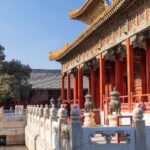
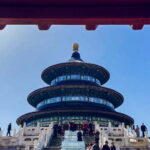
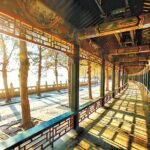
What I really like about this experience is the menu of add-ons. If you want city highlights too, you can bundle options like the Summer Palace sunset or the Forbidden City with your wall time—still keeping the Wall as the main event. The downside is simple: with add-ons, the day can feel full, so choose based on your energy level rather than checking every box.
In This Review
- Key Things That Make This Great Wall Day Work
- Jinshanling’s Half-Repaired Wall Gives You Two Great Walls in One
- The 8–10 Hour Logistics: Meeting Point, Drive Time, and What You Can Control
- Entering Jinshanling: Your 3-Hour Guided Hike on Stone Steps and Watchtowers
- Wild vs Repaired: What the Wall Teaches You While You Walk
- Optional Add-Ons: Summer Palace Sunset and Forbidden City Timing
- Meals, Breaks, and What to Pack So You Don’t Feel Rushed
- Choosing the Right Tour Option (And Who Each One Fits Best)
- Price and Value: How $60 Makes Sense for a Long, Organized Day
- Should You Book This Jinshanling Great Wall Trek?
- FAQ
- How long is the Great Wall trekking experience?
- Where is the meeting point in Beijing?
- How can I get to the meeting point by public transit?
- Is the cable car included?
- Are meals included?
- Do I need a guide?
- What languages are available for the live guide?
- Can I cancel for a refund?
- What’s the age or mobility suitability?
Key Things That Make This Great Wall Day Work
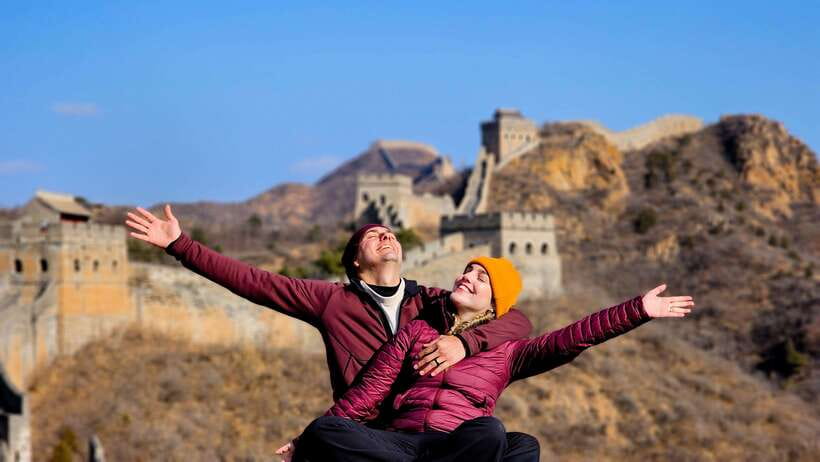
- Jinshanling’s mix of restored stone and authentic ruin: you see both eras, not just one polished stretch.
- Fewer people on this section: it’s built for breathing room and slower looking.
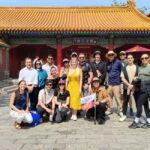
- Guides hike all the way and help with photos: you’re not left guessing where to stand.
- A real hiking mindset: comfort comes from good shoes and sensible pacing, not from shortcuts.
- Optional Beijing highlights: add Summer Palace or Forbidden City if you want more than wall views.
- Comfort-focused transport: vehicles and drivers are consistently rated highly for a long day.
Jinshanling’s Half-Repaired Wall Gives You Two Great Walls in One
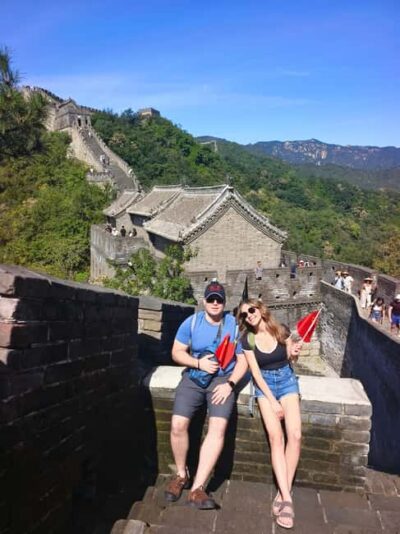
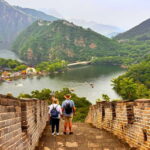
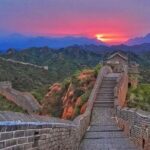
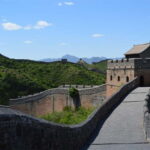
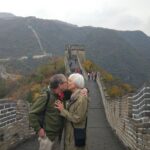
A lot of Great Wall trips feel the same: crowd at the gate, crowd on the steps, crowd for the photo. Jinshanling (often spelled Jingshanling) changes the mood because this stretch is partly repaired and partly still in ruins. That means you get a visual “before and after” story as you walk—sections that look like careful restoration alongside towers and breaks that show the Wall’s rougher, original texture.
I also like the way this section rewards wandering. You’re not only moving forward; you’re constantly noticing details—stonework, watchtower shapes, and the way the Wall threads through the hills. In quieter seasons (many people describe January and February as extra calm), the Wall can feel almost like a film set with the audience removed.
One practical tip: because this is a mix of restored and broken areas, your footing can change suddenly. Some segments are more stable and some feel more uneven. If you’re the type who likes to take lots of photos, you’ll still be able to, but you’ll want to pause in safe spots and keep an eye on the stairs.
You can also read our reviews of more hiking tours in Beijing
The 8–10 Hour Logistics: Meeting Point, Drive Time, and What You Can Control
This is a long day by design. Beijing to Jinshanling takes time, and that matters because it changes how you should prepare. The tour starts at a fixed meeting point: Beijing Swissotel Beijing Hong Kong Macau Center (Number 2 Chaoyang Men Da Jie, Dongcheng District, Beijing). That’s also where you’re dropped back after the outing.
If you prefer simple arrival directions:
- By taxi: show the Chinese name for the Swissotel meeting point.
- By subway: take Line 2 to Dongsi Shitiao, exit C, then walk about 500 meters.
On the road, your guide and driver handle the transitions for you. Many people highlight how smooth pickup and drop-off feels, including calm, careful driving on the way out and back. The transport also gets strong scoring overall, with 97% of passengers giving it a perfect mark—useful if you hate the “we’ll see how it goes” feeling.
Here’s what you can control that will make the day better:
- Bring snacks and water for the long stretch, since meals are not automatically included.
- Wear hiking shoes you trust on uneven stone.
- Expect a full day even when the wall time is only around 3 hours—because travel time is real.
If you choose the self-guided style, you’ll still have the round transfers and tickets at the meeting point. But if you want the most value, a guided hike tends to be the point—especially for photo stops and understanding what you’re seeing.
Entering Jinshanling: Your 3-Hour Guided Hike on Stone Steps and Watchtowers
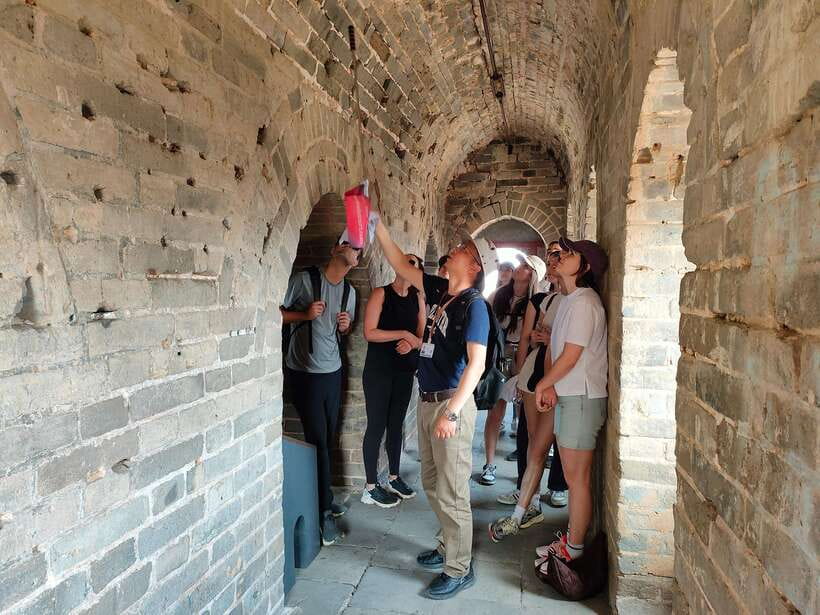
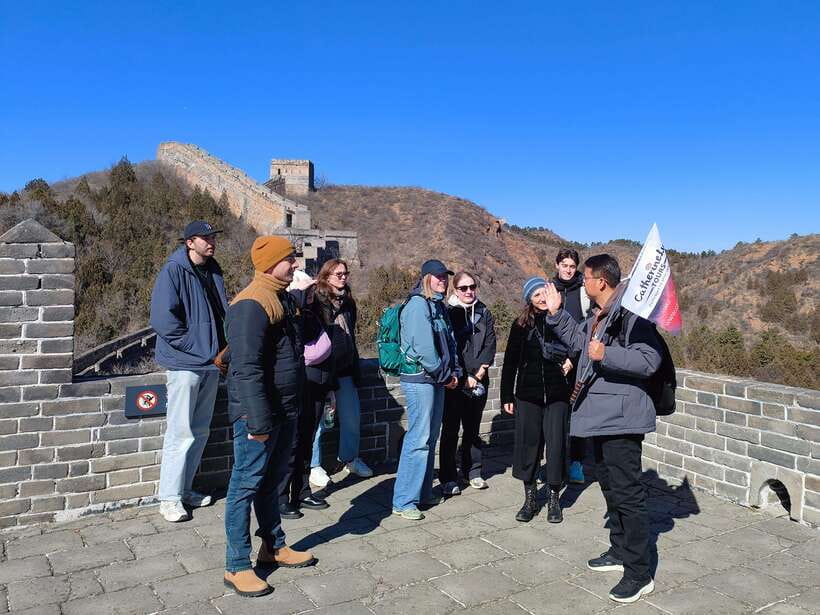
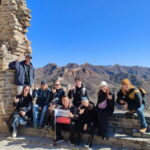
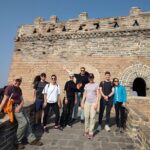
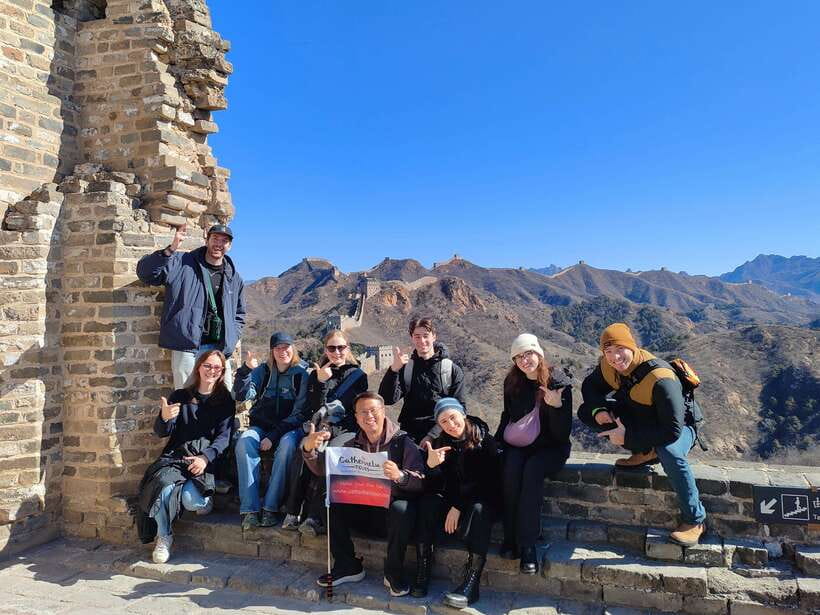
Once you reach Jinshanling, the experience shifts from “getting there” to “walking it.” Your time on the Wall is guided for about 3 hours in the standard guided options. The guide hikes along with you the whole time, and that matters because you’re not just following a route—you’re getting directions for where to stand and how to look.
This is where the guides’ personalities tend to make a difference. People specifically mention guides such as Justin, Jack, Tony, May, Edward, and Henry for three things:
- Staying with the group at a comfortable pace
- Giving clear history and practical context while you walk
- Helping with photos—finding spots that actually frame the Wall well
If you like photos, pay attention to this part: the guide isn’t only pointing at the Wall. They’re helping you line up angles and choose viewpoints, so you spend less time wandering around and more time getting shots that look like the Wall should.
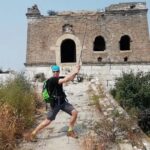
Also, the route includes broken towers and ruined watchtower areas along the walk. Those ruins aren’t just scenic clutter; they help you understand how the Wall looked when it wasn’t preserved for tourists. You’ll see repaired stone that feels orderly and then, later, portions that feel more like what time left behind.
Wild vs Repaired: What the Wall Teaches You While You Walk
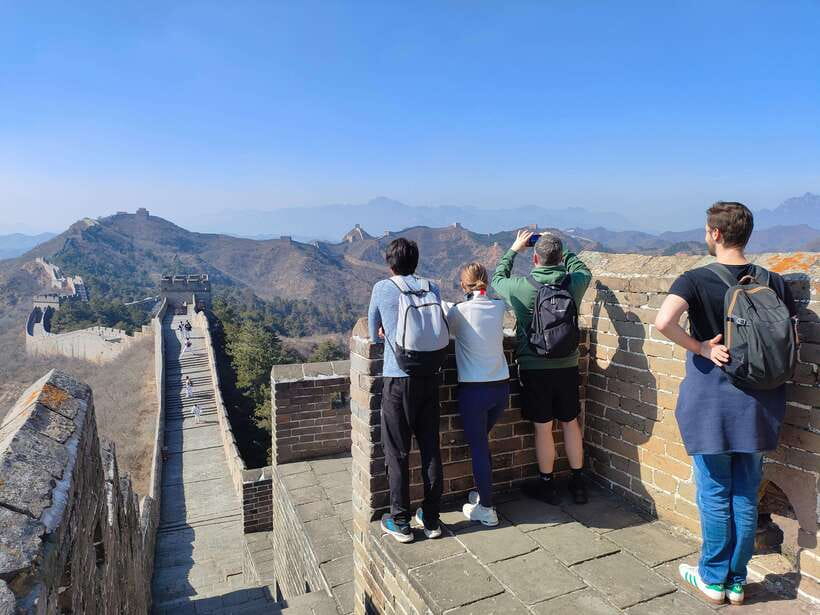
The big reason people love this section is that it’s not a single “theme.” You’re moving between different conditions of the Wall, and your brain starts doing something useful: comparing eras.
On the repaired stretches, the Wall reads like a monument in its best lighting—stone steps that feel planned and consistent, towers that look more intact, and views that open up as the Wall holds its shape. This is the part that helps you grasp how the Wall functioned when it was actively maintained.
On the ruinier segments, the Wall becomes less tidy. You’ll walk past watchtower remnants and breaks that show what happens when centuries meet weather and human change. It’s easier to feel the Wall as a system now, not just a “wall you stand next to.”
If you’re into photography, this contrast is a gift. The “repaired” scenes give clean structure; the “ruin” scenes give texture and depth. Many people also say Jinshanling offers a wider variety of shots than other sections, which makes sense if you’re getting both intact and damaged views in one hike.
One more practical note: since parts are half repaired, your hiking speed may vary. Don’t race to the furthest point. The best results—photos included—usually come when you slow down enough to safely step and reposition.
Optional Add-Ons: Summer Palace Sunset and Forbidden City Timing
If you want a Wall day plus major Beijing sights, you can choose add-ons. Two common pairings are:
- Summer Palace with Jingshanling/ Jinshanling sunset
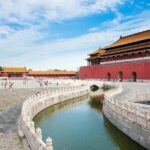
- Forbidden City with Jingshanling/ Jinshanling sunset
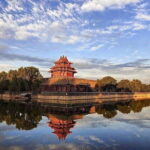
This is not just about stacking landmarks. The value is timing. A sunset combination can keep your day from feeling like nonstop travel-to-tourism. It also gives you a change of pace: after rugged steps, you get palaces and city views in softer light.
The main consideration is simple: energy management. If you’re already tired from the long drive and the hike, the add-on may feel like extra work. If you’re the type who likes a packed day, it can work well. If you prefer breathing room, stick to the wall-focused option.
There’s also a food-focused option combining the Wall with hutong food. For people who enjoy eating as part of sightseeing, this can turn the day into more of a local experience instead of a museum run.
Meals, Breaks, and What to Pack So You Don’t Feel Rushed
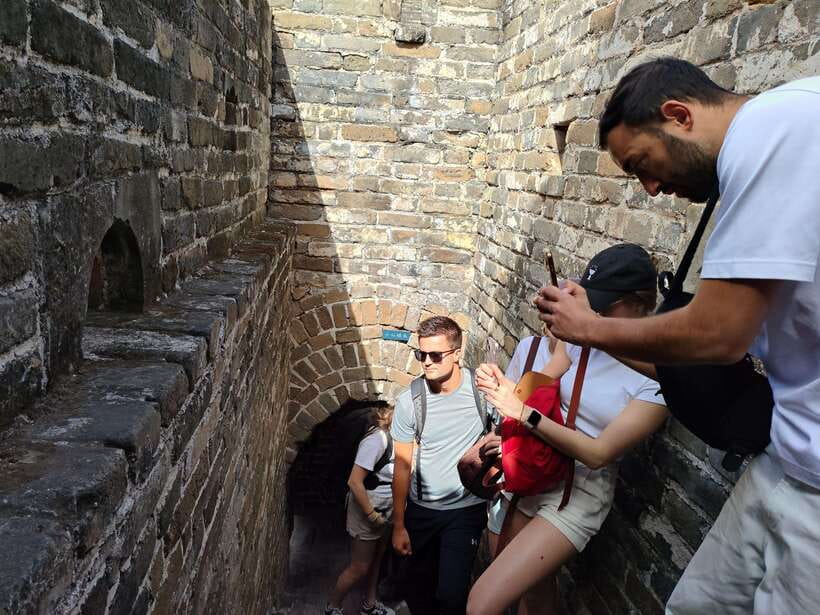
Meals are not automatically included, so come prepared. Many guides arrange lunch at the end for an extra cost, and some descriptions mention it being tasty and good value. But since meals aren’t guaranteed inside your base package, don’t rely on finding food at the perfect moment.
What you should pack:
- Comfortable hiking shoes
- Snacks and drinks (you’re specifically advised to bring them)
- Your ID or passport (passport copy accepted, and you’ll need it for entry)
A small detail that can make the difference: some drivers and guides go beyond the basics with small treats for the hike. People have mentioned things like muffins and mooncake. That’s a bonus, not a promise—but it’s a good sign that your guides may help you stay comfortable.
Also remember what’s not allowed: no pets and no weapons/sharp objects, and don’t bring drinks into the vehicle. Indoors smoking and making fire are also off the table.
Choosing the Right Tour Option (And Who Each One Fits Best)
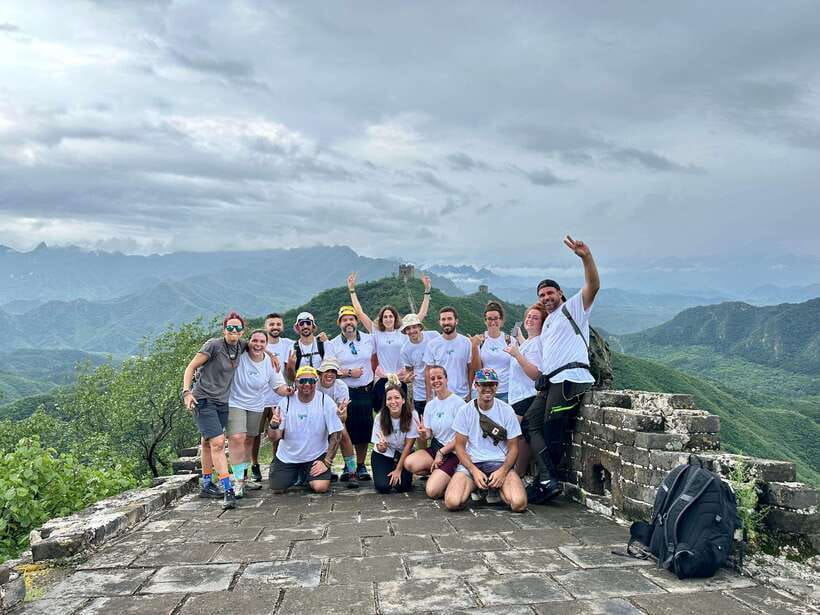
There are multiple ways to arrange this day, and your choice should match how you like to travel.
If you want maximum freedom:
- Pick the self-guided style with round transfers and tickets at the fixed meeting point.
If you want the best Wall experience with fewer guesswork moments:
- Choose a guided group option at the meeting point in downtown, or a private guided option from your hotel (within about the 4th Ring Road area).
If you want more hiking variety:
- Some options offer a route from Gubeikou to Jinshanling, which adds another layer to the day and can feel more like a true trek.
If you want a bigger day that includes more of Beijing:
- Pick the versions that add Summer Palace or Forbidden City.
If you want just the logistics:
- There’s an option that includes transportation and ticket only, and it notes no guide and no cable car.
Who should be careful:
- This is not suitable for wheelchair users.
- It’s also not recommended for people dealing with altitude sickness, and there are age limits listed (it’s not suitable for people over 70, and there are stricter limits mentioned beyond that).
- The hike includes stairs and uneven surfaces, so high-heeled shoes are a no-go.
Price and Value: How $60 Makes Sense for a Long, Organized Day
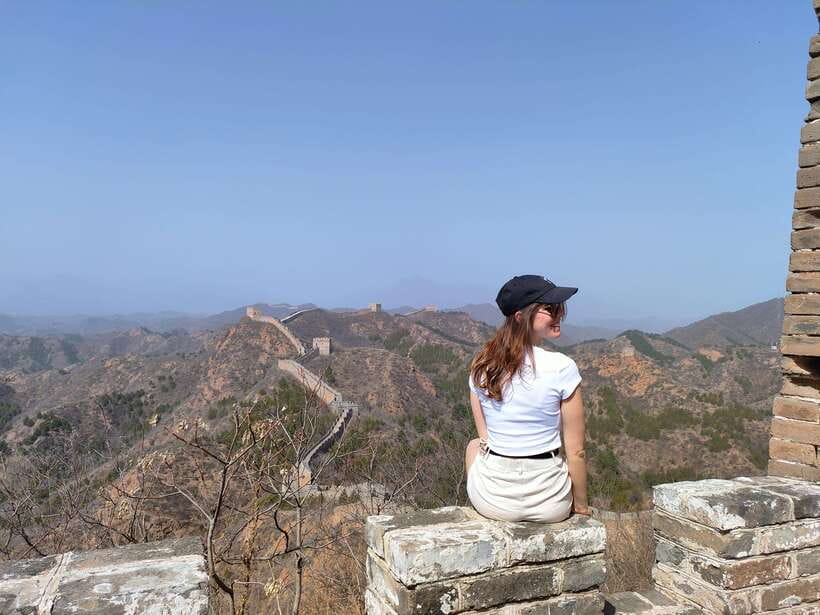
At about $60 per person, this tour can be good value because you’re paying for more than tickets. You’re paying for a full day of coordination: a set meeting point, transport, and in guided options, a guide who stays with you on the Wall and helps with photo framing and explanation.
For many people, the cost is worth it because the Jinshanling experience is the opposite of “tour bus sightseeing.” It’s a hike where the guide can help you avoid wasting time, and the location is described as quieter than more famous sections. That combination—less crowd stress plus guided walking—usually turns a landmark day into a day you remember for the right reasons.
Where value depends on you: if you want the history and photo help, choose a guided option. If you’re happy hiking on your own and just need transport plus tickets, the self-guided style is a simpler way to keep costs down.
Should You Book This Jinshanling Great Wall Trek?
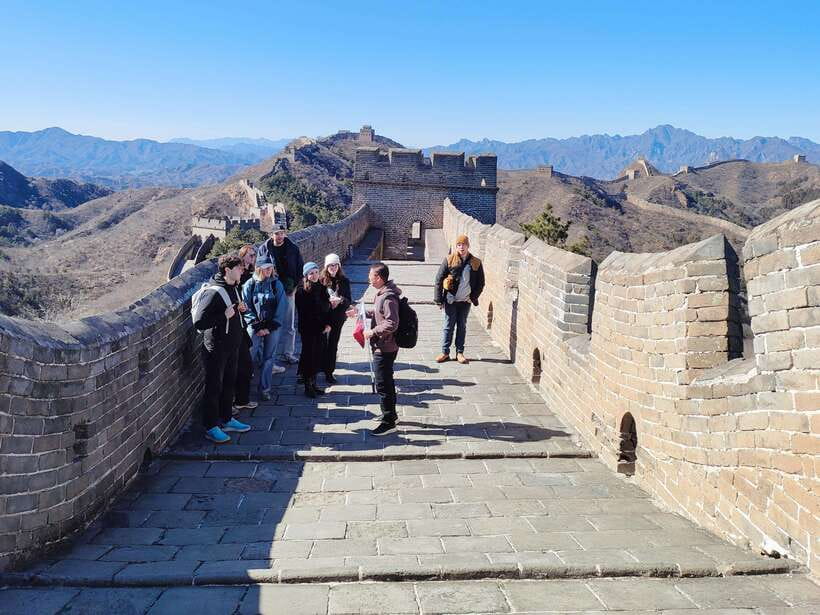
Book it if you want:
- A quieter Great Wall experience than the big-name sections
- A hike with a guide who helps you find photo spots, not just facts
- Room to enjoy the Wall at a steadier pace
Skip it (or choose a lighter option) if:
- You don’t like uneven stairs or long walking days
- You’re hoping for lots of indoor time or easy transportation once you arrive
- You want cable car included automatically (it isn’t)
If you’re trying to decide between this section and a more crowded one, I’d lean Jinshanling. The mix of repaired and ruined wall gives you a more honest sense of what the Great Wall is—built, maintained, and also changed by time. And if you love taking photos, the guided help with angles and viewpoints can make a noticeable difference.
FAQ
How long is the Great Wall trekking experience?
The total day is about 8 to 10 hours, and your guided time on the Wall is about 3 hours.
Where is the meeting point in Beijing?
The fixed meeting point is Beijing Swissotel Beijing Hong Kong Macau Center (Number 2 Chaoyang Men Da Jie, Dongcheng District).
How can I get to the meeting point by public transit?
Take Subway Line 2 to Dongsi Shitiao, exit C, and walk about 500 meters.
Is the cable car included?
Cable car is not included in the activity.
Are meals included?
Meals are not included. Snacks and drinks are recommended to bring.
Do I need a guide?
Some options include a guide, and there is also an option with transportation and ticket only (no guide). Cable car is not included either way.
What languages are available for the live guide?
English, French, German, Italian, and Spanish are listed.
Can I cancel for a refund?
Yes. Free cancellation is available up to 24 hours in advance for a full refund.
What’s the age or mobility suitability?
The tour is not suitable for wheelchair users, and there are age limits listed (it’s not suitable for people over 70, and specific higher age limits are also mentioned). People with altitude sickness are also not suitable.