REVIEW · BEIJING
Beijing: Hutong Culinary Walking Tour with 15+ Tastings
Book on GetYourGuide →Operated by Fun Beijing Travel · Bookable on GetYourGuide
A quick walk through Beijing food you’d miss. This Hutong culinary tour mixes quiet alley wandering with hands-on eating—15+ tastings in a safe, local-paced loop. I especially like that the guide adjusts stops for your comfort level, from classic bites to bolder picks.
Two things I really like: you get more tastings than most Beijing food tours, and you also learn how to eat, not just what to eat. The only real drawback is the tour includes some serious-food challenges (strong liquor, offal, spicy soups), so you’ll want to speak up early if you prefer milder flavors.
In This Review
- Key Things I’d Watch For On This Hutong Crawl
- Hutongs + Food: Why This Tour Works
- Getting There: Dongsi Exit B and Optional Pickup
- The Pace: 3–4 Hours, 15+ Tastings, and the Real Meaning of Hungry
- What the Hutong Walking Part Adds (Beyond Great Photos)
- A Realistic Stop Plan: How the Tastings Usually Flow
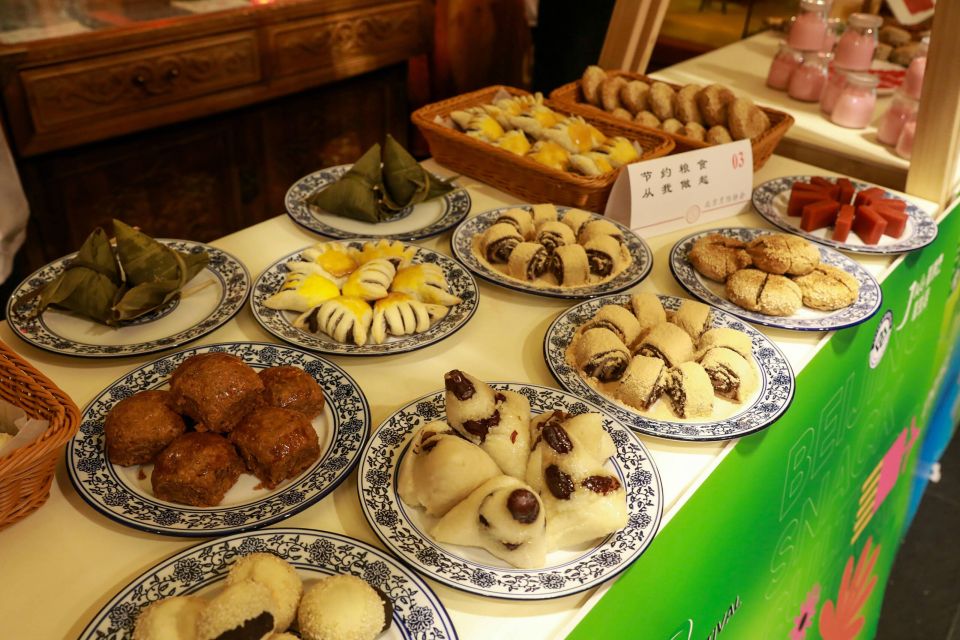
- The Snack Lineup: What You Might Taste Along the Way
- Sesame cakes and sweet-on-purpose bites
- Fried dough twists and crispy ring snacks
- Dumplings and pancake-style comfort
- Noodles and regional flavor swaps
- Beijing Jar yogurt and sweet-savory balance
- Steamed rice cakes with sweet stuffing
- Malatang: the spicy hot-pot cousin
- Baijiu: for the brave, or at least the curious
- Xinjiang lamb skewers and nang bread
- When You Want the Classics vs When You Want the Chaos
- Guides, Language, and the Fun Part You Can’t Fake
- Price and Value: Is $76 Fair for 15+ Tastings?
- Who This Tour Is Best For (And Who Should Skip It)
- Tips to Get the Most Out of Your Hutong Culinary Tour
- Should You Book This Hutong Culinary Walking Tour?
- FAQ
- Where is the meeting point?
- How long is the tour?
- How many tastings are included?
- Is the tour in English and is it private?
- Can the guide adjust for preferences or dietary needs?
- What kinds of dishes might we try?
Key Things I’d Watch For On This Hutong Crawl
- Meet at Dongsi Subway Station Exit B with a name sign, or use optional hotel pickup
- 15+ included tastings over 3–4 hours, with stops that can shift day to day
- Guide tailoring in real time: classic versus bold picks, and adjustments for dietary needs
- Cultural context built into the snacks: Hutong stories plus eating etiquette
- A mix of Beijing staples and regional surprises, like Yunnan noodles and Xinjiang lamb skewers
- Optional adventurous add-ons at your cost (like bamboo worm) if you want to go further
Hutongs + Food: Why This Tour Works
Beijing’s Hutongs are the old alley networks that still feel like daily life, not a theme park. On this tour, you don’t just stare at the lanes—you walk them, pause for stories, and then eat your way through the neighborhood like a regular.
The smartest part is the balance: you’re moving on foot, but the tour stays food-centered. I love that the guide explains what you’re eating and how locals eat it, so the whole experience becomes practical—something you can repeat after the tour.
You can also read our reviews of more walking tours in Beijing

Getting There: Dongsi Exit B and Optional Pickup
Your starting point is Dongsi Subway Station, Exit B. It’s easy to reach by subway, and taxi is fine too. Your guide will be holding a sign with your name, so you won’t have to play “guess the group.”
If you choose the pickup option, your guide waits in your hotel lobby with a name sign as well. This matters because Hutongs can be slow to navigate when you’re new to Beijing—having that first step handled keeps the rest of the tour feeling smooth.
The Pace: 3–4 Hours, 15+ Tastings, and the Real Meaning of Hungry
Plan on being genuinely hungry. Multiple guests specifically point out that you leave very full, which makes sense when you’re stacking 15+ tastings across several small local stops.
You should expect quick service and short walks between places. The tour is designed to keep you moving, not sitting in one restaurant for half the time. If you go in with a light breakfast or an empty stomach, you’ll enjoy more without feeling miserable.
One practical tip: pace yourself. Even if the guide offers “just one more bite,” some of the stops are filling (fried pancakes, dumplings, rice cakes). If you want to try everything, take smaller portions when you’re offered and save your big appetite for the last half.
What the Hutong Walking Part Adds (Beyond Great Photos)
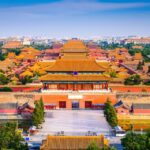
The walking isn’t random. You start with a stroll through quieter Hutong alleyways while your guide shares how Hutongs work and why they matter.
You’ll also get eating etiquette, which sounds small until you’re actually in the moment. Things like when to order, how to handle shared dishes, and how to approach street-style snacks can make you feel less awkward and more confident.
This is where the tour becomes more than food. You’re learning the local rhythm of eating and socializing, and that makes your whole Beijing trip easier afterward.
A Realistic Stop Plan: How the Tastings Usually Flow
The exact places change day to day, but the tour is built to cover a broad range of Beijing flavors. Think of it like a guided sampler menu where you’ll hit multiple styles—sweet, savory, fried, soupy, and sometimes spicy or strong.
A typical flow goes like this:
- Start with snacks you can eat on the move, often sesame-forward or fried dough-type bites.
- Move into sit-down or counter-style stops for dumplings, pancakes, noodles, or soup.
- Then finish with heavier flavors and regional specialties, like Xinjiang lamb skewers and sweet desserts.
- If you’re up for it, your guide may include stronger drinks like baijiu.
Because the guide adjusts based on what you want, two tours can feel different. If you want classic Beijing comfort food, tell them. If you’re the type who wants to try the weird stuff, also tell them—then you’ll get the surprises you signed up for.



The Snack Lineup: What You Might Taste Along the Way
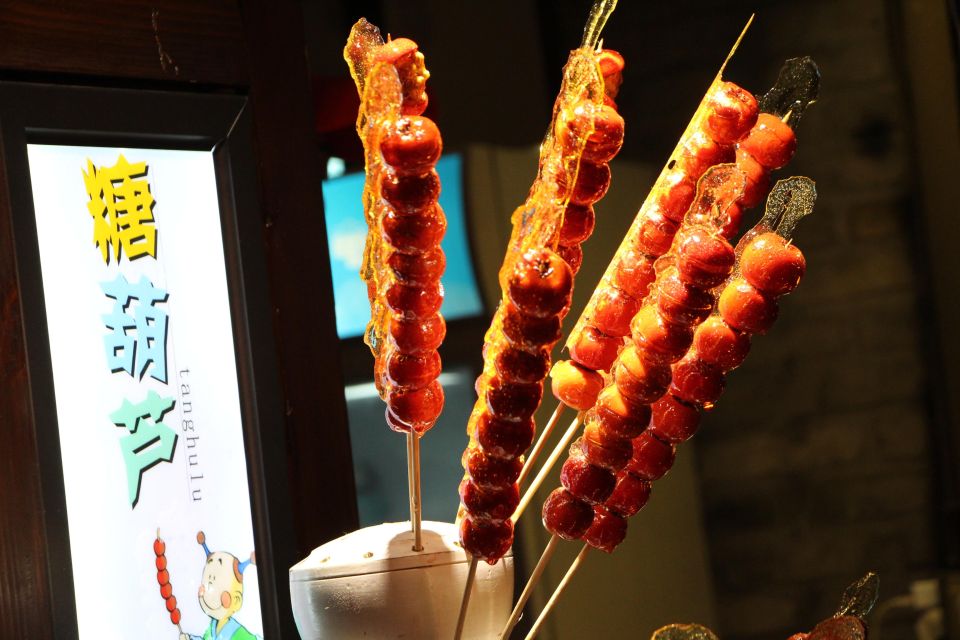
This tour’s dish list is one of its biggest selling points. Here are common options you may see, with what they’re like and why they matter.
Sesame cakes and sweet-on-purpose bites
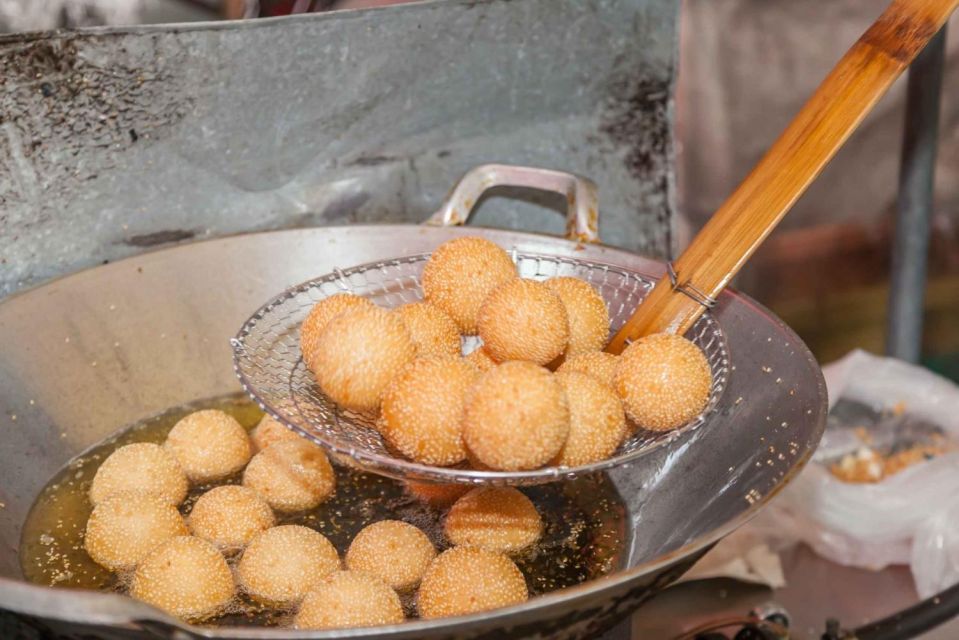
Sesame cakes are a core example. They’re made with sesame seeds and often paired with honey as a sweetener. It’s not just dessert—it’s snack food that locals eat in their everyday rhythm.
If you like desserts but don’t want something too heavy, these can be a great early stop. They also help you set expectations for sesame flavor, which shows up in multiple snack forms around Beijing.
Fried dough twists and crispy ring snacks
You might try Ma hua, a fried dough twist. Expect it to be crisp and warm, with that classic street-snack satisfaction.
You might also see a crispy fried ring—another household-style snack. The upside is texture variety: crispy outer layers, chewy or soft interiors depending on how the dough is made.
Dumplings and pancake-style comfort
Soup dumplings are on the list. If you’ve never had them in Beijing style, this is where the tour becomes a quick crash course—because dumplings teach you technique, not just flavor.
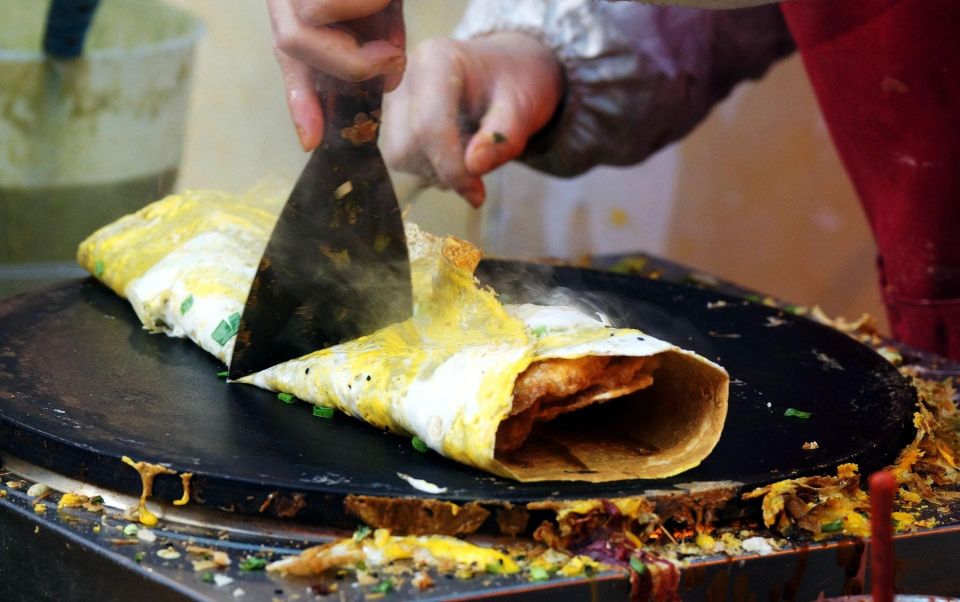
Jianbin (fried pancake) is another likely stop. It’s crisp, savory, and filling, so it’s often a turning point in the tour where you start feeling that “ok, I’m eating a meal” sensation.
Noodles and regional flavor swaps
You may try “Cross Bridge” Rice Noodles, which originates from Yunnan. That matters because it shows China isn’t one cooking style. You’re tasting a regional tradition that found its way into the Beijing snack scene.
If your palate tends to get bored with only one style of food, these noodle stops keep things interesting.
Beijing Jar yogurt and sweet-savory balance
Beijing Jar yogurt is another named option. It’s a local-style dairy snack that gives you a cooling break from fried and spicy foods.
This type of stop is underrated. It helps reset your taste buds before a stronger dish like malatang or lamb skewers.
Steamed rice cakes with sweet stuffing
Steamed rice cakes show up as another common group. These are often stuffed with sweet filling, which is a nice contrast after savory stops.
You’ll feel the sweetness in your day plan: it prevents the tour from becoming “only salty and fried,” and it gives you a calmer finish.
Malatang: the spicy hot-pot cousin
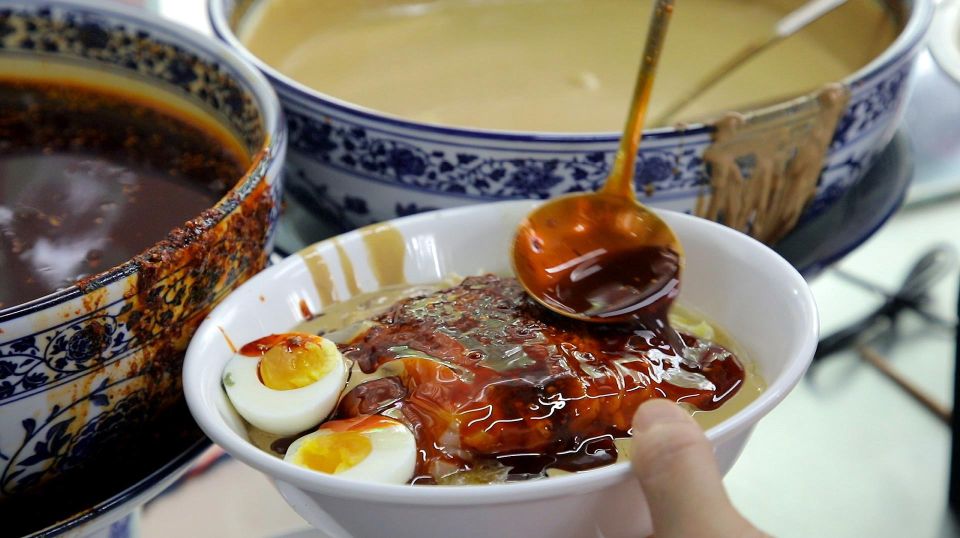
Malatang is included as a possibility. It’s a spicy hot pot soup base with ingredients like vegetables, meats, seafood, and noodles.
Here’s the consideration: spicy broth can be intense. If you have a low spice tolerance, say so at the start. The guide can adjust what you try so you get the experience without turning the tour into a sweat contest.
Baijiu: for the brave, or at least the curious
Baijiu is a colorless Chinese liquor, often around 35%–60% alcohol by volume. It’s on the menu as an option, not a guarantee for everyone.
I’d treat it like a cultural moment, not a requirement. If you don’t want it, ask for a substitute tasting. If you do want to try it, take a small sip first so you can judge strength before you commit.
Xinjiang lamb skewers and nang bread
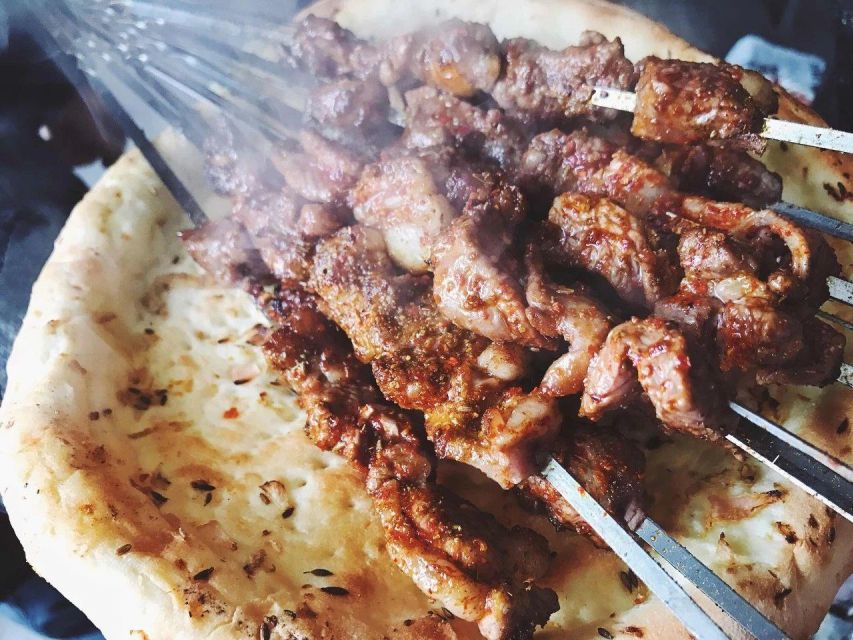
One of the most anticipated stops is often Xinjiang lamb skewers, usually with nang bread and lamb/vegetable kabobs.
This part works because it’s straightforward and satisfying. It’s also a good bridge from Beijing-style snacks to regional street-food flavor, so you get variety without the day getting too complicated.
When You Want the Classics vs When You Want the Chaos
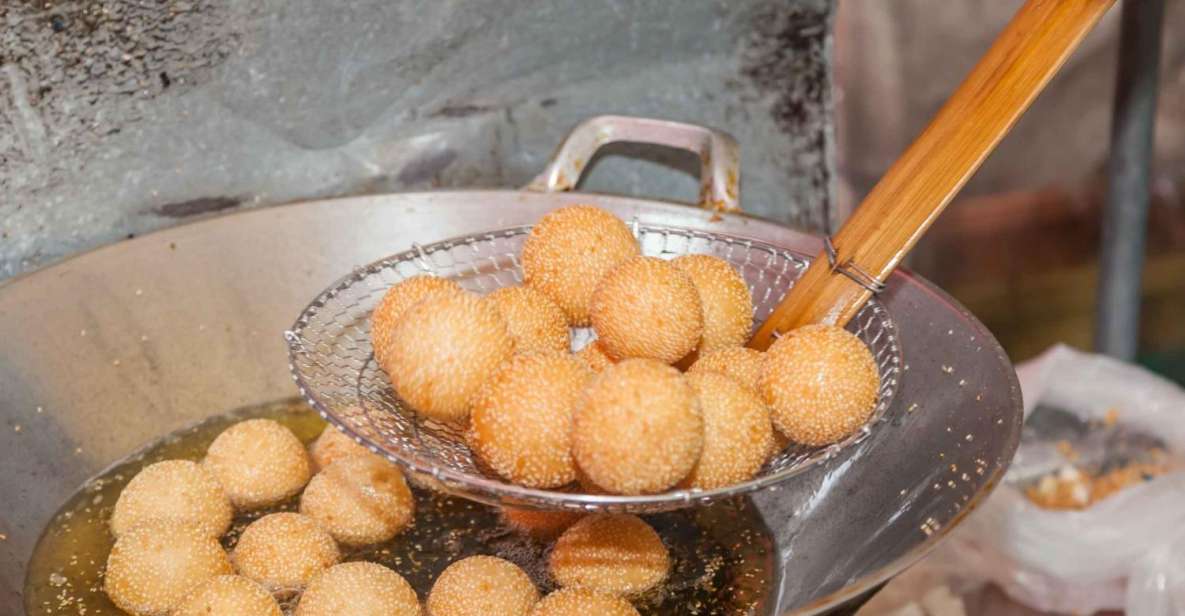
This tour’s guide flexibility is one of the most praised aspects for a reason: people’s comfort levels are wildly different.
If you want classic bites, the guide will steer you toward safer, more familiar flavors. If you want bold picks, you’ll get options. Some adventure-style items are listed as possible surprises, like:
- Donkey burger
- Fried liver
- Intestine soup
- 1000 Year Old Egg
- Bamboo worm (at your cost)
Here’s the practical takeaway: don’t wait until you’re served to react. Tell the guide early what you’ll try and what you won’t. Many guides are used to making adjustments, including substitutions if you don’t fancy a challenge.
Guides, Language, and the Fun Part You Can’t Fake
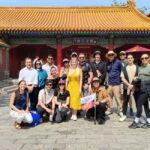
Because this is a live English-guided experience with a private group setup, you’ll get real conversation time. That’s a big deal on food tours. If you can ask questions and get clear answers, you actually learn.
Names that show up in guiding stories include Jimmy, Mike, May, Allen, Anson, Andy, Lucy, Miko, and Jay. Across different groups, the pattern stays the same: guides connect the dish to Beijing life and then adjust stops as the tour goes on.
You’ll also notice the guide’s role in making the tour feel safe. People highlight that guides help them try things they wouldn’t have chosen on their own, and they’re ready with alternatives for people who want different comfort levels.
Price and Value: Is $76 Fair for 15+ Tastings?
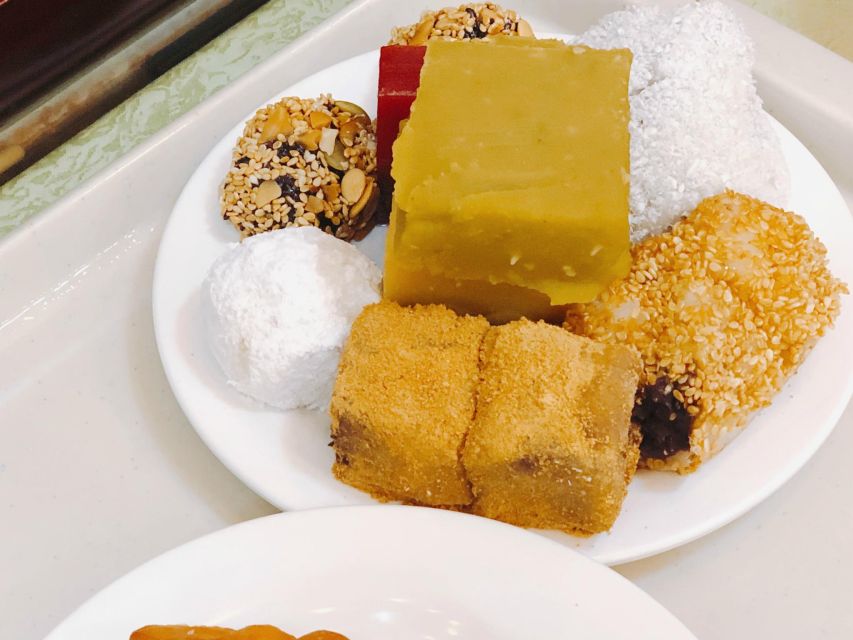
At $76 per person for about 3–4 hours, the value comes from what’s bundled, not just the food count.
You’re paying for:
- 15+ tastings (so you’re not stuck deciding between one snack or one meal)
- Translation and local ordering help
- A route that strings together nearby stops efficiently
- Cultural context, including eating etiquette
- A guide who can adjust in the moment (classic versus bold picks)
If you try to copy this on your own, you’ll spend time finding places and figuring out what to order. Even if you save a few dollars, it’s usually not the same experience. Here, the guide handles the heavy lifting, so your time goes into eating and learning.
Who This Tour Is Best For (And Who Should Skip It)
This tour is a strong fit if you:
- Want a first-week Beijing food intro
- Enjoy walking through real neighborhoods, not just major sights
- Like having a plan for tastings so you don’t guess wrong
- Want culture context with your snacks
It may not be ideal if you:
- Can’t handle spicy foods or strong alcohol and won’t compromise
- Have strict dietary limits and don’t want to communicate during the tour
- Prefer a slow, sit-down meal experience rather than a moving tasting route
Still, if you’re flexible on the mild-to-bold spectrum, the guide tailoring is exactly what makes this work for a wide range of eaters.
Tips to Get the Most Out of Your Hutong Culinary Tour
A few small choices can make a big difference.
- Arrive hungry, not just “curious hungry.” You’ll be full when you leave.
- Tell the guide your limits early: spice, alcohol, and any offal-type items.
- Wear comfortable shoes. Hutong walking is uneven in places, and the route has multiple short moves.
- Use your questions. The tour is designed for conversation, and asking about the food makes the day stick.
- Plan for temperature. The day may include longer time outside between stops.
Should You Book This Hutong Culinary Walking Tour?
If you want Beijing food in a way that feels local, this is an easy yes. The standout reasons are 15+ tastings, the guide tailoring, and the mix of Hutong storytelling with practical eating etiquette. It’s also priced in a way that makes sense if you value time and translation, not just calories.
I’d book it especially if it’s one of your first nights in Beijing and you want a fast, flavorful orientation. If you’re cautious about spicy foods or strong liquor, still book it—but message your preferences clearly at the start so the guide can steer you to the right version of the experience.
FAQ
Where is the meeting point?
You meet at Dongsi Subway Station Exit B. Your guide will hold a sign with your name.
How long is the tour?
The tour runs 3 to 4 hours.
How many tastings are included?
The tour includes 15+ food tastings.
Is the tour in English and is it private?
Yes. It’s a live English-speaking guide and operates as a private group.
Can the guide adjust for preferences or dietary needs?
Yes. The guide adjusts stops based on your preferences (classic bites or bold picks). Some people mention vegetarian options being included when requested, and you can ask for alternatives if you don’t want certain adventurous dishes.
What kinds of dishes might we try?
The tour may include sesame cakes, ma hua, soup dumplings, Beijing jar yogurt, Cross Bridge rice noodles, jianbin, steamed rice cakes with sweet stuffing, malatang, baijiu, and Xinjiang lamb skewers with nang bread. Adventure options like donkey burger, fried liver, intestine soup, 1000 year old egg, and bamboo worm may appear if you’re up for them.