REVIEW · BEIJING
Beijing: Badaling Ancient Great Wall of China Day Trips
Book on GetYourGuide →Operated by BusDa · Bookable on GetYourGuide
The quiet Wall feels like a time machine, and this trip keeps you on the Ancient Badaling Remnant with no shopping stops and no detours. I like how the schedule gives real time on weathered stones and old watchtowers, not just a quick photo dash. I also like that the day is built to reduce stress, with your guide handling tickets and helping you keep moving. The only drawback to note: it’s still outdoors up on the mountain, so cold, wind, and basic on-site conveniences can make the long viewpoints feel tougher.
This is a Great Wall day trip that leans authentic instead of shiny. You’re riding out from Beijing with a trusted local operator, BusDa, and the tour is designed for a smoother experience than the usual “herd to the cable car” pattern.
You’ll spend about 8 hours total, and you can join as a private or small-group option depending on what you book. If you’re staying outside the Beijing 4th Ring Road, factor in that hotel pickup may cost extra, and you’ll want to plan your meeting point timing around Beijing traffic.
In This Review
- Key takeaways
- Badaling Ancient Remnant: Why This Great Wall Portion Feels Different
- Price and Logistics: Getting Value Out of the $22 Fare
- Getting There: Beitucheng Station and the Smart Timing Play
- How the 8-Hour Day Actually Flows on the Wall
- Transfer and first Wall sightseeing (about 2 hours)
- A short coach move (about 15 minutes)
- Second segment: visit time (about 2.5 hours)
- Final sightseeing chunk (about 2.5 hours)
- Cable Car Choice: Avoid the Line, or Ride It
- English Guide Help That Actually Saves Time
- What to Bring (and What to Leave Unplanned)
- Food and Nearby Stops: A Flexible Day, Not a Shopping Circuit
- Who This Great Wall Day Trip Is Best For
- Should You Book This BusDa Badaling Ancient Great Wall Trip?
- FAQ
- Where is the meeting point for the Badaling Ancient Great Wall tour?
- How long is the tour from pickup to drop-off?
- What’s included in the price?
- Is the cable car included?
- Do I need a passport for this tour?
- What should I bring for payment?
- How do I get to the meeting point using public transit?
- Is the tour wheelchair accessible?
Key takeaways
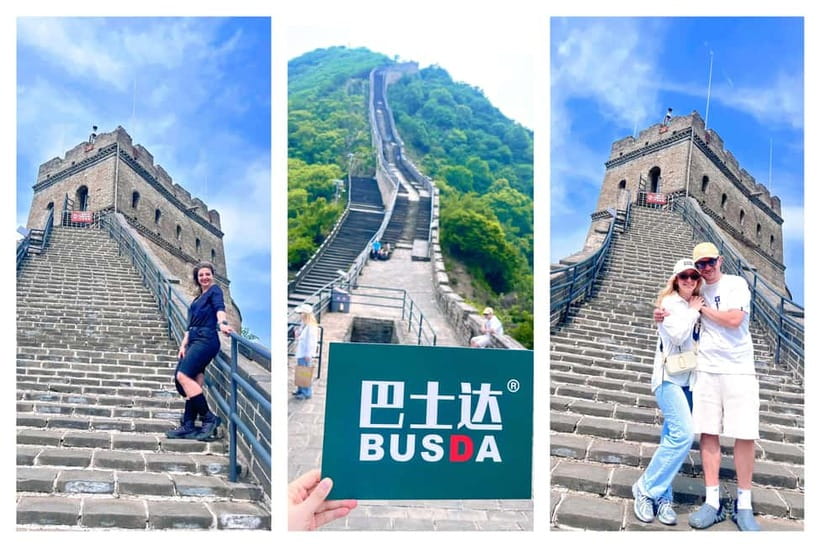
- Unrestored Badaling section: weathered stones and ancient watchtowers, not just reconstructed viewpoints
- No-shopping, no-detours approach: more time for the Wall and less time for unwanted stops
- Guides manage the messy parts: skip ticket lines and help with ticketing so you don’t burn time in queues
- A calmer Wall route: follow the guide’s path for quieter sections, especially around crowded arrival points
- Cable car is optional (140 RMB): you can hike instead if you want to avoid long lines
- English support with real follow-through: guides such as Alice, Evelyn, Linda, Betty, Amy, and Elan are repeatedly praised for keeping things smooth
Badaling Ancient Remnant: Why This Great Wall Portion Feels Different
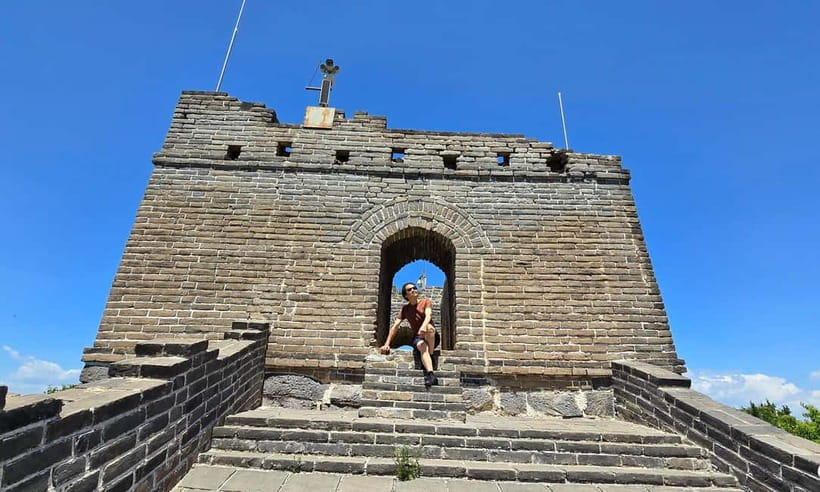
Badaling is one of the most famous Great Wall zones around Beijing. The usual tourist flow is geared toward easy access, frequent photo stops, and quick cable car moments. This day trip’s big pitch is different: it focuses on a more original, unrestored section of the Badaling Great Wall, where you’re more likely to see the Wall as it was found—weathered stones, older watchtower feel, and a sense of age that’s harder to fake with a polished recreation.
That matters because the Great Wall can be two different experiences. One is a theme-park style visit where you mainly watch other people watching the view. The other is an out-in-the-elements walk where you start noticing construction details, repair seams, and the way the Wall traces the ridge line. The “ancient remnant” approach is built for the second kind of experience.
It’s also quieter than the fully rebuilt and heavily restored areas, so you’re not stuck in the thick end of the crowd the whole time. The sweet spot is time on the Wall itself, not time waiting for transportation or standing in lines that sap your energy.
You can also read our reviews of more tours and experiences in Beijing.



Price and Logistics: Getting Value Out of the $22 Fare
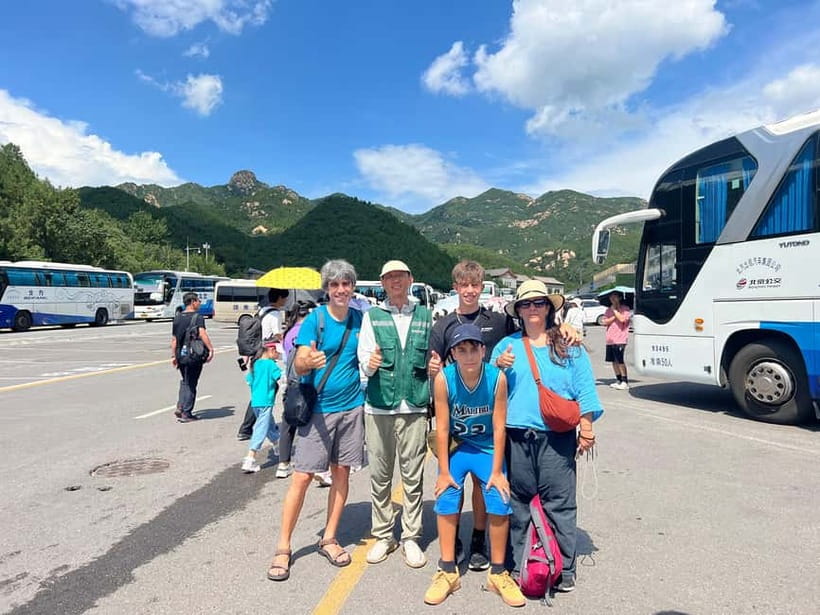
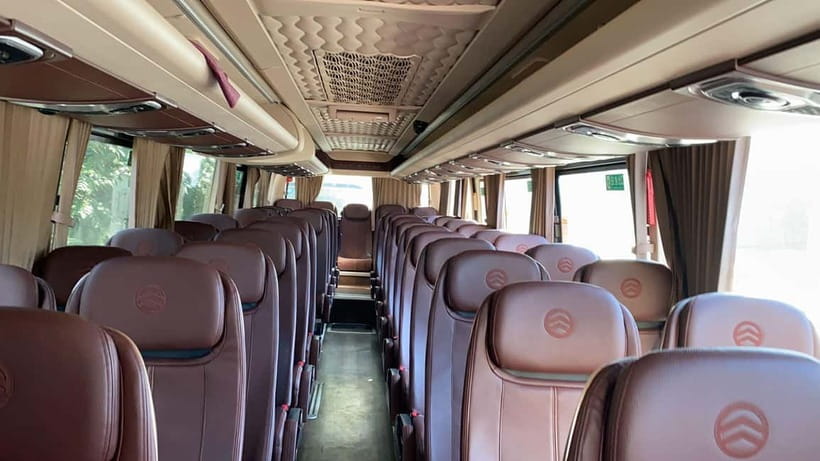
At about $22 per person for an 8-hour day, the real value isn’t just transportation. You’re paying for organization: round-trip transfers by air-conditioned bus or car, entry tickets, and an English-speaking guide (if you choose an option that includes one).
That “included” list is where the value shows up. Great Wall ticket lines and seasonal crowds can eat half a day if you’re trying to do everything on your own. Here, you get skip-the-ticket-line support, plus ticket pre-processing is handled in advance for your group (more on the passport details below).
One cost to keep in mind: the cable car is not included and is listed as 140 RMB per person if you want it. If you’re price-shopping, treat that as a decision point. If you’re skipping the cable car and walking part of the route, you’ll stay closer to the advertised total. If you plan to ride up and down, your day’s cost goes up quickly.
Also note the practical payment reality: in the Great Wall Scenic Area, credit cards can be inconvenient. If you don’t have Alipay and WeChat, bring cash so you’re not stuck searching for payment options mid-day.
Getting There: Beitucheng Station and the Smart Timing Play

Your meeting point is Beitucheng Station, Exit C. You can reach it by Subway Line 8 or Line 10, and you’ll want to come out of Exit C. If you’re taking a taxi, show the driver the address as written in Chinese: 北土城地铁站C口.
Why the meeting-point location matters: Badaling is far enough from central Beijing that morning traffic can be brutal. The tour data specifically flags severe traffic congestion in the morning, and the recommendation is clear—take the subway to Beitucheng instead of relying on a taxi to get you there.
Once you’re picked up, the transfer time is about 1.5 hours by bus/coach. That sets the tone for the day. You’re not rushing from stop to stop in Beijing traffic; you’re getting to the Wall zone with fewer surprises.
You’ll also have three drop-off locations at the end, including around Beijing and the area of 国家体育场 (National Stadium). So you’re not stuck trying to navigate back immediately with sore legs and a head full of stairs.
How the 8-Hour Day Actually Flows on the Wall
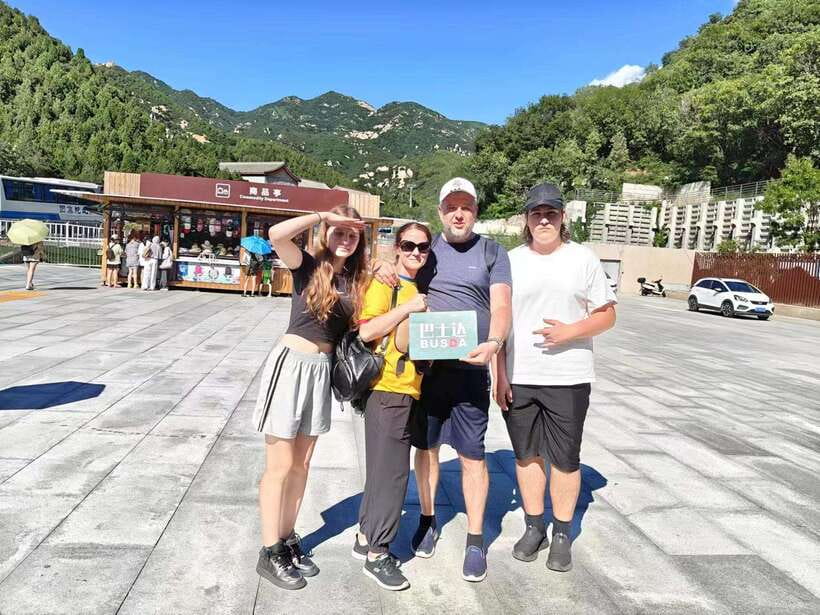
This tour is designed as a full day, not a quick “arrive, photograph, leave” formula. The schedule is built around two main chunks of Wall time separated by a short transfer, which helps you avoid that constant back-and-forth feeling.
Here’s what the day’s structure looks like in practical terms:
Transfer and first Wall sightseeing (about 2 hours)
After the 1.5-hour drive, you’ll get your first about 2 hours of Wall sightseeing. Early in the day, you’re still fresh, and this is when your guide tends to get you oriented—how to read the Wall’s structure, what to watch for, and where it makes sense to start walking.
A good strategy here is to decide quickly whether you’re chasing views or chasing photos. If you’re doing both, move steadily at the beginning, then slow down once you’ve found the towers and ridgeline sections that match what you came for.


A short coach move (about 15 minutes)
After that first sightseeing stretch, there’s a brief 15-minute transfer. This is usually the moment where the day shifts from one Wall approach to another.
The value of this step is simple: it reduces wasted time. Instead of hiking long distances between viewpoints without a plan, the tour sequence gets you into a better position for the rest of the day’s walking.
Second segment: visit time (about 2.5 hours)
Next is about 2.5 hours of “visit” time. This is where the ancient-remnant focus becomes the heart of the day. You’re looking for the weathered, less-reconstructed feel—the sections that give you the sense of being on the Wall as it has survived rather than as it’s been restored for crowds.
This is also the part of the day where you can control your effort. If your legs are strong, you’ll cover more towers and ridges. If you want it gentler, stick to the easier connected sections and spend time looking closely rather than just walking for walking’s sake.
Final sightseeing chunk (about 2.5 hours)
Then you get another about 2.5 hours of sightseeing before heading back. This final chunk matters because the Great Wall is best experienced when you’re not rushing. By the end, you can take more breaks, linger at viewpoints, and adjust for weather without panicking about missing a “must-see” in a rigid checklist.
If the site gets crowded in certain access points, this later time can feel calmer if you follow your guide’s route choices earlier.
Cable Car Choice: Avoid the Line, or Ride It

Cable car access is listed as optional, at 140 RMB per person. The key is not whether you can take it, but what it costs you in time and energy.
During busy periods, queues at the cable car can get long. One practical tip that’s consistent with how these days run: if lines are heavy, many people do better by hiking to the Wall’s key points rather than trying to “beat the crowd” by waiting in the wrong queue. Some guides may route you toward a less chaotic starting point, like heading toward Tower 1, depending on where you enter and how the day looks.
Weather can also change the cable car situation. On a bad weather day, cable car service may stop, and the guide’s role becomes even more important for making sure you return correctly.
My advice: if you’re going for photos and don’t mind paying extra, cable car can save leg effort. If you’re chasing calm and want to keep costs down, consider walking at least part of the way. Either way, ask your guide early what they recommend that day, because crowd patterns can swing fast.
English Guide Help That Actually Saves Time
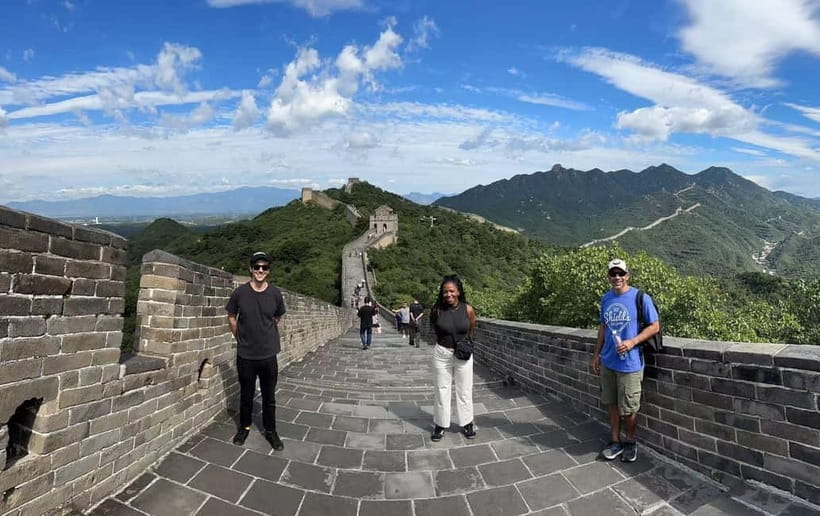
An English-speaking guide (when included in your option) is a real difference-maker here. Not because you get a lecture, but because the guide handles the friction points—ticketing, direction on where to go, and keeping the group on schedule.
Several named guides get praised for the same core things: clear English instructions, helping you stay oriented, and being responsive when conditions change. You might see guides named Alice, Evelyn, Linda, Betty, Amy, Elan, Lee, Kathy, Aria, and Yuly mentioned for being punctual and helpful, including organizing tickets so you’re not stuck.
A subtle but important point: on the Great Wall, direction matters. Even if you’re in the right zone, walking the wrong route can dump you into the thick crowd. More than one guide-style strategy is about moving you to quieter sections by following an informed path rather than wandering.
So if you want a day that feels organized but not robotic, this is one of those trips where the guide can be the difference between “I saw the Wall” and “I enjoyed the Wall.”
What to Bring (and What to Leave Unplanned)
This is a day trip where small prep beats last-minute stress.
Bring:
- Passport or ID card (your ID is explicitly required for the day)
- Your passport with you, too—because your passport number is required to book the Great Wall entrance ticket in advance
Money-wise:
- Cash if you don’t have Alipay and WeChat. The tour data flags that credit cards can be inconvenient inside the scenic area.
Clothes:
- You’re outdoors on a mountain for hours. Even in mild seasons, the wind can make “standing still for photos” feel colder than you expect.
And one more human tip: since this day is organized around a schedule, be ready to move at the pace your guide sets. This works best when you’re not trying to keep your own private timeline.
Food and Nearby Stops: A Flexible Day, Not a Shopping Circuit

The tour is described as having no shopping stops, no scams, and no detours. That’s not just a “nice to have.” It changes how the day feels.
Instead of spending hours being guided through stores, you spend that time on the Wall and in the Badaling area itself. The longer sightseeing chunks give you room to eat and take breaks on your own terms.
Some guides also help with optional nearby entertainment, including a short Chinese Cultural Show in the area that runs about 50 minutes. It’s not described as guaranteed or included in the core tour description, so think of it as something your guide might help you arrange if timing works and you want it. If you do go, arriving early for seating can help.
Who This Great Wall Day Trip Is Best For
Pick this tour if you want:
- The feel of an ancient, less-restored section, not only the fully rebuilt hotspots
- A more relaxed day with time on the Wall, plus guidance for where it’s calmer
- Clear logistics and fewer distractions, since it’s built as a straightforward sightseeing day
It’s especially good for:
- First-time Great Wall visitors who don’t want to be overwhelmed by planning
- People who want quieter walking time and more “you-and-the-structure” moments
- Anyone who values English support for ticketing and navigation
If you want the easiest possible access with minimal walking and you only care about the most famous photo spots, you might find a more standard, cable-car-heavy route better suited. But if you care about the Wall’s original character and want a day that feels purpose-built, this version makes sense.
Should You Book This BusDa Badaling Ancient Great Wall Trip?
I’d book it if your priority is the Badaling Ancient Remnant experience and you want a day designed around the sightseeing itself. The price is fair for an 8-hour outing that includes transfers, entry tickets, and real guide support, plus it’s built to avoid shopping distractions.
Book it especially if you:
- Want a quieter Wall route and plan to follow your guide’s direction
- Prefer the schedule to be handled for you
- Appreciate practical help around ticket lines and local payment realities
Skip or reconsider if:
- You strongly dislike outdoor walking in cold/windy conditions and you need fully sheltered viewpoints
- You’re looking for a very short, low-effort outing (this one is more of a real day on the Wall)
If you line up your prep (passport ready, cash available, warm clothes packed), this is one of those Great Wall days that feels like you’re actually going somewhere, not just passing through.
FAQ
Where is the meeting point for the Badaling Ancient Great Wall tour?
Meet at Beitucheng Station, Exit C. If you take a taxi, show the driver the address 北土城地铁站C口.
How long is the tour from pickup to drop-off?
The total duration is about 8 hours.
What’s included in the price?
It includes round-trip transfer (air-conditioned bus or car depending on your option), the entry ticket, and an English-speaking guide if your selected option includes it. Hotel pickup and drop-off are also included if you choose an option that offers it.
Is the cable car included?
No. The cable car is optional and costs 140 RMB per person.
Do I need a passport for this tour?
Yes. You’ll need your passport (or ID card) for the day, and the passport number of all participants is required in advance to book the Great Wall entrance ticket.
What should I bring for payment?
Credit cards can be inconvenient in the Great Wall Scenic Area. If you don’t use Alipay and WeChat, bring cash.
How do I get to the meeting point using public transit?
You can take Subway Line 8 or 10 to Beitucheng Station and exit at Exit C.
Is the tour wheelchair accessible?
Yes, the tour is listed as wheelchair accessible.