REVIEW · BEIJING
Beijing liulichang : Learn Calligraphy orCarving from Master
Book on GetYourGuide →Operated by Sino-Voyages · Bookable on GetYourGuide
A quiet workshop beats another crowded stop. In Liulichang, you get a hands-on session where you actually make Chinese art—calligraphy, fan painting, or a personal seal—while local guides keep the stories practical and human. I love the small-group feel, and I love that you leave with something you made yourself, not just a photo.
One thing to plan for: transportation isn’t included, so you’ll need your own way to reach Liulichang East Street. Still, the 2 to 2.5 hour format is a good match if you want real culture without burning half a day.
In This Review
- Key things you’ll notice right away
- Finding Liulichang East Street and the workshop calm
- Choosing your craft: calligraphy, fan painting, or seal carving
- Calligraphy: writing with ink, pressure, and patience
- Fan painting: bamboo, orchids, and a real silk object
- Seal carving: your name chop, practiced first on extra stone
- Why the master setup and small group format really help
- What you take home (and how to actually use it)
- Price and value: what $75 buys you in real terms
- Who this workshop is best for
- Should you book Beijing Liulichang Calligraphy or Carving?
- FAQ
- What art can I choose in the workshop?
- How long does the experience take?
- Where is the meeting point?
- Is transportation to the venue included?
- What languages are used during the class?
- Do I need any prior experience to join?
- Is the workshop wheelchair accessible?
- Is this experience suitable for young children?
- Can I cancel or pay later?
Key things you’ll notice right away
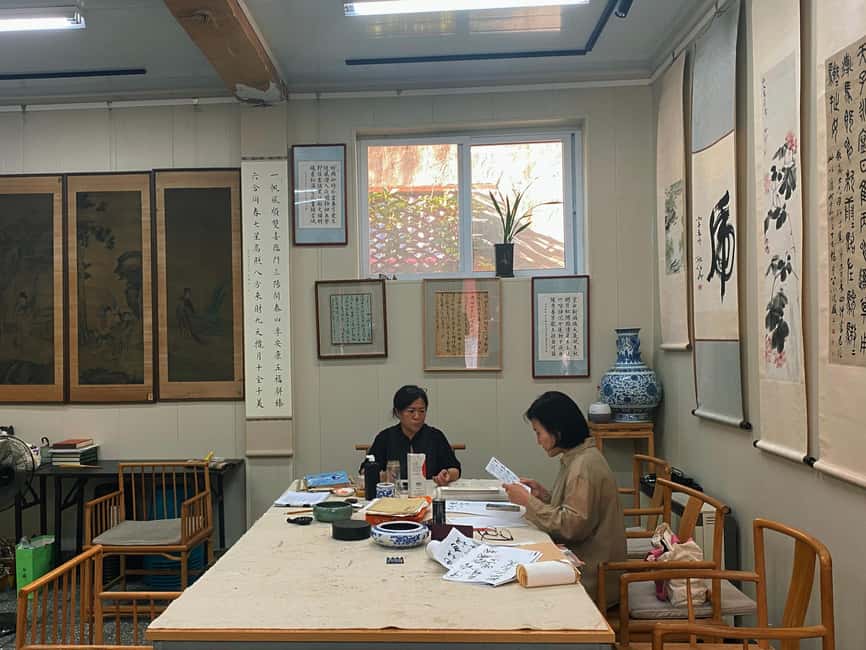
- Liulichang studio setting: you start near Liulichang East Street and get a short area orientation before you go inside.
- Pick one art you care about: calligraphy, fan painting, or seal carving are separate paths with real instruction.
- You practice before the final work: especially in seal carving, you work on extra stones first before engraving the real characters.
- Master artisan guidance + English support: the workshop is run with expert teaching and English/Chinese help.
- A take-home souvenir with identity: rice paper calligraphy, a silk round fan, or your own Chinese name chop.
Finding Liulichang East Street and the workshop calm
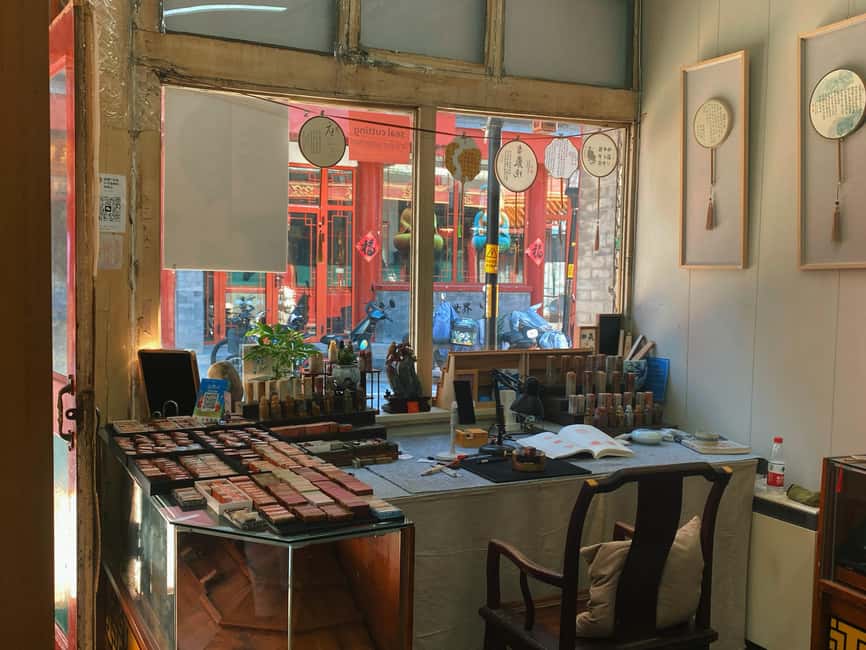
Liulichang is one of those places in Beijing where the vibe changes the moment you slow down. You meet at the small square entrance of Liulichang East Street, and you’ll know you’re at the right spot because the guide holds a sign that says Sino-Voyages. From there, you get a brief tour of Liulichang first, just enough to set the scene and help you understand why this area is tied to the arts.
This start matters more than it sounds. If you only show up at the workshop door, you might miss the cultural logic of the district. A short walk also helps your brain switch from sightseeing mode to making mode.
Then you head into a serene studio. That quiet room time is part of the value here. You’re away from the big crowd energy, and the focus is on your hands, your materials, and your final piece.
You can also read our reviews of more tours and experiences in Beijing.



Choosing your craft: calligraphy, fan painting, or seal carving
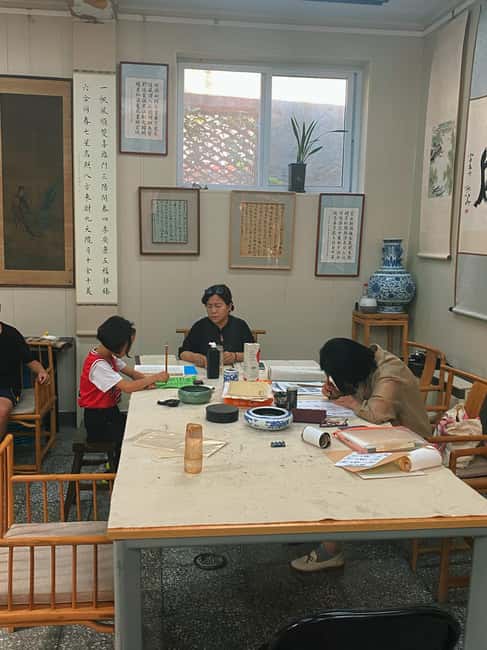
The workshop is built around one core idea: you choose your own art path. You’re not just watching someone else do the work. You pick from three classic forms—The Meditation of Ink (Calligraphy), The Elegance of the Fan (Fan Painting), or The Seal of Identity (Seal Carving)—and you work toward a souvenir that feels personal.
Here’s how I’d choose if you want the session to feel satisfying, not just educational:
- Pick calligraphy if you like slow focus and want something you can display or gift.
- Pick fan painting if you want color, design, and a practical object (a fan you can actually use).
- Pick seal carving if you want a signature item tied to Chinese identity and tradition.
The workshop structure also makes it easier to commit. You only do one main path, so you don’t feel rushed trying to master three things. At the same time, the studio has a playful side—some classes include extra time to try related practice, like writing calligraphy along the way, depending on the session rhythm.
Calligraphy: writing with ink, pressure, and patience
If you choose calligraphy, you’ll learn brushwork the traditional way: focus, control, and rhythm. The workshop calls it The Meditation of Ink for a reason. Your job isn’t to create perfection. Your job is to learn how the brush stroke carries meaning.
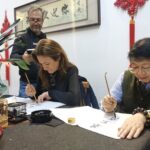
You’ll get guidance from the artisan, and you’ll work on rice paper. The goal piece is specific: you can write a meaningful Chinese proverb or your own name. That choice is what makes the final souvenir feel like yours, not like a printed sample.
A practical tip as you decide on the content: if you pick a proverb, choose one that matches your personality or a travel theme. If you pick your name, double-check the characters you want before you start—small setup decisions pay off when you’re under the brush.
In the studio, you’ll likely also spend time practicing before the final version, because calligraphy is mostly about consistency. You get the feeling of learning the technique rather than just copying a finished model.
Fan painting: bamboo, orchids, and a real silk object
Fan painting is a smart pick if you want something more visual right away. The workshop route is The Elegance of the Fan, and you paint on a delicate silk round fan. Silk changes the game compared to paper. Even with beginner instruction, it pushes you to slow down and respect the surface.
You’ll choose a classic motif like bamboo or orchids. That’s a big part of why this souvenir works for travelers: it’s both art and an object. You can carry it, show it, and use it, not just store it.
This option also tends to feel approachable. Even if you’ve never painted before, you’re working with a guide and a clear final target. You’re not chasing a complicated landscape or an advanced technique you saw online. You’re making one controlled piece that fits the traditional fan format.
Seal carving: your name chop, practiced first on extra stone
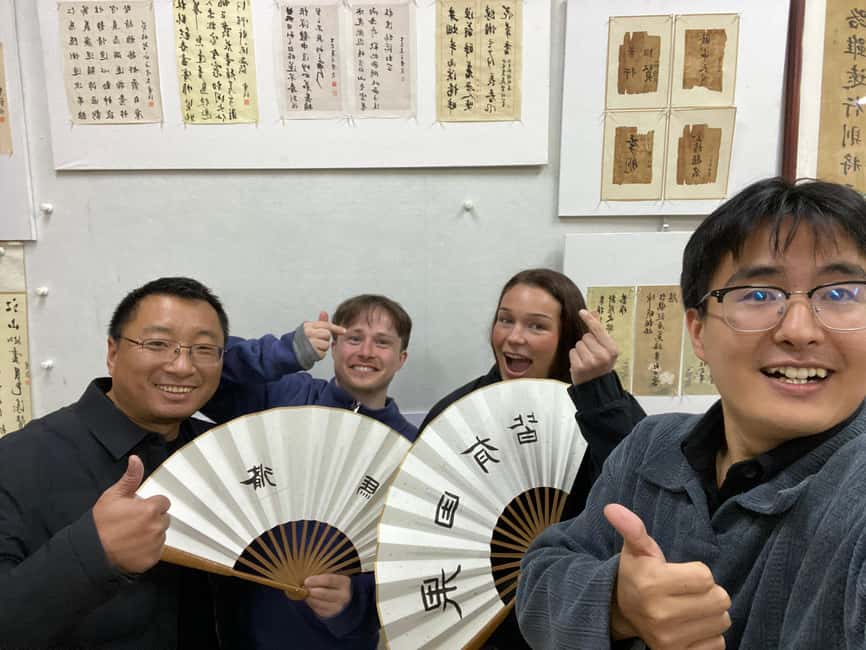
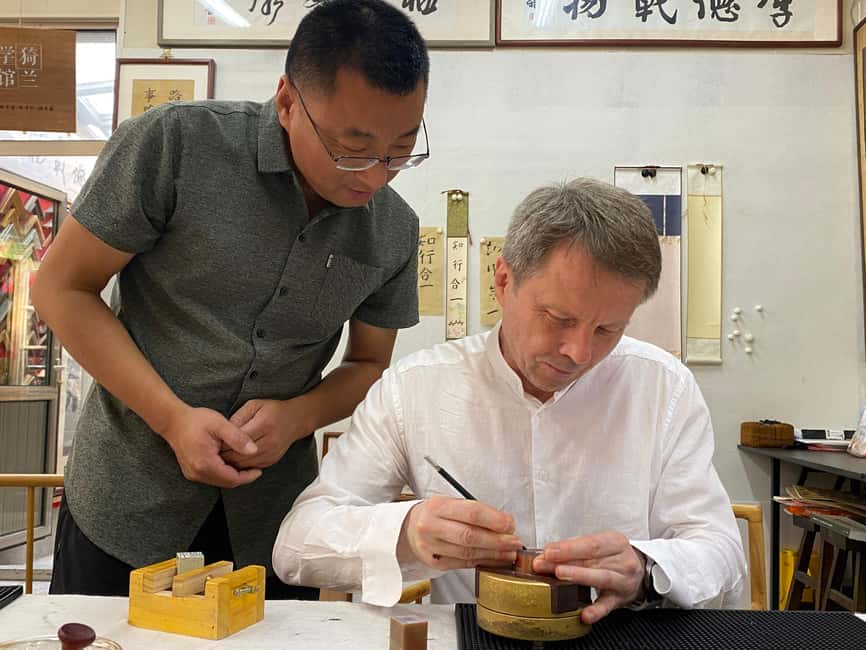
Seal carving is the most “I made it” feeling of the three options. The workshop calls it The Seal of Identity, and what you leave with is your own Chinese name chop—a traditional stamp used as a signature. That identity piece is why many people pick this option. It’s functional, symbolic, and unmistakably personal.
You’ll carve the characters, with instruction from a master artisan in the studio. One of the best parts here is the practice stage. In the most satisfying versions of this class, you get to practice a lot on other stones before you carve the real one. That matters because seal carving is unforgiving: one mistake is part of the learning, but practice reduces the stress.
Communication is also handled well. In at least one class experience, interpreters helped bridge between the master and English-speaking learners, so you could ask questions and get feedback clearly. Even if you’re comfortable in Chinese, that kind of support can save time and prevent frustration.
If you’re choosing what to engrave, think about legibility. Your goal isn’t to carve a sculpture. Your goal is to create a readable character-based seal that matches the style you’re taught.

Why the master setup and small group format really help
A lot of cultural activities promise authenticity. This one delivers in a practical way: you work in a traditional studio with an expert artisan, and you’re in a private or small-group setup. That means you’re not stuck waiting for the instructor to come around after they’ve helped 20 people.
This matters most at the exact moment you need feedback. Calligraphy needs correction in stroke angle. Painting needs nudges on how you apply motif elements. Seal carving needs guidance on the cut depth and how the characters are shaped.
The studio also gives you cultural insights into the history and meaning of each art form. The payoff is that you start to understand what you’re making, not just how to make it. When someone explains why seals function as signatures, for example, your final seal feels less like a craft souvenir and more like a cultural tool.
One more detail that makes a difference: the guides are patient and encouraging. In one experience, Bruce Gao and a friend led the class with clear support, and that tone keeps beginners from feeling exposed. When you’re carving or painting, you want a teacher who sees effort, not just outcomes.
What you take home (and how to actually use it)
You’ll leave with a personalized, handmade artwork based on your chosen path. That’s the key. This isn’t a “watch and leave” class. You carry out something you made with your own chosen name, proverb, motif, or seal characters.
Here’s what you should expect to bring home depending on your choice:
- Calligraphy: your piece on rice paper, with your proverb or your name.
- Fan painting: your painted silk round fan with a classic motif.
- Seal carving: your Chinese name chop, carved by you and guided by the master.
Practical note: these are handmade items, so treat them like you would any carefully made art object. Keep the work flat, handle gently, and plan how you’ll pack it. If you’re traveling with limited luggage space, fan and calligraphy are usually easier to handle than heavier keepsakes, but seal items can be compact and carry well.
Price and value: what $75 buys you in real terms
At $75 per person for about 2 to 2.5 hours, the price feels fair if you compare it to what you get. You’re paying for more than instruction—you’re paying for materials (provided), master guidance, and the fact that you create a take-home souvenir.
Transportation isn’t included, which is worth factoring in when you’re budgeting. But even with that, the value holds if you want an activity with a clear creative payoff. You’re not buying a ticket to sit in a hall; you’re buying time with tools, feedback, and an expert in a traditional studio.
The small-group structure helps justify the cost too. Better attention means faster correction and less wasted practice time. In other words, you’re not just paying for a class; you’re paying for your time to actually count.
Who this workshop is best for
This is a great match if you’re the type of traveler who likes to learn by doing. You don’t need prior experience, and curiosity is encouraged. That’s perfect for first-timers who want something more meaningful than another sightseeing checklist.
It also fits well if you want a break from the big tourist circuit. Liulichang gives you a calmer change of pace, and the studio time keeps the focus on craft rather than crowds. If you want a souvenir that carries a story you can tell, this is one of the more personal options in Beijing.
A couple of practical fit notes:
- It’s wheelchair accessible, so mobility shouldn’t be an automatic barrier.
- It’s not suitable for children under 5 years, so plan for age-appropriate participation.
Should you book Beijing Liulichang Calligraphy or Carving?
Book it if you want a hands-on cultural experience with a clear creative result. The best reason is simple: you leave with a personal artifact—calligraphy on rice paper, a silk fan, or your own Chinese name chop—made with guidance from a master artisan. The short duration makes it easy to fit into a Beijing day without losing your whole afternoon.
Skip it only if you want purely visual, effortless sightseeing. This class is work. You’ll create, practice, and focus. If you’re in the mood for that, you’ll enjoy it a lot.
If you like flexible planning, this experience also supports changing plans: there’s free cancellation up to 24 hours in advance and a reserve now pay later option. That lowers the risk if your schedule in Beijing shifts.
FAQ
What art can I choose in the workshop?
You can choose one hands-on activity: calligraphy, fan painting, or seal carving.
How long does the experience take?
The workshop lasts about 2 to 2.5 hours.
Where is the meeting point?
Meet at the small square entrance of Liulichang East Street, and look for your guide holding a sign that says Sino-Voyages.
Is transportation to the venue included?
No, transportation to the venue is not included.
What languages are used during the class?
The instructor supports English and Chinese.
Do I need any prior experience to join?
No prior experience is needed. The workshop is designed for beginners.
Is the workshop wheelchair accessible?
Yes, it’s listed as wheelchair accessible.
Is this experience suitable for young children?
It is not suitable for children under 5 years old.
Can I cancel or pay later?
Cancellation is free up to 24 hours in advance for a full refund, and you can reserve now and pay later.