REVIEW · BEIJING
Boutique Tour: 2-Day Beijing Sightseeing Custom-Made Combo
Book on Viator →Operated by Wikibeijing · Bookable on Viator
Beijing is fast-paced, and this plan helps. I like that you get a custom-made private itinerary built around your choices, not a one-size-fits-all checklist. You’ll start early, ride in a comfortable vehicle, and spend your time where it matters—Great Wall passes, imperial landmarks, and old-city stops—without spending hours mapping it all yourself. The best part is the door-to-door round-trip private transfers, so you’re not juggling meeting points while you’re half-awake.
I also really like the flexibility. You choose stops from the options (including a Great Wall pick and several city picks), and your guide turns that into a 2-day rhythm with realistic timing.
One thing to think about: this is a hit-heavy itinerary on foot and by transit. If you pick crowded stops like Badaling on a weekend or Tiananmen Square at a busy time, you’ll want to be ready for lines and people.
In This Review
- Key things that make this tour worth your time
- How the custom format works (and why that’s useful in Beijing)
- Price and logistics: what you’re really paying for
- Day 1: choosing your Great Wall section (Juyongguan, Badaling, Mutianyu, Huanghuacheng)
- Juyongguan Great Wall: the “easy access” pass
- Badaling Great Wall: classic, famous, and often crowded
- Mutianyu: scenic, less packed, and fun if you want options
- Huanghuacheng: wall over water and a calmer vibe
- Day 2: central Beijing sites, old streets, and big landmarks
- Tiananmen Square: the big-city anchor (and a time-saver)
- Forbidden City (Palace Museum): the must-see, budget enough time to absorb it
- Houhai (Back Lakes): a calmer break from monuments
- Drum and Bell Towers + panoramic views
- Jingshan Park: the classic viewpoint over the Forbidden City
- Liulichang Street: antiques and the glazed-tile connection
- Nanluoguxiang: a famous hutong street for snacks and strolling
- Temple of Heaven: rituals, emperors, and a massive cultural centerpiece
- Summer Palace: garden size plus the dragon boat option
- Beijing Olympic Park: modern landmarks after 2008
- Beijing Urban Planning Exhibition Hall: how the city thinks
- Markets: Panjiayuan Antique Market and Hongqiao/Pearl Market
- Lama Temple (Yonghegong): the big lamasery feel
- What it feels like to travel with a private guide here
- Best way to choose your 6 stops (so day two doesn’t sprint)
- Should you book this Beijing custom combo tour?
Key things that make this tour worth your time
- Private guide + private vehicle: you’re not waiting around for other groups to finish photos.
- Pick-and-mix stops: you can build a Great Wall day plus a city day around what you actually want.
- Entrance fees included: that helps your day-to-day costs feel more predictable.
- Mobile ticket: less fuss with paperwork during the visits.
- Great Wall options with different vibes: choose between easy access and calmer views.
How the custom format works (and why that’s useful in Beijing)
This is a private, two-day combo where you select your sightseeing mix. Your start time is 8:00 am, and the tour is scheduled as an organized 2-day flow rather than random drop-offs.
Here’s how you’ll build it: you pick 1 option from category A and 5 different options from category B when booking. Then the provider tailors the route to your chosen attractions and your hotel location, and sends you the plan before departure. That matters in Beijing, because the distances between the Great Wall and central sights can be punishing if you wing it.
Also, the trip is designed around private logistics: hotel pickup and drop-off are included, and you’ll travel by a business van (for groups of 1–5). In a city where traffic can turn “short rides” into long ones, that comfort and direct routing are part of the value.
You can also read our reviews of more tours and experiences in Beijing
Price and logistics: what you’re really paying for
At $368 per person for an approximately 2-day tour, the price is easiest to judge by what’s included. You’re not just buying transport and a guide—you’re also getting entrance fees covered and bottled water provided.
Meals and lodging are not included, so budget for lunch and snacks yourself unless you choose an all-inclusive option (the tour notes that quality lunches and Great Wall cable car are included only if you select the all-inclusive package). That’s a normal trade-off for a tour like this: you get flexibility and private routing, but you still handle your own hotel and most food choices.
If you’re traveling as a small group, this usually feels like good value because the private van and guide cost doesn’t need to be “split” across a huge bus crowd. You’ll also save time from less decision-making—especially helpful if your Beijing window is tight.
Day 1: choosing your Great Wall section (Juyongguan, Badaling, Mutianyu, Huanghuacheng)
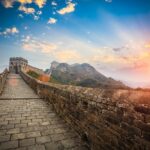
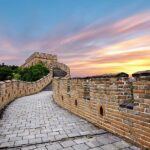
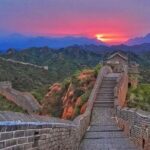
Most people remember the Great Wall as one thing. It isn’t. Each section has its own feel, crowd level, and access style. The beauty of this tour is that you can choose the version that fits your energy and tolerance for crowds. You’ll typically spend about 2 hours at each Wall stop you select.
Juyongguan Great Wall: the “easy access” pass
Juyongguan is described as China’s number one pass and is known for being easier to reach than some alternatives. If you want the Wall without committing to a half-day of transfers and uncertainty, this is the straightforward pick.
What I’d watch for: if it’s conveniently accessible, it can also be popular. Bring your patience for photo stops and take short breaks rather than forcing long stretches.
Badaling Great Wall: classic, famous, and often crowded
Badaling is one of the first sections opened to the public and remains the most popular. The big drawback is also in the description: it’s crowded on weekends and holidays. If your travel dates land on peak days, plan for lines, busier viewpoints, and more competition for “quiet wall time.”
The upside is that you’re going to recognize it instantly, and it’s a solid choice if you want a mainstream Great Wall experience with lots of services around.
Mutianyu: scenic, less packed, and fun if you want options
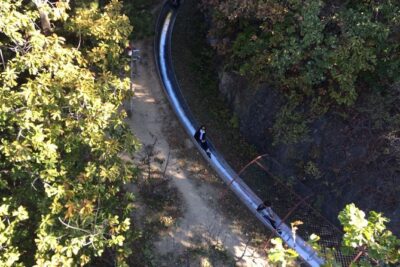
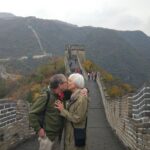
Mutianyu is often the sweet spot: the description calls it slightly less touristy than Badaling, with services like a cable car and toboggan/other lifts. If you like the Wall with a more relaxed pace—and you want ways to manage elevation and stairs—Mutianyu is a strong pick.
The practical benefit: having built-in options helps when weather changes or your group has mixed hiking preferences.
Huanghuacheng: wall over water and a calmer vibe
Huanghuacheng is built through a lake and is described as more peaceful, especially between April and October, when boats are available to rent. If you’re tired of the Wall being purely rocky and steep and you want a more “scenic landscape” feel (literally, with water), this is a great contrast.
Consideration: boat availability is seasonal, so your time of year matters.
Day 2: central Beijing sites, old streets, and big landmarks
Day 2 is where Beijing can either feel organized or overwhelming. The key is to pick places that match your day. This tour gives you a menu of major sights and supporting neighborhood walks, and your guide helps build order.
Tiananmen Square: the big-city anchor (and a time-saver)
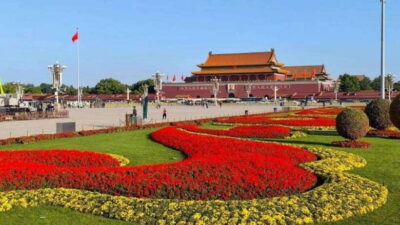
You’ll stop at Tiananmen Square for about 40 minutes, and the main point here is orientation. The square is described as the largest city-center square in the world, with iconic buildings like the Great Hall of the People and Chairman Mao’s Mausoleum nearby.
If you’re short on time, this stop helps you connect later sights visually. The only caution is crowd flow—this is central Beijing, so expect activity.
Forbidden City (Palace Museum): the must-see, budget enough time to absorb it
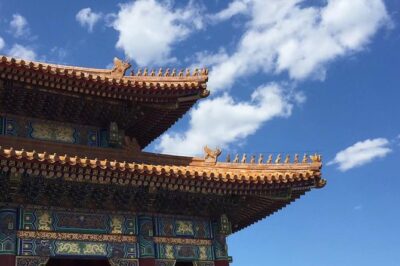
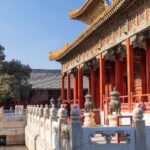
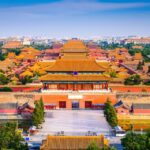
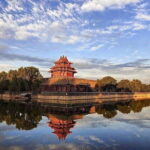
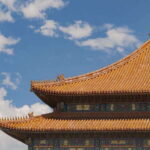
The Forbidden City stop is 1 hour 30 minutes, and yes, it’s a must-see. It’s presented as the world’s largest imperial palace, with Ming and Qing emperors living there for over 500 years.
How to use your time well: this is not a “rush through everything” place. I’d focus on highlights your guide points out, then step back for wide views and courtyard moments rather than trying to read every plaque.
Houhai (Back Lakes): a calmer break from monuments
Houhai is listed as free and takes about 1 hour. It’s described as one of the few older parts of Beijing, with history tied to high-ranking officials and even princes during the Ming and Qing dynasties.
This is a good pacing tool on day two. After museums and palaces, you’ll likely appreciate the slower rhythm—walk a loop, watch the lake area, and let the scale of Beijing slow down in your head.
Drum and Bell Towers + panoramic views
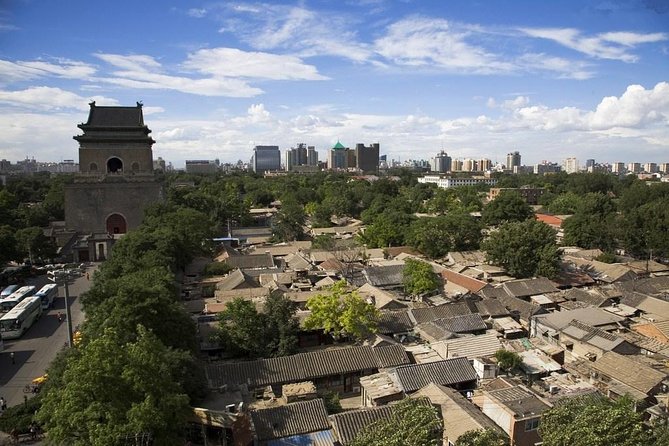
Drum & Bell Towers are included with about 40 minutes. The key feature is going up the Drum Tower for a panoramic view of the Hutong neighborhood and the older historic feel of the area.
If you like urban viewpoints, this stop is a practical addition. It helps you “see” Beijing in layers—old lanes below, major areas beyond.
Jingshan Park: the classic viewpoint over the Forbidden City
Jingshan Park is another viewpoint, with about 40 minutes, and it’s described as one of the best places to look over the Forbidden City and downtown and old-city areas.
I like pairing viewpoint stops because it reduces museum fatigue. You’ll get more emotional impact from one or two strong views than from squeezing in an extra attraction you barely enjoy.
Liulichang Street: antiques and the glazed-tile connection
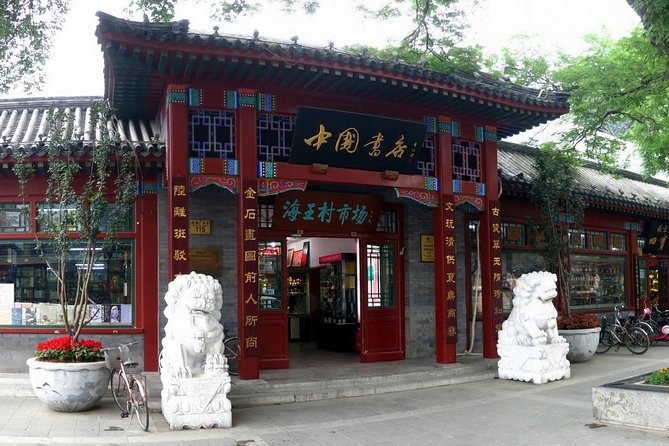
Liulichang is listed for about 1 hour and is free. It’s described as a street of shops selling antiques and curios, built with traditional Chinese stone houses. It’s also tied to old craft history—glazed tiles associated with the Forbidden City.
If you enjoy browsing rather than buying, this stop can be a low-stress break. It’s also a good place to pick up small, specific souvenirs rather than generic ones.
Nanluoguxiang: a famous hutong street for snacks and strolling
Nanluoguxiang is described as one of the oldest Hutongs in Beijing (over 740 years) and is now a popular shopping and snack street. You’ll have about 1 hour, and it’s free.
Practical tip: decide what you want before you start walking. If you try to taste everything, you’ll end up skipping the rest of the day. If you pick one snack stop and one browsing stop, you’ll enjoy it more.
Temple of Heaven: rituals, emperors, and a massive cultural centerpiece
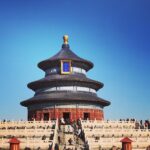
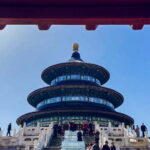
Temple of Heaven is listed for about 1 hour and includes admission. It’s where Ming and Qing emperors performed ritual ceremonies.
This is a good choice if you want something beyond palaces—more open space, more symbolism, and a different “Beijing feeling.” Plan for calm walking and a few moments to look across the grounds.
Summer Palace: garden size plus the dragon boat option
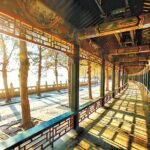
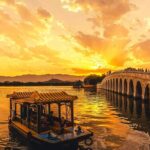
Summer Palace is described as the largest and best-preserved imperial garden in China, with about 1 hour 30 minutes and admission included. Between April and October, the listing notes you can take a dragon boat.
This stop works well as a contrast to the Great Wall and a break from dense museum interiors. If you’re sensitive to crowds, consider choosing your exact time carefully inside the park—your guide can help you manage flow.
Beijing Olympic Park: modern landmarks after 2008
Beijing Olympic Park is listed for about 40 minutes. After the 2008 Olympics, the structures there became symbolic in the city alongside the Great Wall and Forbidden City.
It’s a short, photo-friendly walk. Don’t expect it to replace the old-city sites—it’s more of a “modern Beijing snapshot.”
Beijing Urban Planning Exhibition Hall: how the city thinks
This is included with admission and about 1 hour. It’s positioned as a way to understand Beijing’s history and urban planning achievements, plus future development.
If you like context—how a city grows—this can be a smart stop. If you don’t enjoy indoor exhibits, treat it as optional when picking your six stops.
Markets: Panjiayuan Antique Market and Hongqiao/Pearl Market
Two market options are included in the menu.
- Panjiayuan Antique Market (free, about 1 hour) is described as the largest, cheapest, and most popular antique market in Asia, with a wide range of antiques and oddities. It’s best on weekends for souvenirs at lower prices.
- Pearl Market (Hongqiao Market) (free, about 1 hour) is described as a major knock-off market in Beijing.
If your goal is bargaining or curious browsing, markets can be fun. Just keep your expectations realistic: one is an antiques/odds-and-ends market; the other is openly described as knock-offs.
Lama Temple (Yonghegong): the big lamasery feel
Lama Temple is included with admission and about 1 hour. It’s described as the largest lamasery in Beijing and associated with famous Qing emperors.
This is a great balance to the more political feel of Tiananmen and the Forbidden City. You’ll likely find it calmer and more focused than the busiest squares and gates.
What it feels like to travel with a private guide here
The most consistently praised element in the experience is the guide quality. Names like Bob, Dana Yue, and Maria come up, and those are the kinds of guides who don’t just recite dates. They help you connect the what-you-see to the why-it-matters.
You’ll also ride with an excellent driver (Lu is mentioned in one case). In Beijing, that combination—good guide plus someone who handles traffic and timing—makes your day feel smoother than doing it yourself.
If you like asking questions, this format rewards you. If you prefer minimal talking and mostly quiet walking, you can keep it simple and let your guide handle the pace.
Best way to choose your 6 stops (so day two doesn’t sprint)
Since you pick your own six options, I’d use a simple rule: choose two anchors and four support stops.
- Anchor your Great Wall day with the Wall section that fits your crowd tolerance.
- Anchor your city day with one “big monument” (Forbidden City or Temple of Heaven) and one viewpoint (Jingshan Park or Drum Tower).
- Build the rest around breaks: Houhai for breathing room, and one neighborhood street (Liulichang or Nanluoguxiang) for local texture.
If you want a classic first-timer mix, you’ll likely include Forbidden City, Tiananmen Square, and one of the Wall sections like Mutianyu or Badaling. If you want a calmer and more scenic vibe, lean toward Huanghuacheng and add Houhai and Jingshan Park for views.
Also, plan your day around energy. The stops vary in walking and crowd density, and your selections can either keep the pace comfortable or turn day two into a long sprint.
Should you book this Beijing custom combo tour?
Yes—if you want control without the planning headache, this is a smart way to see Beijing in two days. The value is strongest when you take advantage of what’s included: entrance fees, private guiding, and hotel pickup/drop-off.
Book it if:
- Your time is short and you’d rather pay for a plan than guess your way around.
- You want a Great Wall section matched to your comfort level.
- You like the idea of choosing stops instead of being locked into a fixed route.
Skip it (or adjust your stop choices) if:
- You know you hate crowds and you’re traveling during peak days. In that case, pick the Wall sections and central sights that give you a better crowd fit.
- You prefer self-guided travel and don’t want to coordinate around an 8:00 am start.
If you do book, put real thought into your six selections. That’s where the tour’s flexibility pays off most.