REVIEW · BEIJING
Beijing: Zhongshan Park Entrance Ticket
Book on GetYourGuide →Operated by China Tour Guide · Bookable on GetYourGuide
Zhongshan Park is Beijing’s quiet switch from grand sights. It’s a former imperial altar site turned public park, so you get real Ming and Qing-era architecture in a walkable garden setting. I especially like that this is a straight entrance ticket: no tour script, no time wasted, just you and the park. One thing to watch: this ticket is only for admission, so you’ll need to handle your own pacing, navigation, and getting there.
The price is fair for what you get, but the biggest variable is entry paperwork. You must provide each visitor’s passport details and a valid email/WhatsApp for the QR code, and if anything mismatches at the access point, it can cause delays (one documented case involved about 30 minutes at the control). If you keep your info clean and matching, the whole day runs smoother.
In This Review
- Key things I’d focus on before you go
- Zhongshan Park isn’t just another city park
- What your $12 ticket covers (and what it doesn’t)
- Booking the day before: how to avoid the QR-code chaos
- Where to meet: Zhongshan Park Entrance Gate
- Inside the park: the altar-and-garden mix you came for
- Five-color Soil Altar and the ceremony structures
- Yu Garden: a garden you can watch
- Laijin Yuxuan teahouse: century-old pause
- A practical 1-day self-guided route (no guide required)
- Skip-the-line entry: how to make it actually work
- Who this entrance ticket suits best
- Should you book this Zhongshan Park entrance ticket?
- FAQ
- How much is the Zhongshan Park entrance ticket?
- How long do I have with this ticket?
- Do I get a guided tour with this ticket?
- What’s included in the price?
- What’s the meeting point?
- What do I need to bring?
- When should I book?
- How do I receive the ticket QR code?
- Is hotel pickup or drop-off included?
Key things I’d focus on before you go
- Entrance-only, no guide: You’re buying admission to Zhongshan Park, not a guided experience.
- One-day advance booking: Plan ahead so your QR code is ready in time.
- QR ticket delivery matters: Send full name, passport number, and an email or WhatsApp for the QR images.
- Skip the ticket line (in practice): It’s listed as skip-the-line, but entry can still snag if details don’t match.
- Worth it for self-guided history: You can read the site at your pace among altar buildings and gardens.
- Wheelchair accessible: The ticket option states wheelchair access.
Zhongshan Park isn’t just another city park

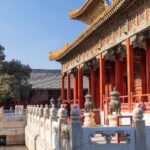
Beijing has plenty of parks, but Zhongshan Park has a specific identity. It’s not a modern landscaping project. This place started as the Shejitan, the Altar of Land and Grain, built in 1421 under the Ming era’s “left ancestral temple, right altar” concept. In plain terms: this was where emperors performed ceremonies tied to agriculture and national prosperity—so the layout and structures weren’t random garden ornaments.
Later, it shifted roles. In 1913 it became a public park called Central Park. In 1928 it was renamed Zhongshan Park in memory of Sun Yat-sen. That change from imperial sacrificial grounds to public green space is the reason the park feels interesting today. You’re walking through a site that was designed for ceremony, then opened for everyday visitors.
For me, the biggest “value” of this ticket is that it lets you experience that layered story without needing to join anything complicated. You can spend your energy actually looking at what’s there: altar spaces, specialized ceremony structures, and garden corners like Yu Garden with goldfish.
You can also read our reviews of more tours and experiences in Beijing



What your $12 ticket covers (and what it doesn’t)

This option is simple: admission to Zhongshan Park. There’s no guided tour included. There’s also no hotel pickup or drop-off. Meals aren’t included either.
That means you should mentally frame this as a self-guided day plan. You’ll want to decide ahead of time:
- how long you want to wander
- what you want to prioritize inside the park
- how you’ll get to the meeting point area
The upside is flexibility. For $12 per person, you’re basically paying for a hassle-free entry pass—especially since it’s listed as skip-the-ticket-line. The downside is you won’t have someone to interpret the altar buildings for you. If you like history but also like going at your own speed, that’s fine. If you prefer a guide to explain everything step-by-step, you may find an entrance-only ticket less satisfying.
Booking the day before: how to avoid the QR-code chaos

Your ticket depends on a QR code sent after booking. The key points are very practical:
- You must book at least one day in advance.
- After booking, you need to contact the provider to send each visitor’s full name, passport number, and your email or WhatsApp for receiving the QR images.
- The ticket is delivered as electronic ticket QR codes; it notes that images can’t be received via messages, so you must provide a valid address.
This is the part where one of the documented problems happened. One booking reportedly had an issue with the voucher, and the person had to argue with access control for about 30 minutes to get in. That kind of delay usually comes from a mismatch between what the gate system expects and what’s on the QR.
Here’s how you protect yourself:
- Use exactly the same spelling and numbering for names and passport details you provided in the booking step.
- Make sure your email/WhatsApp is active and can receive the QR images.
- Have the QR accessible on your phone screen when you arrive.
If you do those things, the experience is likely straightforward—one listing notes very good organization, which usually means the QR flow worked smoothly.
Where to meet: Zhongshan Park Entrance Gate
Your meeting point is Zhongshan Park Entrance Gate. This matters because there’s no pickup service. You’ll need to get yourself there, show your QR at entry, and then start your self-guided route inside.
If you’re arriving during busy periods, arrive with a calm plan. Even with skip-the-line listed, access control has to verify identity details against the QR. Think of this like airport-style checks: they go fast when the documents match and the QR is ready.
Inside the park: the altar-and-garden mix you came for
Zhongshan Park covers 23.8 hectares, so it’s big enough to feel like more than a quick stroll. But it’s also small enough that one day can work if you choose a sensible loop.
The park’s main identity is altar-based. You’ll find major structures connected to ceremony and storage, plus garden attractions that make it pleasant to stay longer.

Five-color Soil Altar and the ceremony structures
The park includes the Five-color Soil Altar, along with other ceremony-related buildings such as:
- Sacrificial Kitchen
- Sacrificial Storehouse
- Animal Sacrifice Pavilion
Even if you’re not a history nerd, these stop points make sense. They’re specialized. They aren’t designed like generic pavilions. The naming alone tells you what role each space played in imperial ritual: preparation, storage, and the offering process.
When you visit on your own, I think this is one of the best ways to understand why the park layout matters. Instead of treating the site like a scenic backdrop, you can read it as a designed sequence—almost like walking through a museum exhibit, but outdoors.
Yu Garden: a garden you can watch
Yu Garden is another highlight. It’s listed as a place where visitors can watch precious goldfish. That’s a classic “pause and look” experience. You can slow down here in a way that altar buildings won’t always invite.
If you want one part of the day to feel lighter and more relaxing, this is a strong candidate. It also gives your feet a break after longer altar-area walking.
Laijin Yuxuan teahouse: century-old pause
In the east of the park, there’s a century-old teahouse called Laijin Yuxuan. A teahouse at the middle of an old ceremonial site is exactly the kind of contrast I love in Beijing. It turns your visit from strictly architectural/history mode into something more human.
Even if you don’t plan a long sit-down, just knowing it’s there helps you pace the day. Tea-style breaks can save your energy for the parts of the park that take more attention.
A practical 1-day self-guided route (no guide required)

Because this ticket doesn’t include a guided tour, you’ll want a simple plan. Here’s one workable approach based on the park’s known highlights.
Start at the entrance gate and take a quick orientation walk—just enough to get your bearings. Then I suggest grouping your time like this:
- Ceremony core first: spend time around the altar-related buildings like the Five-color Soil Altar and the Sacrificial Kitchen/Storehouse areas.
- Garden pause mid-visit: go to Yu Garden to watch goldfish and reset your pace.
- Teahouse finish: wrap up toward the east at Laijin Yuxuan for a calmer end to the day.
This structure matters because it reduces decision fatigue. Instead of wandering randomly and losing track, you’ll hit the park’s distinct “modes”: ritual architecture, garden viewing, then a traditional stop.
How long should you spend? You’ll control that. The ticket is valid for one day and the park is large enough to support a slower visit, but also easy enough to compress if you’re on a tight Beijing schedule.
Skip-the-line entry: how to make it actually work

The ticket option states skip the ticket line, which is great on paper. But one documented issue shows that access control can still get stuck when the voucher or QR details don’t align.
So treat entry like a small task:
- Bring your passport (it’s specifically listed as what to bring).
- Have the QR ready on your phone or device.
- Verify your QR delivery was successful before you head to the gate.
If something feels off—names, spelling, or the QR content—don’t wait until the last minute to react. Deal with it early, while you still have time to sort it out.
And if everything matches, you should find this is exactly the kind of ticket that saves time. Entrance-only tickets are only valuable if the gate process runs smoothly, and the overall rating suggests most bookings work without drama.
Who this entrance ticket suits best
This is a smart fit for:
- You if you like self-guided travel and want to control your pace inside a historic site.
- You if you’re comfortable using your own curiosity to read what you see (altar buildings, sacrifice-related structures, garden corners).
- You if you’re trying to keep costs down and don’t want to pay for hotel pickup or a tour guide.
It’s less ideal if:
- You want a guided explanation of the altar symbolism and structure.
- You dislike paperwork steps like sending passport numbers and coordinating QR delivery.
In other words: this ticket works when you’re the kind of traveler who enjoys reading the place yourself, not when you want someone to do the interpretation for you.
Should you book this Zhongshan Park entrance ticket?

Yes, I’d book it if you want a straightforward, affordable way to visit Zhongshan Park and you’re comfortable doing the interpretation on your own. At $12, the value is strongest when your goal is to walk the site and take in the altar structures, Yu Garden goldfish viewing, and the century-old teahouse at your pace.
Skip this (or pair it with other help) if you prefer guided context. Since this option doesn’t include a tour guide, you’ll rely on your own curiosity or outside reading.
My final practical advice: book one day ahead, send the exact passport and identity details, and use a real email/WhatsApp so the QR images arrive. Do that, and you’ll likely get the easy entry the ticket promises—then you can enjoy the park as it’s meant to be: ceremonial architecture turned public garden.
FAQ
How much is the Zhongshan Park entrance ticket?
The price is listed as $12 per person.
How long do I have with this ticket?
It’s listed as valid for 1 day.
Do I get a guided tour with this ticket?
No. This option includes only the admission ticket and does not include a tour guide.
What’s included in the price?
Admission ticket to Zhongshan Park.
What’s the meeting point?
Zhongshan Park Entrance Gate.
What do I need to bring?
You should bring your passport.
When should I book?
You need to book at least one day in advance.
How do I receive the ticket QR code?
After booking, you must provide a valid email or WhatsApp address for receiving the electronic ticket QR images.
Is hotel pickup or drop-off included?
No. Hotel pickup and drop-off are not included.