REVIEW · BEIJING
Beijing: Jingshan Park Entry Ticket
Book on GetYourGuide →Operated by China Tour Guide · Bookable on GetYourGuide
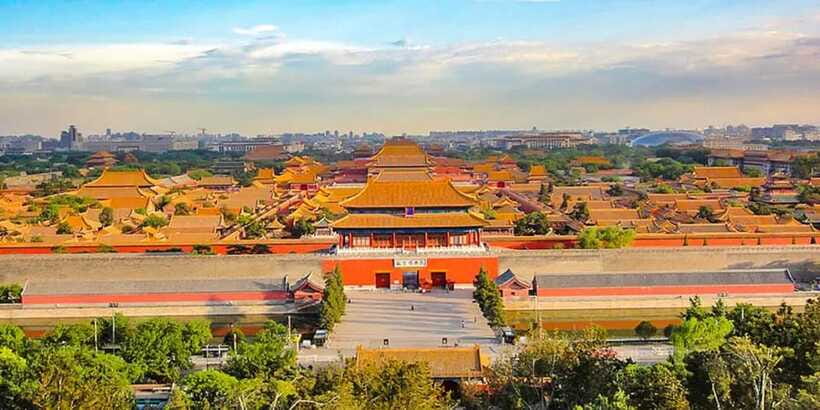
One park, one perfect Forbidden City view. This entry-ticket experience puts you in Beijing’s Jingshan Park, the old imperial garden on the city’s central axis, with the payoff being a wide, clear look toward the Forbidden City.
What I like most is the hilltop viewpoint—Jingshan Peak is the place for that full, easy panorama people come for. I also like that it’s basically an entrance-ticket booking service, so you’re not spending your time stuck in ticket queues or dealing with sold-out situations.
One thing to consider: this kind of booking can cost more than paying on arrival, so it’s smart to compare options before you commit. And you’ll need to send your passport details (and a WhatsApp or email for the QR code) to make it work smoothly.
In This Review
- Key highlights you’ll actually care about
- Jingshan Park: the hilltop viewpoint that anchors a Beijing day
- Your 4-hour rhythm: how the visit usually plays out
- From the peak: getting the Forbidden City view you came for
- Ticket value: what you’re paying for (and why it can be worth it)
- Entering smoothly: what to do before you reach the gate
- Timing matters: plan your entry around your day
- Why this imperial garden layout feels different from other city parks
- Practical tips to make your visit easier
- Who should book this entrance-ticket service?
- Should you book this ticket? My honest recommendation
- FAQ
- Where is the meeting point for this activity?
- How long is the Jingshan Park sightseeing time?
- What is included in the price?
- What documents do I need to bring?
- Do I need to provide my passport number and full name?
- How do I receive the ticket QR code?
- Is there a tour guide included?
- Can I cancel for free?
Key highlights you’ll actually care about
- Forbidden City views from the peak with a clear, direct sightline
- Jingshan Peak sits in the right spot facing the north gate of the Forbidden City
- Timed, 4-hour sightseeing window that keeps your day from stretching out
- 57 acres of former imperial garden with Ming and Qing-era context
- Skip the ticket line help, so you lose less time at the entrance
- QR entry is name-and-passport matched so double-check your details
Jingshan Park: the hilltop viewpoint that anchors a Beijing day
Jingshan Park covers about 57 acres (roughly 230,000 square meters), but you can think of it as a focused place to walk, pause, and look. The park sits right on the south-north axis of Beijing and faces the north gate of the Forbidden City, so your sightseeing naturally lines up with the big landmark across the way.
Historically, it mattered long before it became a popular viewpoint. During the Yuan, Ming, and Qing dynasties, the area functioned as an imperial garden. Under the Ming Dynasty in particular, it was carefully laid out, with fruit trees planted and palaces and pavilions built for the emperor to perform sacrifices to ancestors—plus the kind of elite leisure like hunting in the hills.
That background is more than trivia. It explains why the park’s design feels so intentional. You’re not just walking through random greenery; you’re moving through the kind of planned space where the ruler’s view and rituals shaped the layout.
You can also read our reviews of more tours and experiences in Beijing
Your 4-hour rhythm: how the visit usually plays out
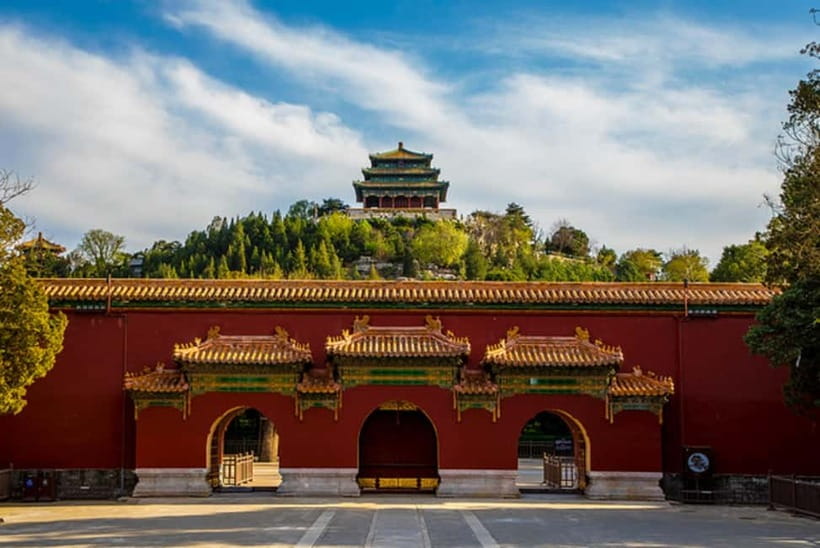
The sightseeing time is set for about 4 hours. That’s long enough to take in the key viewpoints at a comfortable pace, but short enough that you won’t feel trapped in a full-day schedule just to enter one park.
Because the experience is focused on entry (not a long multi-stop tour), your “itinerary” is really a simple plan: arrive at Jingshan Park Entrance, get your ticket handled, then spend your time inside the park choosing your walking pace and photo stops. If you like to linger over views, you’ll appreciate the extra time. If you prefer efficient sightseeing, you can still cover the highlights without feeling rushed.
A helpful mindset: treat Jingshan like a lookout with walking paths leading to it. You don’t need to sprint from spot to spot. You need a couple of slow moments where you stop, orient yourself, and actually enjoy the view the park is famous for.
From the peak: getting the Forbidden City view you came for
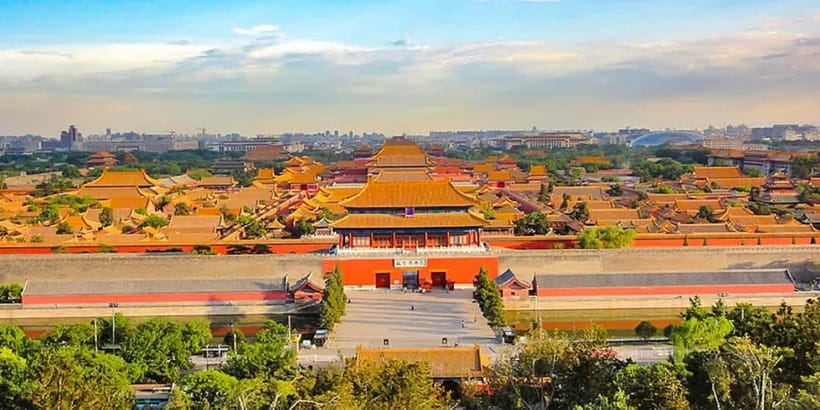
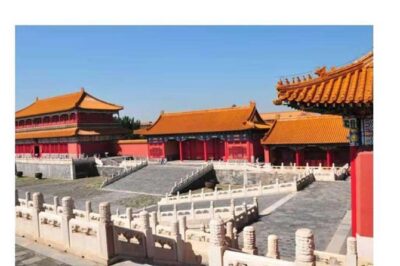
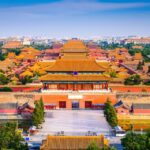
The big headline is the view. Looking from the peak, you get a full and clear view of the Forbidden City. That matters because many viewpoints in cities give you partial angles or obstructed views. Here, the park’s orientation is built for looking across to the Forbidden City’s north gate.
I’d plan your time around one idea: you want your best-looking moments to happen when you can calmly see the buildings and not just glance at them while standing in a crowd. Even in a short visit, you can do that by pacing yourself. Don’t spend all your time at the entrance or the first paths—save energy for the higher vantage point.
If you enjoy architecture and city planning, this is the fun part. You’re watching how a landscape connects to the layout of power: the park sits on the central axis and the view lands on the Forbidden City. That connection turns a photo into something more interesting than a background for your camera roll.
Ticket value: what you’re paying for (and why it can be worth it)
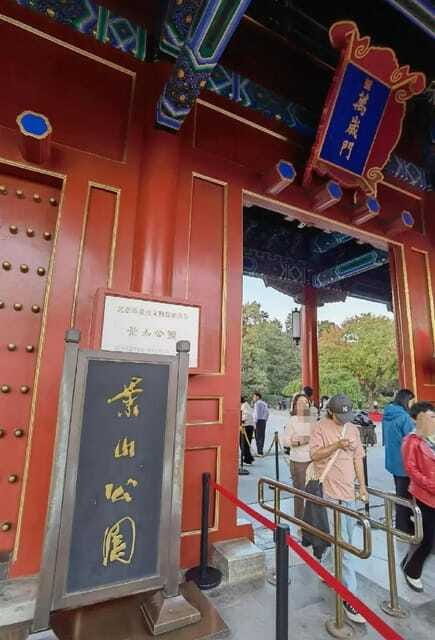
The price is listed at about $9 per person, and for an entrance ticket to a major Beijing park, that’s usually in the “reasonable” zone. But the real question is value: what problem does this ticket solve?
Here’s the practical value. This service is designed to help you avoid ticket queues and reduce stress if tickets are limited. When you’re visiting a top destination like the Forbidden City area, time is a currency. Saving even 30–60 minutes can help your whole day feel calmer, which is worth more than it sounds.
Now the fair catch: one booking experience noted the ticket can be more expensive than arriving and paying on site. So if you’re the kind of traveler who enjoys handling logistics independently, you might want to compare the on-the-spot price versus the booked price. If the booked option saves you the hassle of long lines or sold-out risk, it likely earns its fee.
Bottom line for value: pay if you want a smoother start. Skip if you’re comfortable gambling a bit on availability and queue length.
Entering smoothly: what to do before you reach the gate
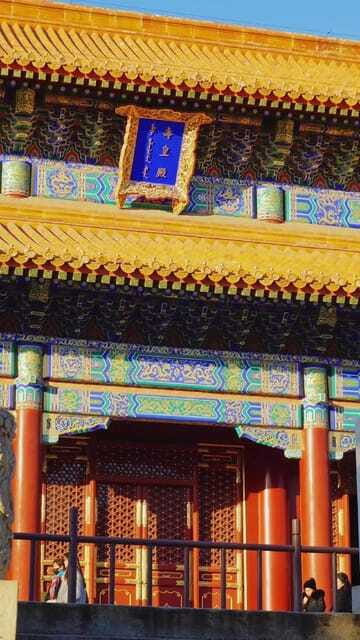
This experience is an entrance-ticket setup, so your success depends on details before you ever show up. You’ll need your passport (passport or ID card is mentioned), and the booking requires your passport number and full name.
After booking, you’re asked to leave your WhatsApp or email so you can receive QR code pictures. That’s a simple step, but it’s important. If you don’t provide the right contact info, you risk getting your entry code late or not at all.
At the entrance, plan to treat the whole process like a check-in. Have your QR code ready, and make sure your name and passport details match what’s used for booking. For China entry tickets, mismatches can turn a quick stop into wasted time.
Also note the language support is Chinese. That doesn’t mean you’ll be “lost,” but it does mean you should go in ready to communicate simply and follow staff directions on-site.

Timing matters: plan your entry around your day
Your visit is structured for a day with a 1-day duration and a 4-hour sightseeing window. That means you’re not tied up all day, but you are tied to your entry timing.
One useful real-world detail: in at least one documented booking case, the ticket was adjusted after a late arrival (a ticket QR was resent with validity for after 17:00 once contact was made). That suggests the provider can sometimes help if your plans run behind.
Still, I’d treat this as a safety net, not the plan. Your best strategy is to arrive early enough that you’re not negotiating timing on the spot. If you’re combining Jingshan with nearby sights, build in buffer time so you don’t feel rushed when you reach the entrance.
Why this imperial garden layout feels different from other city parks
Even if you don’t care about dynasties, the park’s origin explains the experience. It was used as an imperial garden across multiple dynasties, and it was properly laid out under the Ming Dynasty. The Ming era brought fruit trees, plus palaces and pavilions built for religious sacrifices to ancestors. It also served elite recreation like hunting in the hills.
That long-term use shapes what you’ll notice. The park feels designed for viewing and movement between curated spaces. It’s not only “a park with a nice view.” It’s a place where the emperor’s interests—ritual, leisure, and commanding sightlines—were part of the plan.
So if you’re into how landscapes reflect power, you’ll enjoy Jingshan beyond the skyline photo. You’ll start seeing the park as an extension of the Forbidden City’s world, not a separate random stop.
Practical tips to make your visit easier
Keep your day focused. Since this is mainly about entry and a park visit, it’s easiest when you don’t overstuff the schedule. Choose a pace that lets you reach the peak viewpoint without sprinting.
Bring the basics:
- Passport (or ID card as allowed)
- Your QR code on your phone
- Your booking name and passport details are matched
Also, think about how you’ll navigate. Language is Chinese, and even if signage helps, having a few basic phrases or a translation app can reduce friction. Nothing fancy—just enough to ask one clear question if you need direction.
Finally, treat photo timing like sightseeing, not a random activity. If the light is harsh or crowds are heavy, you’ll want a moment where you can still see the Forbidden City clearly. Going a bit early in the day (or when your energy is best) often improves your view quality.
Who should book this entrance-ticket service?
This works best for you if:
- You want the Forbidden City viewpoint from Jingshan Peak without spending time wrestling with tickets
- You prefer a simple plan: arrive, enter, explore your 4 hours, leave
- You like the idea of reducing risk around sold-out or long queues
- You’re comfortable handling your own sightseeing once inside
It’s less ideal if you love spontaneity and already know you’re okay paying on arrival. If you’re price-sensitive and enjoy figuring things out in real time, the booked option may feel like extra cost—especially since at least one booking experience flagged it as more expensive.
Should you book this ticket? My honest recommendation
Book it if you value a smoother entrance and a lower-stress start. For a modest price, the ability to skip ticket queues and reduce the chance of ticket headaches can make your day feel simpler, especially when you’re aiming for that clear viewpoint toward the Forbidden City.
Skip or compare if you’re comfortable paying on arrival and you want the cheapest possible option. The fact that it can be more expensive than buying locally is a legit reason to check.
If you want my quick decision rule: if your schedule is tight, booking usually wins. If your day is flexible and you don’t mind line risk, then shopping around might save you a few dollars.
FAQ
Where is the meeting point for this activity?
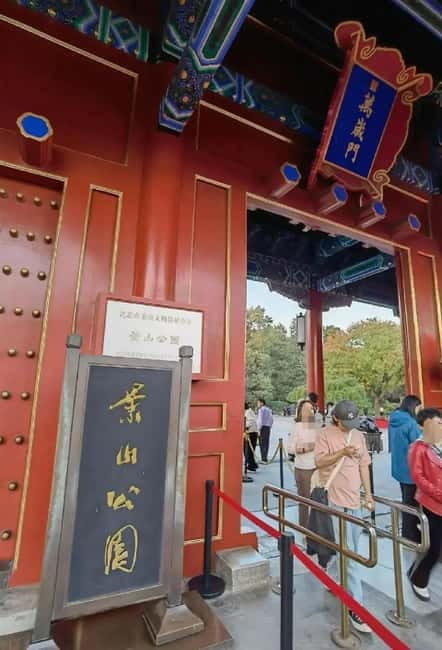
The meeting point is Beijing Jingshan Park Entrance (景山公园).
How long is the Jingshan Park sightseeing time?
You can plan for about 4 hours of sightseeing inside Jingshan Park, within a 1-day activity duration.
What is included in the price?
The experience includes the Jingshan Park entry ticket.
What documents do I need to bring?
You’ll need your passport. The information also notes passport or ID card as acceptable.
Do I need to provide my passport number and full name?
Yes. You need to provide your passport number and full name to book the entrance tickets.
How do I receive the ticket QR code?
After booking, you should leave your WhatsApp or email so you can receive the ticket QR pictures.
Is there a tour guide included?
The listing includes the entry ticket, and the language support is Chinese. No hotel pickup or meals are included.
Can I cancel for free?
Yes. You can cancel up to 24 hours in advance for a full refund.