REVIEW · BEIJING
Beijing: Dumpling Making Workshop with Meal and Tea
Book on GetYourGuide →Operated by HAPPY PANDA TRAVEL AGENCY CO.,Ltd. · Bookable on GetYourGuide
Watching someone pinch dumplings into shape feels oddly calming. This 3-hour dumpling-making workshop gives you hands-on practice in English, with patient instruction from hosts and guides such as Jenny, Janine, Leo, and Eric, who explain the process clearly and keep the mood upbeat. You finish with your own dumplings—and a table full of food, tea, and conversation.
What I like most is how practical the learning is: you’re not just watching, you’re kneading, filling, and shaping. And I really enjoy the communal tea-and-meal setup—it turns the class into an evening, not a rushed production line.
One important consideration: this experience is not suitable for people with food allergies. If you have allergy needs, double-check before you book.
In This Review
- Key highlights to look for
- Why this dumpling workshop feels more local than a food tour
- 16:30 meet-up and the 3-hour rhythm that keeps it fun
- Kneading dough and shaping dumplings: what you’ll actually do
- The meaning behind dumplings: symbolism you can taste
- Boiled or pan-fried: how cooking changes the dumpling experience
- Tea pairing plus the bigger feast: more than just your dumplings
- Getting value from $35: what you’re really buying
- Who should book this workshop (and who should skip it)
- Tips to make your class smoother (no drama, just dumplings)
- Should you book this dumpling workshop?
- FAQ
- What is the duration of the dumpling making workshop?
- What time does the activity start in Beijing?
- How much does it cost?
- What’s included in the price?
- Is hotel pickup included?
- Is the instructor English-speaking?
- Is it suitable for people with food allergies?
Key highlights to look for
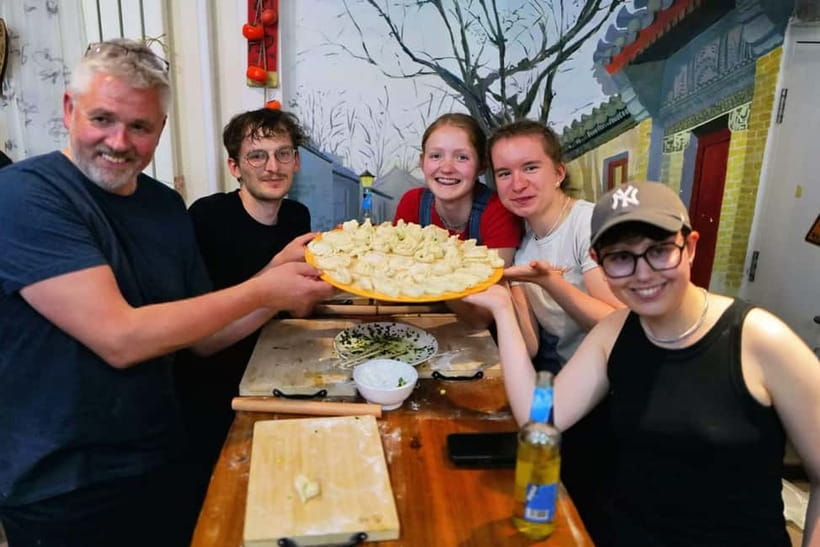
- Hands-on dough, filling, and folding so you leave knowing how to make dumplings at home
- English instruction with step-by-step guidance and instructors who stay patient
- Dumpling symbolism and history explained in a way that connects to what you’re eating
- Tea pairing plus other dishes and often beer, turning the class into a proper meal
- Boiled or pan-fried results based on how the dumplings are served during your dinner
Why this dumpling workshop feels more local than a food tour
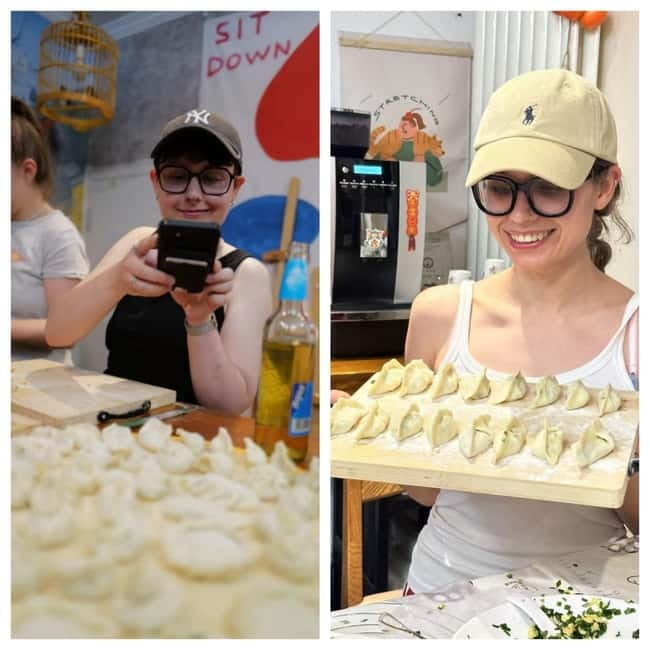
Beijing dumplings are one of those foods that can look simple and still take years to get right. In this workshop, you get the basics fast: how dough should feel, how filling goes in, and how pleats turn into dumplings that actually hold together. You also get a layer most casual tastings miss—the meaning behind the dumpling shapes and the traditions tied to the calendar, especially Lunar New Year.
I like that it’s built around everyday technique, not just show-and-tell. The class uses a communal format too, so you’re sharing your table (and your progress) with other people rather than eating in silence. It’s a small thing, but it changes the whole vibe. Instead of “another activity,” it feels like you’ve been invited into a regular food moment.
You’ll also notice the difference between knowing dumplings exist and understanding how they behave. When you’re kneading dough and shaping pleats, you start to understand why some dumplings are forgiving and others are not. That’s the kind of learning that sticks.
You can also read our reviews of more tours and experiences in Beijing
16:30 meet-up and the 3-hour rhythm that keeps it fun
This starts in the late afternoon at 16:30 and runs for about 3 hours. You meet your guide at the hotel lobby (hotel pickup and drop-off are not included), so plan your timing like you would for any evening class: arrive a bit early, get settled, and don’t count on last-minute navigation.
The schedule matters because dumpling dough and cooking both have timing built in. If you’re late, you’ll miss part of the shaping stage where the instructor’s hands-on guidance is most useful. If you’re early, you can usually settle in without rushing, and that helps if you’re new to folding dumplings.
Also, the workshop format keeps energy up. You’re moving from prep to shaping to cooking to eating. Reviews consistently mention a good guide and clear explanations, and that usually means the class stays on track without you feeling lost.
Practical tip: wear comfortable clothes. Flour happens. Your hands will get sticky during filling and folding, and you’ll thank yourself later for choosing something you can move in.
Kneading dough and shaping dumplings: what you’ll actually do
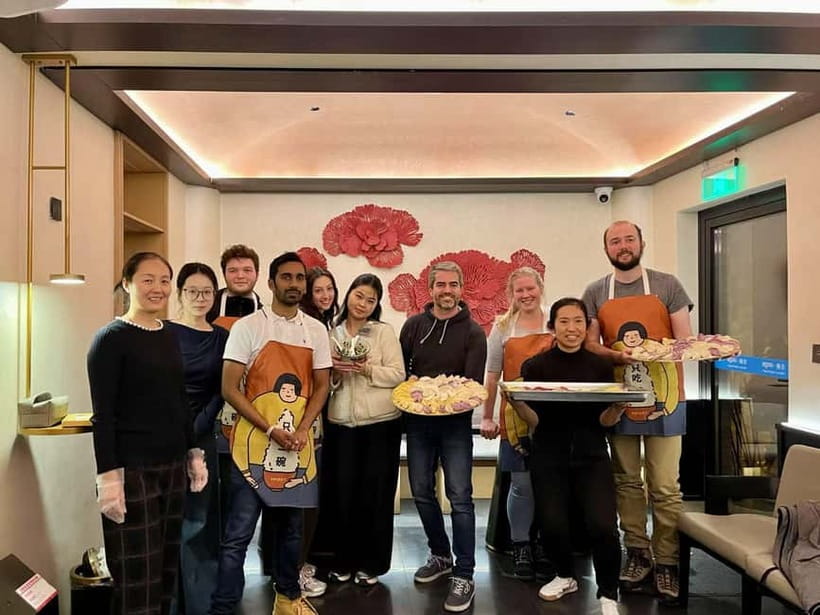
The heart of this experience is learning the dumpling workflow like a cook. You knead dough, learn how to prepare the filling, and then shape dumplings step by step. You’ll likely spend a meaningful chunk of time practicing the folding technique rather than doing one quick demo.
In the reviews, a recurring theme is how instructors are patient and how the steps are easy to follow even if you start from zero. People specifically mention the instructor’s good English and the way teachers guide you through shaping—often using hand positions and pinch styles so the dumplings look right and stay intact.
One small note from feedback: some groups received premade dumpling fillings that still tasted great. That doesn’t mean you’re not involved—most of the pleasure comes from shaping, and you still leave with dumpling-making skills—but if your goal is to grind and assemble every ingredient yourself, you might feel less hands-on than you expected.
What you should aim to master:
- How to portion filling so it doesn’t leak
- How to hold the wrapper and seal the edges
- How the pleats/pinch technique affects the final dumpling shape
If you get those down, you’ll be able to recreate something close to what you made here, even with different wrapper brands back home.
The meaning behind dumplings: symbolism you can taste
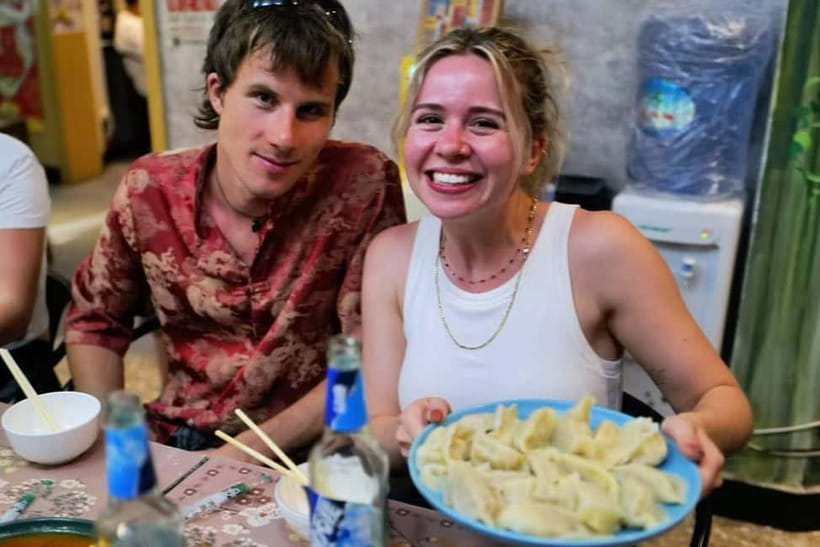
This workshop doesn’t treat dumplings as just food. You also learn the history and symbolism behind them, with a local guide explaining how dumplings connect to celebrations and meanings people attach to their shape and presentation.
That matters because dumplings are one of those dishes where the details are the story. The pleats are not just aesthetic; they’re part of the tradition of careful preparation. The way dumplings are served—especially around seasonal holidays—also explains why different regions treat dumplings slightly differently.
In plain terms: you’ll leave with a better mental map of why dumplings show up when they do, and why people talk about them as more than comfort food. It turns dinner into a small cultural lesson that doesn’t feel academic.
Boiled or pan-fried: how cooking changes the dumpling experience
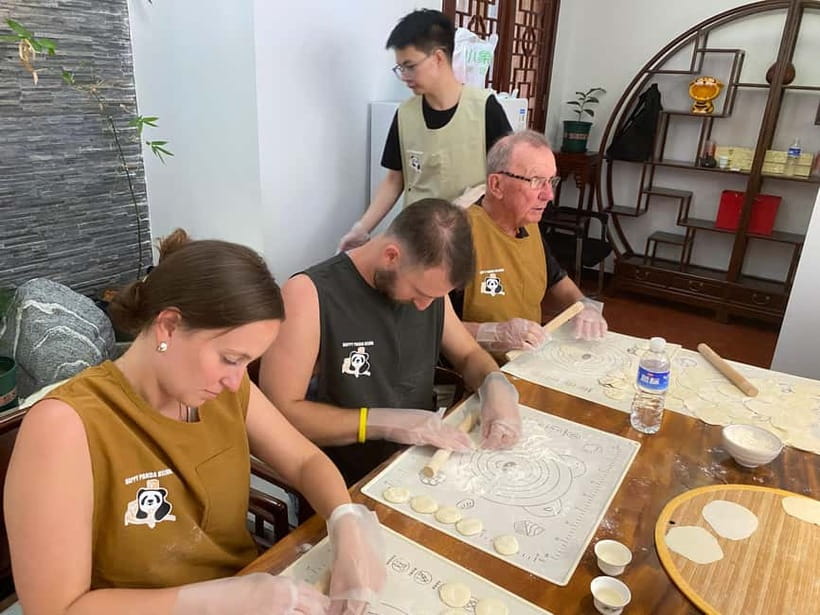
During the meal portion, you’ll eat dumplings prepared in more than one way. The description notes that you can enjoy crispy pan-fried dumplings or silky boiled ones, and that difference is huge.
Here’s the practical takeaway for your next kitchen attempt:
- Pan-fried dumplings add contrast—crisp exterior with a softer inside
- Boiled dumplings focus on tenderness and pure wrapper-and-filling balance
Even if you don’t control the cooking fully, you’ll taste the “why” behind different methods. And because it’s a communal dinner, you can also talk with your tablemates while you eat, which makes the food feel more like a shared moment than a class ending.




Tea pairing plus the bigger feast: more than just your dumplings
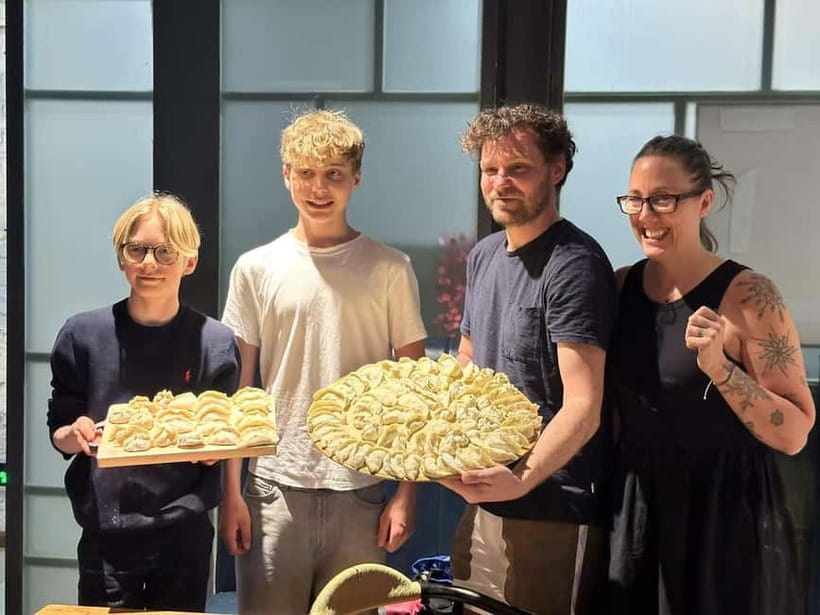
The standout part of the evening for many people is how much food you get. The meal isn’t only about the dumplings you made. You’ll also be served other traditional local dishes alongside tea pairing, and drinks like beer may be included.
Reviews mention a spread that can include items such as Kung pow chicken, egg-and-tomato/cabbage style dishes, and breaded chicken nuggets, plus desserts and additional beverages. Some people also noted the meal felt veggie friendly, which is a good sign if you prefer more than just meat dumplings.
Tea matters here. Dumpling-heavy meals can be heavy on the palate, and tea helps reset taste between bites. You’re not just drinking something on the side—you’re pairing it to make the meal easier to enjoy as it keeps coming.
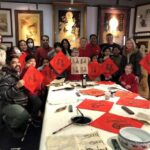
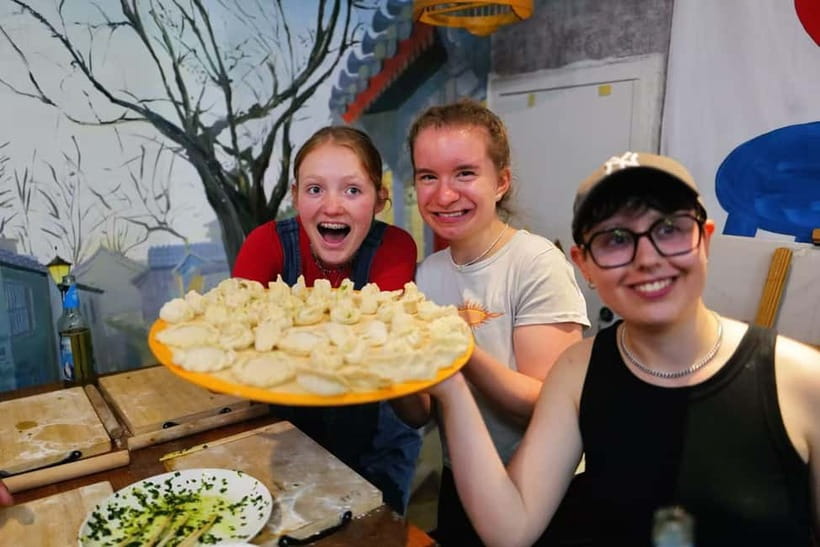
The communal setup adds to the experience too. People describe it as a cozy dinner where you sit together and eat what you made, sometimes with group laughter and toasts. That’s a big part of the value. At $35, you’re not paying just for instruction—you’re paying for a real meal that follows the class.
Getting value from $35: what you’re really buying
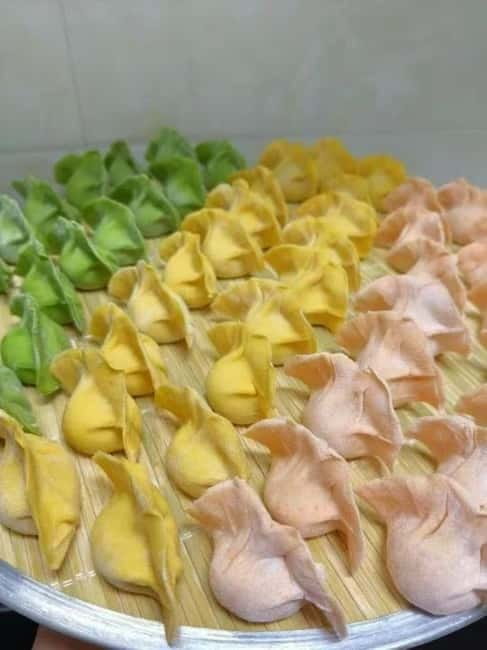
At $35 per person for roughly three hours, this workshop is good value if your goal is skill plus a proper meal. You get:
- A guided class focused on dumpling-making (not a quick tasting)
- Ingredients for dumpling-making
- Tea pairing with your meal
- Other foods and beverages, including beer
The best value angle is the mix: you learn something you can repeat, and you also eat like you belong at the table. If you only wanted dumplings, you could find cheaper meals elsewhere. But this is built around turning you into someone who can make dumplings at home—then rewarding you with what you made.
The main “cost” is time. You’re giving up part of an afternoon/evening, and you need to get there yourself since hotel pickup/drop-off aren’t included. Still, for a beginner-friendly, English-taught dumpling workshop with a full dinner, $35 feels like a fair deal.
Who should book this workshop (and who should skip it)
This is a great fit if:
- You want a beginner-friendly cooking class where you actually shape dumplings
- You like food culture that connects to daily life, not only famous sightseeing
- You enjoy meeting people at a shared table and eating what you made
- You appreciate clear instruction in English and a patient teaching style
In reviews, people consistently mention step-by-step guidance, lots of delicious food, and hosts who take their time. Names like Julie and Rachel, Jenny, Janine, Leo, Erik, Heyang, Harrison, Eric, Zoey, and Lan show up across different classes, which suggests the experience has a consistent teaching approach even when hosts vary.
You should probably skip it if:
- You have food allergies (the activity is not suitable)
- You want every single ingredient assembled by you from scratch (some fillings may be premade, though you still get involved in the process)
It’s also worth noting the event is wheelchair accessible, and smoking isn’t allowed.
Tips to make your class smoother (no drama, just dumplings)
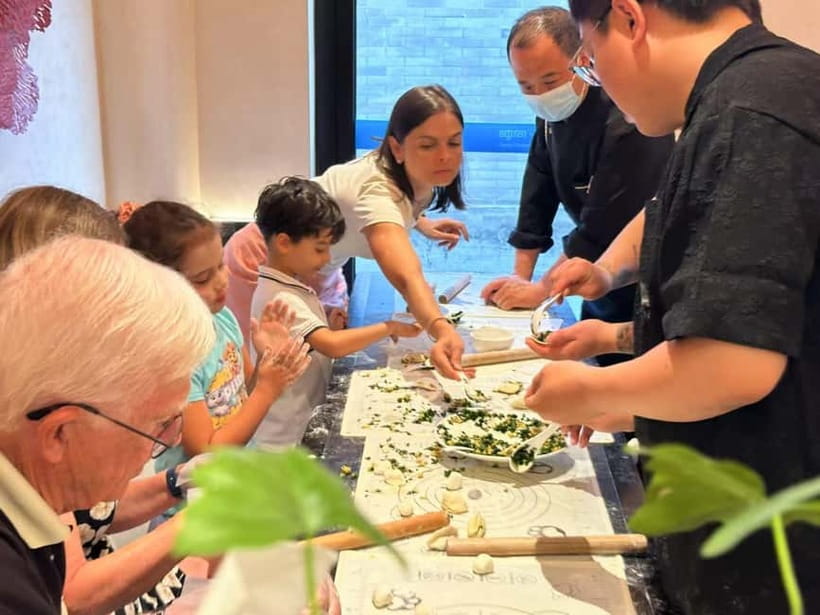
If you want the highest success rate, treat this like a hands-on studio class, not like a museum stop.
Bring:
- Comfortable clothes you don’t mind getting a little flour on
Do:
- Keep your questions simple and direct during instruction. If you’re unsure how to seal the dumpling edge, ask right when you’re practicing that step.
- Focus on sealing and pleating technique, not perfection. The first batch never looks like the best batch—so aim for learning, not judging your hands.
Don’t overthink it:
- Even if you’re starting with no experience, the class structure is designed for beginners, and reviews highlight patience and easy-to-follow steps.
Should you book this dumpling workshop?
Yes, if you want a fun, beginner-friendly Beijing experience that combines real cooking practice with a tea-and-dinner feast. The value is strongest if you care about learning a technique you can repeat, plus enjoying an evening meal that feels social and abundant—not just a small tasting.
No, if you have food allergies, because this activity is explicitly not suitable. Also skip it if you’re expecting to create every filling component from scratch; you’ll still shape and seal dumplings, but some prep may already be done for the group.
If you can make the 16:30 start, wear comfortable clothes, and show up ready to fold, this is the kind of activity that leaves you fed, happy, and with a new kitchen skill.
FAQ
What is the duration of the dumpling making workshop?
The class lasts 3 hours.
What time does the activity start in Beijing?
The activity starts at 16:30.
How much does it cost?
It costs $35 per person.
What’s included in the price?
You get the 3-hour dumpling-making class, all ingredients, a tea pairing, and other foods and beverages, including beer.
Is hotel pickup included?
No, hotel pickup and drop-off are not included. You meet your guide at the hotel lobby.
Is the instructor English-speaking?
Yes, the instructor is English speaking.
Is it suitable for people with food allergies?
No. It is not suitable for people with food allergies.