REVIEW · BEIJING
Beijing: Vegan Home Cooking & Local Market Tour with Sanxia
Book on GetYourGuide →Operated by Sanxia/Rabbit · Bookable on GetYourGuide
Beijing’s vegan food gets real when you cook it yourself. This 4-hour home-kitchen experience pairs a market run with hands-on Chinese plant-based cooking and a sit-down meal with tea. It’s a small, private group format that feels less like a class and more like a day in someone’s life.
What I really like is the pairing of market shopping with technique in the kitchen. You learn how ingredients (tofu, grains, mushrooms, herbs, seasonal veg) translate into familiar dishes like dumplings and noodles, then you eat what you made.
One consideration: transportation to Tongzhou isn’t included, so you’ll want to plan how to reach the meeting point near Tu Qiao and Linheli Road (and get there a little early).
In This Review
- Key things I’d circle on your plan
- Why this Beijing vegan home-cooking tour in Tongzhou works
- From Tu Qiao to the kitchen: the 4–6 hour flow
- The organic market walk: picking tofu, grains, herbs the Chinese way
- Cooking in Sanxia’s home: dumplings, buns, noodles, and millet porridge
- Tea ceremony plus vegan dim sum: the break that teaches
- Eating together: stories, everyday Beijing, and vegan life
- Fragrant Hills souvenir and pro photos: how you take the day home
- Price and value: why $47 makes sense for this kind of class
- Who should book this vegan home cooking tour
- A few practical tips before you go
- Should you book it?
- FAQ
- Where is the meeting point for the tour?
- How long does the experience take?
- What language options are available?
- How big is the group?
- Is transportation included?
- What does the tour include?
- What vegan dishes will you cook?
- Do you stop for tea during cooking?
- What should I bring and wear?
- Is smoking allowed?
Key things I’d circle on your plan
- A market-to-home format so you understand why the dish tastes the way it does
- Small private groups (1–8), with options in English or Chinese
- Hands-on vegan Chinese staples like dumplings, steamed buns, sesame noodles, and millet porridge
- Tea ceremony time paired with homemade vegan dim sum while the meal comes together
- A keepsake from Fragrant Hills (Xiangshan) plus professional photos and videos
Why this Beijing vegan home-cooking tour in Tongzhou works
If you’re tired of “watch someone else cook” experiences, this one hits different. You start by shopping for plant-based ingredients with your host, then you move into a cozy home kitchen to make classic Chinese dishes from scratch. The tone stays friendly and practical—questions welcome, pace relaxed, and food is the main event.
I also like that it’s built around everyday Beijing life. Sanxia is the host, and the experience connects cooking to small cultural details: how people think about ingredients, meal rhythms, and tea. In past groups, people have talked about Sanxia’s warmth and the way conversations naturally flow around the table, including stories that reach far beyond Beijing.
The menu is seasonal and flexible based on preferences, so you’re not stuck with a rigid “one-size-fits-all” script. That matters if you’re picky about spice, want lighter food, or just want to focus on dumplings and noodles.
You can also read our reviews of more tours and experiences in Beijing
From Tu Qiao to the kitchen: the 4–6 hour flow
The timing is straightforward. You meet near To/ Tu Qiao subway station in Tongzhou District, then the day moves through three main phases: market, home cooking, and shared dining with tea. Total time is about 4–6 hours, depending on group size (a smaller group usually runs a bit tighter).
Because it’s a home-based experience, you’ll get a more grounded pace than a big commercial cooking school. That’s a plus if you like having time to ask questions while chopping, mixing, and shaping food.
Here’s the practical outline of what happens, in plain terms:
First, you check in and get a warm welcome plus a short introduction. Then you go to the local organic market to pick ingredients. After that, you head to Sanxia’s apartment, where you prep and cook multiple dishes together.
During the cooking, tea shows up as a break that also teaches. You taste red, green, and white teas, and you usually have homemade vegan dim sum while the main dishes finish cooking. Finally, you sit down together to eat and share stories.
The activity ends back near Linhe Li subway station, which is helpful if you want an easy way to continue your day after.
The organic market walk: picking tofu, grains, herbs the Chinese way
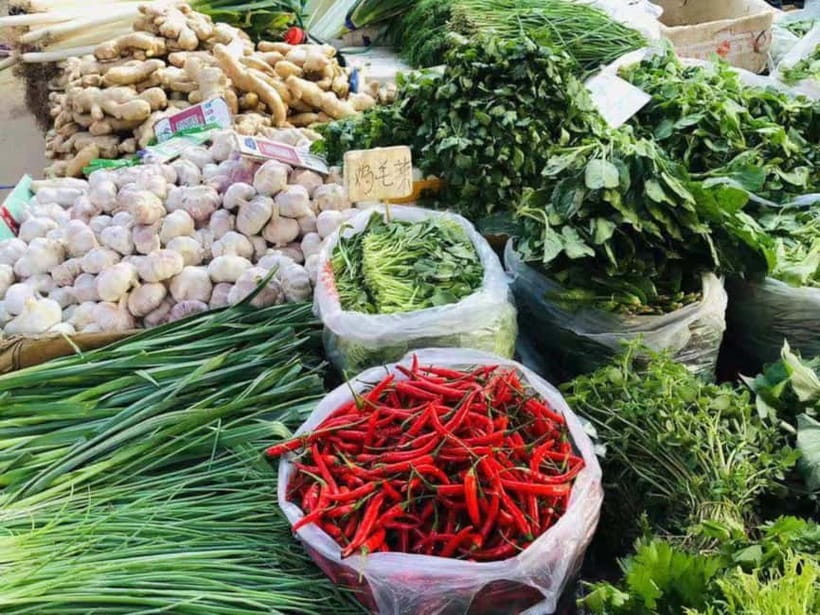
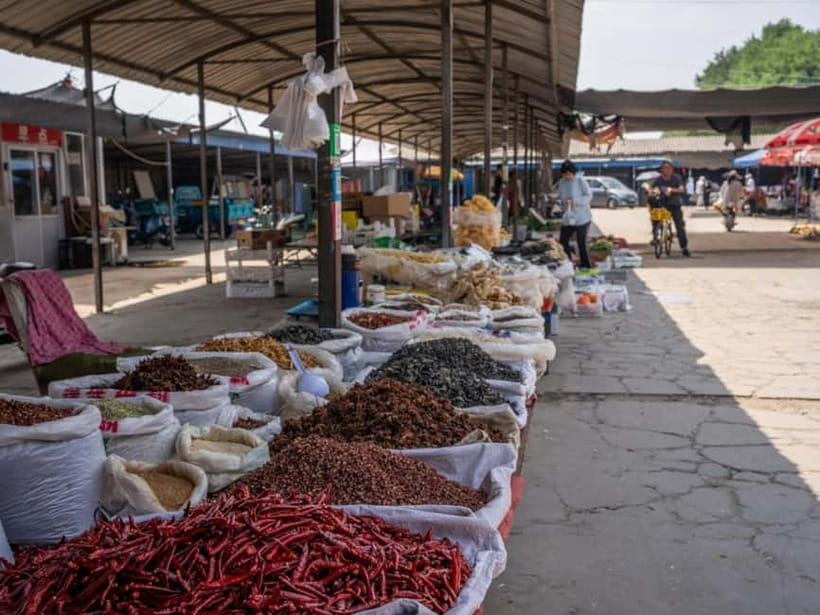
The market portion is one of the best parts because it changes how you cook. You’re not just buying items off a list—you’re selecting ingredients that matter for taste and texture in Chinese vegan cooking.
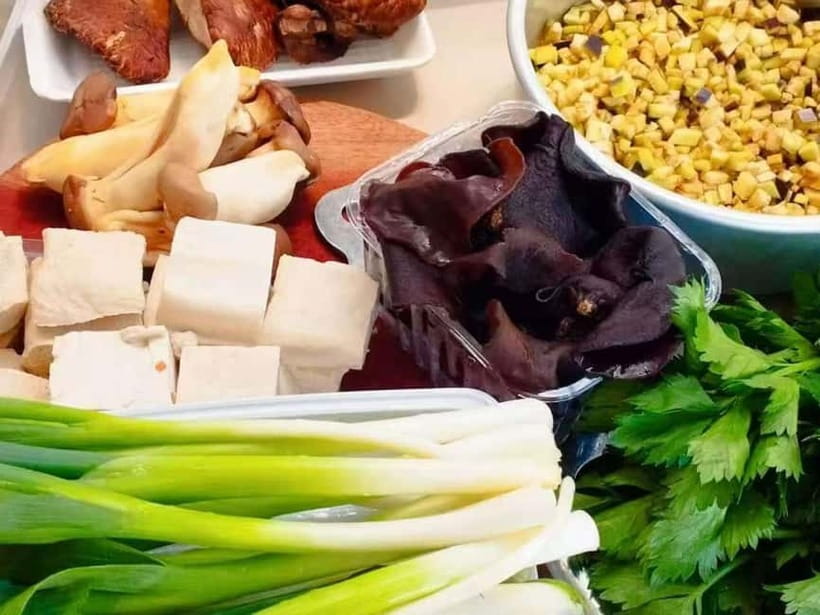
In the market, you’ll handpick seasonal vegetables plus core plant-based staples such as tofu, grains, mushrooms, and herbs. You also get to talk with local people and learn how plant-based ingredients fit Chinese tradition—not as a trend, but as something that’s been part of diets and cooking styles for a long time.
What you should pay attention to (and what will make your dishes better later):
- Look for seasonal greens and vegetables that look crisp and not overly wilted.
- Notice the variety in mushrooms; different types change the flavor depth.
- Ask which herbs are best for that day’s menu so you understand the role they play.
A market stop also helps you appreciate why Chinese vegan food doesn’t have to taste like “substituting.” You’re building flavor using aromatics, sauces, and textures that are normal in Chinese cooking—just without animal products.
Cooking in Sanxia’s home: dumplings, buns, noodles, and millet porridge
Once you reach the apartment, you shift from choosing ingredients to learning technique. This is where the day becomes hands-on.
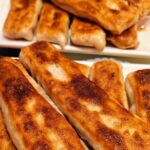
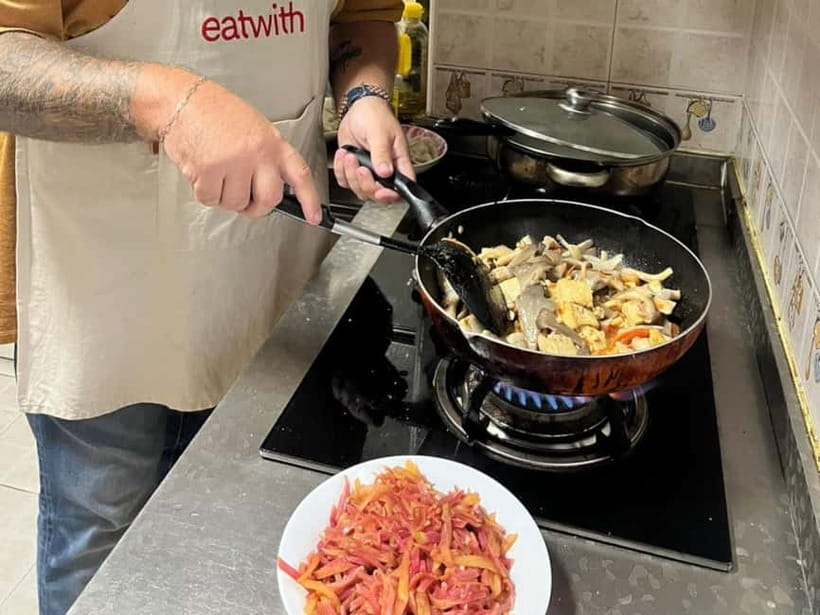
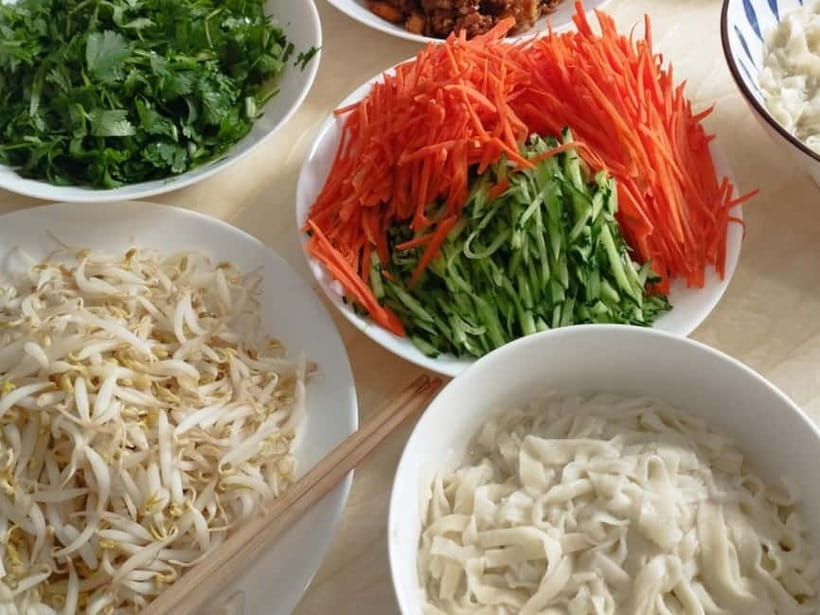
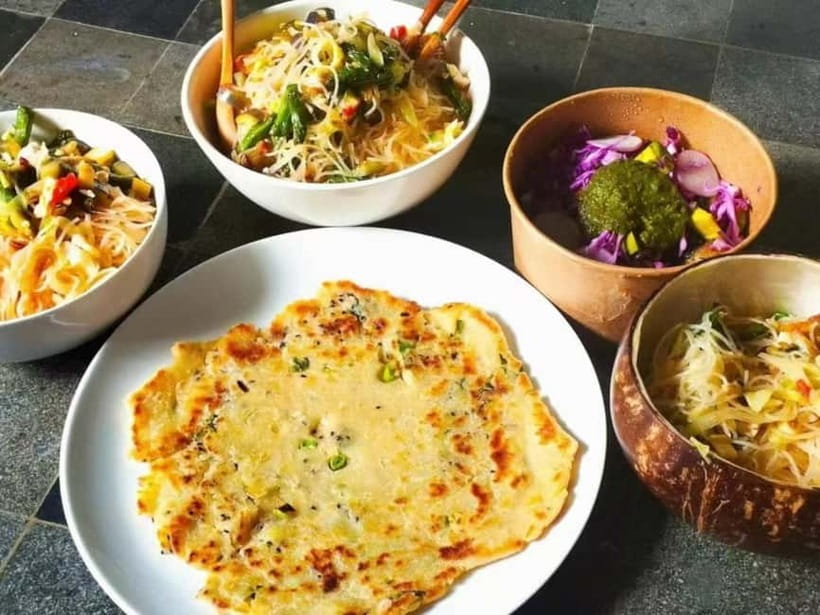
The class focuses on traditional Chinese dishes in a vegan, plant-based style. Based on seasonal availability and what your group wants, you can expect items such as handmade dumplings (plus additional dumpling-style work depending on menu), noodles, and other colorful seasonal dishes. Many groups also learn steamed buns, stir-fried vegetables, sesame noodles, and millet porridge.
A few things I think you’ll appreciate about the structure:
First, you learn more than one category of food. Dumplings and buns teach shaping and filling. Sesame noodles teach sauce balance and how to coat noodles properly. Stir-fried vegetables show how timing and heat control texture. Millet porridge gives you a gentler, comforting option that rounds out the meal.
Second, the pace works for mixed experience levels. Even if you’ve never folded dumplings before, the “do it together” format keeps the learning curve manageable.
Third, the menu varies. That’s not just convenience—it’s how you avoid tasting the same dishes every time. If you book on a different season or with a different preference mix, you’re likely to see shifts in what’s cooked and how the flavors come together.
From the prior experience highlights, the home cooking session has been described as fun and very social—especially when groups include one solo participant. That social part matters: you’re working side-by-side, then eating what you made as a team.
Tea ceremony plus vegan dim sum: the break that teaches
Tea here isn’t an afterthought. You’ll sample red, green, and white teas during the cooking window, and the experience includes homemade vegan dim sum as well.
This timing is smart. Tea and small bites give you a breather while the dumplings and other dishes finish. But it’s also educational: you start learning how tea taste profiles can complement different flavors in your meal, from lighter vegetable dishes to richer sesame-based elements.
If you care about food culture, you’ll likely enjoy the tea portion because it’s tied to how Chinese households slow down during meal prep. It also gives the host an easy way to explain ingredients and cooking habits without turning the whole event into a lecture.
You can also read our reviews of more shopping tours in Beijing
Eating together: stories, everyday Beijing, and vegan life
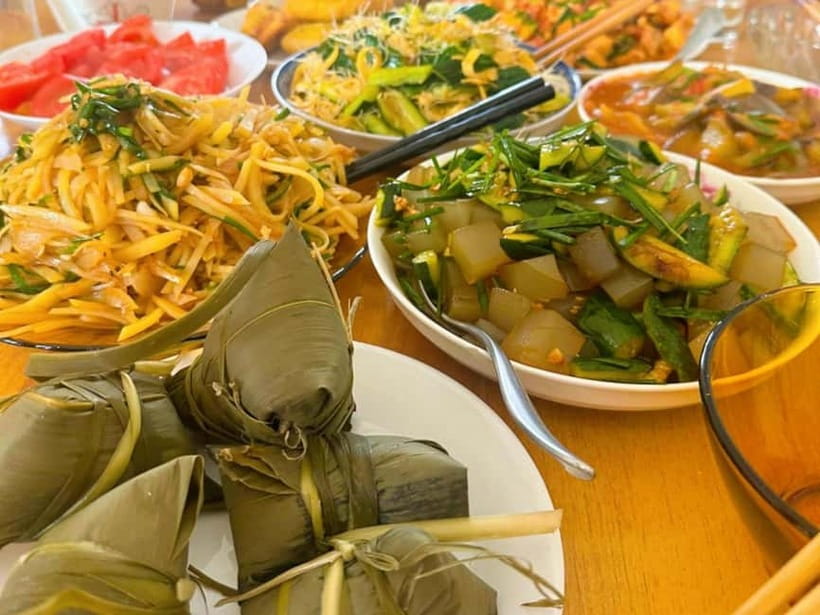
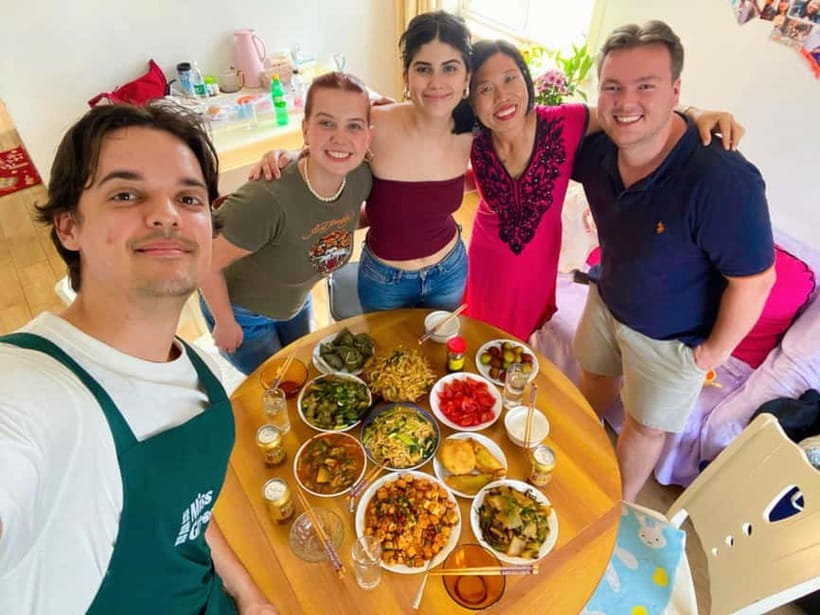
The meal is where everything clicks. You sit down with your host and share the food you made, and the conversation typically covers Chinese lifestyle and vegan living. One of the most memorable parts in past experiences is how natural the chat becomes—people have talked about spending far longer with Sanxia and her circle than they expected because the tone stays warm and curious.
A specific detail that makes this feel human: Sanxia has been mentioned alongside her boyfriend Jürgen and friends, showing that the day can include a small local social layer beyond just the cooking instructions. Henry’s experience focused on learning both cooking and everyday life in Beijing, which is exactly the point of this format. You don’t just learn recipes; you learn context.
I’d also say the group size helps. With 1–8 people, it stays personal enough that you’re not lost in a crowd, and you can actually talk as the dishes land on the table.
Fragrant Hills souvenir and pro photos: how you take the day home
You don’t leave empty-handed. The experience includes a handmade bookmark connected to the scenic Fragrant Hills (Xiangshan), which gives you a physical reminder that isn’t generic.
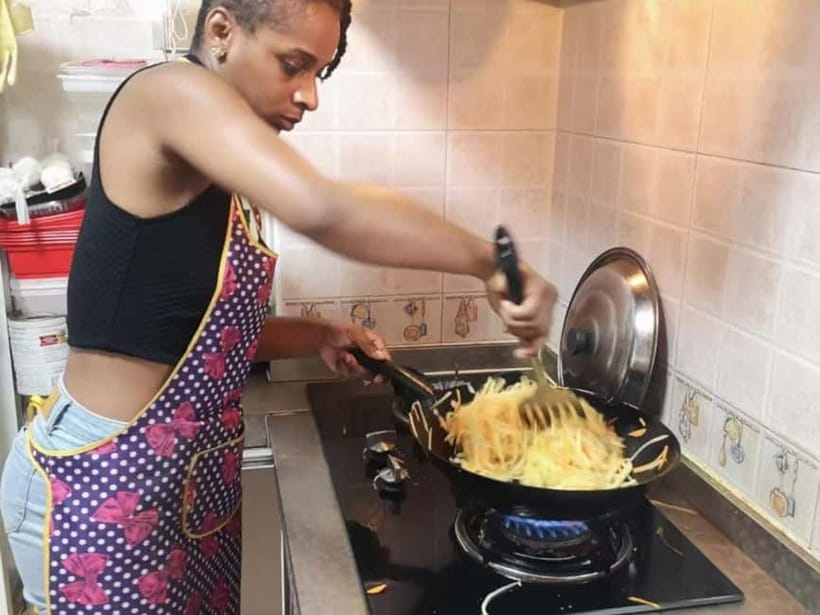
You also get free professional photos and videos of your experience. That’s a practical perk, because you’ll likely be busy cooking during the day and won’t want to worry about capturing everything yourself.
If you like travel keepsakes that feel tied to the activity, this fits well. A bookmark is small, easy to use at home, and it matches the homey style of the tour.
Price and value: why $47 makes sense for this kind of class
At $47 per person (for a 4-hour experience), this pricing can feel like a bargain—especially if you compare it to cooking classes that focus on watching, or group tours where you’re not in a real kitchen.
Here’s what you’re paying for in value terms:
- A guided market run where you select ingredients
- A hands-on cooking class with multiple dishes
- A full vegan meal you help prepare
- Tea tasting plus homemade vegan dim sum
- A souvenir bookmark from Xiangshan
- Professional photos and videos
The only major “cost gap” is transportation to the meeting point. Since transport isn’t included, you’ll want to factor that in based on where you’re staying. But if you’re already in the Beijing core and plan your metro route, the rest of the experience is set up to be good value.
Group size also matters. Private group means you’re not sharing your cooking station with strangers in a way that can dilute attention. With 1–8 people, the host can keep things interactive.
Who should book this vegan home cooking tour
This tour is a great fit if you want:
- A hands-on cooking experience focused on vegan Chinese comfort food
- Real market-to-table learning, not just a demo
- A friendly way to meet a local host and hear stories over dinner
- A day plan that feels calm and personal rather than rushed
It’s especially good for solo travelers who want a social meal without needing to join a big group tour. In past solo bookings, the experience has been described as a highlight because it quickly turned into meaningful conversation and bonding.
If you dislike cooking but love eating, you might still enjoy it for the meal and tea—but the main value is in participating.
A few practical tips before you go
- Wear comfortable clothes. You’ll be cooking and moving around a home kitchen.
- Come hungry enough to enjoy the full meal after the cooking.
- Plan your metro route early. You’ll meet near Tu Qiao and later end near Linhe Li.
- No smoking during the experience.
Also, since the language options are English or Chinese, pick the one you’ll be most comfortable using for questions in the kitchen.
Should you book it?
If you’re deciding between a generic vegan food tour and a real cooking day, I’d lean toward this. The combination of fresh ingredient picking, a home-kitchen class with classic Chinese vegan dishes, tea tasting, and a shared meal is exactly the kind of experience that gives you both flavor memories and practical cooking takeaways.
Book it if you value learning the “why” behind the food—how ingredients and technique create familiar comfort dishes without animal products. Skip it only if you want a strictly sightseeing-focused day, or if you don’t want to cook at all.
In short: for a first serious taste of Beijing vegan cooking done at home, this one has the right balance of food, culture, and personal connection.
FAQ
Where is the meeting point for the tour?
You meet near Tu Qiao subway station in Tongzhou District, with the provided check-in address in Fangheng Dongjing Community on Linheli Road.
How long does the experience take?
The duration is about 4 hours, and it can run up to 4–6 hours depending on group size.
What language options are available?
The tour is available in English and Chinese.
How big is the group?
It’s a private group for 1–8 participants.
Is transportation included?
No. Transportation to the location is not included.
What does the tour include?
It includes a guided organic market visit, hands-on vegan cooking class, tasting the meal you prepare, tea tasting, a handmade bookmark souvenir, and professional photos and videos.
What vegan dishes will you cook?
The menu varies by season and preference, but you can expect items such as handmade dumplings and noodles, steamed buns, stir-fried vegetables, sesame noodles, and millet porridge.
Do you stop for tea during cooking?
Yes. You’ll taste red, green, and white teas along with homemade vegan dim sum while the main dishes cook.
What should I bring and wear?
Bring comfortable clothes.
Is smoking allowed?
No, smoking is not allowed.