REVIEW · BEIJING
6-Hour Private Beijing Tour: Flower and Fish Market, Panjiayuan Antique Market and 798 Art Zone
Book on Viator →Operated by Unique Beijing Tours · Bookable on Viator
Beijing markets can overwhelm fast. This tour keeps it fun with a private guide and a guaranteed 798 Art Zone art stop.
I especially like how the guide gives context while you shop—people like Ranee, Lucy, and Linda are praised for making the markets make sense, in clear English. I also like the mix: fish and flowers in the morning, antiques in the middle, and contemporary art browsing at the end.
The main downside is pacing. You only get about an hour at each stop, so if you fall into deep bargaining mode at Panjiayuan, you may feel the time squeeze.
In This Review
- Key things to know before you go
- 6 Hours With a Private Guide: Why This Market + Art Mix Works
- Picking a Start Time in Beijing (9am, 11am, 12pm, or 1pm)
- Shilihe Culture Market: Fish, Flowers, Insects, and Precious Finds
- Panjiayuan Antique Market: Calligraphy, Teapots, Furniture, and Big Finds
- 798 Art Zone: Contemporary Galleries, Coffee Stops, and Art-Shop Browsing
- Lunch or Dinner Is Built In: How Timing Affects the Day
- The Role of Your Guide (Ranee, Lucy, Linda, MIKO, Alice, Sherry)
- Price and Value: What $158 per Person Actually Buys
- Who This Tour Fits Best (and Who Might Prefer DIY)
- Should You Book This Private Beijing Day?
- FAQ
- What are the main places this private tour visits?
- How long is the tour, and when can I be picked up?
- Is hotel pickup and drop-off included?
- Is lunch or dinner included?
- Is this a private tour?
- Is Panjiayuan Antique Market open on weekdays?
- Can I cancel for a full refund?
Key things to know before you go
- Hotel pickup at multiple start times (9am, 11am, 12pm, 1pm) means you can shape the day around your other plans.
- Three very different stops: Shilihe’s sensory market, Panjiayuan’s antiques, then 798’s contemporary art zone.
- Guide-led context matters: several guides (Ranee, Lucy, Linda, MIKO, Alice, Sherry) are highlighted for answering questions and explaining what you’re seeing.
- Food is included based on your start: lunch if you begin in the morning, dinner if you start later.
- Admission is free at all three stops listed in the plan, keeping your out-of-pocket costs predictable.
- Flexibility can happen: when antique shopping runs long, the guide adjusts the flow where possible.
6 Hours With a Private Guide: Why This Market + Art Mix Works
This is the kind of Beijing day that doesn’t feel like a checklist. You go from loud, colorful market stalls to a traditional-style antique market, then you end in a modern creative district where the shopping vibe changes.
What makes it work is the private guide. You’re not just walking and guessing. Guides highlighted in feedback like Ranee, Lucy, Linda, MIKO, Alice, and Sherry are repeatedly praised for giving context and answering questions in fluent English, which makes the “what am I looking at?” moments much less awkward.
The other win is the pairing of old and new. Panjiayuan gives you the classic Beijing collectible hunt, while 798 Art Zone shifts you into contemporary galleries, boutiques, coffee shops, bars, and restaurants—so you can actually choose your pace at the end rather than sprinting the whole day.
You can also read our reviews of more private tours in Beijing
Picking a Start Time in Beijing (9am, 11am, 12pm, or 1pm)
You choose your start time at checkout, and pickup happens from your hotel at 9am, 11am, 12pm, or 1pm. The tour runs about 6 hours, and the timing matters because your food plan changes.
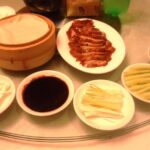
If you start in the morning, you’ll take a Chinese lunch and then head to 798. Start later in the day and you’ll have dinner at a local restaurant before finishing with your hotel drop-off. That’s a smart way to keep the day from feeling rushed—food shows up when you actually need it.
My practical tip: if your Beijing trip includes a morning temple or a major museum, pick the later pickup so you don’t stack two big sightseeing blocks back-to-back. If you’re more of a “market first, culture after” person, the earlier start tends to feel more natural.
Shilihe Culture Market: Fish, Flowers, Insects, and Precious Finds
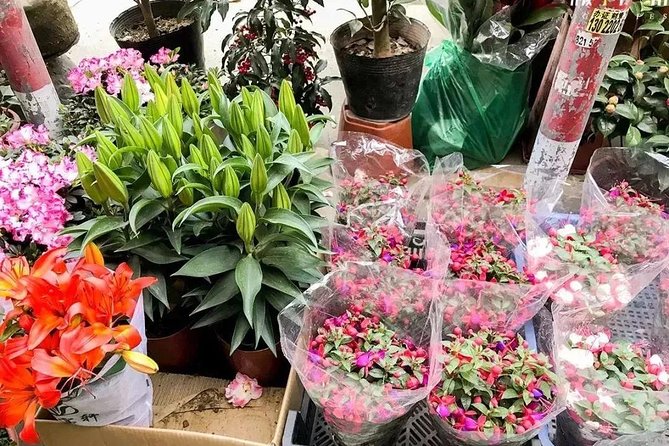
Your day begins at Shilihe Culture, a local market known for flower, fish, and insect items. Even if you don’t buy anything, you’ll get that immediate Beijing sensory hit: bright plants, colorful fish, and a general sense that locals come here for real needs—not just souvenirs.
The photos can’t fully prepare you for how visual this place is. One highlight from feedback is that the market can feel overwhelming in a good way—there’s a large variety of flowers and the fish are diverse and colorful. It’s the kind of stop where your guide helps you slow down and focus on what’s meaningful rather than trying to take everything in at once.
You also have a chance to see what people shop for beyond the obvious. The market is described as selling fish, flowers, and even precious stones. If you like niche collecting—teaching yourself what’s what, learning how people choose items—this is a strong first stop because it sets the tone for the whole day.
Practical note: the market is active and full of visual stimuli. Wear comfortable shoes and be ready for a lot of close-up looking. If you’re sensitive to crowded spaces, plan to keep moving and let your guide manage the pace.
Panjiayuan Antique Market: Calligraphy, Teapots, Furniture, and Big Finds
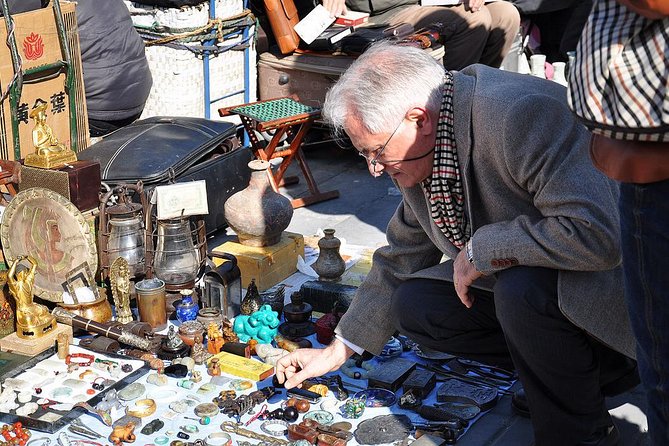
Next comes Panjiayuan Antique Market, a major hub where vendors from across China gather. It’s known for attracting locals from far and wide, and the plan specifically notes that weekends tend to be livelier with more stalls.
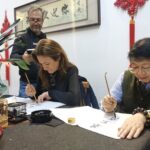
This is where the day starts leaning into the classic Beijing “hunt.” You may see jewelry, ceramics, calligraphy, teapots, ethnic clothing, Buddha statues, paper lanterns, and Cultural Revolution memorabilia. You can also spot listings for Ming and Qing-era style furniture, which is exactly the kind of thing that attracts collectors and curious browsers alike.
Two things I like about Panjiayuan within a guided format:
- Your guide can steer you toward what fits your interest level—some people want crafts and souvenirs, others want deeper antique browsing.
- You get help with questions rather than guessing. Multiple guides were praised for answering questions in English and explaining the context behind what you’re seeing.
There’s also a pacing reality here. You have about an hour at this stop, and one account highlights that time at the antique market ran longer than expected—your guide can sometimes work with the situation. Still, if you’re a serious bargain shopper, go in with the mindset that this is a guided tasting, not a full-day auction house experience.
My advice: decide your top priority before you arrive—one category only. For example, pick calligraphy and teapots, or pick paper lanterns and ethnic clothing. You’ll enjoy Panjiayuan more when you’re not trying to collect the whole century in 60 minutes.
798 Art Zone: Contemporary Galleries, Coffee Stops, and Art-Shop Browsing
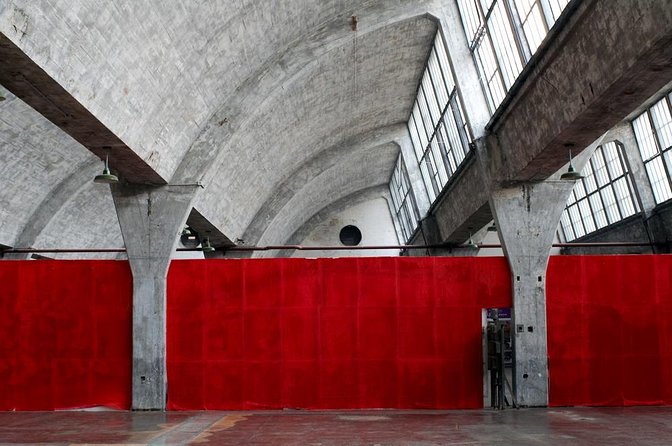
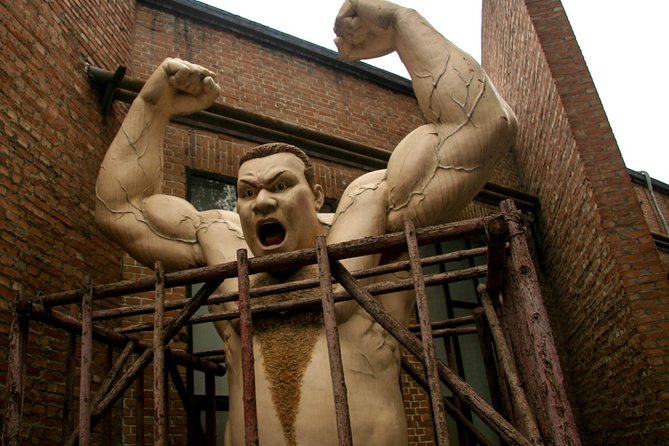
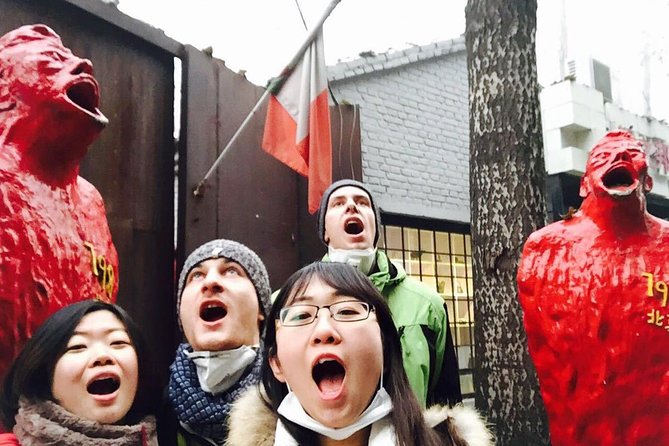
After the markets, 798 Art Zone changes the mood fast. Instead of dense stalls, you’re in a world of contemporary art galleries, boutiques, coffee shops, bars, and restaurants.
This is the stop that many people label a must see. One highlight from feedback: people found the antique and fish-and-flower markets interesting, but 798 was the part that really felt cool—especially because it’s not just about buying stuff. You’re walking through creative spaces where shopping feels like part gallery stroll, part street-level browsing.
What makes this area work in a tour format is the way you can shape your own interest inside the same neighborhood. If you want a quick look, you can keep it moving. If you want to slow down, grab coffee, and browse in peace, you can do that too—because the guide isn’t forced to “sell” you anything. They’re there to answer questions and suggest where to go next based on what you care about.
You also get a bit of bonus flexibility. One account mentions the guide adding an extra stop like the Silk Market, which was a fun learning moment about silk production. That’s not guaranteed, so I’d treat it as a possible detour if your guide thinks it fits your interests and time.
Comfort tip: 798 is a good place to cool down, sit for a minute, and reset your energy before heading back to your hotel.
You can also read our reviews of more shopping tours in Beijing
Lunch or Dinner Is Built In: How Timing Affects the Day
Food is part of the plan, but the exact meal depends on your start time. Morning departures are set up for Chinese lunch, while later starts shift to dinner at a local restaurant.
The value here isn’t just eating—it’s avoiding the “where should we go?” problem. A guide can pick a spot that matches the day’s walking rhythm, and at least one named guide (Alice) is praised for taking people to a great place to eat.
If you’re picky about dietary needs, you’ll want to share that when booking. The plan specifically asks you to advise dietary requirements ahead of time, so the guide has a chance to plan accordingly.
My practical rule: if you’re doing heavy market walking, go into lunch or dinner hungry and keep your selections simple. This tour is about variety across neighborhoods, not about turning every meal into a gourmet project.
The Role of Your Guide (Ranee, Lucy, Linda, MIKO, Alice, Sherry)
This tour is really a guide product. The markets are fascinating on their own, but language and context can make the difference between a day that feels random and a day that feels meaningful.
In the feedback you shared, the most praised trait is clear: the guide explains what you’re looking at and why it matters, while keeping the experience friendly and relaxed. Guides like Ranee and Lucy are specifically credited with giving context to markets and galleries, and with answering questions in fluent English. Linda is praised for being easy to get along with and for sharing lots of interesting facts.
There’s also a behind-the-scenes benefit: you’re not doing navigation math. Pickup is handled, transportation is arranged by private vehicle, and you’re dropped off afterward. That frees you to focus on watching, asking, and deciding.
And if your interests change mid-day, a good guide helps you pivot. One account praises MIKO for being flexible when antique browsing took longer than planned, which is exactly the kind of human adjustment that makes a guided private tour feel worth the cost.
Price and Value: What $158 per Person Actually Buys
At $158 per person, this isn’t a budget “hop-on, hop-off” style deal. But it’s also not overpriced for what’s included—especially because it’s private.
You get:
- a private guide
- private vehicle transport
- hotel pickup and drop-off
- bottled water
- food (lunch or dinner depending on your start time)
- free admission listed for the market/art stops in the plan
For a short, focused day, private arrangements like this can be good value when you compare it to the cost of paying for guide time + transport + handling meal recommendations on your own.
Also, the price can be easier to justify if you travel as a small group. The plan mentions group discounts, which can bring the per-person cost down if you’re booking with others.
My honest take: this is worth it if you want the markets and 798 handled with minimal friction and you care about understanding what you’re seeing. If you only want a casual stroll and don’t need explanations, you might find it expensive. But if you like learning and you hate wasted time, it’s a solid use of your day.
Who This Tour Fits Best (and Who Might Prefer DIY)
This tour fits best if you want three things in one afternoon:
- a market day without the stress of figuring out what to look for
- a meaningful stop at 798 Art Zone
- an English-speaking guide who helps you turn browsing into understanding
It’s also a good fit if you enjoy buying small items that have a story behind them. Seeing categories like calligraphy, ceramics, teapots, antiques, and contemporary boutiques in the same day gives you context for what makes one place different from the next.
You might skip it if:
- you’re only interested in one stop (like only 798, or only Panjiayuan)
- you dislike crowds and prefer quiet museum time
- you want an ultra-slow, all-day antique experience with no time limits
For most people, though, this feels like a smart “Beijing sampling platter.” You get range without the commitment of an all-day schedule.
Should You Book This Private Beijing Day?
If you want an easy, well-guided day that mixes local market chaos with contemporary art browsing, I’d book it. The strongest reason is simple: the guide quality is consistently highlighted, and it makes the difference between wandering and understanding.
I’d book it particularly if you like asking questions, learning what things are, and saving energy for walking and looking rather than logistics. And if 798 Art Zone sounds like your kind of fun, this is a great way to reach it without stitching together separate tickets and directions.
Only hold off if you know you’ll want hours and hours at Panjiayuan. With an hour there, you can browse and learn, but serious collectors should plan a longer dedicated visit elsewhere.
FAQ
What are the main places this private tour visits?
You’ll visit Shilihe Culture (the flower, fish, and insect market), Panjiayuan Antique Market, and 798 Art Zone.
How long is the tour, and when can I be picked up?
The tour is about 6 hours. Hotel pickup can be scheduled for 9am, 11am, 12pm, or 1pm.
Is hotel pickup and drop-off included?
Yes. The tour includes hotel pickup and drop-off, plus transport by private vehicle.
Is lunch or dinner included?
Yes. Food is included, with lunch if you start in the morning and dinner if you start later in the day.
Is this a private tour?
Yes. It’s a private tour/activity, and only your group participates.
Is Panjiayuan Antique Market open on weekdays?
The plan notes that Panjiayuan is open during the weekend, and weekends tend to be livelier with more stalls.
Can I cancel for a full refund?
Yes. You can cancel up to 24 hours in advance of the experience start time for a full refund.