REVIEW · BEIJING
Beijing Hutong Breakfast Food Tour
Book on Viator →Operated by Lost Plate · Bookable on Viator
Breakfast in Beijing’s hutongs feels like time travel. You’ll walk into a less-visited hutong area for a small-group morning food crawl, with 10+ dishes spread across several local eateries and a market stop. Expect the tour to mix eating with real-life details, from what people buy at dawn to how lanes and doorway features hint at how families lived.
Two things I really like here: you get guided context (not just food), and the tasting lineup goes beyond the usual hits. Seeing places run by vendors such as Aunt Jie for zongzi and Mr. Yu for crisp sesame flatbread with cured beef makes the whole meal feel grounded. Guides like Lynn and Winnie also tend to share practical Beijing food advice beyond the tour, including strong recommendations like a great Peking duck follow-up.
One thing to consider: it’s about 3 hours of walking, and breakfast includes foods with strong, acquired tastes. Douzhi (tangy fermented mung bean soup) is a classic example, so if you’re picky, you’ll want to go in ready for a surprise or two.
In This Review
- Key highlights you should know before you go
- Why this hutong breakfast tour works so well
- Price and food value: what $45 really buys you
- Getting there at 9:00 and what to bring for a hutong walk
- Stop 1: the market near the National Art Museum area and Aunt Jie’s zongzi
- Stop 2: Longfusi Street and douzhi, Beijing’s tangy fermented start
- Stop 3: Mr. Yu’s crispy sesame flatbread with cured beef, plus tofu pudding
- Stop 4: Dongsi North Street and hutong secrets in doorway pillars and signage
- Why the small group (max 10) and English guide matter
- Unlimited food and drinks: how the pacing feels
- Dietary needs: vegetarian options and how to plan
- Weather and comfort: don’t let the morning get annoying
- Who should book this tour
- A quick heads-up on meeting details (so your morning stays smooth)
- Should you book the Beijing Hutong Breakfast Food Tour?
- FAQ
- How long is the Beijing Hutong Breakfast Food Tour?
- How many people are in the group?
- What’s included in the $45 price?
- Is there a vegetarian option?
- Where is the meeting point and when does the tour start?
- Does the tour run in bad weather?
Key highlights you should know before you go
- 10+ breakfast tastings across 4 or 5 eateries so you don’t waste time hunting for places on your own
- A real market stop with seasonal produce, spices, and neatly cut meats you can see up close
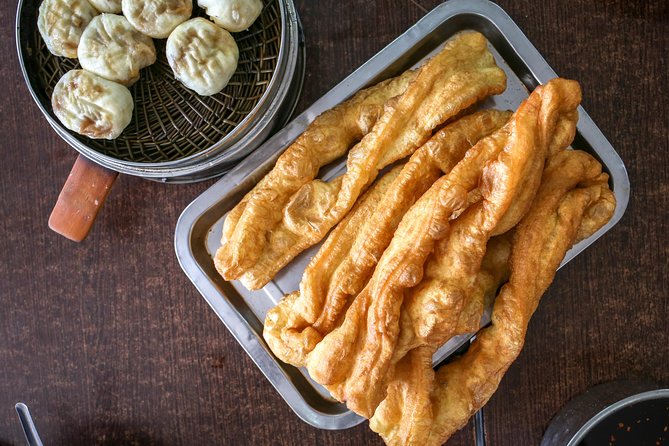
- Dishes with Beijing flavor signatures like douzhi, zongzi, tofu pudding, and cured-beef sesame flatbread
- Hutong “hidden clues” on the streets including doorway pillar details and how street signage works
- Small group size (max 10) with English support so it’s easier to ask questions while you eat
- Unlimited food and drinks plus bottled water keeps the pacing relaxed instead of stop-and-go
Why this hutong breakfast tour works so well
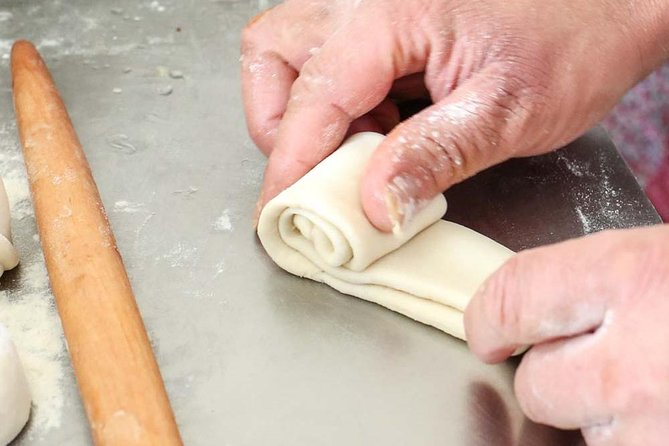
Beijing’s best food moments often happen before the city fully wakes up. This tour leans into that timing, taking you through traditional narrow lanes (hutongs) at a pace that feels like morning life, not a checklist. You’re not just sampling dishes in isolation; you’re walking alongside the spaces where people actually shop and eat.
I also like that the tour doesn’t try to be fancy. It’s practical: eat first, walk second, learn as you go. The schedule is built around multiple short stops, which makes it easier to handle different flavors without feeling like one giant meal.
If you want a Beijing morning that’s more than dumplings and Instagram-worthy streets, this style of tour is a smart way to get there fast.
You can also read our reviews of more food & drink experiences in Beijing
Price and food value: what $45 really buys you
At $45 per person for about 3 hours, the value is mostly in the volume and variety. You’ll have breakfast included, plus unlimited food and drinks across over 5 food stops, with more than 10 different dishes and drinks mentioned in the tour overview.
Think about what that means in plain terms: you’re paying for (1) a guide, (2) access to multiple local eateries in a tight time window, and (3) enough tastings that you don’t have to commit to full portions at each place. Even if you’re only half into some items, you still come away with a broad feel for what a Beijing breakfast can include.
Where it really pays off is decision-making. If you’ve never had foods like douzhi or you’re unsure whether you’ll like tofu pudding, this tour lets you test the waters quickly, then adjust your own ordering later.
Getting there at 9:00 and what to bring for a hutong walk
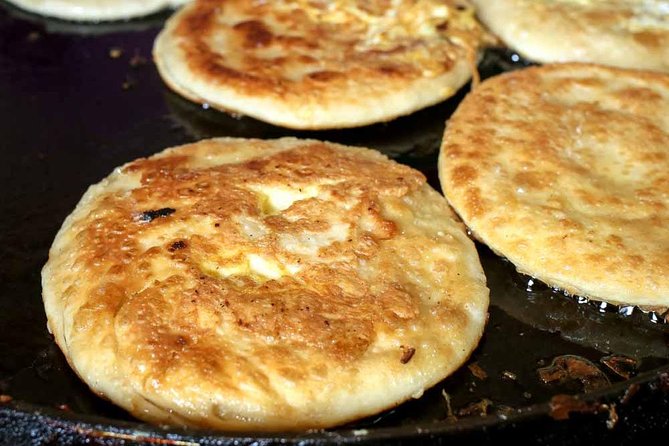
The tour starts at 9:00 am and runs about 3 hours. You’ll meet at 银燕航空服务公司售票处 (China, Bei Jing Shi, Dong Cheng Qu, 美术馆东街), Postal code 100006, and the tour ends back at the meeting point.
It’s a walking tour, so wear comfortable shoes. The route goes through hutong lanes and market areas, which usually means uneven sidewalks and tight turns. The good news: the tour is small-group sized (max 10), so you’re not getting swallowed by crowds.
A few practical tips based on how these tours tend to run:
- Keep your phone charged and be ready to show a mobile ticket
- Dress for the weather since it operates in all weather conditions
- If you’re vegetarian, mention it when you book so the tour can plan ahead
Stop 1: the market near the National Art Museum area and Aunt Jie’s zongzi
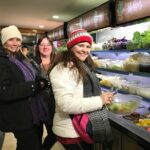
Your morning begins near the National Art Museum of China at a space described as a factory-turned-market. Even if you only have a few minutes, this is a strong way to start because it frames the food with context: you can see what’s fresh, what’s prepped, and what’s cut and sold for real daily meals.
This stop includes zongzi from Aunt Jie—glutinous rice dumplings stuffed with fillings. Zongzi is one of those foods that carries meaning in Chinese seasonal eating, and it’s a good “anchor” item for a breakfast tour because it shows how rice-based comfort can be both filling and practical.
What I like about starting here is how it sets expectations. Once you’ve seen the market and tasted zongzi, the rest of the morning’s stops feel like a continuation rather than random snacks.
Potential drawback: markets can be busy and sensory-heavy. If strong smells or crowds bother you, give yourself a second to adjust before you take the first bite.
Stop 2: Longfusi Street and douzhi, Beijing’s tangy fermented start
Longfusi Street is where the tour leans into classic Beijing breakfast texture and flavor. One of the featured stops is douzhi—tangy fermented mung bean soup. If you love foods with character, this is your moment. If you don’t, it’s still a useful experience because you learn what people mean when they say it’s comforting.
Douzhi tends to divide people. That’s not a flaw in the tour; it’s part of the point. This is the kind of dish that becomes memorable because it doesn’t try to please everyone. You either get it, or you learn you don’t.
Practical advice: take small sips first. Don’t feel forced to finish something just because it’s included. If it clicks, you’ll understand why it’s such a recognizable Beijing breakfast item.
You can also read our reviews of more tours and experiences in Beijing
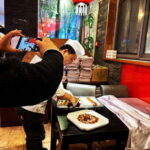
Stop 3: Mr. Yu’s crispy sesame flatbread with cured beef, plus tofu pudding
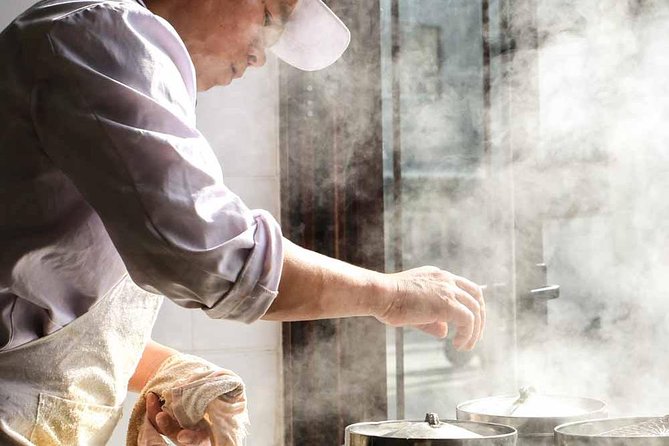
Right after the douzhi stop, the tour moves into comfort food mode. You meet Mr. Yu, who serves childhood-style flavors through two items described as:
- crispy sesame flatbread stuffed with cured beef
- a warming bowl of tofu pudding
This is a smart pairing. The sesame flatbread brings crunch and savory depth, while tofu pudding softens the whole experience with a gentle texture and warmth. Together, they help balance out the tangier flavors from earlier.
I also like that this stop represents food as memory. When a guide explains how a dish maps to everyday life, you stop treating breakfast like a “try everything once” game and start noticing what each bite is designed to do.
Potential drawback: cured beef can be salty and intense for some palates. If you’re sensitive to salt, pace yourself and rely on the tofu pudding as a palate reset.
Stop 4: Dongsi North Street and hutong secrets in doorway pillars and signage
After the food, the tour switches into street-reading mode at Dongsi North Street. This is where you get the hutong “how to look” lesson: how to notice details that most visitors miss.
The highlights here focus on things like:
- doorway pillars made of stone and what you can learn from them
- the meaning of color-coded street signs
- how to tell how many families are inside each dwelling setup
Even if you only take a few photos, this stop can change how you see Beijing afterward. Hutong neighborhoods have a logic you can start to decode when someone points out those visual clues. It’s the difference between walking past history and understanding how daily life was arranged.
It also helps that the tour’s group size is small. When you’re not jammed into a big pack, you can ask, look closely, and keep moving without losing the plot.
Why the small group (max 10) and English guide matter
A big part of the appeal is the group size. Maximum 10 people means you can actually talk with your guide while you’re eating. That’s not just pleasant—it’s useful. You’ll ask about what you’re tasting, why it’s served that way, and what you should try next.
Guides like Lynn and Winnie show up often in the best reviews, and that lines up with what makes this format work: the guide turns the route into a story you can follow. If you’re the type who likes to know what you’re eating and why it’s served at breakfast, this tour will feel like a shortcut.
One more practical perk from the review set: many people appreciated how their guide offered food recommendations after the tour, including strong guidance for a Peking duck meal. That kind of follow-through can save you a lot of trial-and-error later.
Unlimited food and drinks: how the pacing feels
Because the tour includes unlimited food and drinks (plus bottled water), you don’t have to nurse tiny tasting portions. The pacing is still walk-and-snack, but it’s not a situation where you’re rushing to finish a single bite and move on.
You’ll sample more than 10 items across four or five separate eateries, with stops that are long enough to eat and ask questions. It’s also why arriving hungry helps. With this kind of lineup, you’ll enjoy it more if your stomach isn’t already half full.
Dietary needs: vegetarian options and how to plan
The tour notes a vegetarian option is available if you request it at booking. That matters, because breakfast in China can include meat broths and cured ingredients even when dishes sound neutral.
If you keep a vegetarian diet, send your request clearly when you book so the guide can build the tasting sequence appropriately. If you’re flexible, you can still enjoy the tour, but don’t assume every item will automatically fit.
Weather and comfort: don’t let the morning get annoying
The tour runs in all weather conditions, so wear layers and bring what you need for the conditions that morning. Since it’s a hutong walk, you’ll also want footwear that can handle changing surfaces and tight turns.
This is one of those tours where comfort directly affects enjoyment. You can’t really taste well if you’re busy worrying about your feet.
Who should book this tour
This one is a great fit if:
- you want many tastings in one morning without planning a route
- you like tours that mix food with local everyday life
- you’re curious about classic Beijing breakfast items like douzhi, zongzi, tofu pudding, and sesame flatbread
- you prefer a small group where questions are welcome
It might not be your best choice if:
- you hate fermented foods and strong-taste dishes
- you need very predictable, mild flavors only
- you don’t enjoy walking for about 3 hours
A quick heads-up on meeting details (so your morning stays smooth)
Most experiences run smoothly, but one review described trouble due to an incorrect phone number on a voucher and a lack of a clear exact meeting spot. To avoid stress, I’d confirm the meeting location text carefully before you leave and plan to arrive a bit early so you can get oriented.
Should you book the Beijing Hutong Breakfast Food Tour?
Yes, I’d book it if you’re looking for a Beijing morning that feels local and purposeful. The price makes sense for what you get: breakfast plus unlimited tastings, guided interpretation, and hutong street context you can carry with you after the tour ends.
I would not book it if you’re a strict “only familiar flavors” eater, because douzhi and cured flavors can be polarizing. But if you’re open to trying, even just to compare your reaction, this tour is one of the better ways to get a real sense of hutong breakfast culture without spending days guessing where to go.
If you want a hutong experience that’s practical, small-group, and focused on food you actually recognize in the places you see around Beijing, this one earns a serious look.
FAQ
How long is the Beijing Hutong Breakfast Food Tour?
The tour lasts about 3 hours.
How many people are in the group?
The group is limited to a maximum of 10 travelers.
What’s included in the $45 price?
It includes breakfast, unlimited food and drinks, a local English-speaking guide, bottled water, and a small-group tour experience.
Is there a vegetarian option?
Yes. A vegetarian option is available, and you should request it when booking.
Where is the meeting point and when does the tour start?
The tour starts at 9:00 am. The meeting point is at 银燕航空服务公司售票处, 美术馆东街, 东城 (postal code 100006), and the tour ends back at the meeting point.
Does the tour run in bad weather?
Yes. It operates in all weather conditions, so dress appropriately for the morning.