REVIEW · BEIJING
3-Hour Private Night Tour: Beijing Foodie Experience
Book on Viator →Operated by Unique Beijing Tours · Bookable on Viator
Food dreams, served on a hutong sidewalk. This private evening tasting in Dongsi Hutong is built around real, local-style stops with a guide who keeps the pacing smart and the ordering easy—whether you want classic comfort bites or a little adventurous food. I especially love the hotel lobby pickup that gets you there without figuring out taxis in the dark, and the way the menu jumps from kabobs and fried pancakes to regional flavors like Yunnan. One thing to consider: if you or someone in your group needs to stop early or slow down, it’s worth confirming how the guide will handle that mid-tour.
In three hours, you’ll hit multiple snack moments, including lamb kabobs with sides, tanjianbing (pan-fried savory pancake), and sweet hits like sesame cakes and tanghulu. You’ll also taste small pours of Chinese white liquor (Erguotou) and sample a Yunnan set that includes Cross Bridge rice noodles, plus an optional crunchy curiosity: dish-fired bamboo worm (extra cost). The vibe is simple and practical: eat first, ask questions while you walk, repeat.
In This Review
- Key Things I’d Not Miss
- Dongsi Hutong Night Tour: Hutong Flavor Without the Guessing
- Stop 1: Dongsi Hutong + Getting Your Bearings
- Stop 2: Xinjiang Taste Restaurant, Lamb Kabobs, and Erguotou
- Stop 3: Zhangzizhong Street Snacks, Tanjianbing, and Sweet Crunch
- Yunnan Cuisine Stop: Cross Bridge Noodles and Plum Liquor
- The Snack Set Finish: Dessert, Porridge, and Comfort Bites
- Price and Logistics: What $79.20 Gets You
- Who This Private Food Tour Fits Best
- Practical Tips Before You Go
- Should You Book the Beijing Foodie Night Tour?
- FAQ
- FAQ
- How long is the private Beijing food tour?
- Where does the tour start?
- What foods will I try on the tour?
- Is pickup included?
- Do I have to arrange transportation to Dongsi Hutong?
- Is there a vegetarian option?
- Can I get help with dietary restrictions?
- What is the cancellation policy?
Key Things I’d Not Miss
- Private guide, real ordering help: you don’t need menu translations or guesswork to try the good stuff
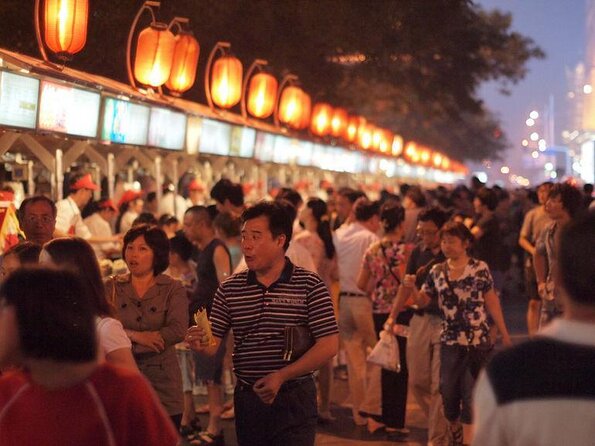
- Dongsi Hutong at night: the old alley neighborhood walk adds a sense of place without being a chore
- Tanjianbing and kabobs back-to-back: you get savory textures in fast succession, not just one type of food
- Two regional swings: North-West-ish kabobs, then Yunnan flavors like Cross Bridge rice noodles
- Optional adventurous bite: bamboo worm is available if you want to go there
- Food-heavy pacing: plan to be hungry; the portions can stack up quickly
Dongsi Hutong Night Tour: Hutong Flavor Without the Guessing
This is the kind of tour that works because it removes friction. You meet your guide in your hotel lobby and head to Dongsi Hutong by taxi, metro with your own expense, or a private vehicle if you choose that option. Once you’re there, you’re not bouncing around randomly. You’re moving with a plan—eat, learn, walk, repeat.
The best part is how the hutong setting supports the food. You get the feeling of being in older Beijing while you snack at the sort of places most visitors would never find on their own. Guides named Lucy, Kevin, Roy (and Roy Li), Miko, and Bella come up in the experiences people describe, and the common thread is confidence: they guide your eyes, your timing, and what you should order.
My practical tip: wear comfortable shoes. Dongsi Hutong lanes are made for walking, not for quick photo stops every five minutes. If you’re carrying a small bag, keep it light. You’ll be tasting a lot.
Potential drawback to keep in mind: this is still a walking food tour. One review complaint pointed to a lack of contingency when someone couldn’t finish. If your group has anyone with health limits, ask your guide up front how they’ll adjust the route or stop count if someone needs to slow down or step out.
You can also read our reviews of more tours and experiences in Beijing
Stop 1: Dongsi Hutong + Getting Your Bearings
The tour starts with an hour in Dongsi Hutong. That first segment matters more than it sounds. It’s where you get context for what you’re about to eat and where you’re going to eat it.
A good guide uses this time to explain the hutong setting—what you’re seeing, why alley life matters, and how the neighborhood connects to food culture. Even if you only absorb part of it, it makes the later meals land better. Instead of eating “random snacks,” you start linking flavors to people and places.
Admission is listed as free, and the focus here isn’t ticketed attractions. It’s orientation and momentum: get you moving, set the tone, then send you straight to food.
Stop 2: Xinjiang Taste Restaurant, Lamb Kabobs, and Erguotou
Next you move to the LongFuSi Jie area, often by taxi at your own expense (unless you picked the private vehicle option). Before the first big meal, your guide gives history and neighborhood insight, then you settle in at Xinjiang Taste Restaurant.
Here’s the first “wow” cluster: lamb kabobs and side dishes. You’ll sample about 3–5 types of kabobs, plus sides like eggplant, beans, garlic, leeks, and Nang. The menu isn’t trying to be fancy. It’s trying to be satisfying and varied, so you can taste differences in seasoning and style.
Then comes the part that turns this into an actual Beijing experience, not just a food circuit: Erguotou. It’s Chinese white liquor, and you’ll get a taste here. You don’t need to be a liquor expert. You just need to decide whether you want to sample it. If you do, take small sips and drink water between bites.
Practical note: if alcohol is a hard no for you, tell the guide right away. This is a private tour, and dietary needs are something they say they can accommodate.
Why this stop is valuable: kabobs are portable, fast, and deeply flavored. Having them early helps you set your palate for the rest of the night, especially the fried pancake and snack-street items later.
Stop 3: Zhangzizhong Street Snacks, Tanjianbing, and Sweet Crunch
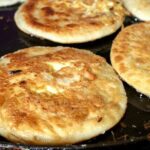
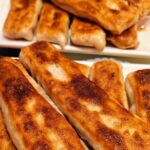
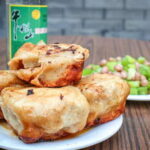
After the kabobs, you head to Zhangzizhong Street, where you’ll try tanjianbing—a pan-fried savory pancake favored by locals. This is a great middle step: it’s warm, crisp-ish, and built for eating right away. If you’re nervous about trying local snacks, fried pancake format usually feels approachable.
From there, the street sequence is snack-party energy. You’ll taste a mix that can include:
- sweet dough
- sesame cakes
- Ma hua
- Zongzi
- baozi
- Beijing jar yogurt
- tanghulu (made with crabapple)
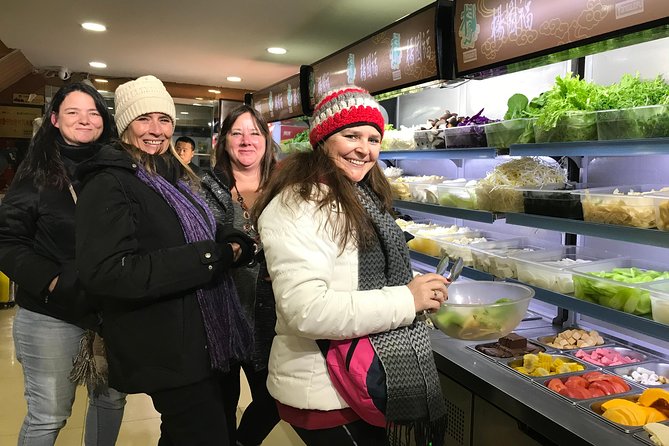
Then you’ll move to another stand where you’ll try 5–12 Sichuan kabobs, plus drinks like peanut beverage or orange soda.
This is where the guide really earns their fee. When you’re sampling that many items in a short window, it’s easy to lose track of what you liked. A good guide keeps the order straight and helps you pick what to focus on—especially if you’re someone who prefers savory over sweet (or the reverse).
A consideration: not every bite is guaranteed to match your tastes. One review highlighted that some foods were not to their liking, even though the overall experience was still strong. Go in ready to try. If you’re a picky eater, the vegetarian option is available, but you still may want to set expectations with the guide before you start.
My practical strategy for you: pick one or two items you’re most curious about at this stop and treat the rest as bonus rounds. That way you enjoy the variety instead of worrying about finishing everything.
Yunnan Cuisine Stop: Cross Bridge Noodles and Plum Liquor
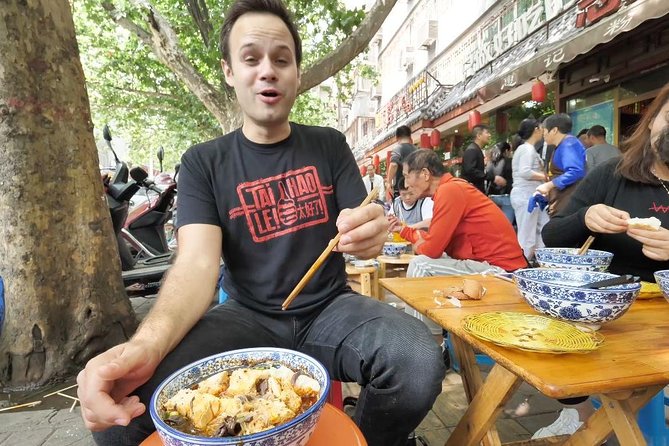
After the snack streets, you shift gears to Yunnan Province cuisine. This part is the flavor curve change you didn’t know you needed. It moves you from Beijing street classics into a different regional style.
You’ll get items such as:
- flower cake
- cold cakes made of pea
- grilled bread covered by rice flower
- rice wine
- plum liquor
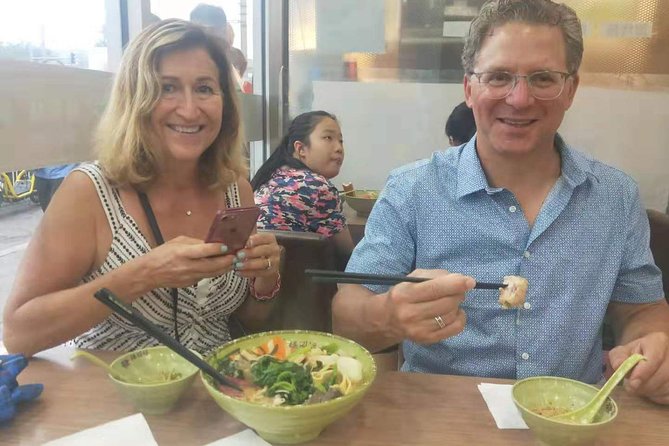
- Cross Bridge rice noodles
This is also where the optional “adventure food” appears: dish-fired bamboo worm is listed as available for an extra cost if you want to try it.
If you’re curious but not sure, you can treat this as a choose-your-own-adventure moment. You don’t have to be dramatic about it. Just ask the guide what it tastes like and decide based on your comfort level. Even if you skip it, the rest of the Yunnan menu is already a solid reason to come.
Why Yunnan works in a 3-hour tour: Cross Bridge rice noodles are a recognizable concept—noodles with depth—but the set-style delivery of sauces and sides makes it feel like a meal, not just snacks.
You can also read our reviews of more private tours in Beijing
The Snack Set Finish: Dessert, Porridge, and Comfort Bites
The tour doesn’t end at the Yunnan restaurant. You’ll also try a Beijing snack set, which includes items such as:
- glutinous rice roll with sweet bean flour
- yellow pea cake
- steamed rice cakes with sweet stuffings
- seasoned millet porridge
- and more
This is a smart move. After savory and spicy stops, you need something warm and grounding. The sweet bean flour and steamed rice cakes also help balance any stronger flavors you took earlier.
By the time you reach this segment, you’ll probably feel the “I should have eaten breakfast” regret—or the opposite, if you showed up truly hungry. Most people leave stuffed, and that’s the point. This tour is a tasting, but it’s not tiny samples.
Price and Logistics: What $79.20 Gets You
The price is $79.20 per person for a 3-hour private night tour. Average booking time is about 22 days in advance, which suggests it’s popular (and schedules can fill).
Here’s how to think about value:
You’re paying for:
- a private guide who meets you in your hotel lobby
- a structured route through multiple food stops
- food tasting at each stop
You’re not paying for:
- transport from your hotel to attractions ($5 per person)
- transport from your hotel to Hutong ($5 per person)
Also, pickup is free if your hotel is inside the city, but otherwise you may see those transport add-ons. You can also select private transport if you want less hassle.
What makes it worth it for many people: in a place like Beijing, the hardest part is often not finding food—it’s finding the right version of it and ordering confidently. Private guidance flips that from stressful to easy.
If you’re the kind of traveler who likes to explore solo but wants a “food translator,” this is a good middle ground. You get the structure, then you can go off on your own afterward.
Who This Private Food Tour Fits Best
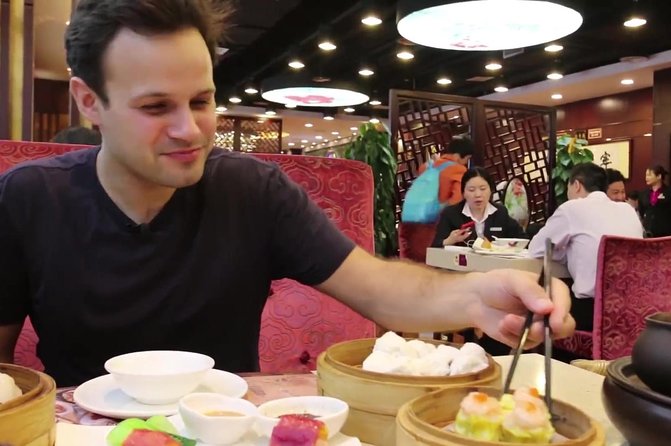
This works especially well if you:
- want a local-led tasting route instead of street-hunting alone
- enjoy trying a mix of sweet and savory
- like learning what you’re eating while you eat it
- appreciate flexible options like vegetarian choices (available if you advise at booking)
It’s also a nice fit for first-time Mainland China visitors who want a strong food introduction without needing to plan every meal.
If you’re traveling with someone who has dietary restrictions, the tour notes that the guide can cater to them. Tell them up front at booking, and be specific about what you can and can’t eat.
If you need a very quiet, slow, sit-down-only experience with no walking, you might find the pace less comfortable. This is a walk-and-taste tour.
Practical Tips Before You Go
A few small things can make a big difference:
- Go hungry but not wrecked. This is a food-heavy night.
- Ask about alcohol tasting. Erguotou and rice wine/plum liquor appear in the plan, so confirm how they handle no-alcohol preferences.
- Expect variety. You’ll see everything from kabobs to fried pancakes to sweet street snacks and porridge.
- Wear easy shoes. Hutong walking at night is the default reality here.
- If anyone has health limits, ask the guide how they adjust. One comment raised concern about contingency when someone couldn’t finish, so you’ll feel better clarifying early.
Should You Book the Beijing Foodie Night Tour?
If you want a simple, high-reward food route in Dongsi Hutong, I think it’s a strong booking. The combination of hotel lobby pickup, a private guide who helps you order, and a menu that mixes kabobs, tanjianbing, Beijing snacks, and Yunnan noodles gives you real breadth in a short time.
Skip it only if you’re looking for a low-food, light-snack stroll, or if your group needs a very slow, minimal-walking format with strict no-surprises around what’s served. For everyone else, this is the kind of night that leaves you with lasting flavor memories—and a stomach that knows you did it right.
FAQ
FAQ
How long is the private Beijing food tour?
It lasts about 3 hours.
Where does the tour start?
Your guide meets you in your hotel lobby in central Beijing.
What foods will I try on the tour?
You’ll sample items including lamb kabobs (3–5 types), tanjianbing, sesame cakes and other street snacks, Sichuan kabobs, and Yunnan cuisine such as Cross Bridge rice noodles. The snack set can include sweet bean items, pea cake, steamed rice cakes, and millet porridge.
Is pickup included?
Pickup is offered, and pickup is free if your hotel is inside the city. Otherwise, transport from your hotel may cost $5 per person.
Do I have to arrange transportation to Dongsi Hutong?
The tour includes guidance for getting to the Hutong area. Transport from your hotel to Dongsi Hutong is listed as $5 per person, and travel to the main tasting area may be by taxi at your own expense unless you choose the private vehicle option.
Is there a vegetarian option?
Yes. Vegetarian options are available if you advise dietary requirements at booking.
Can I get help with dietary restrictions?
Yes. The private guide can cater to dietary restrictions, and you should share your needs at booking.
What is the cancellation policy?
Free cancellation is available. You can cancel up to 24 hours before the experience start time for a full refund, and changes within 24 hours aren’t accepted.