REVIEW · BEIJING
Beijing Historical Tour II including Summer Palace, Lama Temple & Panda Garden
Book on Viator →Operated by Hantang International Travel Service · Bookable on Viator
Beijing gives you culture fast, and this tour is built for that. You’ll see the sacred side of the city at Lama Temple (Yonghegong), then shift to royal grandeur at Summer Palace (Yiheyuan), plus a panda visit and a silk-making demonstration. It’s the kind of day where you go from incense and statues to lake views and palace bridges without needing to plan anything.
I especially like how Lama Temple is treated as more than sightseeing. The big Maitreya Buddha and the temple’s mix of architectural styles (Han, Mongolia, Manchuria, Tibet) make it feel like you’re stepping into a real world, not a checklist stop. Guides such as Mary and William are praised for keeping the story clear while you walk the halls.
One consideration: the schedule can feel tight, and some stops can turn into shopping time. A few visitors found the day running longer than expected and worried about sales pressure at markets or showrooms, so it helps to go in with your expectations set.
In This Review
- Key things to know before you go
- Lama Temple (Yonghegong): Tibetan Buddhism in the Middle of Beijing
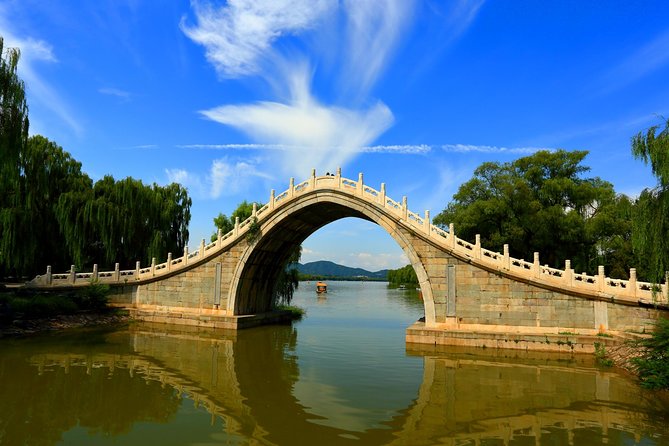
- Summer Palace (Yiheyuan) Grounds: Cixi’s Renovation and Lake-Bridge Views
- Pandas at the Panda Garden: Short, Good for First-Timers
- Tianhou Silk Market: Silk Demo Plus the Shopping Reality
- Lunch, Extras, and the Tour’s Pace: Where the Value Really Lands
- Guides, English, and How to Get More Out of the Day
- Comfort, timing, and practical tips for your day
- Should you book Beijing Historical Tour II?
- FAQ
- What are the main stops on the Beijing Historical Tour II?
- How long is the tour?
- How much does the tour cost?
- Does the tour include lunch and admission tickets?
- Is hotel pickup and drop-off included?
- Where do I go if my hotel is outside the 4th ring circle?
- What time does the tour start?
- Are tickets provided digitally?
- What is the maximum group size?
Key things to know before you go
- Lama Temple’s Maitreya Buddha is the real wow moment, carved from a single sandalwood tree and towering over 18 meters.
- Summer Palace is mostly a grounds tour, not necessarily a deep interior visit of every major building.
- Panda time happens as part of the day plan, often brief but good for first-timers who want the highlights.
- Tianhou Silk Market includes a short silk-making demo, with time to shop if you want.
- Lunch is included, but quality can vary by venue, so plan around the included meal.
- Pacing can be fast, especially if you also choose optional extras like a boat ride.
Lama Temple (Yonghegong): Tibetan Buddhism in the Middle of Beijing

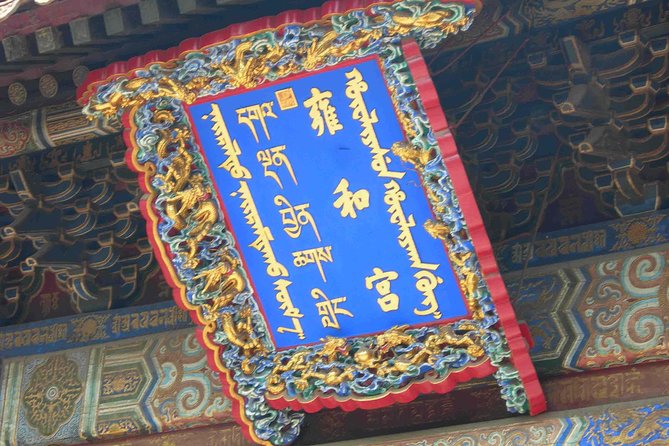
Lama Temple is one of those Beijing sights that feels like a switch flips. One minute you’re in city noise. The next, you’re inside a religious complex with opulent halls, carvings, murals, and all the details that make old spiritual places feel lived-in.
The headline is the Maitreya Buddha—massive, carefully made, and hard to ignore. The tour description notes it’s 18 meters above ground and carved from a single sandalwood tree, which is the kind of fact that makes the visit click. You don’t just look up. You start noticing how the halls frame the statue, how the light hits the carvings, and how the crowds move through the space.
Another thing I like here: the temple’s architecture. You’ll hear that it reflects influences from different regions—Han, Mongolia, Manchuria, and Tibet. That matters because it explains why Lama Temple doesn’t feel like one single style museum. Instead, it feels like a meeting place of cultures that shaped Buddhism across China.
If you want a tip that actually helps your photos: go with the expectation of taking shots from inside courtyards and hall doorways, not trying to freeze every angle. The best photos come when you stop moving and let the scene come to you—statues first, then carvings and murals around them.
You can also read our reviews of more historical tours in Beijing
Summer Palace (Yiheyuan) Grounds: Cixi’s Renovation and Lake-Bridge Views
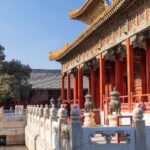
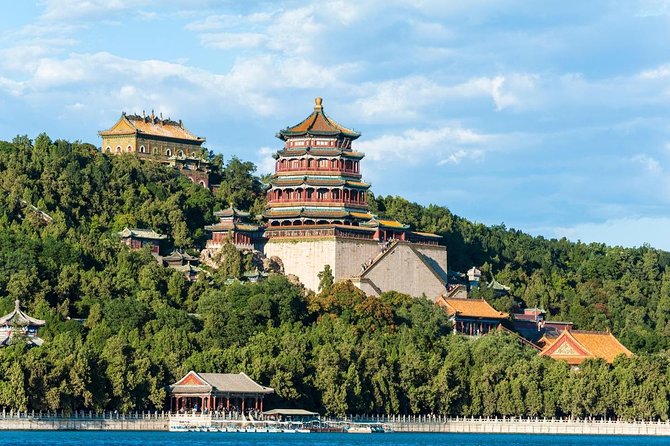
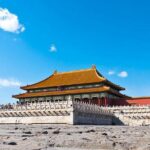
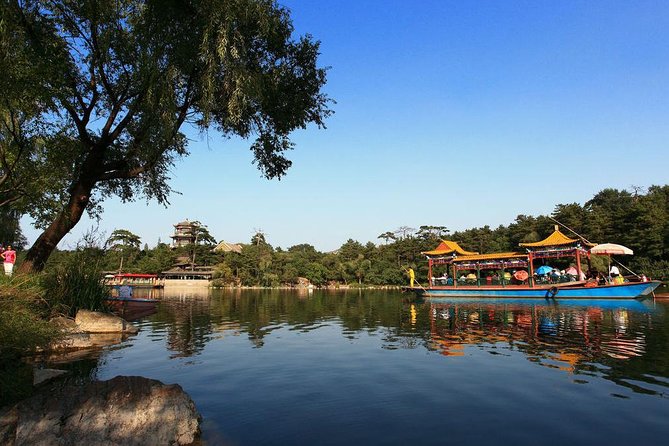
Then the tour pivots to the Summer Palace, a UNESCO World Heritage site built for imperial escape. What you’re walking through isn’t just pretty scenery. It’s a carefully designed political retreat—pavilions, bridges, and temple-like structures arranged around water and gardens.
The manmade lake you see today links to the 19th-century renovation. The tour explanation also points to Empress Dowager Cixi, who had the estate restored after earlier destruction. That context is useful because it turns the place from a pretty park into a story about power, rebuilding, and how rulers used landscape to impress.
The key practical detail: your experience here may skew outdoor. One visitor specifically noted that the tour focuses on walking through the grounds rather than going into the palace interiors. That can be totally fine—especially if your goal is views, photos, and a calm stroll—but if your dream is spending lots of time inside the palace buildings, you should double-check what’s included for your dates.
Also, some people loved doing the boat option on the canal through the Summer Palace area, while others felt it was extra and not worth the price. If you’re deciding on the boat, I’d use a simple filter: only add it if you genuinely want that slow-on-water perspective. Otherwise, spend your time on the paths where you can linger without timing pressure.
Pandas at the Panda Garden: Short, Good for First-Timers
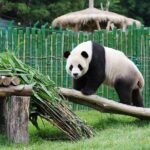
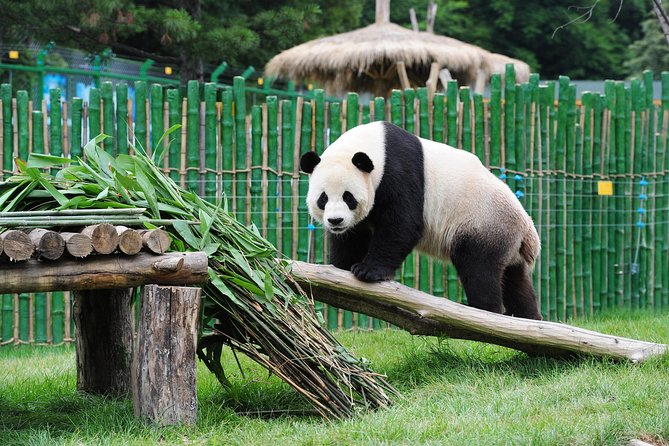
The panda stop is one of the main reasons many people book this tour. The panda experience itself doesn’t need much explaining—seeing them in person is the point. But in a timed day like this, the bigger story is how the panda visit gets squeezed into the overall schedule.
Some visitors felt panda time was brief, with another person saying they didn’t spend long in the zoo area. If you’re the type who plans your day around animal time—watching behavior, waiting for the best moments—this might feel too short. If you just want a solid panda sighting and then you’re ready to move on, it works well.
There’s also a shopping-and-time dynamic to watch. A few comments mention time getting redirected later toward selling items, which can make the panda segment feel even more hurried. If you care about pandas most, I’d prioritize panda time early in the day and set your pace mentally—don’t wait until the end to get your shots.
One practical caution that came up: someone had trouble with payment methods for an entrance fee and suggested carrying cash. I can’t promise it will happen on your day, but it’s a smart habit in China for any attraction fees when your brain is busy and you don’t want surprises.
Tianhou Silk Market: Silk Demo Plus the Shopping Reality
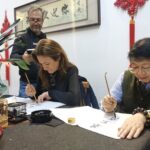
Tianhou Silk Market is where the day gets a cultural craft angle—there’s a short demonstration on making silk. Even if you’re not shopping, watching how a craft connects to daily life in China can add meaning to the stop. Silk isn’t just fabric here; it’s tied to history, trade, and the way crafts turn into industry.
That said, this is also a market. And multiple comments highlight sales pressure—some people felt the tour was partly slowed down for store stops. One review said the title felt misleading because the Summer Palace portion was mostly grounds, and another noted shopping detours that cut into sightseeing time.
My advice is simple: go in with a plan. If you want silk, great—ask questions and compare prices if you can. If you don’t want to shop, still go, but treat it like a quick museum visit: watch the demo, take photos, buy nothing until you’ve seen enough, and then move on.
If you’re sensitive to pushy sales tactics, you can reduce stress by setting your personal line in your head before you arrive—something like: I’ll browse for 10 minutes, then I’m done. Guides vary, but the environment can feel sales-forward.
Lunch, Extras, and the Tour’s Pace: Where the Value Really Lands
The tour price is $93 per person, which is a strong number for a full-day mix in Beijing when you include transport, guide support, entrance fees, and lunch. But here’s the tradeoff: part of what makes the price work is a packed schedule.
The itinerary is designed to fit a lot into about 7 hours, but real-world days can run longer. At least one comment said the tour stretched closer to 10 hours, and another described a fast, “moving from spot to spot” feel. That means you get more sights, but you also lose a little breathing room.
So the question becomes: do you want a sightseeing sprint or a slow, thoughtful day?
If you like a steady rhythm—see the highlights, take photos, learn a few key stories, keep moving—this tour likely matches your style. If you’re the type who wants long rests, deep exploration inside buildings, or time to wander without urgency, you might feel rushed.
Lunch is included, and that’s a real value piece. Still, quality can vary by venue, and one comment called out a subpar lunch compared to other tours. I’d bring a backup snack if you’re picky or if you know your tolerance for “included meal” food is low.
As for optional extras: boat rides on the Summer Palace canal were mentioned as paid separately, and the added cost can change how long you spend there. If you choose extras, you’ll likely pay in time. If you don’t, you’ll get more walking views. Either choice works—the key is making it knowingly.
Guides, English, and How to Get More Out of the Day
A tour lives or dies with the guide’s energy. On this one, several names came up repeatedly with praise for good English and clear storytelling. Mary and William were highlighted for being entertaining and supportive, while Michael was praised for helpful, polite guidance. Cathy and Marie also earned strong marks for explaining the relevance of what you’re seeing, not just listing facts.
Here’s how to make that work for you:
- Ask one question at the start of each major stop. Even a simple one like why this statue matters can unlock better attention the rest of the time.
- Use the walking labyrinth time at Lama Temple as your “slow down” moment. The temple can be visually overwhelming, but the guide explanations help you prioritize what to notice.
- For Summer Palace, focus on how buildings frame the lake. The palace isn’t only about what’s inside; it’s about views, sightlines, and the planned relationship between water and structures.
Also, pace depends on how your day is running. Some groups felt things were orderly. Others felt pick-up syncing and walking distance could be annoying, especially for older travelers. If you’re traveling with someone who tires easily, wear supportive shoes and plan for extra steps.
Comfort, timing, and practical tips for your day
This is a hotel pickup tour using an air-conditioned coach/mini-van. Pickup is offered for hotels within the 4th ring circle highway, and if your hotel is outside that area you join the tour at Prime Hotel on Wangfujing Avenue at 7:30 AM.
Start time is listed as 8:00 AM, so you’ll want to be ready early. Some people reported phone contact shortly before the start, and the real schedule can feel stricter than you expect—especially when the driver is coordinating multiple pickups.
A few practical things that make a big difference:
- Wear comfortable shoes. Lama Temple and Summer Palace both involve walking on uneven surfaces.
- Bring a light layer. Beijing weather can shift fast, and one comment mentioned it being chilly.
- Bring enough cash just in case. If any entrance fee system is picky about card use, cash saves stress.
- Have your camera ready, but also give yourself 30 seconds to just watch. These places are more memorable when you pause.
Should you book Beijing Historical Tour II?
Book it if you want a first-Beijing highlights day with Lama Temple, Summer Palace, and a panda stop, plus a craft moment at Tianhou Silk Market. The price looks good for what you get: transport, guide help, entrance tickets, and lunch all included.
Skip it or consider a different format if you hate shopping stops, dislike fast pacing, or specifically want lots of time inside the Summer Palace buildings. In a packed day, you may get grounds and key sights, but not the slow, deep exploration you might prefer.
If you do book, go in with three goals: learn the story behind the two big religious/cultural sites, plan your time around photo moments, and decide in advance how you’ll handle the market-shopping environment. That mindset turns a “packed day” into a surprisingly satisfying Beijing sampler.
FAQ
What are the main stops on the Beijing Historical Tour II?
The tour includes Lama Temple (Yonghegong), the UNESCO World Heritage-listed Summer Palace (Yiheyuan), and a panda visit at Panda Garden. It also includes a short silk-making demonstration at Tianhou Silk Market.
How long is the tour?
The duration is listed as about 7 hours.
How much does the tour cost?
The price is $93.00 per person.
Does the tour include lunch and admission tickets?
Yes. The tour includes Chinese style lunch and admission tickets.
Is hotel pickup and drop-off included?
Yes. Pickup and drop-off are included for hotels located within the 4th ring circle highway.
Where do I go if my hotel is outside the 4th ring circle?
If your hotel is outside the 4th ring circle highway, you join the tour at Prime Hotel at 07:30AM.
What time does the tour start?
The start time is 8:00 AM.
Are tickets provided digitally?
Yes. The tour includes a mobile ticket.
What is the maximum group size?
The tour lists a maximum of 999 travelers.