REVIEW · BEIJING
Beijing:Tiananmen Square Entry Reservation – Iconic Landmark
Book on GetYourGuide →Operated by Hua Hua Explore China · Bookable on GetYourGuide
Security lines can steal your time. This Tiananmen Square entry reservation service helps you cut the ticket hassle and focus on the sights. It’s built around a simple idea: you reserve in advance, then use your reservation details + original passport to enter directly.
I especially like the combination of a reservation setup and an English textual and visual guide that helps you find the major sights around the square without guessing. The guide approach is useful when you’re moving fast or when the signage feels overwhelming.
One thing to consider: even with a reservation, you may still face security checks and lines at the entrance, so don’t plan this like a quick stroll. Build in extra buffer time.
In This Review
- Key points before you go
- What the Tiananmen reservation setup actually does for you
- From documents to entry: what to expect at the checkpoint
- The 2-hour game plan: what you can see around Tiananmen
- A pace that works
- Using the English textual and visual guide like a pro
- Price and value: why this costs so little
- Queue reality: how to plan so you don’t get burned
- Who this experience fits best
- Should you book? My decision guide
- FAQ
- What do I need to bring for Tiananmen Square entry?
- How do I receive my reservation details?
- Do I need a separate live tour guide?
- Is there an audio guide included?
- Is Tiananmen Square entry included?
- How long is the experience?
- Is this experience wheelchair accessible?
- Can I cancel and get a full refund?
- Can I reserve now and pay later?
- Is the guide in English?
Key points before you go

- Direct entry using your reservation documents: once confirmed, you’ll get details by email to use with your passport.
- Skip the ticket line: you’re not starting from zero at the counter.
- English textual and visual guide included: helps you navigate key sights around Tiananmen.
- Clear instructions and maps may be provided: some communication includes advice on entrances and getting there quickly.
- Two-hour visit window: great for a focused pass, but queue time can affect your real schedule.
- Wheelchair accessible: the experience is listed as accessible.
What the Tiananmen reservation setup actually does for you
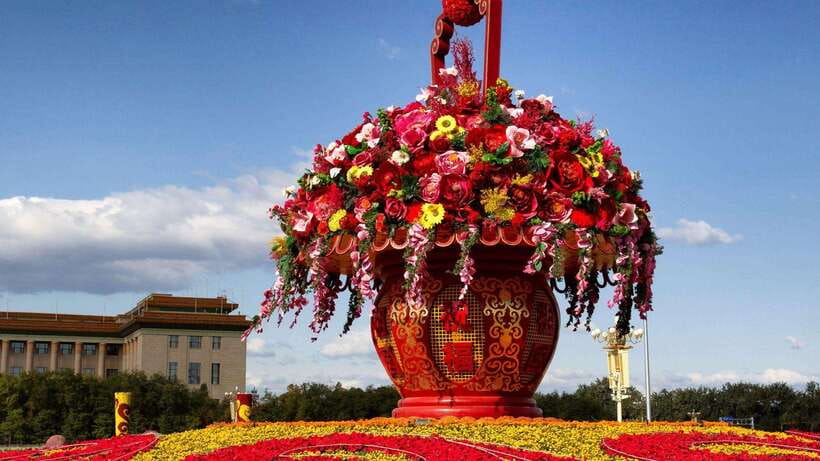
This experience is not a full guided tour with someone walking beside you. It’s an entry reservation service paired with a self-guided guide in English. That means your biggest win is logistical: you’re reducing the biggest friction point for one of Beijing’s most famous checkpoints.
After you place your order, you’ll be asked to send your passport name and passport number (by email or WhatsApp). Once the provider successfully makes the reservation, you get emailed reservation details and visiting documents. On the day, you enter Tiananmen Square directly using the reservation information together with your original passport.
I like this model because it fits how most people actually travel. You can control your pace, stop for photos when you want, and still benefit from the advance planning that usually saves hours.
You can also read our reviews of more historical tours in Beijing


From documents to entry: what to expect at the checkpoint

Here’s the workflow you should plan around. First, you place the order. Then you send your passport details so the reservation can be created correctly. Once it’s ready, you receive a message with the reservation information and the visiting documents.
On-site, the process is essentially: bring the right document (your passport is the key one for direct entry) and use the reservation information you were sent. The goal is to have you skip the ticket line step and move toward the entry process without extra ticket-purchasing delays.
Even so, keep your expectations realistic. There are times when you’ll still encounter long queues for entry-related checks, not just ticketing. One booking experience described spending a couple hours in line minimum even with a reservation, and another pointed out that queues can still happen regardless of a timed slot. So while this service helps, it doesn’t guarantee instant entry.
My practical advice: treat the reservation like a time-saver, not a time-travel machine. Give yourself a wide margin so the rest of your day doesn’t collapse if you’re slowed by security lines.
The 2-hour game plan: what you can see around Tiananmen

The experience is listed as 2 hours. That’s enough time for a strong orientation of Tiananmen Square and a quick sweep of nearby major landmarks—assuming you’re not stuck in entrance delays.
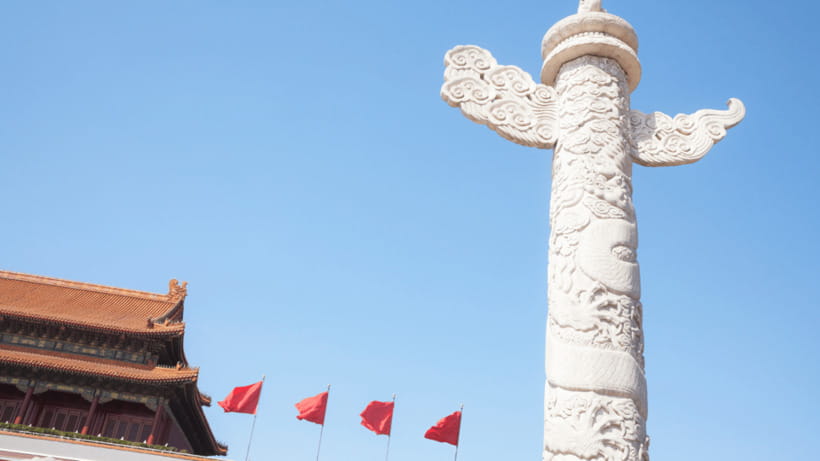
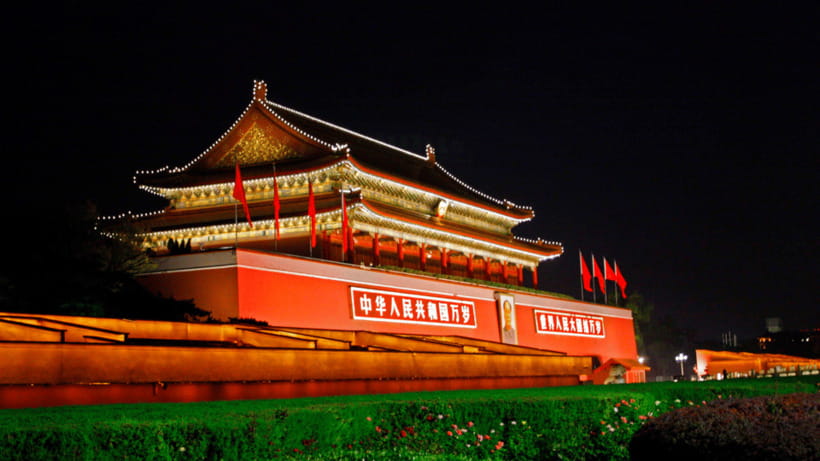
Tiananmen Square itself is the anchor. It’s described as the largest public square in the world and a stage for key events in China’s modern history. Being in the center of all that scale changes your sense of the place. It’s not just a viewpoint; it’s the kind of open space where you understand why events mattered here.
From there, the guide helps you connect the square to surrounding sights. You’ll see how Tiananmen sits close to major landmarks such as:
- the Forbidden City
- the Monument to the People’s Heroes
- the Mausoleum of Chairman Mao
Even if you don’t plan to go inside every site (your exact access can depend on what’s open on the day), the value is in recognizing what surrounds you. You’re not just photographing a big open area. You’re mentally placing what you’re seeing into the bigger Beijing layout.
A pace that works
With a two-hour window, I’d use a simple rhythm:
- Spend time orienting yourself in the square first.
- Then move toward the nearby landmark areas highlighted in your guide.
- End with photos and a last scan so you don’t feel rushed at the end.
If you arrive expecting a quick walk, you may get frustrated. If you arrive with a buffer and a plan, it feels manageable.
Using the English textual and visual guide like a pro

The guide is one of the most practical parts of this experience. It’s not an audio tour, and there’s no live guide included. So your guide has to do the heavy lifting.
The guide is described as English textual and visual, which is a smart pairing. Visuals help you confirm what you’re looking at. Text helps you understand what it means, especially around a place loaded with national symbolism and modern-history context.
In at least some cases, the provider communication can add a layer of usefulness beyond the guide itself. One booking mentioned very clear instructions, including a map and a list of top sites to see, plus advice on which entrances can be quicker and how to reach them.
That’s the kind of small, practical help that saves energy. When you’re already walking through a complex area, the last thing you need is guesswork. A map and entrance tips reduce backtracking, and backtracking costs time.
Where this approach can feel limiting: if you want a storyteller to answer questions on the spot, you’ll be doing that work yourself. The guide can’t respond to your curiosity. Still, for many people, that’s a fair trade for lower cost.




Price and value: why this costs so little

At $4.82 per person for a two-hour service, the price is strikingly low for an iconic destination. The included items explain why it’s priced this way:
- Tiananmen Square entry reservation service
- English textual and visual guide
There’s no live tour guide, and there’s no audio guide. That keeps the price down. You’re paying for the reservation function and the self-guided materials, not for a human escort.
Is it good value? I think it is, especially if you’re comfortable moving independently and you want to avoid the worst of the ticketing hassle. If you’re the type who hates waiting in lines, the skip-the-ticket-line benefit can be worth it even if you still hit security queues.
But if your schedule is tight and you can’t tolerate any possibility of delays, you should factor that into your decision. One experience described being delayed enough to miss the visit entirely after queuing for a long time. That’s a reminder that the real cost of waiting isn’t just money; it’s the rest of your day.
Queue reality: how to plan so you don’t get burned
This is the part I’d treat as non-negotiable planning. Even with reservations, people have reported very long queues and delays. The consistent takeaway isn’t that the reservation is useless—it’s that the day can run slower than you expect due to entrance bottlenecks and security processing.
Here’s how to protect your itinerary:
- Arrive early enough that delays won’t wreck your next plan.
- Don’t stack another tour right after your booked entry time.
- Keep your visit focused on the core sights so you can finish strong even if time tightens.
Also, don’t assume priority rules will work exactly how you hope. One negative experience described being told about family-related front-of-line access but then still waiting in a separate line. I can’t verify how priorities are handled at every moment, but I can tell you not to build your plan on special access.
If you go in with a realistic mindset—reservation helps, but queues still happen—you’ll have a much smoother day.
Who this experience fits best
This Tiananmen Square reservation + guide setup is best for travelers who:
- want independent exploring rather than a live guide
- like having clear written guidance and visuals to orient themselves
- want an entry solution that reduces the ticket-line problem
- can give themselves extra time for security and entry processing
It might not be your best match if:
- you need a narrated history lesson in real time
- you’re working with a very rigid schedule and can’t absorb delays
- you’re hoping the reservation guarantees a near-empty line (it doesn’t)
Wheelchair access is listed, which makes it a reasonable option for many people with mobility needs—though the environment around major entrances can still be demanding. If accessibility is a priority for you, arrive early and plan for extra time at checkpoints.
Should you book? My decision guide
Book this if you want the practical win: advance reservation support, skip-the-ticket-line benefit, and an English guide that helps you connect Tiananmen Square to the surrounding icons like the Forbidden City area, the Monument to the People’s Heroes, and the Mausoleum of Chairman Mao.
Don’t book it as if it’s a fast pass with zero waiting. Plan for the possibility of long entrance queues and protect your schedule. If you only have one chance to visit and your next commitment is non-negotiable, consider how much delay you can tolerate.
Finally, check whether you’ll be happy self-guiding for two hours. If the idea of walking through a huge, symbolic place with a map and guide appeals to you, this is a smart value choice.
FAQ

What do I need to bring for Tiananmen Square entry?
You should bring your passport or ID card. Your original passport is used together with the reservation information for direct entry.
How do I receive my reservation details?
After you order, you’ll provide your passport name and passport number via email or WhatsApp. Once the reservation is successfully made, you receive reservation details and visiting documents by email.
Do I need a separate live tour guide?
No. A live tour guide is not included. You explore on your own with the provided guide.
Is there an audio guide included?
No. An audio guide is not included.
Is Tiananmen Square entry included?
Yes. The service includes the Tiananmen Square entry reservation service and is designed to help you enter using your reservation information.
How long is the experience?
The duration is 2 hours. Check availability to see starting times.
Is this experience wheelchair accessible?
Yes, it is listed as wheelchair accessible.
Can I cancel and get a full refund?
Yes. Free cancellation is available up to 24 hours in advance for a full refund.
Can I reserve now and pay later?
Yes. The option to reserve now and pay later is available.
Is the guide in English?
Yes. The included guide is an English textual and visual guide for Tiananmen Square.