REVIEW · BEIJING
Beijing: Hutong Private Culinary Walking Tour
Book on GetYourGuide →Operated by Discover Beijing Tours · Bookable on GetYourGuide
Hutong street food, minus the crowd. This private Beijing Hutong culinary walking tour is built for tasting your way through local life—more than 20 bites at 7+ stops, plus city-food context you won’t get from a generic menu. I love how it’s set up to feel personal and unrushed, even when you’re eating fast.
I love two things most: the tour can be tailored to your dietary requirements, and the guide brings the food to life with practical background on how Beijing and regional Chinese eating habits work. Guides like Anson, Andy, Miko, Jay, Jimmy, Mike, and Lucy are repeatedly praised for strong English and for adjusting what you eat on the spot.
One consideration: you’ll be offered a wide range of flavors—and some items can be intense (think offal broth or optional stinky tofu), so you’ll want to be clear about what you won’t eat before you start. This is a snack-heavy experience, not a light stroll.
In This Review
- Key things that make this Hutong tour worth your time
- Why the Hutong foodie walk beats the big tour plan
- Getting started: hotel pickup and the route into Hutong streets
- What the 4-hour structure feels like in real life
- The tasting strategy: markets, bakeries, and tiny local counters
- The food lineup: what you might taste and why it matters
- Savory comfort and breakfast-style bites
- Fermented, crispy, fried, and sweet-savory snacks
- Beijing dairy and drinks between bites
- Signature noodle/pie-style and hearty street fillings
- Meat-on-stick and regional influences
- The “optional intensity” stops
- A few “packaged” street-food moments
- Optional upgrades: Peking duck or hot pot dinner with locals
- How to tailor the tour to your diet (and your fear level)
- Price and value: $79 for a private food route
- Who should book this Hutong culinary walking tour?
- Final call: should you book it?
- FAQ
- FAQ
- What is the duration of the Beijing Hutong Private Culinary Walking Tour?
- Where does the tour start?
- How do I get to the Hutong area?
- Is this tour private?
- How many tastings and stops are included?
- Can the tour be adjusted for dietary requirements?
- Is alcohol included?
- Can I upgrade to Peking duck or hot pot?
- What food items might I try?
Key things that make this Hutong tour worth your time
- Private hotel pickup/drop-off (choose car/minivan or handle your own subway/taxi)
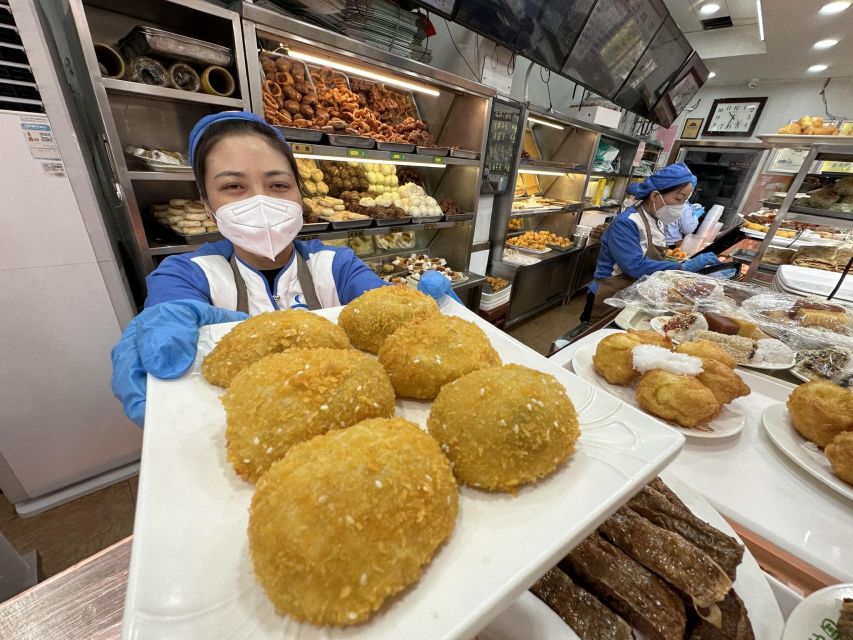
- 20+ food tastings across 7+ stops at markets, bakeries, and small restaurants
- Diet-friendly customization, including swapping or skipping items based on your needs
- Real local stops with a history-and-habits explanation as you eat
- Optional upgrade dinner: Peking duck or a hot pot meal with locals
- Bold taste options you can opt into or pass on (spicy, offal broth, stinky tofu)
Why the Hutong foodie walk beats the big tour plan
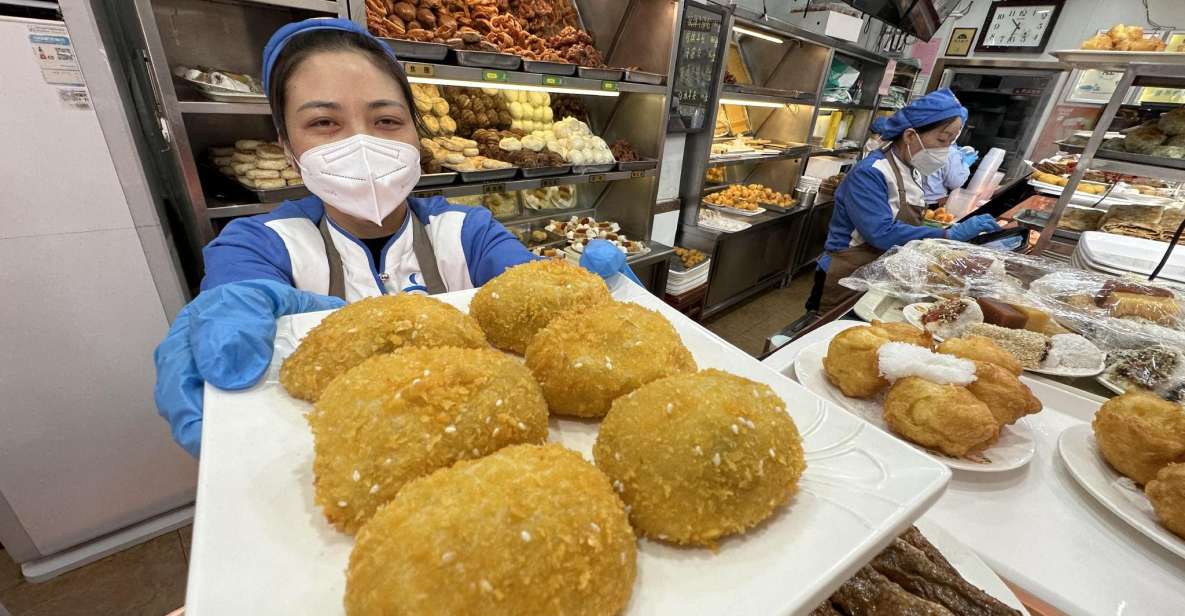
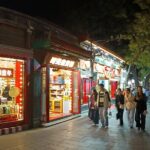
Beijing has plenty of food tours. This one earns its keep because it’s designed around the Hutong—the older lane neighborhoods where daily life still shapes what people cook and buy. You’re not just ticking off famous dishes. You’re learning how the neighborhood’s rhythm creates the food: street snacks, quick savory breakfasts, and small-shop baking that feeds locals all week.
The private format matters. Instead of moving with a crowd, you move with your guide. That makes it easier to ask questions, adjust for allergies or dislikes, and linger when something smells so good you stop thinking like a tourist.
And yes, you’ll eat a lot. The “20+ tastings” promise isn’t just marketing fluff; the tour is structured like a food route through different kinds of places—markets, bakeries, shops, and casual restaurants—so you get variety without feeling like you’re only repeating one style of snack.
You can also read our reviews of more walking tours in Beijing

Getting started: hotel pickup and the route into Hutong streets
You’ll meet your guide in the lobby of your Beijing hotel, with someone holding a sign with your name. From there, you head toward the Hutong area.
You have two practical options:
- Private car/minivan option: included hotel pickup and drop-off, with the ride part handled for you.
- No-transfer option: you travel on your own (subway at your expense is mentioned), while the tour guide handles the main experience once you arrive.
Why this matters: Hutong lanes can be hard to navigate, especially when you’re trying to keep timing and hunger under control. Having a guide get you into the right area helps you spend your limited time eating, not wandering.
What the 4-hour structure feels like in real life
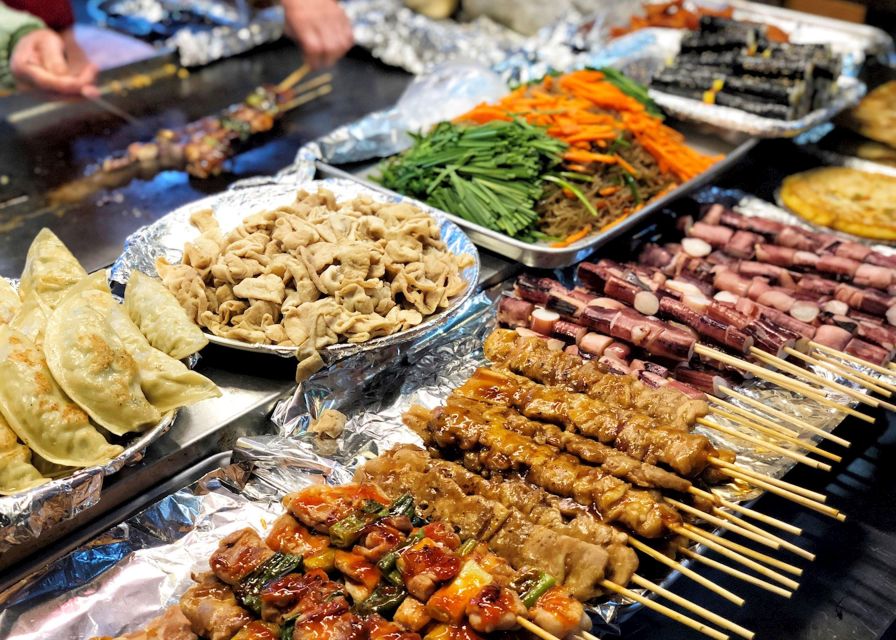
This tour is 4 hours long and private. Expect a steady sequence: walk a bit, stop often, taste often, and get short-but-useful explanations while you’re eating.
You’ll cover more than seven stops and sample 20+ different items. That pace is a perk if you love food, but it means you should plan for:
- short walks between tastings
- a few heavier items mixed into lighter bites
- enough food that you won’t want a big dinner right after (especially if you also upgrade)
Guides are known for adjusting the flow based on what you like. One guide (Jimmy) is specifically noted for asking what you want to eat and ordering accordingly, which is exactly the kind of flexibility that keeps a tour from turning into a fixed script you just tolerate.
The tasting strategy: markets, bakeries, and tiny local counters
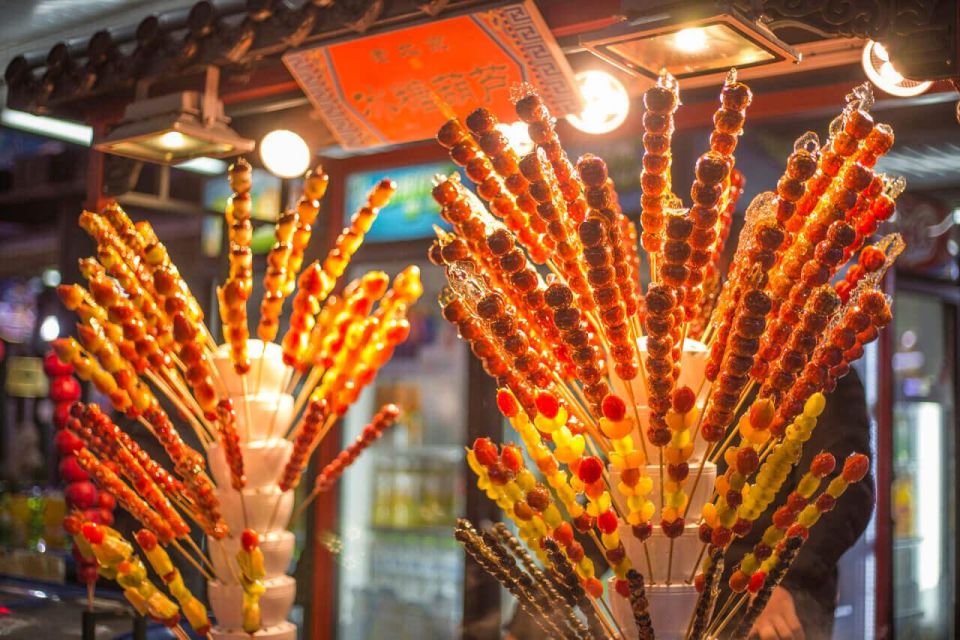
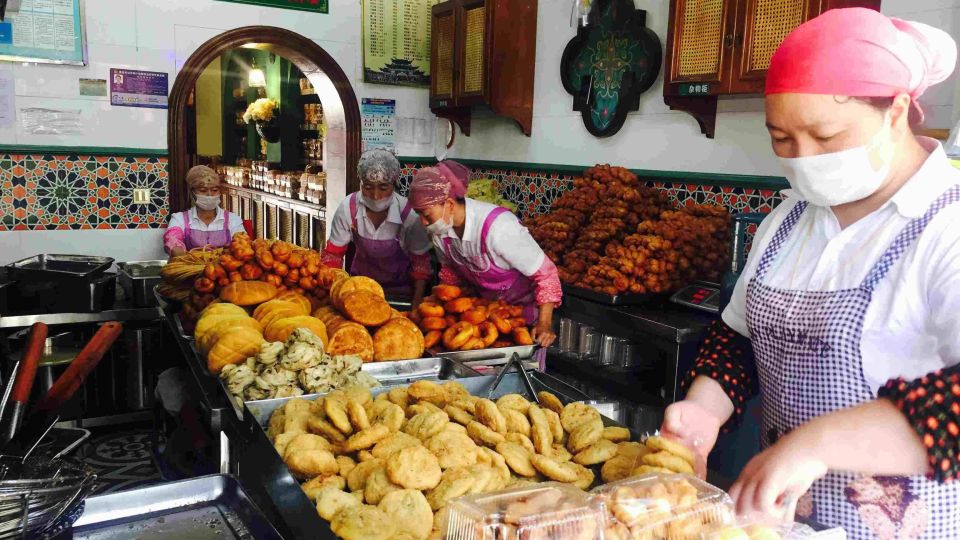
This tour is built around the idea that Chinese food culture isn’t only about big-name dishes. It’s about where the food is made and how it’s sold.
You’ll likely hit a mix of:
- market-style stops where snack foods and ingredients appear in everyday life
- bakeries and street counters with hot, fresh bread or crisp fried items
- small restaurants/shops where you get a sit-down tasting or a more substantial portion
Instead of just handing you plates, the guide explains what you’re seeing and what people usually do with that food. That can turn a bite into a small lesson you’ll remember on your next meal.
The food lineup: what you might taste and why it matters
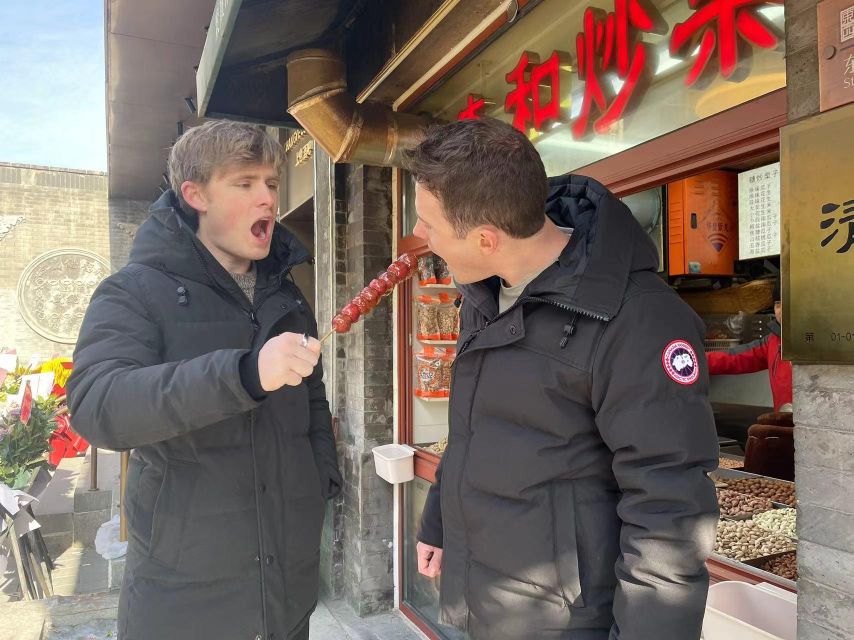
The tour includes a set of tastings with lots of variety. Here are examples of specific items you may encounter, plus what they’re about so you can decide what you’ll love.
You can also read our reviews of more private tours in Beijing
Savory comfort and breakfast-style bites
- Jianbing (thin millet flour pancake): A classic street breakfast. It’s a great “anchor” food because it shows how Beijing street cooking works—thin, fast, and customizable with toppings.
- Shaobing (baked sesame seed cake): Crispy with a sesame finish. Think snack-crunch rather than soup-and-plate.
- Baozi (stemmed dumplings, round in shape): These are satisfying and filling—useful when you need something warm and bread-dumpling comfort.
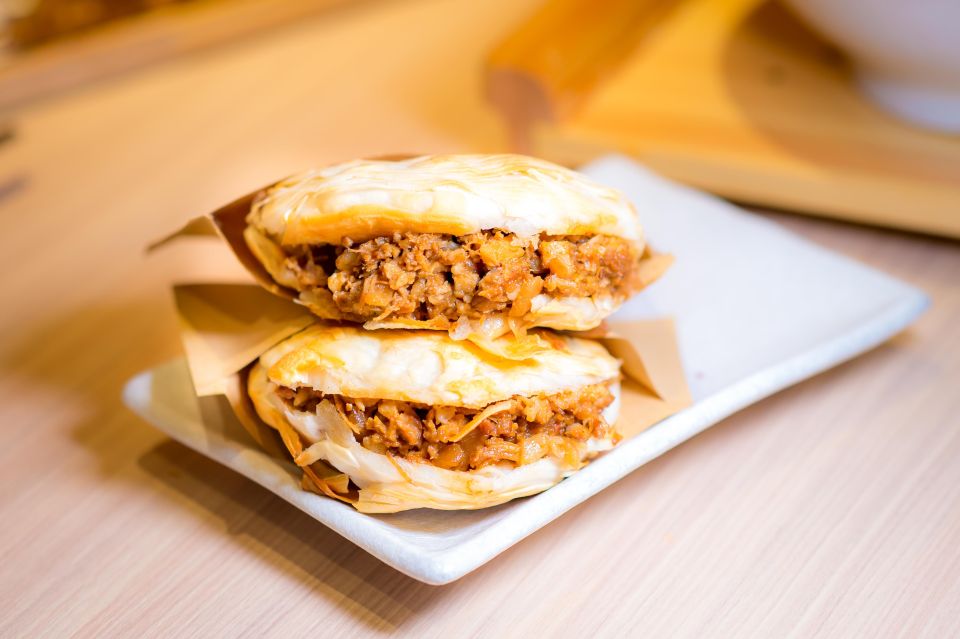
- Roujiamo (beef in the bread): Often called Chinese hamburger vibes, but it’s its own thing—bread plus juicy seasoned filling.
Fermented, crispy, fried, and sweet-savory snacks
- Ma dou fu (dried fermented mung bean juice): Fermented flavor, tang and bite. If you like funk, this is a strong stop.
- Tang Er duo (fried sugar cake): Sweet, crunchy, and quick. It’s the kind of snack that keeps energy up between heavier items.
- Ma Hua (fried flour) and ZHA GUAN CHANG (fried corn flour cakes): Crisp fried snacks that show the street-food “crunch culture.”
- Moon cake fried bread with red beans: A sweet finish vibe—bread, red bean filling, and a fried twist.
Beijing dairy and drinks between bites
- Beijing suan nai (Beijing yogurt): Slightly tangy and cooling. It’s a nice palate reset when you’ve been eating fried and savory items for an hour.
Signature noodle/pie-style and hearty street fillings
- LUZHU HUOSHAO (wheaten cake boiled in meat broth, pig’s intestine and liver broth): This is where you decide how adventurous you want to be. The guide can steer you toward options that match your comfort level.
Meat-on-stick and regional influences
- Muslim kebabs (lamp kebabs, leek, eggplant, eggplant, plus more): Lamb-forward flavors with char and spice. You’ll get a sense of how Muslim cuisine shows up in Beijing street food.
- Spicy hot pot (meat or vegetable on sticks): Hot and savory, built around spice and dipping/stacked flavors. If you love hot food, this is usually a highlight.
- Hunan snacks (steamed and fried cakes made of sticky rice): Hunan influence tends to mean bold seasoning and a chewy-sweet balance.
The “optional intensity” stops
These are listed as options, which is perfect because you can choose what matches your comfort:
- Stinky tofu (optional): If you’re curious, try a small piece. If you’re not, skip without guilt.
- Baijiu (Chinese liqueur): Alcohol is mentioned as not included, and baijiu appears as a tasting possibility. If you don’t drink alcohol, you can usually opt out, but confirm before you start.
A few “packaged” street-food moments
- Beijing snacks set (6–10 different snacks): Great for variety. It’s essentially a sampler that keeps you moving.
- Hunan and other cakes: Often appear as bite-sized portions rather than full meals.
If you’re a picky eater, don’t worry—diet tailoring is part of what makes this tour work. The key is to tell your guide what you avoid up front so they can map substitutions.
Optional upgrades: Peking duck or hot pot dinner with locals
If you want the experience to end like a real Beijing night, you can add an upgrade for a more substantial meal.
You can choose:
- Peking duck tasting/add-on
- Hot pot dinner with the locals
This is valuable because Peking duck and hot pot are not just foods—they’re social meals. They also let you slow down after the walking-tasting pace. Without the upgrade, you still leave full from the 20+ tastings, but with the upgrade you get a stronger “main event” feel.
From the names you’ll see connected to this tour—Mike and Mike’s Peking duck mention is a standout—this option is often the part people remember most.
How to tailor the tour to your diet (and your fear level)
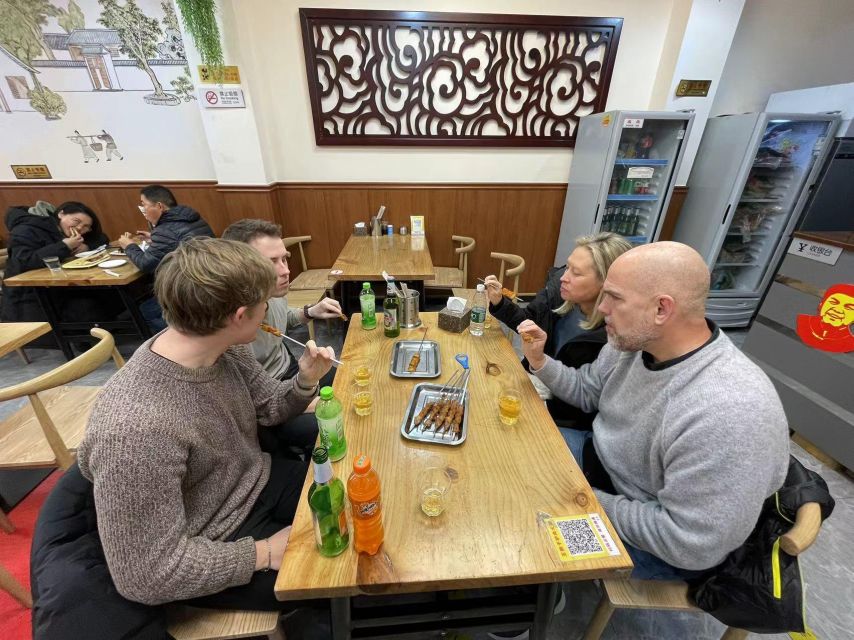
The tour says it can be tailored to dietary requirements. In practice, that’s what you should lean on.
Before you start, tell your guide:
- what you don’t eat (or what you’ll only eat if cooked a certain way)
- whether you avoid pork or offal
- spice level comfort
- allergy concerns
Then use the guide’s flexibility. One guide (Miko) is specifically noted for adjusting the tour to dietary requirements, and Jimmy is noted for ordering food based on what the person actually likes. That means the tour isn’t just “we’ll give you a different snack.” It’s more like a route that can change with you.
Also, don’t treat the list as pressure. Some items are presented as optional (like stinky tofu). If you’re unsure, start with something familiar (dumplings, pancake, bread) and see how your stomach handles the pace.
Price and value: $79 for a private food route
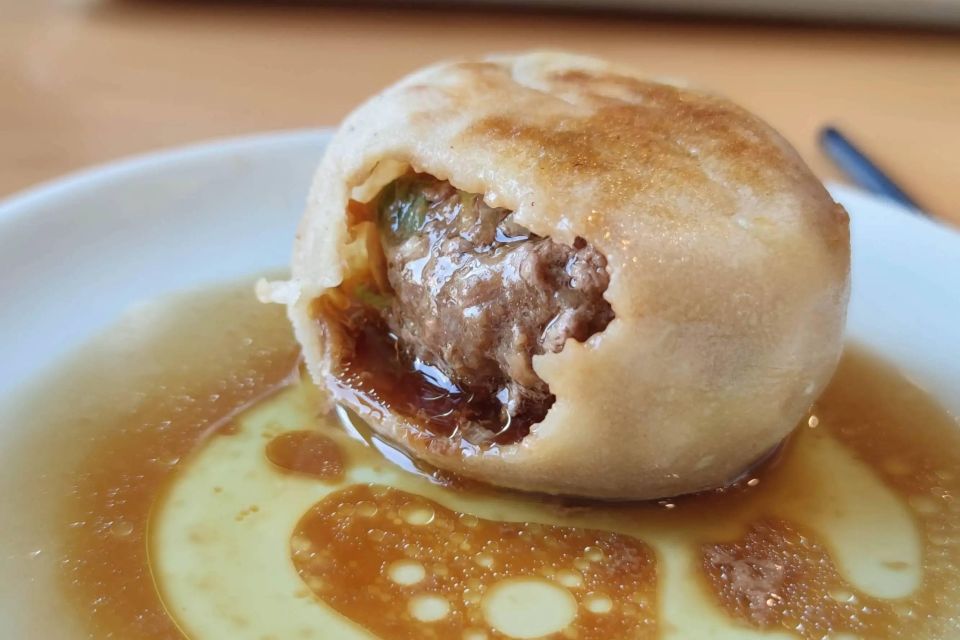
At $79 per person for 4 hours, you’re paying for three big things: private guiding, hotel pickup/drop-off (if you choose that option), and a lot of food included.
Food tours can be overpriced when you’re basically paying for someone to walk you to restaurants and point at dishes. Here, the pricing makes more sense because:
- You’re getting 20+ tastings rather than a couple of photo stops
- The guide provides context about food habits and specialties (so you’re not just eating random items)
- You get the option to upgrade to Peking duck or hot pot if you want more than snack-sized bites
Is it worth it if you’re a “one famous dish and done” type? Maybe not. But if you enjoy street snacks and want to understand why Beijing food works the way it does, this is a strong value.
Who should book this Hutong culinary walking tour?
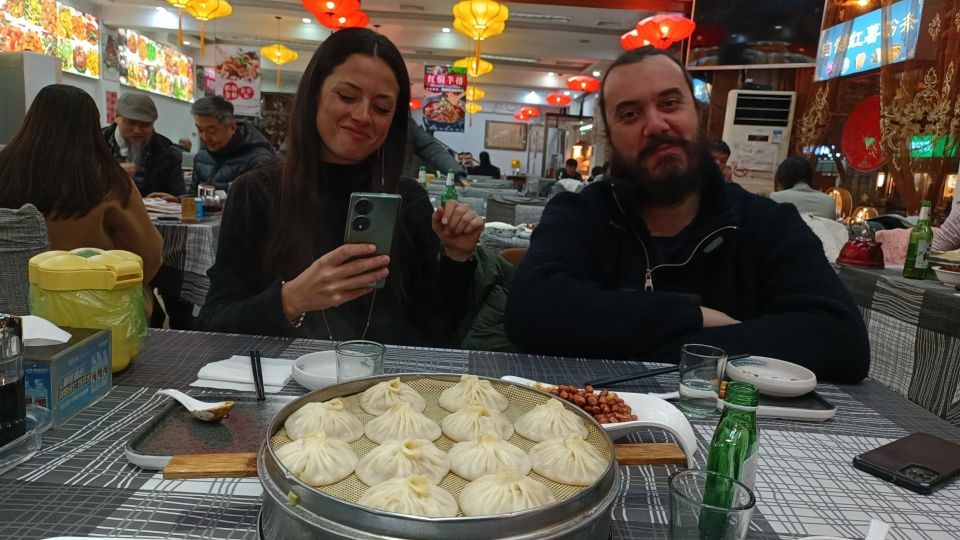
This fits best if you:
- want a private experience instead of a big group
- like street food variety more than one “celebrity dish”
- enjoy learning alongside tasting (what the food is, where it belongs, how people eat it)
- have diet needs and want a guide who can adapt
It might be less ideal if you:
- hate surprises in taste or texture
- prefer quiet, sit-down-only meals with minimal walking
- want alcohol included (alcohol isn’t included)
Final call: should you book it?
I’d book this tour if your ideal Beijing meal is a mix of street snacks, small-shop flavors, and a guide who helps you eat smarter—not just more. The private format, the diet tailoring, and the sheer volume of tastings make it feel like real local food education in a short window.
If you’re cautious about offal, extreme fermented flavors, or very spicy food, you can still make it work—just be clear early. And if you want one big payoff at the end, add the Peking duck or hot pot upgrade so the night feels complete.
FAQ
FAQ
What is the duration of the Beijing Hutong Private Culinary Walking Tour?
The tour lasts 4 hours.
Where does the tour start?
Your guide meets you in the lobby of your Beijing hotel, holding a sign with your name. You then head to the Hutong area.
How do I get to the Hutong area?
If you choose the private car/minivan option, transportation is handled. If you choose the option without transfer, you travel by subway at your own expense (or taxi).
Is this tour private?
Yes. It’s a private group tour.
How many tastings and stops are included?
The tour includes 20+ different food tastings across more than seven stops.
Can the tour be adjusted for dietary requirements?
Yes. The itinerary and food tastings can be tailored to dietary requirements.
Is alcohol included?
No. Alcohol is not included.
Can I upgrade to Peking duck or hot pot?
Yes. You can add an upgrade for Peking duck or hot pot dinner to eat with locals.
What food items might I try?
The included tastings can include items such as jianbing, baozi, roujiamo, kebabs, Beijing yogurt, Shaobing, and other street snacks. Some items listed as options may include stinky tofu.