REVIEW · BEIJING
Beijing Hutong Walking Tour History, Architecture and Local Life
Book on Viator →Operated by 启城|NextCity · Bookable on Viator
Hutong lanes teach Beijing faster. This 3-hour walk stitches siheyuan courtyards and temple-and-church architecture into daily local life, with stops that help you read the city instead of just snapping photos. I especially like how the route mixes old-school Beijing with views near the modern Financial Street area, and how the guide explains details you’d otherwise miss, like doorway layout and what different pagodas/temples are meant to signify.
One thing to keep in mind: this is a good-weather tour. If it’s canceled due to weather, you’ll need to reschedule or get a full refund, so plan your dates with some flexibility.
In This Review
- Key takeaways before you go
- Picking a hutong tour that actually teaches
- Finding the meeting spot: Xisi Subway Station to hutong lanes
- Stop 1: Xishiku Church and the story behind a Chinese touch
- Stop 2: Guangji Temple and ancient finger paintings
- Stop 3: A Siheyuan with an old Beijing image collection
- Stop 4: Zhuanta Lane, one of Beijing’s oldest hutong walks
- Stop 5: Temple of Successive Emperors (Lidai Diwang Miao) if open
- Stop 6: White Stupa Temple exterior views from a cafe balcony
- The contrast that makes the tour worth it
- What you actually get for $49
- Who this tour suits best (and who might want a different option)
- Final thought: should you book it?
- FAQ
- Where does the tour start and end?
- How long is the walking tour?
- What is the price, and what does it include?
- Is admission included for the sites?
- How many people are in the group?
- Do I need private transportation?
- Is the ticket delivered digitally?
- What about weather?
- Can I bring a service animal?
- What is the cancellation policy?
Key takeaways before you go
- Start at Xisi Subway Station so you can plug into local transit right away
- Temples, a church, and a Yuan dynasty pagoda packed into about 3 hours
- Zhuanta Lane for a close-up look at everyday hutong life
- A cafe balcony view used to show the White Stupa exterior design
- Small groups (max 10) for questions and slower pacing
- Includes bottled water plus a traditional Beijing drink to keep you moving
Picking a hutong tour that actually teaches
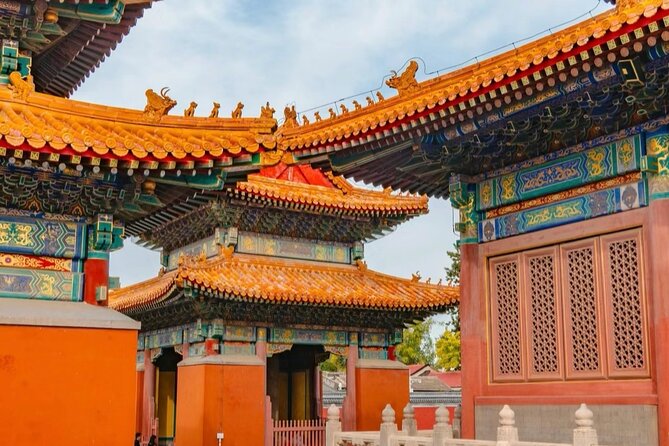
Beijing hutongs can feel like a maze at first. The value of this tour is that it gives you a simple mental map for what you’re seeing: residential siheyuan compounds, temple buildings with distinct roles, and the symbols embedded in layout and architecture.
You’ll also get contrast without needing a long transit plan. The route starts around the Xisi Subway Station area and finishes by Financial Street / Fuchengmen station, so you leave the old lanes and step back toward modern city scale. That contrast matters. It helps you understand Beijing as a living place, not a museum with a gift shop.
The group stays small (max 10), and that makes a difference. You can ask questions and get travel tips that go beyond yes/no answers—something you’ll likely appreciate if it’s your first time in China or if you want your next days to run smoother.
You can also read our reviews of more walking tours in Beijing


Finding the meeting spot: Xisi Subway Station to hutong lanes
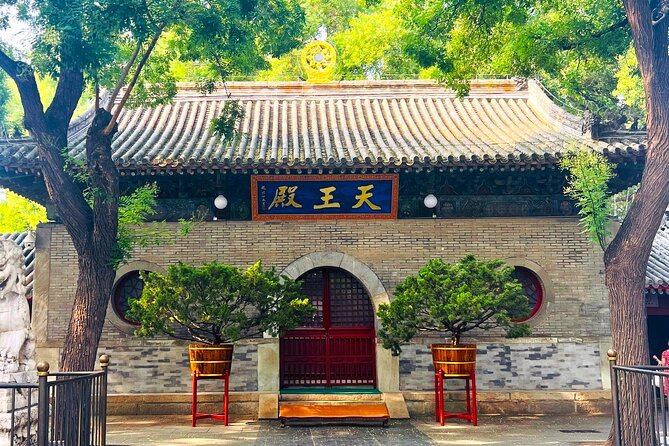
The tour meets near Xisi / Xishiku area in Xicheng District, and the end point is by Fuchengmen station (Line 2), Exit C in the Financial Street area. Practically, this is useful: you can arrive by public transit and you won’t be dependent on private transportation (which isn’t included).
Bring a charged phone for the mobile ticket. Also, give yourself a few extra minutes to line up with the group, since hutong entrances and side streets can look similar from a distance. The tour is short—about 3 hours—so time slips away fast if you’re still figuring out where to stand.
Stop 1: Xishiku Church and the story behind a Chinese touch
You begin at Xishiku Church, described as Beijing’s earliest church with a unique Chinese touch. The guide’s job here is less about the building as an object and more about the story behind it—how foreign religious architecture took root and adapted within local style.
Why this stop works: it’s a quick “context setter.” Before you wander deep into hutongs, you get a reminder that Beijing history isn’t only ancient empires. It includes how different ideas traveled and landed in real neighborhoods.
Time is tight here (about 10 minutes), so treat it like an orientation moment. If you’re the type who likes to linger, you’ll need to keep your focus for the rest of the walk.
Stop 2: Guangji Temple and ancient finger paintings
Next is Beijing Guangji Temple, with a chance to see traditional Chinese temple architecture plus ancient finger paintings. That “finger painting” detail is exactly the kind of specific element that makes a tour like this worth it. It turns a general “temple visit” into something you can picture later.
You’ll spend about 20 minutes. That’s enough time to register the feel of the site and understand why temple design matters—often it’s not random decoration. It’s meant to guide how you move, what you notice, and what the space is for.
A small consideration: temples can feel quiet, and it’s easy to rush your photos. I recommend you spend your energy on the parts the guide points out, not just the widest angles.
Stop 3: A Siheyuan with an old Beijing image collection
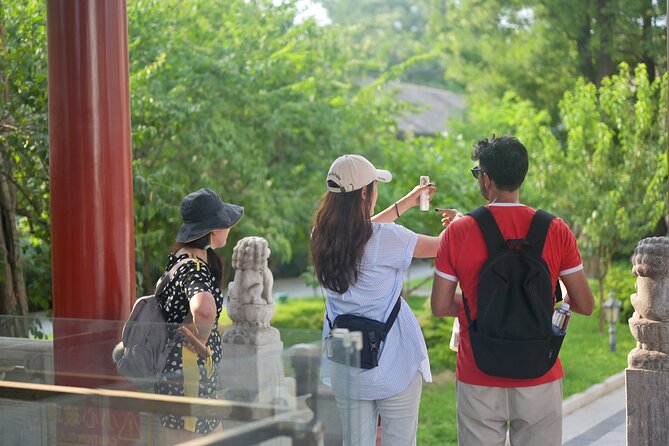
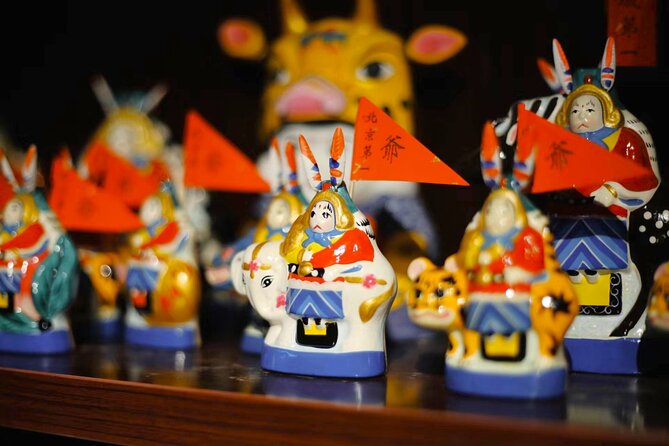
At Zhengyang Shuju, you’ll get two interesting elements for one stop: the Wansong Brick Pagoda from the Yuan Dynasty and a collection of old Beijing images inside a siheyuan.
This pairing is smart. The pagoda gives you a clear historical anchor (the Yuan Dynasty), while the images help you see the neighborhood through earlier eyes. When you’re walking hutongs in real time, it’s easy to forget that the streets weren’t always lined with the same shops, signboards, and modern faces.
This stop runs about 20 minutes. If you’re photo-minded, keep in mind that you’ll likely be moving in and out of viewpoints, not staying in one exact spot for long. Listen first, then shoot.
Also, this is where the guide’s explanations can really pay off. In past groups, guides were praised for pointing out how hutongs and their doors relate to how people lived—an attention to everyday details, not just big monuments.
You can also read our reviews of more historical tours in Beijing



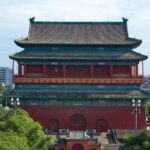
Stop 4: Zhuanta Lane, one of Beijing’s oldest hutong walks
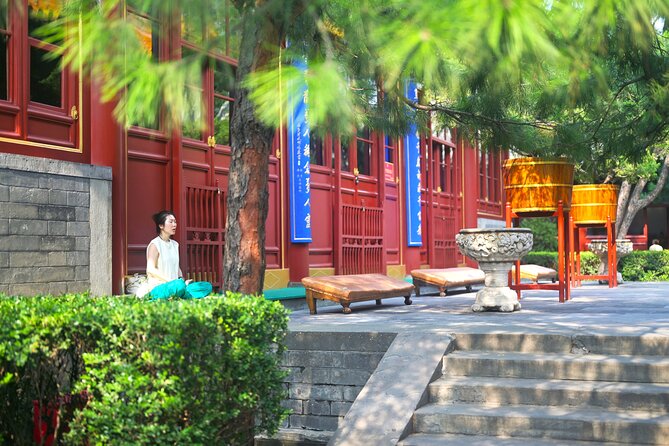
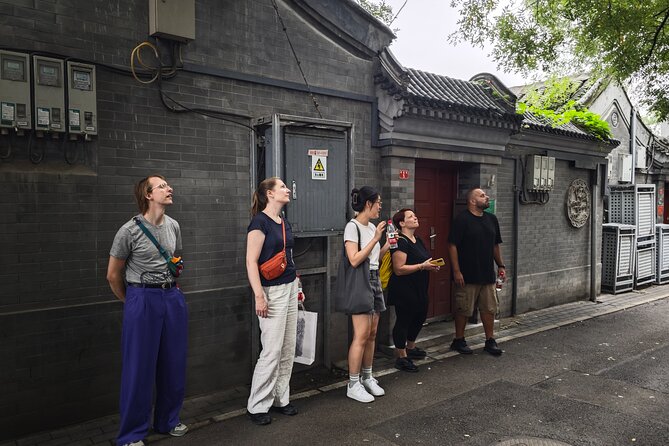
Then you walk through Zhuanta Lane, described as one of the oldest hutongs and focused on everyday life. This is the “feel it in your legs” stop: narrow lanes, local rhythms, and the reality that these are homes and neighborhood spaces, not a theme park.
It lasts around 15 minutes, so you won’t get a long free-roam drift. That’s a good thing for most first-timers. You learn what to notice quickly: the spacing, how buildings sit along the lane, and how daily life fits into the old layout.
A possible drawback: if you hate walking at a steady pace, you may wish you had more time to slow down and wander independently. But the trade-off is you’ll hit multiple architecture types within one outing.
Stop 5: Temple of Successive Emperors (Lidai Diwang Miao) if open
Stop five is Lidai Diwang Miao, also called the Temple of Previous Dynasties / Temple of Successive Emperors, and it’s only visited if it’s open. When accessible, it’s described as having grand palatial structures and focusing on how Chinese tradition honors ancestors.
This is about 20 minutes and it includes admission. So you’re not paying extra for this one, and you get a structured sense of what you’re seeing.
Why you should care: ancestor worship and imperial memorial architecture are different from typical “tourist temples.” You’re watching how power and respect were built into spaces and routines, not just how a building looks from outside.
Because it depends on whether it’s open, don’t expect a guaranteed “inside everything” experience every single day. If it’s closed, the tour still stays focused, but the schedule may feel a bit different than the ideal version.
Stop 6: White Stupa Temple exterior views from a cafe balcony
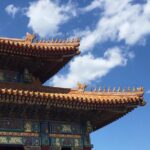
The final architectural flourish is the White Stupa Temple, also called Miaoying / Baita Si. The tour has a clever approach here: from a nearby cafe balcony, the guide shows you the exterior design and explains different types of Chinese pagodas.
This is one of the most practical ways to learn. Up close, pagoda details can be overwhelming. A balcony viewpoint lets you see the whole structure and then zoom your understanding inward. You come away not only with a photo, but with a mental checklist for what you’re looking at next time.
Time is about 15 minutes and admission is free for this stop. You get a compact lesson on form and symbolism, and then you move toward the finish near Financial Street.
The contrast that makes the tour worth it
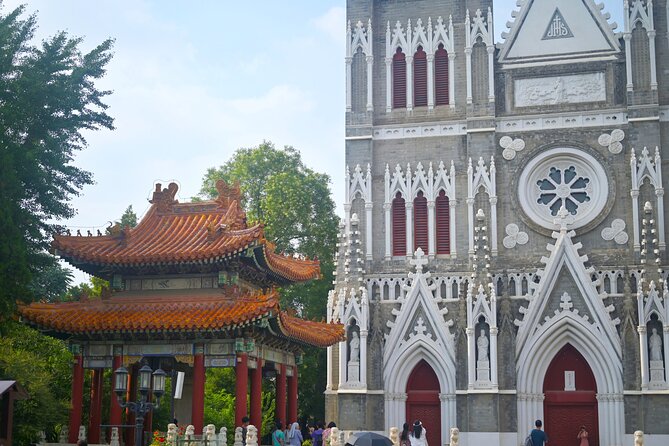
A lot of Beijing walks focus only on the past. This one uses the finish near Financial Street to do something useful: it shows you Beijing as a place where the old continues next to the new.
When you’re done, you’ll have an easier time reading the city. You’ll know why a courtyard house layout matters, what a pagoda’s role can be, and why an ancestor-focused temple is laid out the way it is. That means your future sightseeing won’t feel like random stops.
What you actually get for $49
At $49 per person for about 3 hours, this isn’t a bargain “just walk around” outing. You’re paying for guided interpretation across multiple sites, including free admission at most stops and temple admission included at the Lidai Diwang Miao stop (when open).
You also get a few small but helpful extras:
- Bottled water
- A complimentary traditional Beijing drink
- A small group cap (max 10)
- Restaurant and travel tips from the guide (these can be especially useful around lunch time)
Compared with doing temples and hutong wandering on your own, the biggest value is time saved. You avoid spending your first days hunting for what’s worth your attention. If you only have a short window in Beijing, this kind of organized route can help you start off on the right foot.
One practical note: private transportation isn’t included. That’s normal for a walking tour, but it matters if you’re planning from somewhere far from the Line 2 area.
Who this tour suits best (and who might want a different option)
This fits you if:
- You want structure in your hutong experience (not a long solo wander)
- You like history explained through architecture and daily-life details
- You want a small group outing where questions are welcome
- You’re interested in a mix of sites, including church + temples + pagoda + hutong lane
You might consider a different format if:
- You’re looking for a long, slow hutong drift with lots of independent time
- Weather changes your schedule often (this one depends on good weather)
- You dislike moving quickly between multiple stops in a single morning/afternoon
Final thought: should you book it?
I’d book this if you want your hutong day to teach you how Beijing works. The stops are varied—church, temple architecture with finger paintings, a Yuan dynasty brick pagoda, an old hutong lane, and the White Stupa exterior viewpoint—so you get more than one “type” of Beijing in a single outing.
Do it with flexibility for weather, wear comfortable shoes, and arrive near the Line 2 Xisi / Fuchengmen area with enough buffer time to join the group. If you’re the type who likes to ask questions, the small group size gives you the best chance of getting real answers.
FAQ
Where does the tour start and end?
It starts in Beijing’s Xicheng District near the Xisi Subway Station area (meeting point details are given for the Xisi side). It ends near Fuchengmen station (Line 2), at Exit C (southeast exit area).
How long is the walking tour?
The tour is about 3 hours (approx.), including travel time between stops.
What is the price, and what does it include?
The price is $49.00 per person. Included are all fees and taxes, bottled water, and a complimentary traditional Beijing drink.
Is admission included for the sites?
Admission is listed as free for several stops. Admission for Lidai Diwang Miao (Temple of Previous Dynasties / Temple of Successive Emperors) is included (when open). The White Stupa Temple stop is listed as free admission.
How many people are in the group?
The tour has a maximum of 10 travelers.
Do I need private transportation?
No. Private transportation is not included, and the tour is set up around being near public transportation.
Is the ticket delivered digitally?
Yes. You get a mobile ticket.
What about weather?
This tour requires good weather. If it’s canceled due to poor weather, you’ll be offered a different date or a full refund.
Can I bring a service animal?
Yes. Service animals are allowed.
What is the cancellation policy?
Cancellation is free. You can cancel up to 24 hours in advance for a full refund. If you cancel less than 24 hours before the start time, the amount paid won’t be refunded.