REVIEW · BEIJING
Self-guided challenging hiking from Jinshanling to Gubeikou
Book on GetYourGuide →Operated by Great Wall Hiking Adventure · Bookable on GetYourGuide
That first climb onto the Great Wall is pure energy. This is a self-guided, challenging hike with a driver who handles the logistics while you focus on the steps, watchtowers, and big sky views.
I love the mix of partially restored Jinshanling and the more wild, less crowded Gubeikou stretch, where the Wall feels like it belongs to the mountains again. I also really like the way the day is structured around changing scenery at each watchtower, plus the built-in “easy-ish” section later that lets you finish strong.
One heads-up: the hike is physically demanding, and the provided map/instructions are a drawing-style guide. If you’re the type who gets lost easily on trails, you’ll want to take the navigation notes seriously before you start.
In This Review
- Key highlights you’ll actually care about
- From Beijing pickup to the East-Five-Eye watchtower climb
- Jinshanling section: brick steps, photo angles, and constant ups/downs
- Off the Wall to a cottage break near Jinshanling West Gate
- The jungle connector back to the Wall at 24-Eye Watchtower
- Gubeikou Dragon Hill: the easier finish that still feels like the wild Wall
- Driver support, translation, and the “self-guided” reality
- Price and what you’re really getting for your $235
- Tickets, entrance fees, and what to budget beyond the tour price
- What to bring for a challenging Wall day
- Timing, pace, and how long the hike can take
- Who this Great Wall hike is best for (and who should skip it)
- Should you book the Jinshanling to Gubeikou self-guided hike?
- FAQ
- What time is the pickup from my Beijing hotel?
- How long is the hiking day?
- Is this hike guided by someone on the Wall?
- What entrance fees do I need to pay separately?
- What’s included in the price?
- Do I need to bring my own food?
- Is there any flexibility if it’s too hot in summer?
Key highlights you’ll actually care about
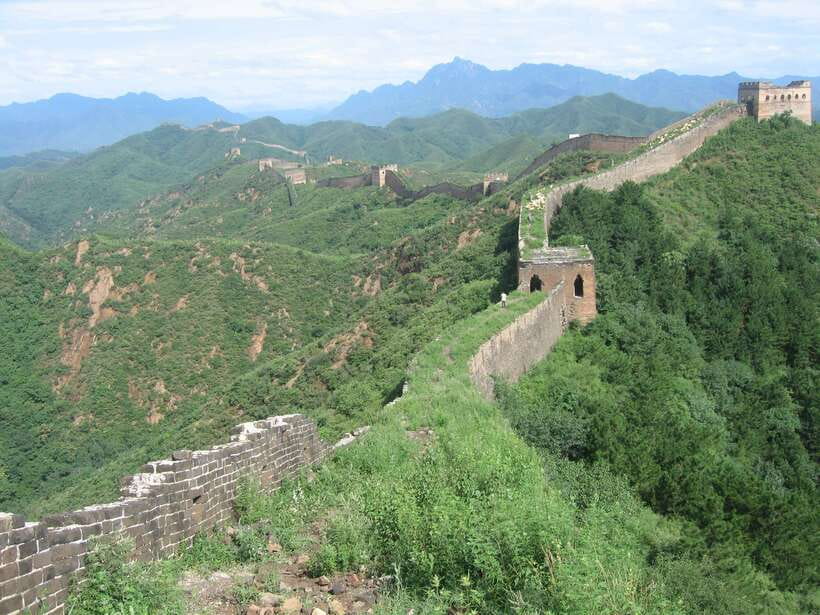
- Jinshanling’s intact towers and beacon towers along brick steps, with scenery changing at nearly every stop
- Coiling Dragon Hill at Gubeikou, including a wilder feel and strong photo angles
- Panoramic views: on a clear day you can look toward Simatai, and you might even catch Tiger Hill in the distance
- Driver waiting at the end, so you don’t waste time hunting transport back to Beijing
- Unlimited bottled water plus detailed hiking instructions you’ll get after booking
- Flexible stopping point after about 4 hours in hot, humid summer conditions
From Beijing pickup to the East-Five-Eye watchtower climb
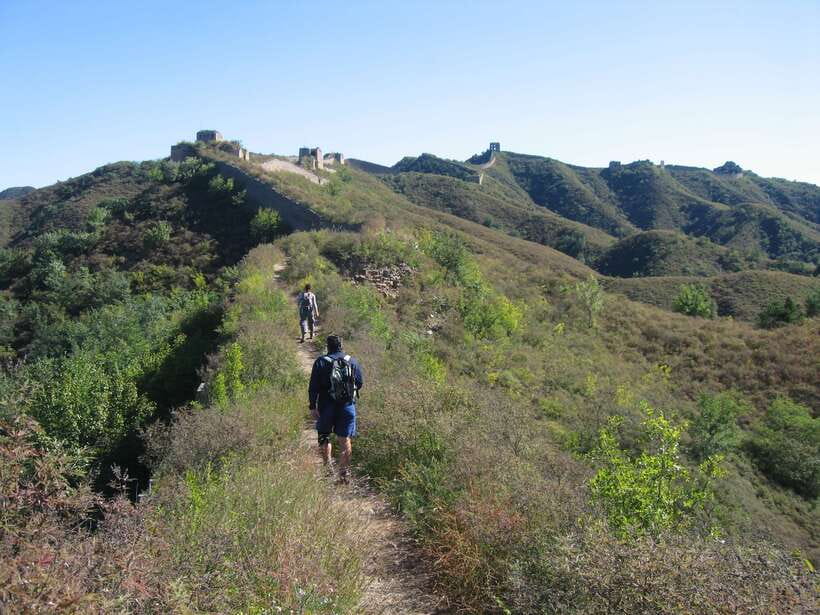
Your day starts early: the driver picks you up from your Beijing hotel at 7:00am and drives roughly 2.5 hours to Jinshanling East. This isn’t a quick hop; it’s a real transfer day, which is part of why the hike feels like a full Great Wall experience instead of a half-hour taste test.
Once you arrive, there’s about 40 minutes of walking uphill before you even reach the Wall proper, leading you toward the East-Five-Eye watchtower. You’ll likely feel that first steep effort in your legs and lungs. The good news is that it’s paced as approach time, not a sudden wall of stairs with no warm-up.
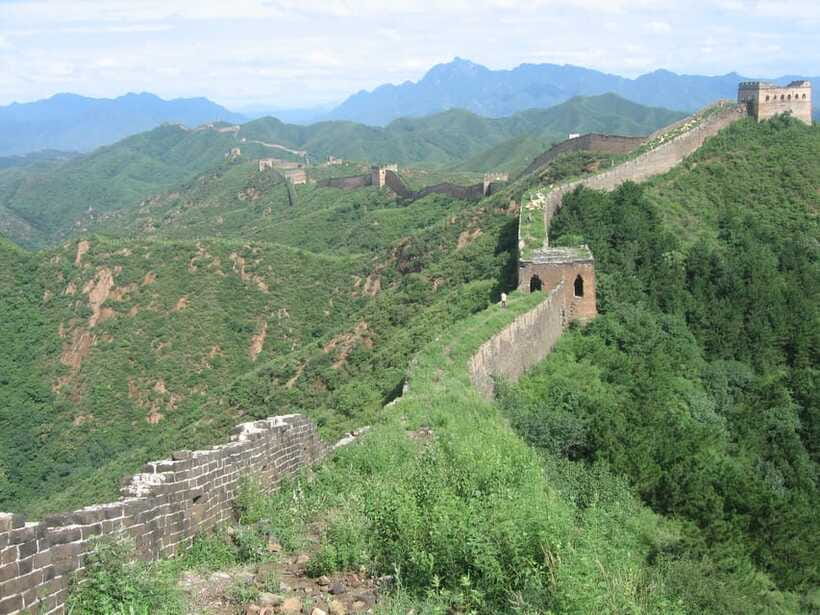
And then the pay-off: once you’re up and standing near that first watchtower, the view can be breathtaking—Jinshanling, Simatai, and Gubeikou can show themselves on a clear day. This is the moment when the Great Wall shifts from “famous landmark” to “real structure threading through terrain.”
Love this part: you start with a gradual uphill build, then you’re rewarded immediately with wide panoramas instead of only tight angles.
One consideration: because it’s self-guided, you don’t have someone physically walking ahead to keep you oriented. That means you should be ready to follow the provided instructions carefully from the start.
You can also read our reviews of more guided tours in Beijing


Jinshanling section: brick steps, photo angles, and constant ups/downs
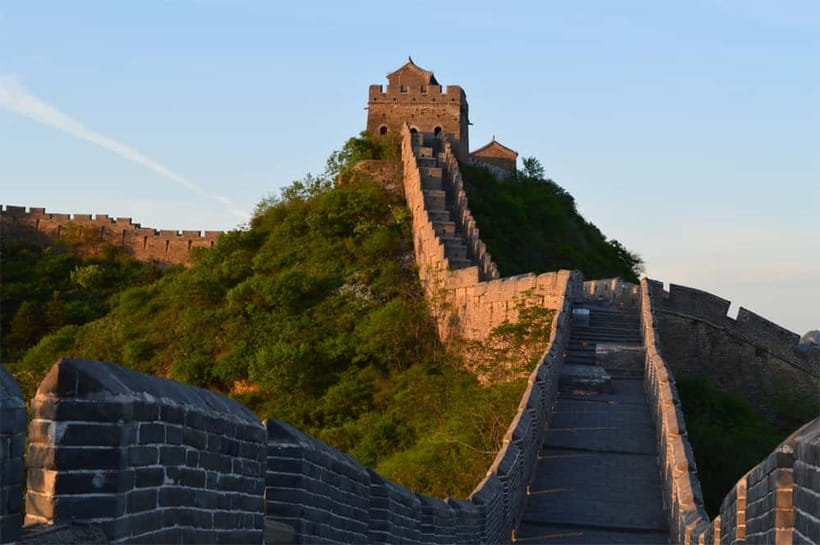
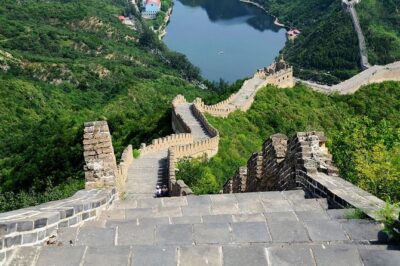
At Jinshanling, you’ll walk mainly on brick steps—and some steps are big. It’s not just cardio. The terrain keeps changing: the Wall rises, drops, and bends around features, so you’re constantly adjusting pace and footing.
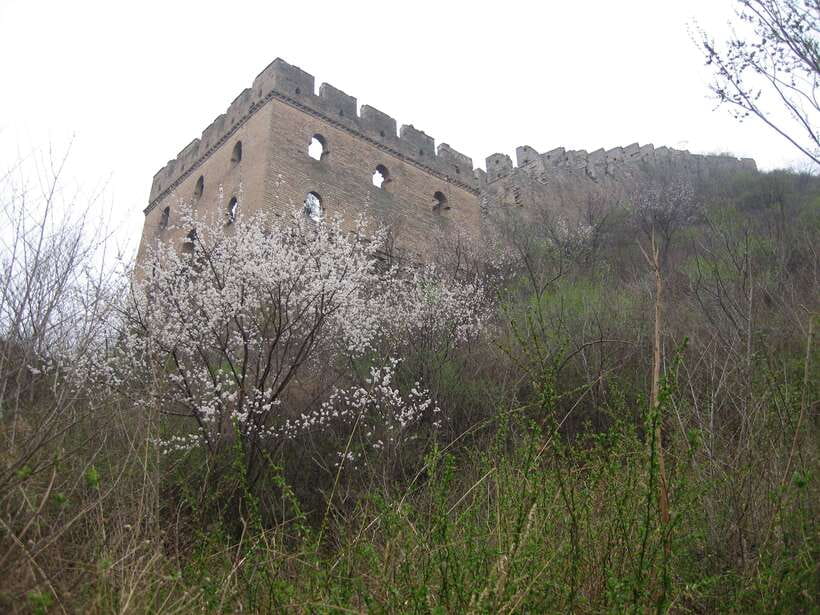
This section is also known for its intact watchtowers and beacon towers, which is why it’s a favorite for serious photographers. Even if you’re not chasing perfect shots, the towers give you natural breaks. Every time you reach one, you can pause, reset your breathing, and look back at what you already climbed.
You’ll typically move westward along the Wall, with stops and landmarks that include passing through areas like Shalingkou and Zhuanduokou. Then you’ll exit the Wall at Taochunkou, shifting from “on-the-Wall” hiking to a trail segment through the hills.
Love this part: the Wall isn’t one long straight grind. It’s a chain of short challenges tied to views, towers, and shifting angles—so you don’t feel stuck doing the same thing for hours.
What to watch for: the steps can be tough in any weather, and if rain hits, the Wall surfaces can get slippery. In wet conditions, the goal becomes stable footing, not speed.
Off the Wall to a cottage break near Jinshanling West Gate
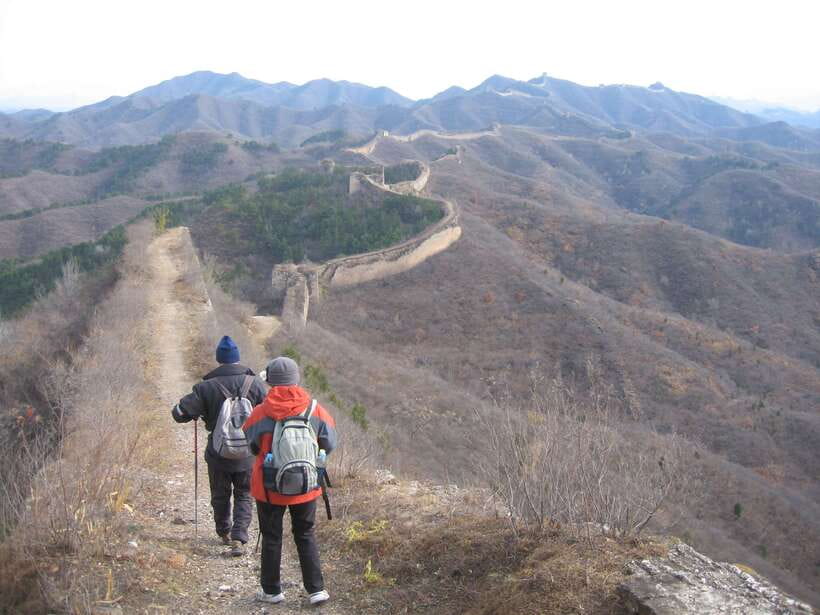
After you step off at Taochunkou, you’ll walk a hilly trail for about 1 hour, with a break at a cottage near Jinshanling West Gate. This is a smart stage of the route. Your body gets time to reset from constant step-climbing, and you get a realistic check-in point: how do your legs feel, how’s your energy, how’s the weather?
This is also where you’ll want to use your supplies well. Lunch isn’t included, so plan to eat with what you brought—snacks or a picnic-style lunch. You’ll also have water, since the tour includes unlimited bottled water, which matters because the day can run longer than you expect if you pause for photos.
In hot, humid summer (July/August), there’s a chance you can stop the hike after about 4 hours at Jinshanling West. That’s not a small detail. It can be the difference between enjoying the Wall and just trying to survive the heat.
Love this part: the route builds in a break when you most need it, not at some arbitrary time.
One consideration: if you’re trying to “power through” for maximum distance, this is exactly where you’ll start paying for it later.
The jungle connector back to the Wall at 24-Eye Watchtower
From the cottage, you’ll continue walking through jungles for about half an hour. Then you’ll come back to the Wall at the 24-Eye Watchtower at Gubeikou.
This connector section is one of the reasons the day feels like an adventure instead of a straight-line sightseeing loop. You shift from high-exposure Wall walking into darker, cooler-feeling trail, then pop back onto the Wall again like you’re rejoining the main route of a story.
If you prefer your hiking with variety—steep-to-gentle and exposed-to-shaded—this segment will hit the right notes. If you were expecting continuous Wall-only walking, it helps to know this day includes at least some off-wall trail.
Love this part: you get a mental reset, and you arrive back on the Wall feeling like you’ve earned the next viewpoint.
Navigation note: because there isn’t a live guide on the Wall, this is where your map instructions matter most. Follow the marked points and direction notes closely.
Gubeikou Dragon Hill: the easier finish that still feels like the wild Wall
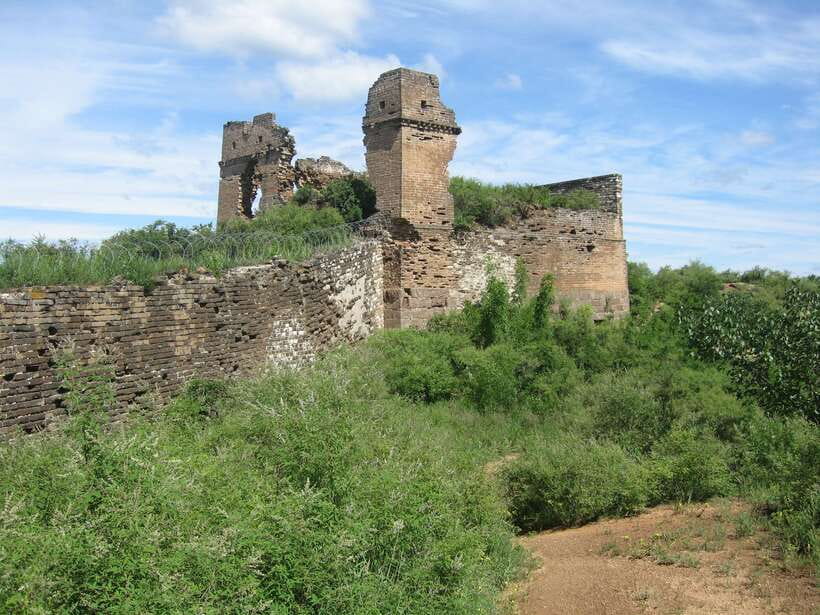
After returning to the Wall, the rest of the walk—about 1.5 hours—is on Dragon Hill. It’s described as relatively flat and easier than the earlier Wall climbing, which makes it a great finish zone for leg recovery and photo time.
This is the part where Gubeikou shines. It’s wild in the sense that the Wall feels less like a theme-park path and more like a natural route cut into mountains. You’ll also get another crack at broad views, and on weather-permitting days you might see Tiger Hill in the distance.
The highlight here is Coiling Dragon Hill at Gubeikou, the kind of stretch that makes the whole day feel worth waking up for. This is also where you get that “wow” feeling in a different way: not the first shock of height and towers, but the satisfaction of finishing with a stretch that still looks dramatic.
When you finish, the driver is waiting for you at the end of Gubeikou, so you don’t have to worry about transport timing. Then it’s about 2.5 hours back to Beijing.
Love this part: the final segment is a confidence-builder. It lets you enjoy the Wall without the same level of constant pounding.


Driver support, translation, and the “self-guided” reality
This tour includes an air-con vehicle and an experienced driver with limited English. The hike itself is self-guided. That means you’re navigating using the detailed hiking map and instructions you receive after booking, plus the route you’re given from start to finish.
Communication support is built in via WeChat. In practice, translation app use can help if you need to clarify something on the day. One past participant noted translation support handled carefully by someone named Liang, and another mentioned emailing a person named Jenny when they didn’t have WeChat. That’s a good sign for responsiveness, but don’t count on it as a substitute for using your route instructions before you go.
Also, skip-the-line matters here. Entrance fees aren’t included (more on that below), but the tour does help you avoid ticket-line delays when possible.
The biggest value you’re paying for: not a guide leading you minute by minute, but the logistics that get you to the right trailheads, plus the map and real-time support so you can hike at your own pace.
Price and what you’re really getting for your $235
The price is $235 per group up to 1, which makes this a more boutique option than the mass-market bus-and-schedule tours. So is it worth it?
For me, it’s “good value” if you match the style: you want a serious hike, you don’t want to wait around, and you want time on the Wall without a group pace. Since it’s private and there’s pickup and drop-off, you’re paying to remove friction—especially on a day that starts early and ends with a long drive back.
What you should compare: the route includes transportation, unlimited water, a map/instructions package, and WeChat support, plus ticket-line skipping. Entrance fees are separate, and meals aren’t included, so if you plan to eat out anyway, you’ll pay those costs no matter what.
If you’re looking for a guided history lecture, this isn’t that style. If you want challenge, views, and independence, this price starts to make sense quickly.
Tickets, entrance fees, and what to budget beyond the tour price
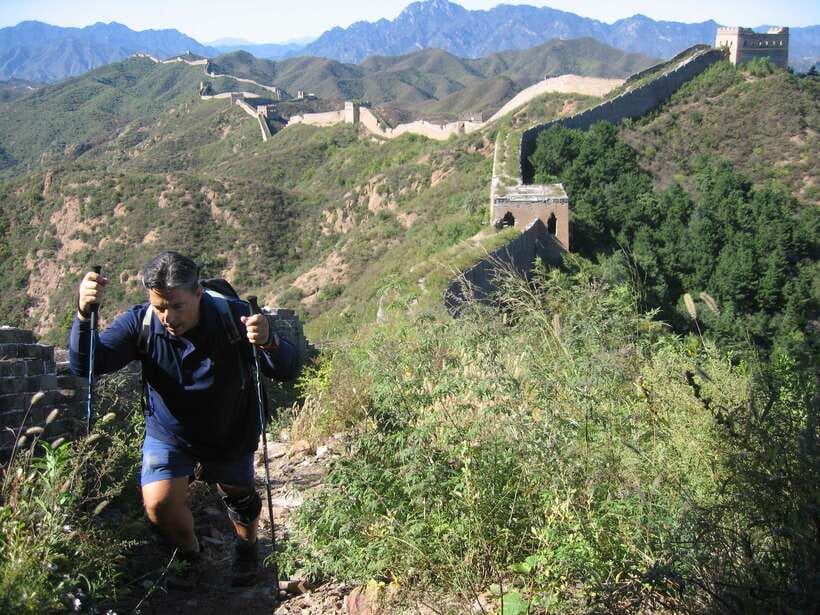
Entrance fees are not included, so you should plan for:
- Jinshanling: CNY 65
- Gubeikou: CNY 33
You’ll also want to budget for food. Meals are not included, and lunch is on you. The route length and the number of pauses for photos can make eating on schedule hard, so packing snacks is the smarter play.
Also note: there are no cable cars or chairlifts included in this plan. You should assume it’s real walking the whole way—meaning you bring comfortable shoes and treat footwear as part of the success formula.
What to bring for a challenging Wall day
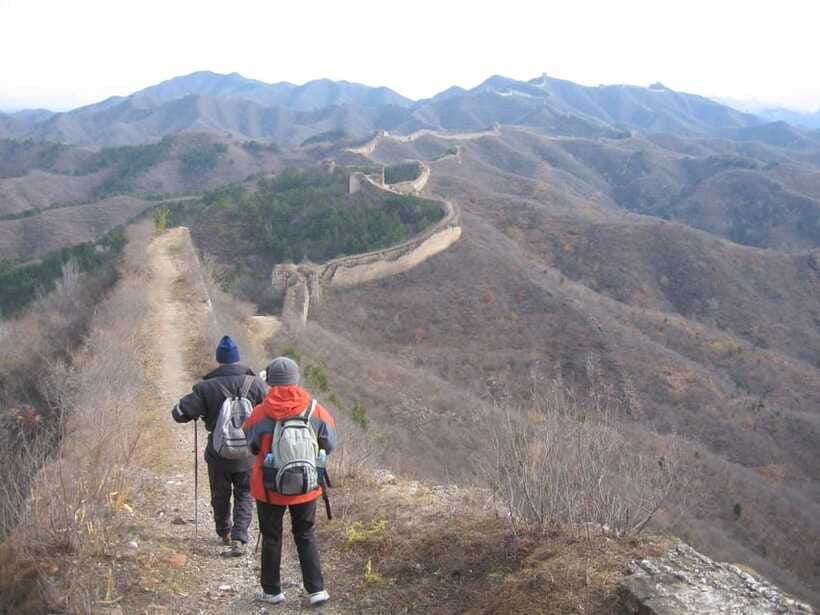
This is the “don’t wing it” checklist. Based on the tour guidance, bring:
- Passport or ID card
- Comfortable shoes (proper grip matters)
- Sunglasses
- Sun hat
I’d add one practical habit: bring a small layer for the Wall tops. Even when it’s warm at ground level, higher exposure can change how you feel.
Since lunch isn’t included, plan snacks or a picnic lunch. And because the day can include more walking than you expect if you stop often for photos, pack more than you think you’ll need.
Timing, pace, and how long the hike can take
The structure is built around a full day: pickup at 7:00am, the drive to Jinshanling, the initial approach to East-Five-Eye watchtower, Wall hiking, off-wall connector trail, jungle segment, re-entry at 24-Eye Watchtower, then the Dragon Hill finish and the return to Beijing.
In real-world pacing, many people report around 5 hours to reach the halfway point at Jinshanling West, with flexibility to continue or stop. Another report puts the full hike in the 6–7 hour range when you take breaks and enjoy the views.
There’s also a caution for summer: if it’s hot and humid, you may stop after roughly 4 hours at Jinshanling West.
My practical advice: plan your day with a slow-to-medium pace. If you rush, you’ll miss what you came for: the towers, the shifting vistas, and the photo angles.
Who this Great Wall hike is best for (and who should skip it)
This experience is designed for people who want a challenging hike and can handle navigation on their own with the provided map.
It’s not suitable for:
- Pregnant women
- Wheelchair users
It’s a great fit if you:
- enjoy steep steps and uneven terrain
- want independence rather than a group guide schedule
- value “less crowded” feeling on the Wall stretches
- bring snacks, hydrate, and take breaks like a pro
If you’re dealing with mobility limitations, it’s not the right day. And if you struggle with following route instructions without constant clarification, you’ll want to be extra careful with the map and direction notes.
Should you book the Jinshanling to Gubeikou self-guided hike?
I’d book it if you want a serious Great Wall walk with a real sense of being out there—first in the more restored Jinshanling section, then into the wild-feeling Gubeikou terrain at Coiling Dragon Hill. The value is strongest when you like pacing yourself and using breaks to enjoy towers and viewpoints, not when you want someone guiding every step.
I wouldn’t book it if you need a guided hike with lots of spoken explanations, or if navigation stress will ruin your day. The experience depends on your ability to follow the route instructions.
If you can handle stairs, pack snacks, and take the self-guided navigation part seriously, this is a memorable way to experience the Great Wall beyond the postcard stops.
FAQ
What time is the pickup from my Beijing hotel?
Pickup is at 7:00am, and the drive to Jinshanling East takes about 2.5 hours.
How long is the hiking day?
The tour runs for 1 day, with on-foot time that can be around 5–7 hours depending on pace and breaks.
Is this hike guided by someone on the Wall?
No. It’s a self-guided hike, with map and hiking instructions provided and WeChat support available.
What entrance fees do I need to pay separately?
Entrance fees are not included. Budget for CNY 65 for Jinshanling and CNY 33 for Gubeikou.
What’s included in the price?
Included items are air-con vehicle with an experienced driver, detailed hiking map and instructions, unlimited bottled water, and WeChat support.
Do I need to bring my own food?
Yes. Meals are not included, and lunch isn’t provided, so bring snacks or a picnic lunch.
Is there any flexibility if it’s too hot in summer?
There’s a chance you can stop the hiking after 4 hours at Jinshanling West if it’s too hot and humid in July/August.