REVIEW · BEIJING
Noon Calligraphy Class
Book on Viator →Operated by Hutong Calligraphy Class · Bookable on Viator
Brush strokes beat any souvenir. This Beijing experience is a hands-on Chinese calligraphy class led by teacher Richard, with time to practice ink strokes and finish a piece at a downtown studio near Wangfujing.
I love that the class is taught with practical instruction you can ask questions about, and that the teacher ties what you’re writing to Chinese cultural meaning. The vibe stays light at first, then turns calm as your group settles into the writing.
One thing to consider: your pace and results depend on which session length you choose, since this is focused instruction rather than a quick photo stop.
In This Review
- Key Highlights Worth Your Time
- Noon Calligraphy: Why This Works Even If You Have No Art Background
- Where You Start: Hilton Wangfujing and Downtown Convenience
- What You Learn: Ink Stones, Rice Paper, and the Physics of Strokes
- The Teacher Factor: Richard, Li, and the “Ask Anything” Style
- Practice Time: How You Actually Get to a Final Piece
- Chinese Culture in Plain Terms: Characters as Meaning, Not Decoration
- Seal Carving Basics: The Stamp That Turns Writing Into Identity
- Timing Options: Pick 30, 60, or 90 Minutes
- What the Atmosphere Feels Like: Light Start, Calm Finish
- Price and Value: $20 for Guided Practice and Supplies
- Practical Tips Before You Go (Simple, Useful, Low-Stress)
- Who This Class Fits Best (and Who Might Not Love It)
- Should You Book This Noon Calligraphy Class?
- FAQ
- How much does the calligraphy class cost?
- How long is the class?
- Where do I meet for the class?
- What’s included in the class price?
- Can children participate?
- What is the group size limit?
- Can I cancel and get a full refund?
Key Highlights Worth Your Time
- Small group size (up to 15) so you get real guidance while you practice
- Multiple daily class times so you can fit it around sightseeing
- Choose your length (30, 60, or 90 minutes) based on how much time you want
- Supplies included: brush, rice paper, ink stone/ink, and instruction on seal carving
- Teacher-led, question-friendly teaching from instructors including Richard (and Li on some days)
- A relaxing, almost meditative feel once you’re writing your own strokes
Noon Calligraphy: Why This Works Even If You Have No Art Background
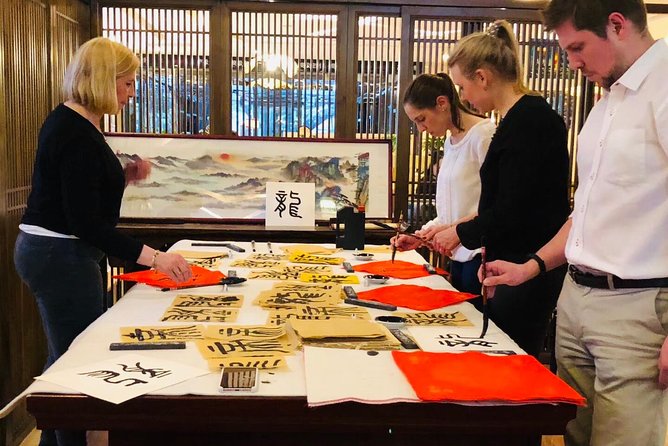
Beijing is big, loud, and packed with must-dos. This class is different. It’s one hour-ish of doing something tactile and focused, where you slow down just enough to notice the craft.
You’re not asked to be an artist. You’re taught how the basics work—ink strokes, brushes, rice paper, and ink stones—and then you practice until your final piece is ready. Even people who thought they were bad at writing end up with something they can bring home, which matters if you want a real memory, not just a busy-market purchase.
You can also read our reviews of more tours and experiences in Beijing
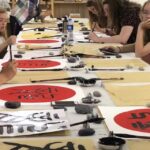
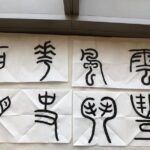

Where You Start: Hilton Wangfujing and Downtown Convenience
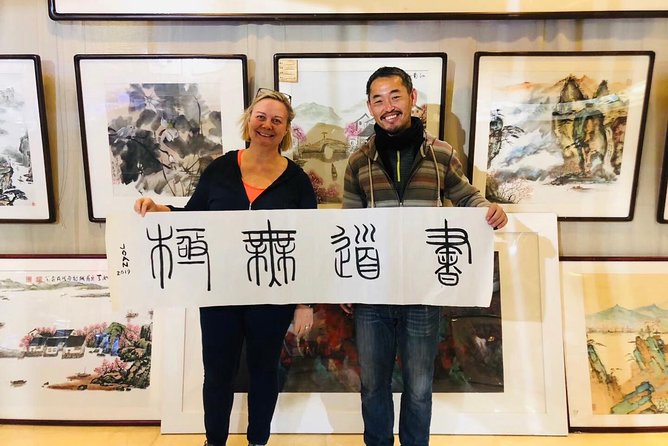
Your day starts at the meeting point at Hilton Beijing Wangfujing (王府井东街8号). From there, the experience finishes back at the same point, which keeps your logistics easy when you’re stacking Beijing sights.
The calligraphy location is in downtown Beijing on Wangfujing Dongjie, Dongcheng District (北京东城区王府井东街8号). The listing also notes it’s near public transportation, so even if you’re coming from a museum or shopping area, you’re not stuck with a long, awkward transfer.
If you’re planning for the “noon” part specifically, that timing is a plus. It’s a good midday reset when you want something indoor, calm, and culturally meaningful without burning your whole day.
What You Learn: Ink Stones, Rice Paper, and the Physics of Strokes
The real draw here is the teaching. You learn the building blocks of calligraphy instead of just being handed a pen and hoping for the best.
In this class, your instructor explains key tools and how they affect the writing:
- Brushes and how the brush behaves on paper
- Rice paper and why calligraphy doesn’t feel like ordinary writing
- Ink stones and the ink basics behind the look and flow
- Ink strokes—how the stroke is formed, not just what the character looks like
The practical benefit for you: once you understand how the brush and ink interact, your handwriting starts looking more like calligraphy and less like scribbles. That’s exactly the kind of skill-building people mention as their favorite part—feeling the brush move across the surface and realizing it’s about control and rhythm.
The Teacher Factor: Richard, Li, and the “Ask Anything” Style
A class like this lives or dies by the instructor. Here, the teaching shows up clearly in what people liked most: the teachers are kind, informative, and genuinely invested in the craft.
You may meet Richard—he’s mentioned in multiple class reflections as patient and helpful, with clear explanations. Another instructor, Li, is also referenced as practiced and instructive, especially for how quickly you can accomplish a lot in the time you have.
The bigger point isn’t just names. It’s the teaching style: you can ask questions. That turns calligraphy from a mystery into something you can learn step by step.
Practice Time: How You Actually Get to a Final Piece
Calligraphy classes can be two types: watch-and-hope, or practice-and-improve. This one leans hard toward practice.
What you can expect is:
- you get guided instruction first
- you practice enough to build confidence
- you produce a final piece that you can keep
Multiple people highlight the same sequence: they practiced a lot before finishing their own character(s). That’s what creates the “I did this myself” feeling, and it’s why the class works even on a rainy day. You’re not just entertained—you leave with something tangible.
If you’ve ever struggled with learning a new skill while everyone else moves too fast, this matters. A small group of up to 15 makes it easier for the teacher to notice where you’re getting stuck.




Chinese Culture in Plain Terms: Characters as Meaning, Not Decoration
Calligraphy is often sold as art. But here, you get the cultural side too—without making it feel like a lecture.
The class focuses on the importance of calligraphy in Chinese culture and treats characters as human language made visible. As you write, your teacher gives insight into things like:
- why the form matters
- how strokes carry character
- how the meaning behind what you write affects the way you write it
Some people also mention learning that deeper meaning behind the words they were writing, not just copying shapes. That’s a big deal if you’re doing more than collecting souvenirs. It’s also a smart way to connect with Chinese culture while you’re there, because you’re actively creating rather than passively viewing.
And if you’re studying Mandarin, this can support your learning. One class reflection specifically notes it was a good way to stay engaged with Mandarin while practicing characters through a different medium.
Seal Carving Basics: The Stamp That Turns Writing Into Identity
The class instruction includes seal carving as part of the experience. Even if you’ve never seen a seal before, this connects calligraphy to a real Chinese tradition: the mark that authenticates and personalizes the writing.
From a value perspective, seal carving adds variety. You’re not only doing one kind of activity—you’re learning that calligraphy can connect to ownership, intention, and presentation. It turns your final piece into something that feels more complete than a single character practice page.
Just keep your expectations grounded: the class focuses on instruction and practice within a short time window. You’ll learn the basics, not master a lifetime craft in one session.
Timing Options: Pick 30, 60, or 90 Minutes
The experience lets you choose a session length when you book, with options listed as 30 minutes, 1 hour, or 1.5 hours. The overall tour summary also describes it as about 1 hour.
So how should you choose?
- If you want a quick cultural activity with enough time to finish something, pick the 1-hour option.
- If you’re curious and want more practice, choose 1.5 hours.
- If your schedule is tight and you still want the experience, 30 minutes can work, but you’ll have less time to build confidence.
This is where planning pays off. Calligraphy isn’t hard in concept, but it does reward time. More time usually means more comfort with the brush and more satisfaction with the final piece.
What the Atmosphere Feels Like: Light Start, Calm Finish
This class has a “settling in” rhythm people repeatedly mention. At first, the mood is described as light and friendly—then the group shifts into something quieter once everyone begins writing.
That’s why some reflections call it relaxing, even close to a morning meditation. You’re doing something rhythmic and physical. The attention required cuts out the mental noise of a travel day.
If you need a break from crowds, malls, and constant schedules, this is a smart pick. It’s also a good choice if you’re traveling with someone who prefers low-stress activities.
Price and Value: $20 for Guided Practice and Supplies
At $20 per person, this class is easy to justify. The key is what’s included: instruction, class supplies, and the chance to make your own take-home piece.
When you price it like this—teacher time + materials (brush/rice paper/ink tools) + guided practice—it stops feeling like a “budget activity” and starts feeling like real value. You’re paying for coaching that helps you get results in a short window.
It also helps that the group is small (up to 15) and that the teacher invites questions. In other words, you’re not just buying an entry ticket to sit in a room.
One more practical value point: the class is available at multiple daily times. That flexibility can matter more than a few dollars, because it can save you from squeezing something else into a crowded day.
Practical Tips Before You Go (Simple, Useful, Low-Stress)
You’re walking into an indoor craft class, not a formal show. To make it go smoothly:
- Wear comfortable clothing. Ink work is part of calligraphy, and it’s smart to dress for a hands-on activity.
- Bring patience for learning pace. Calligraphy is about control, and your first strokes usually feel awkward before they click.
- Choose your session length based on your energy. If you’re tired from sightseeing, a shorter session may feel better than pushing through the full hour-plus.
Also, since you’ll be near Wangfujing downtown, you can often plan the class as a break between other nearby activities—without building a complicated itinerary around it.
Who This Class Fits Best (and Who Might Not Love It)
This experience is best for you if:
- you want a real cultural activity in central Beijing
- you like hands-on learning, not just watching
- you’d like a relaxing, skill-based break from the usual sightseeing pace
- you want something you can keep as a take-home memory
It’s also a good fit for families with kids because children can participate as long as they’re accompanied by an adult. The group size is limited, which can help keep the experience manageable.
You might skip it if you’re looking for a big outdoor adventure or a multi-hour tour day. This is a focused class, not a long itinerary. Think: one skill session, one calm environment, one piece you create.
Should You Book This Noon Calligraphy Class?
I’d book it if you want a Beijing memory that feels personal. For $20, you get a teacher-led class with real practice time, supplies included, and a take-home result. Add the small group limit and the question-friendly instruction, and it’s the kind of activity that works even if you’ve never written Chinese characters before.
Book sooner rather than later if you have a specific time in mind—this experience is commonly reserved about 9 days in advance on average. And if the weather or your energy level changes, choose a session length that matches your day.
If you’re craving a calmer side of Beijing—brush, paper, ink, and a few strokes that actually look like something—this class delivers.
FAQ
How much does the calligraphy class cost?
The price is $20.00 per person.
How long is the class?
The experience is listed at about 1 hour, and you can choose a class length during booking: 30 minutes, 1 hour, or 1.5 hours.
Where do I meet for the class?
You start at Hilton Beijing Wangfujing at 王府井东街8号, 邮政编码 100006, and the activity ends back at the meeting point.
What’s included in the class price?
The class includes the art teacher, calligraphy supplies to use during class, and the calligraphy instruction for the selected session length.
Can children participate?
Yes, children can participate, but they must be accompanied by an adult.
What is the group size limit?
The class has a maximum of 15 travelers.
Can I cancel and get a full refund?
Yes. Free cancellation is available up to 24 hours in advance for a full refund. If you cancel less than 24 hours before the start time, the amount paid is not refunded.