REVIEW · BEIJING
Tai Chi or Kung Fu plus Chinese Calligraphy Learning Class
Book on Viator →Operated by Beijing San Feng Tai Chi Club · Bookable on Viator
Martial arts and calligraphy, in one morning. You start near the gates of Temple of Heaven and learn the basics of tai chi or kung fu, then switch to Chinese calligraphy with a small-group feel that makes it easy to ask questions. The main consideration is weather: if it’s rainy, parts of the experience may move into the instructor’s studio rather than staying outdoors.
I like that the session stays practical from the first minute. You practice movement with clear focus cues like slow breathing and yin-yang thinking, then you get 90 minutes to learn brushwork and Chinese characters in a classroom setting. For the smoothest visit, wear comfortable walking shoes and plan to get yourself to the meeting point, since hotel transfers aren’t included.
In This Review
- Key Points You’ll Care About
- What You Actually Learn in Tai Chi or Kung Fu (No Costume Required)
- Jixiaolan Former Residence: The Meeting Point That Keeps Things Simple
- Temple of Heaven Area: Fresh Views From a Movement Class
- How the Instructor Keeps Martial Arts Understandable
- Chinese Calligraphy: 90 Minutes of Brushwork Culture
- Price and Value: Is $95 Fair for Two Skills in One Morning?
- Who Should Book This Class (and Who Might Want Another Option)
- Should You Book This Tai Chi or Kung Fu Plus Calligraphy Class?
- FAQ
- How long is the Tai Chi or Kung Fu plus calligraphy class in Beijing?
- Where do we meet for the class?
- What time does the class start?
- Can I choose between Tai Chi and Kung Fu?
- What happens if it rains?
- Is hotel transfer included?
- Is free cancellation available?
Key Points You’ll Care About
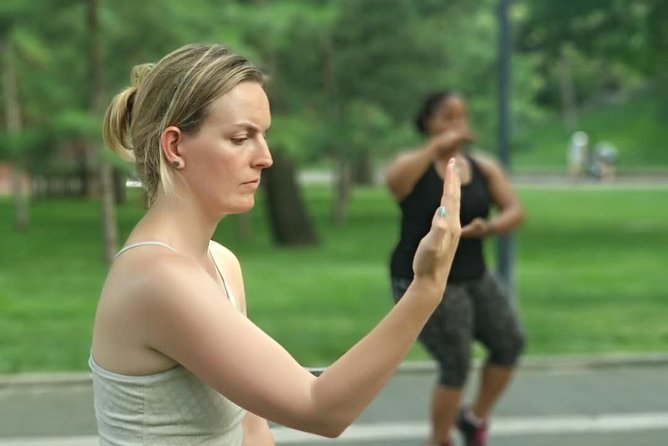
- Two disciplines in one: choose tai chi or kung fu, then follow with Chinese calligraphy
- Taught, then practiced: you learn the basics and philosophy before you move
- Small-group, lots of attention: the instructor style is geared toward personal guidance
- Weather flexibility: rainy conditions may shift lessons indoors
- Meet at Jixiaolan Former Residence ticket office: easy starting point, ends back there
What You Actually Learn in Tai Chi or Kung Fu (No Costume Required)
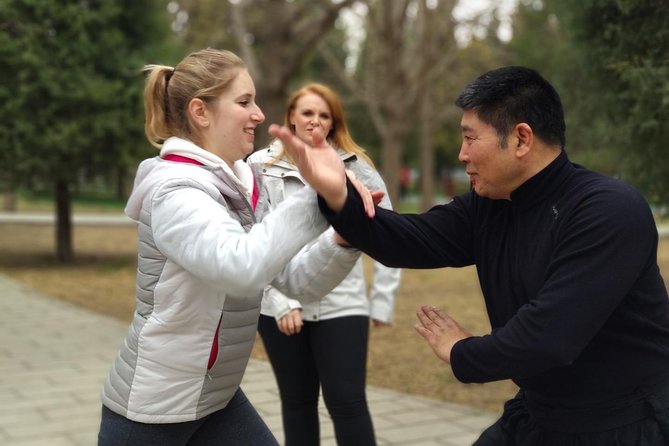
This experience is built for beginners and first-timers. You’ll spend 90 minutes with an instructor covering the foundations of tai chi or kung fu—depending on which option you pick. The goal isn’t to turn you into a martial artist overnight. It’s to give you the core basics you can feel in your body right away.
For tai chi, expect slow, deliberate movements paired with deep breathing and concentration. You’re also guided through the underlying ideas, including Taoism and the yin and yang concept—so the moves feel like more than stretching. For kung fu, you get faster, more dramatic practice, still taught from the ground up, with the instructor guiding technique so you can follow confidently.
Because it’s offered in a small group (and it’s described as private for your group), you’re less likely to get lost in a big class. You can ask questions and reset when needed, which matters a lot when you’re learning something physical and new.
If you’re hoping for a strict, highly scripted performance or advanced drills, you may find the pace more introductory than intense. But if you want a hands-on taste of Chinese martial arts thinking and movement quality, this setup is a strong match.
You can also read our reviews of more tours and experiences in Beijing

Jixiaolan Former Residence: The Meeting Point That Keeps Things Simple
The class starts at 9:00am, and the meeting point is the ticket office at the Jixiaolan Former Residence (241 Zhu Shi Kou Xi Da Jie, Xi Cheng Qu, Beijing 100052). Your tour ends back at the same meeting point, so you don’t have to figure out an exit plan after class.
This matters more than it sounds. Beijing can be confusing early in the day if you’re hopping between spots. Starting and ending at the same location gives you a clean rhythm: arrive, check in, learn, then finish right where you began.
Two practical notes to plan for:
- No transfer is included. You’ll need your own way to get there (taxi/subway/walk depending on your hotel and comfort level).
- Wear comfortable walking shoes. Even if you’re mostly in class, you’re meeting in a street-level area and moving between spaces.
Also, this experience operates in all weather conditions, so you’ll want to dress for rain or cool wind if that’s in the forecast. A light layer helps, because you’ll be moving, then sitting for calligraphy.
Temple of Heaven Area: Fresh Views From a Movement Class
You don’t just pass the Temple of Heaven zone—you approach it through your body and attention. The format is designed so that your first moments are outdoors near the gates, then the instruction ties what you’re learning to the setting. It’s a calmer way to experience one of Beijing’s most famous areas.
That said, don’t build your plan around a promise of always being outside. When the weather turns rainy, the martial arts portion and the calligraphy lesson may happen in the instructor’s studio instead of staying strictly in the Temple of Heaven area. This isn’t a “worse version” so much as a practical adjustment that keeps class time intact.
If you care most about photos and outdoor monuments, you might feel slightly disappointed on a rainy day. If you care more about learning and doing something real, the studio shift is usually a net positive—because you can keep moving and writing without weather pressure.
Either way, the key value here is that you’re experiencing Beijing from the inside of a cultural practice: breathing, posture, and focus outside, then brushwork inside. That blend is what makes the day feel different from a typical sightseeing morning.
How the Instructor Keeps Martial Arts Understandable
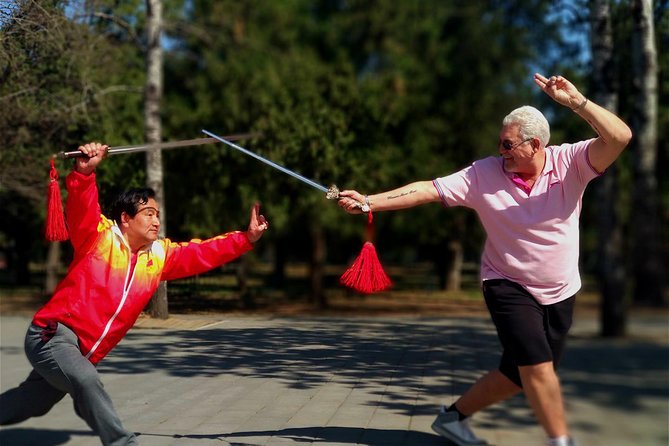
The teaching approach here is built around foundations. Your instructor explains the basics of the art you chose, including the philosophy linked to Taoism and the yin-yang framework, then you practice movements that match those ideas.
You’ll also hear about why this practice is said to benefit overall health—an important part of the class tone. This is less about dominating an opponent and more about training awareness, balance, and control. Even the movement style (slow and relaxed for tai chi, more energetic for kung fu) connects back to the idea of body-mind alignment.
One thing I’d watch for: you’re likely to be focused on clarity rather than speed. That’s good. When you’re learning tai chi or kung fu basics, the smallest posture correction can help a lot. Small-group instruction makes that correction more likely.
Guide and instructor communication is also part of the experience. In this program, Eric is one of the guide names that comes up, and the overall vibe described is friendly and easy to work with. When a guide is upbeat, you’ll feel comfortable asking the inevitable beginner questions—like how far to move your stance, or what the breathing cue is really trying to help.
If you’re traveling with family, this calm “learn first” approach tends to work well because everyone can follow at their own pace while still feeling included.
Chinese Calligraphy: 90 Minutes of Brushwork Culture
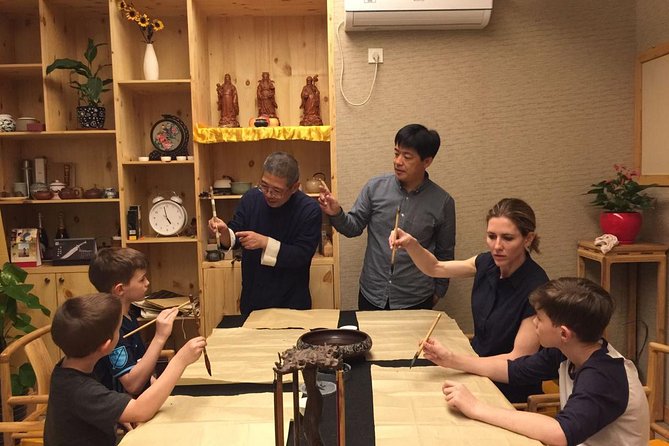
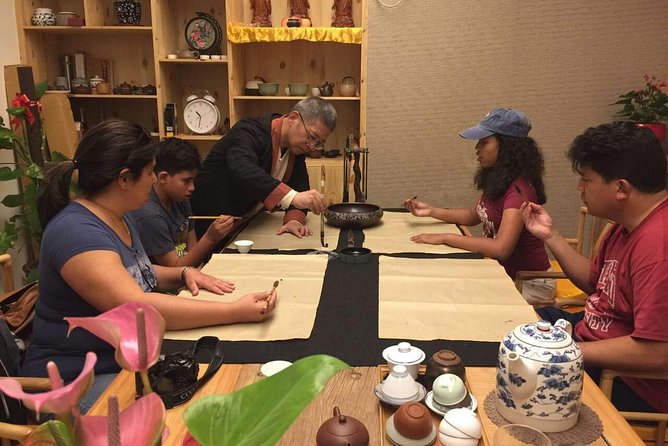
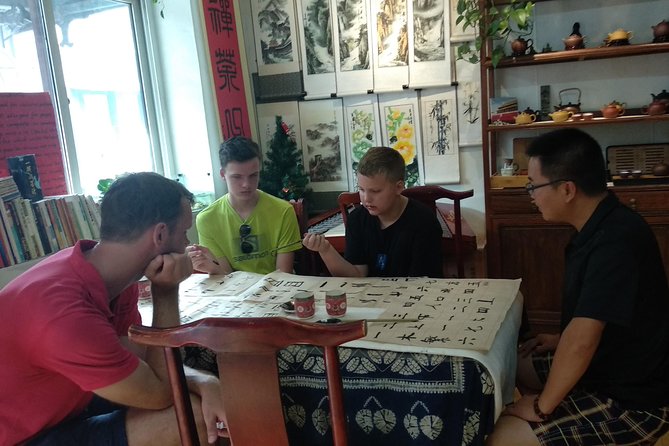
After the martial arts session, you get another 90 minutes in a Chinese calligraphy classroom. This part is more than a souvenir activity. You’re learning the art of Chinese characters by picking up a brush and practicing the basics of calligraphy culture in a structured setting.
Calligraphy is one of those skills that feels simple until you actually try it. That’s why the classroom time matters. The instruction gives you a way to understand stroke intention—how characters come together through brush pressure, movement, and control. Even without being an art student, you’ll usually leave with a clearer sense of how writing in Chinese differs from typing or copying from a printout.
Also, combining calligraphy right after martial arts is smart. Your body is already in a focused mode from breathing and controlled motion. Then calligraphy asks for similar qualities: steady hand movement, patience, and attention to the next stroke.
If you’re coming for the cultural side, this is where you get it most directly. If you’re coming for the physical side, calligraphy gives you a mental reset—and a skill you can keep practicing later.





Price and Value: Is $95 Fair for Two Skills in One Morning?
At $95 per person, you’re paying for both halves of the class: 90 minutes of tai chi or kung fu and 90 minutes of Chinese calligraphy, for about 3 hours total. The value angle is simple: you’re bundling two instructor-led activities that often cost separate fees elsewhere.
This pricing also works well because the class format isn’t described as a huge public event. It’s private for your group, plus there can be group discounts. If you’re traveling as a pair or small family, that can reduce the per-person feel of the experience.
There’s also a practical value here: you’re getting instruction, not just watching. Calligraphy, especially, usually turns into a frustrating experience when people have no guidance. Here, you’re in a classroom environment and you’re coached through what you’re doing.
The only reason the price might feel “less great” is if you expect a longer, deeper program. This is a taste and foundation session, not a multi-day training course. But for many visitors, tasting two disciplines with hands-on help is the exact sweet spot.
You’ll also receive a mobile ticket, which tends to make check-in easier than printed paperwork.
Who Should Book This Class (and Who Might Want Another Option)
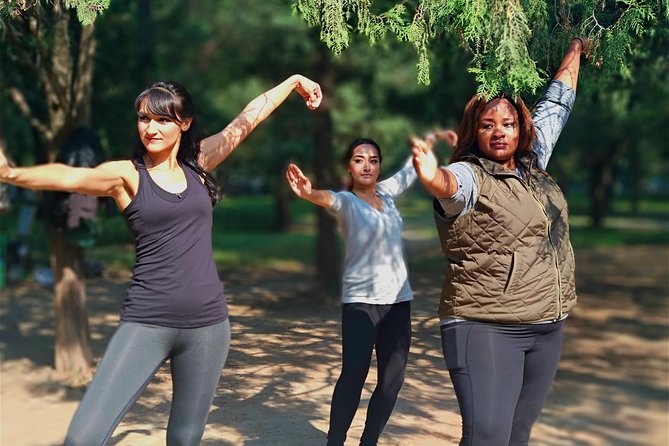
This tour fits best if you want an active cultural experience that isn’t just walking around. It’s great for:
- Beginners who want structured guidance in tai chi or kung fu
- People curious about Taoist ideas like yin and yang and how they connect to movement
- Travelers who like hands-on workshops, especially with something tangible like calligraphy
- Families with children, since children must be accompanied by an adult and the format is designed to be manageable
You might consider a different option if:
- You want uninterrupted outdoor Temple of Heaven time for photos and monument viewpoints. Weather can shift lessons indoors.
- You’re expecting advanced kung fu/tai chi training or high-intensity sparring practice. This is foundations and basics.
- You’d rather have hotel pickup and drop-off. Transfers aren’t included, so you’ll need to plan your own arrival and departure.
If you like a morning that balances body and mind, this is one of those experiences that makes Beijing feel personal instead of checklist-driven.
Should You Book This Tai Chi or Kung Fu Plus Calligraphy Class?
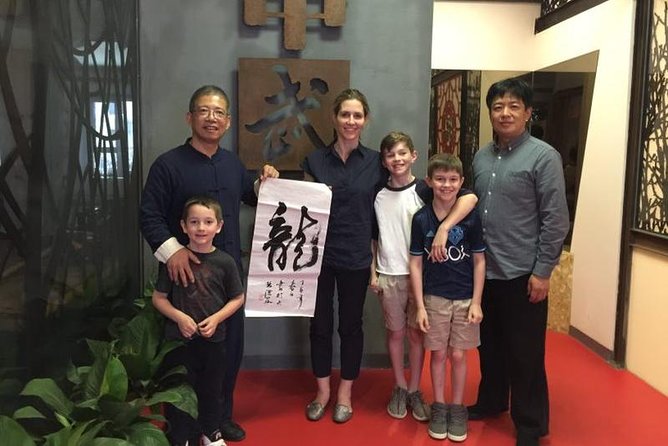
I think this is a strong book for visitors who want something you can do, not just something you can see. The combination works: movement first, then brushwork, both taught with an instructor and focused on basics you can actually manage.
Book it if you’re excited by tai chi’s slow focus or kung fu’s more energetic practice, and you also want the cultural payoff of Chinese calligraphy. The small-group, private-for-your-group setup is the kind of detail that turns an average workshop into a genuinely enjoyable class.
Skip it only if you need guaranteed outdoor Temple of Heaven instruction in all weather, or if you’re looking for a long, advanced training program. For a 3-hour, value-minded cultural experience with clear guidance, this one is easy to recommend.
FAQ
How long is the Tai Chi or Kung Fu plus calligraphy class in Beijing?
It runs for about 3 hours total, including 90 minutes of tai chi or kung fu and 90 minutes of Chinese calligraphy.
Where do we meet for the class?
Meet at the former residence of Jixiaolan (Jixiaolan Former Residence) ticket office: 241 Zhu Shi Kou Xi Da Jie, Xi Cheng Qu, Beijing 100052.
What time does the class start?
The start time listed is 9:00am.
Can I choose between Tai Chi and Kung Fu?
Yes. You choose either tai chi or kung fu for the martial arts portion of the experience.
What happens if it rains?
The experience operates in all weather conditions. In rainy weather, lessons may take place in the instructor’s studio rather than staying outdoors.
Is hotel transfer included?
No, transfer from/to your hotel is not included. The activity ends back at the meeting point.
Is free cancellation available?
Yes. You can cancel up to 24 hours in advance for a full refund.