REVIEW · BEIJING
Hutong Walking Tour: Discover Real Beijing without Crowds
Book on GetYourGuide →Operated by NEXTCITY · Bookable on GetYourGuide
A hutong tour that actually feels local. This Beijing hutong walking tour takes you through traditional courtyards and neighborhood life, then mixes in major sights and architectural context so you understand how the city has changed. You start at Xisi Subway Station and move from older alleyways toward newer urban power centers, which makes the contrasts hit fast.
Two things I really like: the small group (up to 8) keeps the pace human, and you get a traditional Beijing drink included at the end. One possible drawback is that about half of the time is not inside hutongs, so if you want every minute in narrow lanes, book carefully.
In This Review
- Key highlights worth your attention
- Why This Hutong Walk Feels Like Beijing, Not a Theme Park
- Start Smart at Xisi Subway Station and Expect Real Walking
- Guangji Temple: The Architecture Lesson Starts Before You Even Know It
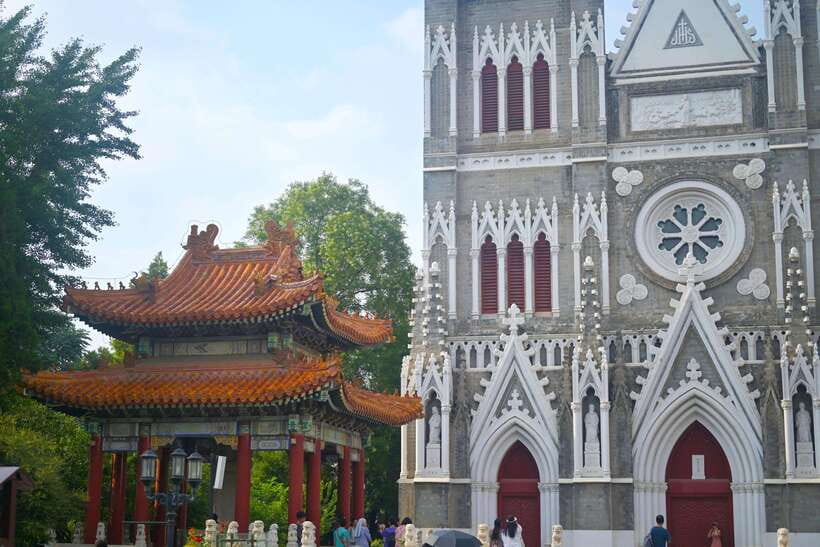
- Church of the Saviour, Beijing: A Quiet Contrast in Daily Life
- 正阳书局 (Zhengyang Bookshop): Local Culture and a Good Place to Shop
- Zhuanta Hu Tong: Courtyards, Customs, and the City’s Real Changes
- Emperors Temple of Past Dynasties: Photo Stops and Temple Calm
- Local Café Break and the Included Traditional Beijing Drink
- Miaoying Temple and the Finish on 阜内大街
- Value Check: Is $49 Worth It for a 2.5-Hour Beijing Walk?
- Who This Tour Fits Best (and Who Should Skip It)
- The Guide Factor: Dee, Tracy, and Heidi Set the Tone
- Should You Book This Hutong Walking Tour?
- FAQ
- FAQ
- Where does the tour start?
- How long is the hutong walking tour?
- How much walking is involved?
- What’s included in the price?
- What languages are the guides?
- Is the tour accessible for wheelchair users?
- How much of the tour is actually in hutongs?
- What should I bring?
- Are there rules about smoking?
- Where does the tour end?
Key highlights worth your attention
- Xisi Station meeting point makes it easy to connect with Line 4
- Half hutongs, half nearby sights so you get context, not just wandering
- Temple + church mix (Guangji Temple, Church of the Saviour) that shows how belief shapes daily life
- Bookshop stop at 正阳书局 for a real local break and easy shopping
- Multiple architecture types explained like siheyuan courtyards and temple layouts you can recognize on the street
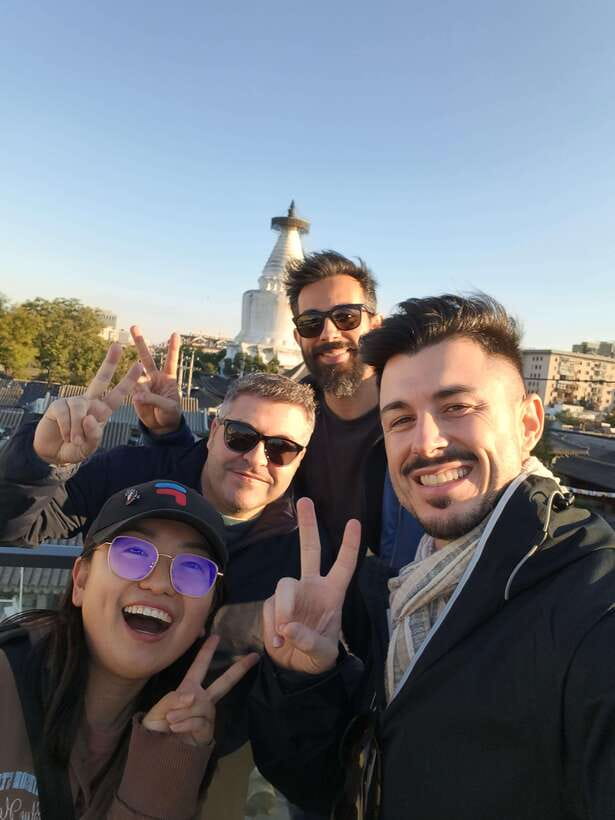
- Traditional drink payoff (often served on a rooftop or in a special setting)
Why This Hutong Walk Feels Like Beijing, Not a Theme Park
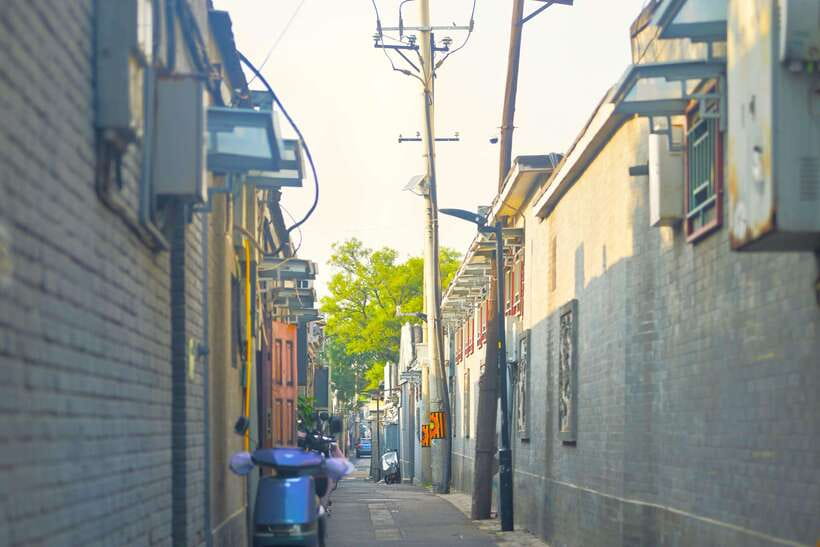
This tour works because it treats hutongs as living places, not just photo backdrops. You’re walking through older neighborhoods where everyday routines still matter, and the guide gives you the background to see what you might otherwise miss.
I also like that the route uses the city’s contrasts on purpose. You’ll spend time in traditional areas, then you’ll also encounter other local attractions and unique buildings nearby. That mix helps you understand how Beijing grew around these older spaces, and why some streets and courtyards look the way they do today.
The vibe stays grounded. Small group size means you can ask questions without feeling like you’re shouting over a crowd, and the stops are chosen to make the city feel understandable instead of overwhelming.
You can also read our reviews of more walking tours in Beijing

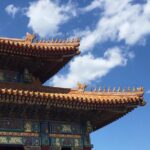

Start Smart at Xisi Subway Station and Expect Real Walking
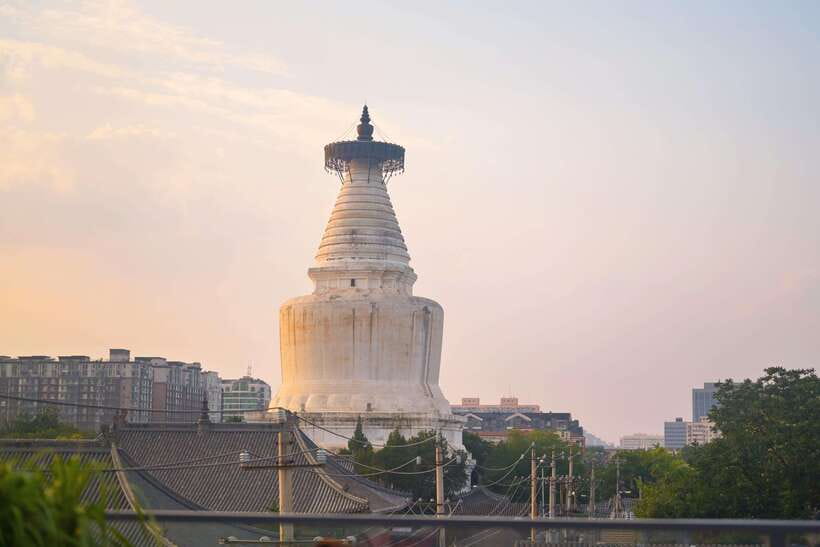
Meeting at Metro Line 4, Xisi Station (Exit D) is a practical win. Line 4 is one of the easiest lines for moving around central Beijing, so you’re not dependent on taxis just to begin.
The tour lasts 2.5 hours, and it involves about 3km of walking, so your shoes matter. You’ll move at a steady city pace, not a leisurely stroll, and you’ll cover a bit of ground between different kinds of sights.
Group size is capped at 8 participants, which is rare for Beijing walking tours. It makes a difference for comfort, pacing, and your ability to hear explanations clearly in smaller lanes where sound carries differently.
Weather planning matters too. Bring water, and if it’s sunny, pack sunscreen and a hat. Hutong shade can be inconsistent, and temples and courtyards don’t always protect you the way you’d expect.
Guangji Temple: The Architecture Lesson Starts Before You Even Know It
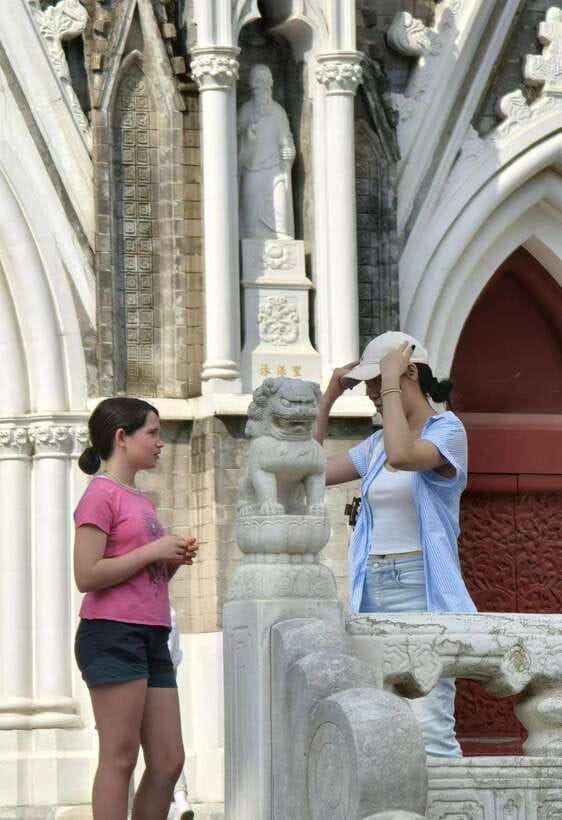
Guangji Temple is where the tour sets its tone: spiritual space, local scale, and architecture you can actually interpret as you walk. You’re not just looking at a building. You’re learning how people structure sacred spaces in Beijing, and how that layout affects what you notice on the street.
You’ll also get a chance to see how courtyard life relates to temple space. The guide talks about traditional architectural forms such as siheyuan (courtyard homes) and how different religious buildings function in daily culture.
Even if you’re not a serious architecture nerd, this stop helps you start reading the city. Once you understand what to look for, the rest of the neighborhoods make more sense.
Church of the Saviour, Beijing: A Quiet Contrast in Daily Life
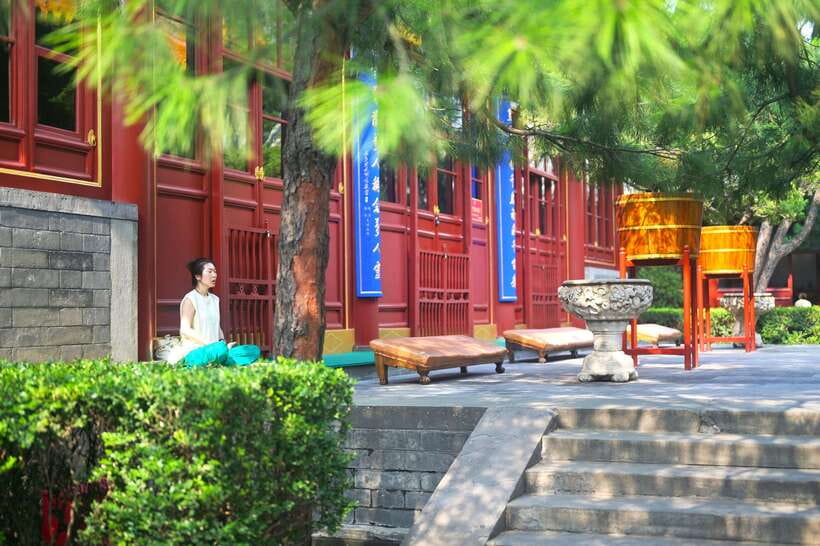
One of the smartest choices is including the Church of the Saviour, Beijing. It’s a very different atmosphere from the traditional hutong stops, and that’s the point.
This church visit gives you a broader view of how communities used religious spaces for gathering, reflection, and local identity. It’s also a nice tonal break in the middle of the walk, where you can slow down and reset before heading into more alley streets.
If you like places where you can observe how people behave quietly inside public buildings, this is a stop worth leaning into. The atmosphere helps your brain switch from outdoor walking mode to sightseeing mode.
正阳书局 (Zhengyang Bookshop): Local Culture and a Good Place to Shop
正阳书局 is an enjoyable, very practical stop. It’s not just a souvenir trap. The feel is more like a neighborhood bookshop where locals pause, browse, and take a moment from the day.
Because the tour includes a short shopping window here, you can pick up something useful or light without turning the whole afternoon into an errand marathon. It’s also a good place to get a drink of local flavor and recharge your feet mentally.
When a tour adds a real local shop stop like this, it usually means you’ll return to the street with better context. You’re not only seeing old Beijing, you’re experiencing how people still do culture today.



Zhuanta Hu Tong: Courtyards, Customs, and the City’s Real Changes
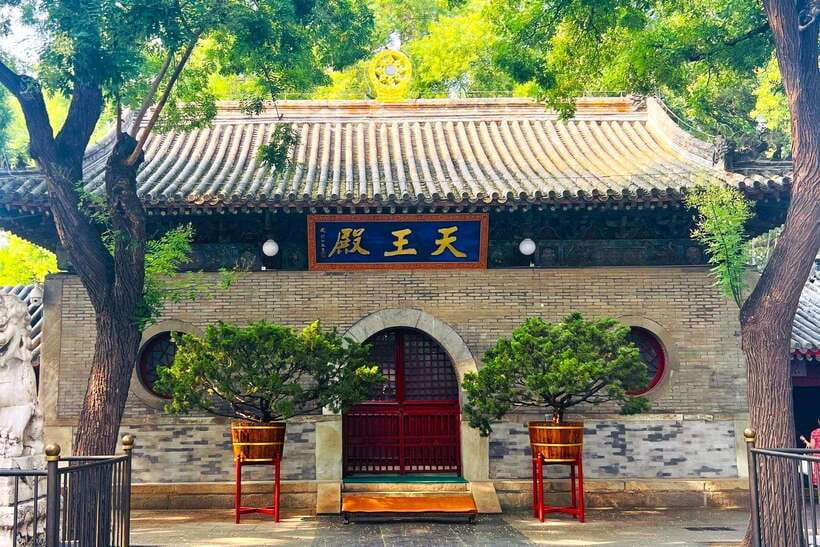
The hutong portion is where this tour earns its reputation. Zhuanta Hu Tong is the kind of alley you’d miss if you only followed major sights and main roads.
This is where the guide’s explanations really help. You’ll learn how courtyard homes work, why certain spaces are arranged the way they are, and how design choices tie into family life and daily routine. The tour also connects architecture to urban change, so you understand what has shifted as Beijing modernized.
A key point: the tour doesn’t pretend hutongs are frozen in time. It shows you the mix of old and new so you can recognize what survived, what adapted, and what disappeared.
This is also the portion that feels most off-the-beaten-track. You’re walking through lived-in streets where you can see the pace of local life rather than constant tourist choreography.
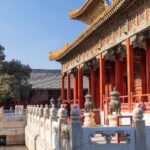
Emperors Temple of Past Dynasties: Photo Stops and Temple Calm
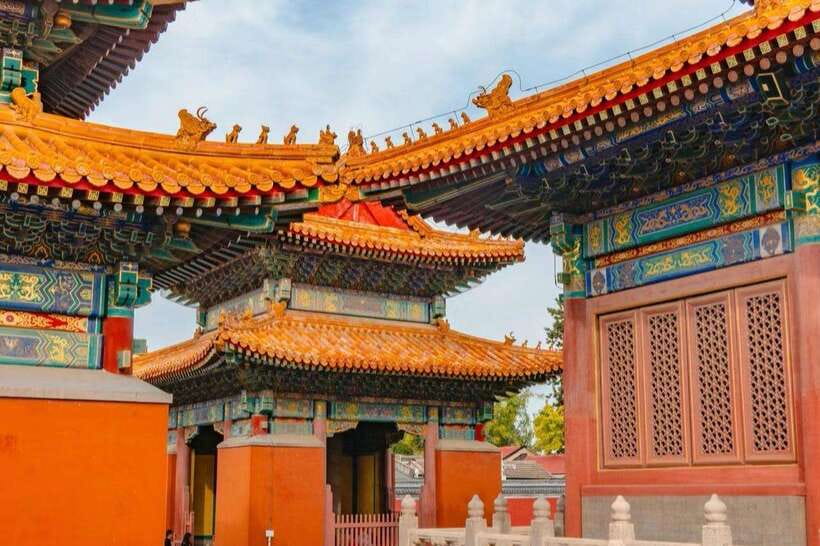
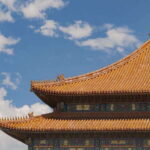
Next comes a memorable blend of movement and stillness at the Emperors Temple of Past Dynasties. You’ll have a photo stop moment, then a guided visit where the guide ties the site to wider cultural meaning.
Temple stops are often the best “learning without effort” parts of a Beijing walking tour. You’re standing in place, you can look slowly, and you get context for symbols and functions that aren’t obvious at first glance.
One logistics note to plan for: the tour includes entrance fees for a site called the Palace of Ancient Monarchs, and it can be closed on Mondays. If you’re traveling on a Monday, don’t assume every specific interior visit will run exactly as usual.
Local Café Break and the Included Traditional Beijing Drink
You get a break at a local café, and that’s more than just a pause. It helps you process what you’ve seen so far, especially after walking between different zones and building types.
The highlight here is the included traditional Beijing drink. In past departures, that drink has shown up as things like iced tea or a sour plum style drink, sometimes served with herbs in a traditional medicine setting. You may also find it served from a rooftop or special viewpoint after the walking portion ends.
Either way, the drink is a smart close to the tour. It’s a low-effort way to take in a slice of Beijing flavor and make the day feel complete without forcing an extra meal.
Miaoying Temple and the Finish on 阜内大街
The last major stop is Miaoying Temple, with photo moments and a guided visit. This is a good end-of-tour choice because temples give you a natural sense of final calm.
By the time you reach Miaoying, you’ve already learned enough about courtyard culture and sacred space layout to notice details faster. That means your photos come out better, and you understand what you’re photographing without needing to look everything up afterward.
The tour finishes at 阜内大街410号. That ending location matters because it gives you a workable point to continue your Beijing day, rather than sending you back into the same alley you started from.
If you’re planning a bigger day afterward, this tour is a great primer. You’ll walk away seeing architecture and neighborhood logic differently.
Value Check: Is $49 Worth It for a 2.5-Hour Beijing Walk?
At $49 per person for about 2.5 hours, this tour can feel like a strong value when you look at what’s included. You’re paying for a guide, entry fees for a key historical site (with the Monday closure note), and a traditional drink, plus a curated route that mixes hutongs with major context-building stops.
The other part of the value is the small group size. A cap of 8 participants isn’t just a comfort perk. It usually improves the quality of Q&A and the pacing on narrow streets where it’s easy for bigger groups to turn chaotic.
The one “value risk” is if you specifically want nonstop hutong time. Since about half the walking is in hutongs and the rest covers other local sights and unique buildings, you’re buying context as much as you’re buying alley time.
If you want a guided introduction that helps you navigate Beijing with more understanding, the price-to-experience ratio looks good. If you want only hutongs and nothing else, you may feel the structure trims your preferred style.
Who This Tour Fits Best (and Who Should Skip It)
This is a good fit if you like neighborhood scale, architecture explanations you can apply immediately, and stops that show different religious and cultural spaces in one morning or afternoon.
It’s also a solid choice early in your trip. A hutong tour that teaches how to interpret courtyards and temple layouts makes later sightseeing easier. You’ll also leave with practical local recommendations for food and how to move around after the tour.
A couple of practical limits to respect:
- It’s not suitable for mobility impairments or wheelchair users because the route involves significant walking.
- You should be comfortable in weather changes and in areas where you’ll be walking for a while without long breaks.
If you go in with comfortable shoes and realistic expectations about pace, you’ll likely enjoy it a lot.
The Guide Factor: Dee, Tracy, and Heidi Set the Tone
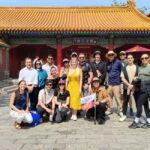
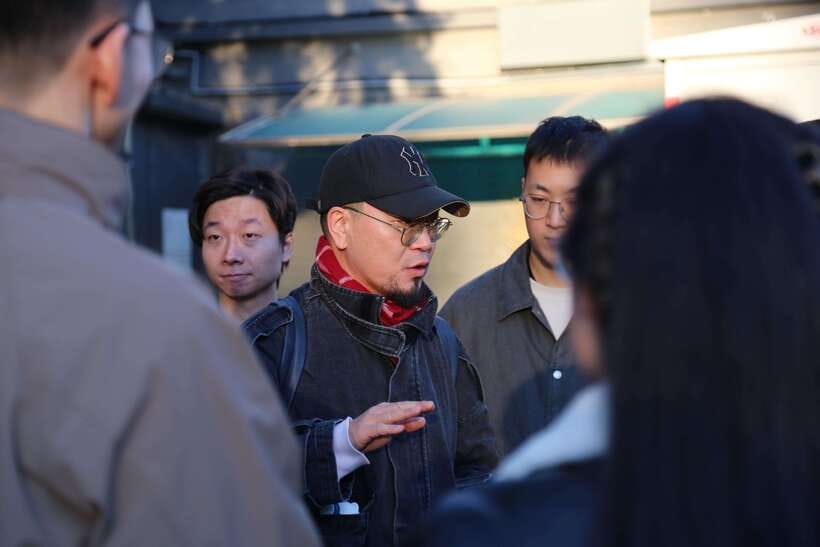
A recurring theme in the experiences attached to this tour is the role of the guide in making it feel personal and understandable. Names that show up often include Dee, Tracy, and Heidi, and the common thread is attention to pace, friendly communication, and the way they connect buildings to daily life.
I like this approach because it changes what you notice. Instead of just seeing a door, a courtyard wall, or a temple gate, you learn what those elements usually signal and how they fit into Beijing’s development over time.
In some cases, guides even bring extra support on the tour, which can help with questions and keeping energy up for families or younger visitors. If you’re traveling with kids, that flexibility can make the walk feel less like a lecture and more like a story with stops.
Should You Book This Hutong Walking Tour?
Book it if you want a small-group way to understand real Beijing beyond the big-ticket landmarks. It’s especially worth it when you like walking through neighborhoods, seeing multiple kinds of architecture, and ending with an included traditional drink that connects the experience to daily culture.
Skip or book with caution if you need every minute inside hutongs. Since the tour intentionally mixes hutong walking with other local buildings and attractions, you’ll be walking more like a curated neighborhood route than a pure hutong-only wander.
If you’re visiting Beijing for the first time and you want your bearings fast, this kind of structured off-crowd introduction is a smart move.
FAQ
FAQ
Where does the tour start?
It starts at Xisi Station (Metro Line 4), Exit D, at 西四站D西南口.
How long is the hutong walking tour?
The tour runs for 2.5 hours.
How much walking is involved?
Plan for about 3km of walking during the tour.
What’s included in the price?
The price includes the guided walking tour, a local guide, an entrance fee for the Palace of Ancient Monarchs (not available on Mondays), and a traditional Beijing drink.
What languages are the guides?
Guides offer the tour in English and Chinese.
Is the tour accessible for wheelchair users?
No. It is not suitable for people with mobility impairments and wheelchair users.
How much of the tour is actually in hutongs?
About half of the tour is in the hutongs. The rest includes other local attractions and unique buildings.
What should I bring?
Wear comfortable shoes and bring water. For sunny weather, bring a hat and sunscreen.
Are there rules about smoking?
Yes. Smoking is not allowed during the tour.
Where does the tour end?
The tour finishes at 阜内大街410号.