REVIEW · BEIJING
Temple of Heaven Private Tour with Extra Scenic Spots Added On
Book on Viator →Operated by Discover Beijing Tours · Bookable on Viator
A morning at Heaven, minus the headache. This private walk around the UNESCO-listed Temple of Heaven gives you the big-picture stories behind Ming and Qing imperial worship while also letting you watch the park’s daily life, especially Beijing’s older folks doing morning exercises. I like that the tour hits the showpieces without turning into a sprint, and I’m a fan of the Hall of Prayer for Good Harvests and its nail-less wooden design. One thing to consider: it’s only about 1–2 hours, so if you want long, slow wandering, you’ll likely want extra time after the tour ends.
The value here is the “guided meaning” factor. With hotel pickup available (for some meeting options) and entrance fees included, you spend more time looking at the right details and less time decoding what you’re seeing. Based on guide experiences like Ye Qing and Jimmy—both praised for English and keeping things relaxed—you can expect clear explanations, not just a list of names.
Practical note: wear comfortable walking shoes and dress for the weather. The tour runs in all conditions, and you’ll cover multiple stops across a large, open site, so plan to move.
In This Review
- Key moments that make this tour worth it
- Temple of Heaven works best when you know where to stand
- The 1–2 hour flow: what you’ll actually see, stop by stop
- 1) Temple of Heaven: the big UNESCO complex, without the overwhelm
- 2) Hall of Prayer for Good Harvests: the architectural showpiece
- 3) Danbi Bridge: the rules of who could walk where
- 4) Emperors’ Changing Room and the ceremonial pathway feel
- 5) The 9-Dragon Juniper: a 500-year-old landmark
- 6) Imperial Vault of Heaven: the worship point during winter solstice
- 7) Echo Wall: why the area around the vault matters
- 8) Yuanqiutan (Circular Mound Altar): the most sacred spot
- Beijing elders in the park: what you’re really seeing
- Value and logistics: $60 is only fair if the details land
- Tips to make the walk feel smooth (and not exhausting)
- Who this tour suits best
- Should you book? My practical take
- FAQ
- How long is the Temple of Heaven private tour?
- Is this tour private or shared?
- Do I need to buy entrance tickets separately?
- Is hotel pickup included?
- Where do I meet the guide?
- What places are included besides the main temple buildings?
- Is the tour ticket digital?
- Does the tour operate in bad weather?
- Are meals included in the price?
- What’s the cancellation policy like?
Key moments that make this tour worth it
- Temple of Heaven’s imperial purpose: You’ll connect architecture to the rituals emperors used to pray for order and good harvests
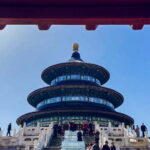
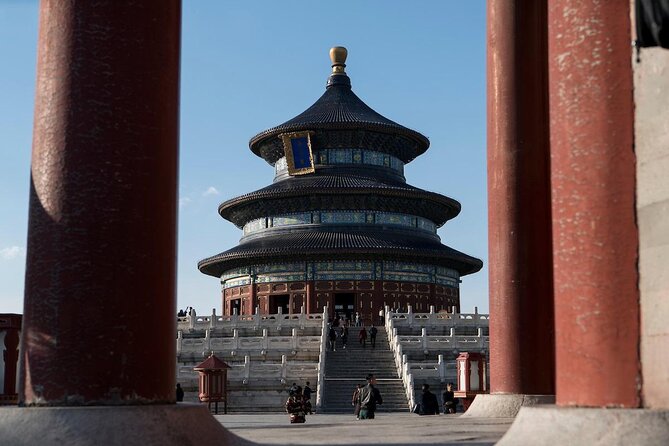
- Hall of Prayer for Good Harvests: The circular wooden hall with three blue-tile roofs and an ornate interior
- Danbi Bridge details: A 360-meter raised walkway reserved for emperors
- Imperial Vault of Heaven and Echo Wall: The vault pavilion plus the wall that ties to ceremonial tablets
- Yuanqiutan (Circular Mound Altar): The winter-solstice worship site and the most sacred area in the complex
Temple of Heaven works best when you know where to stand
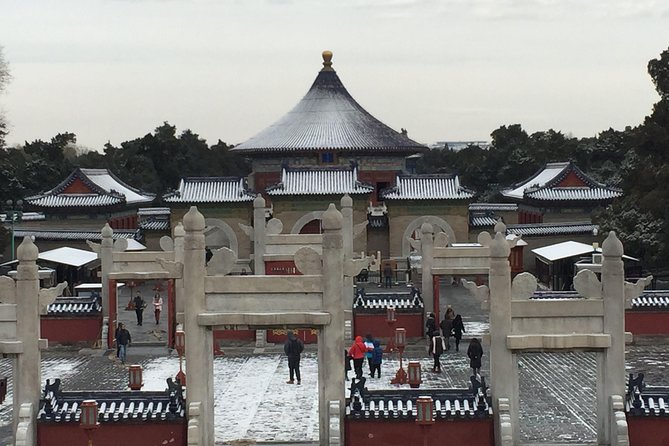
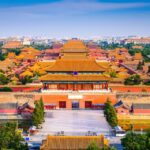
Temple of Heaven isn’t just a pretty complex of old buildings. It’s a designed system of paths, levels, materials, and symbols meant to communicate a simple idea: heaven, earth, and the human role in keeping things aligned.
On a private walking format, that “system” becomes easier to follow. Instead of getting lost between gates and courtyards, you move from one major point to the next and you learn what each place was for. That matters here because so many people arrive thinking they’ll mainly see gates and halls. They do see those things—but the deeper value is understanding why the layout looks the way it does.
And then there’s the park portion. The temple grounds aren’t frozen in time. You’ll see older Beijing residents doing morning exercises—dances and martial-arts-style movements—right in the same space where emperors once staged formal worship. It’s one of those contrasts that makes the place feel real, not museum-only.
You can also read our reviews of more private tours in Beijing
The 1–2 hour flow: what you’ll actually see, stop by stop
This tour is designed as a tight loop through the most meaningful areas. You’ll start at your agreed meeting point and your guide will take you through the main altar complex, then wrap up back at the temple’s South Gate.
1) Temple of Heaven: the big UNESCO complex, without the overwhelm
You’ll begin inside the main temple grounds, and the guide’s job is to get your bearings fast—what this place was, who used it (Ming and Qing emperors), and what “prayer to heaven” meant in practical terms. Origins here stretch nearly 600 years, so it helps to have someone explain the continuity instead of treating each building like an isolated postcard.
The practical advantage of a guided start: you don’t waste your energy trying to interpret symbols on your first lap. You get a framework, then the details start making sense.
2) Hall of Prayer for Good Harvests: the architectural showpiece
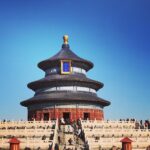
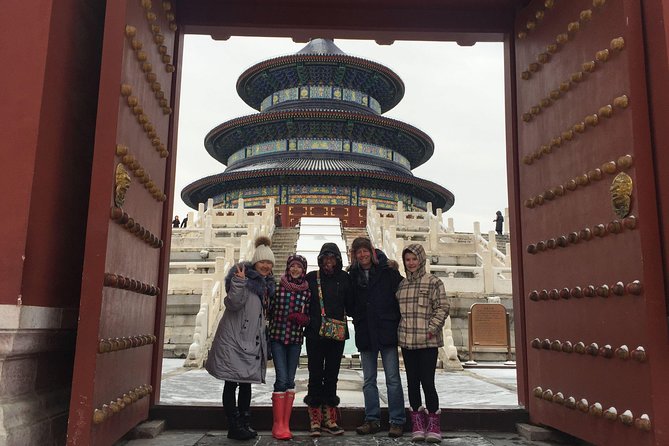
Next you’ll reach the Hall of Prayer for Good Harvests. This is the centerpiece many people come for, and it’s easy to see why.
A few specifics make it memorable:
- It’s a 15th-century structure with a circular design
- It’s described as being constructed without a single nail
- It has three blue-tile roofs
- The interior is ornate, and it’s the kind of space where explanations help a lot
Also, the guide will explain how emperors came here with the aim of securing good harvests. That ritual context turns your photos into something more than decoration.
One small drawback to know: because it’s a showpiece, you may want to watch how you position yourself for views inside and around the hall. The tour tempo helps here, but you’ll still want comfortable shoes and patience.
3) Danbi Bridge: the rules of who could walk where
Then comes the Danbi Bridge, a long raised walkway—360 meters—that was reserved for emperors. The main takeaway is the strict social hierarchy built into the physical space.
Even if you’re not a “bridge person,” the explanation matters. It’s a reminder that access here wasn’t equal. You’re walking the same path concept, but with modern freedom—so the guide’s context makes it feel sharper and more grounded.

4) Emperors’ Changing Room and the ceremonial pathway feel
As you move along the main route, you’ll pass features tied to the emperors’ preparations, including the Emperors’ Changing Room, where royals dressed for their prayers.
This is one of those stops that’s short on time but strong on meaning. It’s the human layer: not just worship as a statue, but worship as a process.
5) The 9-Dragon Juniper: a 500-year-old landmark
Another stop that adds texture is the 9-Dragon Juniper, described as a 500-year-old tree shaped like climbing dragons.
A tree shouldn’t be this interesting on paper, but here it works because it’s tied to the overall spiritual and symbolic world of the complex. If you’ve spent time in Beijing seeing historic architecture, this natural element is a nice change of pace and a good moment to slow down for a photo and a breath.
6) Imperial Vault of Heaven: the worship point during winter solstice
Now you reach the Imperial Vault of Heaven, where Ming- and Qing-era emperors worshipped heaven during the winter solstice.
This is also where the site’s “ceremony design” becomes clear. The vault pavilion holds the spiritual focus, while the surrounding elements reinforce that sense of enclosure and intention.
7) Echo Wall: why the area around the vault matters
You’ll also see the Echo Wall, which helped support the ritual setting. The explanation centers on its role in storing ceremonial tablets of “Heaven” and imperial ancestors—tablets that were moved here when not in use.
In plain terms: you’re learning how the site functioned day to day, not just during ceremonies. That detail makes the complex feel more operational and less like a single-event monument.
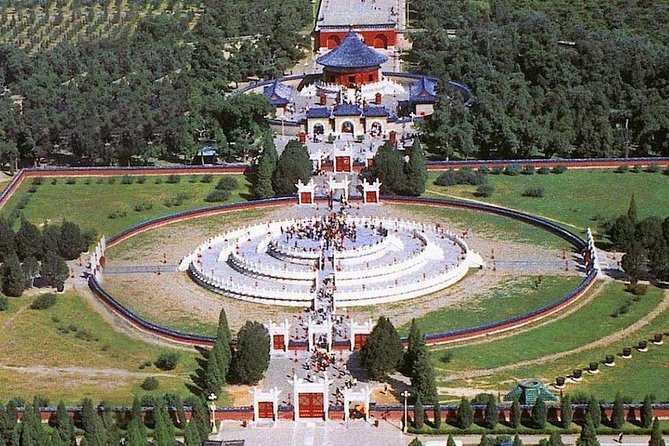
8) Yuanqiutan (Circular Mound Altar): the most sacred spot
Finally, you’ll end at the Circular Mound Altar (Yuanqiutan), described as the most sacred spot in the entire complex. Here, emperors carried out grand winter solstice rituals to worship the supreme god in imperial religion—the god of heaven.
This stop is longer (around 30 minutes), so you can take in both the structure and the meaning. It’s the best moment to ask questions like: why here, why this shape, and what was the emperor trying to accomplish symbolically?
After that, your tour concludes when your guide leaves you at the temple’s South Gate. You’ll still have the option to wander the rest of the grounds on your own if you want extra time.
Beijing elders in the park: what you’re really seeing
One of the best parts of this tour is not the monuments—it’s the people.
As you stroll the leafy park areas, you’ll see older residents performing morning exercises: dances and martial arts-style movements. Your guide will explain how this ties into retirement and daily life for older citizens in China.
The practical reason I like this add-on: it gives your brain a break from architectural symbolism. The temple is serious. The park is human. Put together, you get the full picture of why these spaces matter now, not just why they mattered centuries ago.
If you’re visiting in the morning, the energy can feel especially alive. Even if the weather changes, the daily routine aspect is a real part of the experience.
Value and logistics: $60 is only fair if the details land
At $60 per person, the biggest question is whether you get enough value for a short tour. Here’s why it can be worth it:
- It’s private, so you’re not competing with other groups for attention
- The tour includes entrance fees for the sites in your selected package
- Hotel pickup can be included depending on your meeting option
- You get a guide who’s actually explaining the meaning, not just pointing
Also, the booking pattern suggests good planning demand—on average it’s booked about 11 days in advance. That’s not shocking for a popular UNESCO site, especially when you want a private guide.
Mobile ticket is also a comfort feature. It reduces the friction of arrivals and lines.
Possible drawback: because it’s 1–2 hours, it’s not the best choice if your travel style is slow wandering, sketching, or deep reading. This is a “hit the core and understand it” tour. If you want a longer experience, plan your schedule so you’re free afterward to continue exploring.
Tips to make the walk feel smooth (and not exhausting)
You’ll get the most enjoyment if you treat it like a smart guided walk, not a race.
- Wear comfortable shoes. The complex has a lot of moving around, and you’ll want your feet to cooperate.
- Bring layers. The tour operates in all weather, and open-air sections don’t care about your plans.
- Ask about ritual meaning at key points like the Hall of Prayer and the Imperial Vault. Those explanations connect the architecture to the story.
- Use your free time after the tour if you want more photos or quieter corners. The guided route gives you the map; you can go back on your own.
If you care about learning pace, a private tour is helpful. A good guide can keep the tone relaxed—people like Ye Qing and Jimmy were specifically praised for friendliness and an easy rhythm with the schedule.
Who this tour suits best
This private Temple of Heaven tour is a strong fit if:
- you want a clear, structured introduction to the UNESCO complex
- you like history tied to real locations (bridges, halls, pathways), not just general facts
- you prefer a short visit that still feels meaningful
- you enjoy seeing how historic sites connect to everyday life through the morning park routines
It may be less ideal if:
- you want a long, wandering day (this is short by design)
- you want a deep museum-style education rather than a guided outdoor walk
- you’re comfortable navigating the entire complex on your own and don’t care about ritual context
Should you book? My practical take
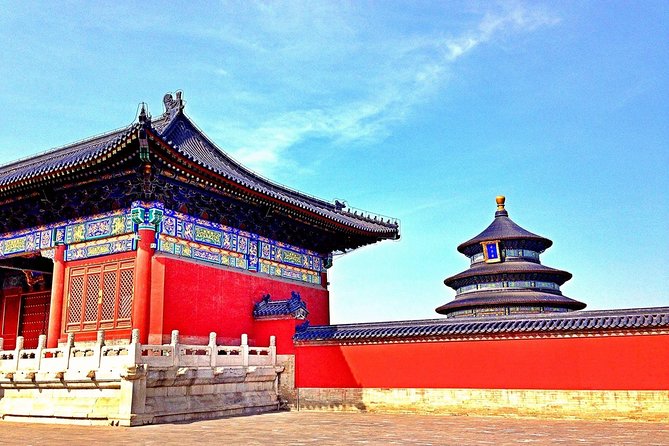
Book it if you want the Temple of Heaven to make sense quickly. The mix of imperial worship sites—Hall of Prayer for Good Harvests, Danbi Bridge, Echo Wall, Imperial Vault of Heaven, and the Circular Mound Altar—plus the lively park morning exercise scene is a great use of time. You’ll leave with a mental map and real reasons for what you saw.
Skip or upgrade your plan if you’re someone who needs hours to relax and roam without structure. This tour gives you the key parts fast and guides your attention to the details that matter most.
If you’re aiming for a high-quality first visit to Beijing’s Temple of Heaven, this private format is the kind of deal that pays off in understanding, not just photos.
FAQ
How long is the Temple of Heaven private tour?
It lasts about 1 to 2 hours, depending on the selected package and your pace.
Is this tour private or shared?
It’s private. Only your group participates.
Do I need to buy entrance tickets separately?
No. Entrance fees for the sites in your selected package are included.
Is hotel pickup included?
Pickup is offered, but whether it’s included depends on the package/meeting option you choose. Some packages meet at the East Gate, while others meet in your hotel lobby.
Where do I meet the guide?
The meeting point depends on your package. It can be the Temple of Heaven ticket office (South East area) or your hotel lobby for packages that include pickup.
What places are included besides the main temple buildings?
You’ll see major altar complex highlights such as the Hall of Prayer for Good Harvests, Danbi Bridge, Echo Wall, Imperial Vault of Heaven, and the Circular Mound Altar, plus the surrounding park areas.
Is the tour ticket digital?
Yes, it uses a mobile ticket.
Does the tour operate in bad weather?
Yes. It operates in all weather conditions, so dress appropriately.
Are meals included in the price?
No. Meals are not included.
What’s the cancellation policy like?
You can cancel for free up to 24 hours in advance for a full refund. If you cancel less than 24 hours before the start time, the amount paid is not refunded.