REVIEW · BEIJING
Beijing: National Art Museum of China Entry Reservation
Book on GetYourGuide →Operated by PANDA HAPPY JOURNEY IN CHINA · Bookable on GetYourGuide
One museum ticket can save real time in Beijing. With a pre-booked entry reservation for the National Art Museum of China, you can focus on art instead of ticket chaos. I like that the experience includes an English textual and visual guide, so you’re not stuck guessing what you’re looking at.
My other big win: you’ll get to see modern and contemporary Chinese art alongside traditional favorites like ink paintings, sculptures, and calligraphy. One thing to keep in mind is the visit is set for 2 hours, so you’ll want a plan for how much you can comfortably take in without rushing.
In This Review
- Key highlights you’ll actually use
- National Art Museum of China: a high-impact art stop in Beijing
- Timed entry and skip-the-line: why this matters more than it sounds
- The English guide: how to use it so it doesn’t turn into a paperweight
- Modern and contemporary Chinese art: exploring at your own pace
- Traditional ink, calligraphy, and sculpture: why the mix is the point
- Special exhibitions and events: how to spot what’s current during your visit
- Timing and pacing for a 2-hour museum visit
- Practical value: price, what you get, and what you don’t
- Quick practical notes before you go
- Should you book this NAMOC entry reservation?
- FAQ
- FAQ
- How long is the National Art Museum of China entry reservation experience?
- Does the ticket include an English guide?
- Is the ticket line skipped?
- What is the price per person?
- What do I need to bring for entry?
- Is wheelchair access available?
- Is it suitable for very young children?
- Can I cancel for a refund?
- Is there a pay-later option?
- Is smoking allowed?
- Are the entry times fixed?
Key highlights you’ll actually use
- Timed entry + skip-the-line helps you get inside without waiting in the ticket line
- English guide (textual and visual) makes art labels usable when your Chinese is limited
- Modern and contemporary collection plus traditional ink, calligraphy, and sculpture in the same visit
- Your pace, your route: you can spend longer where you’re most interested
- English access across the exhibits is included with the reservation, so it’s not an extra cost
- 2-hour window keeps this practical for day trips and busy itineraries
National Art Museum of China: a high-impact art stop in Beijing

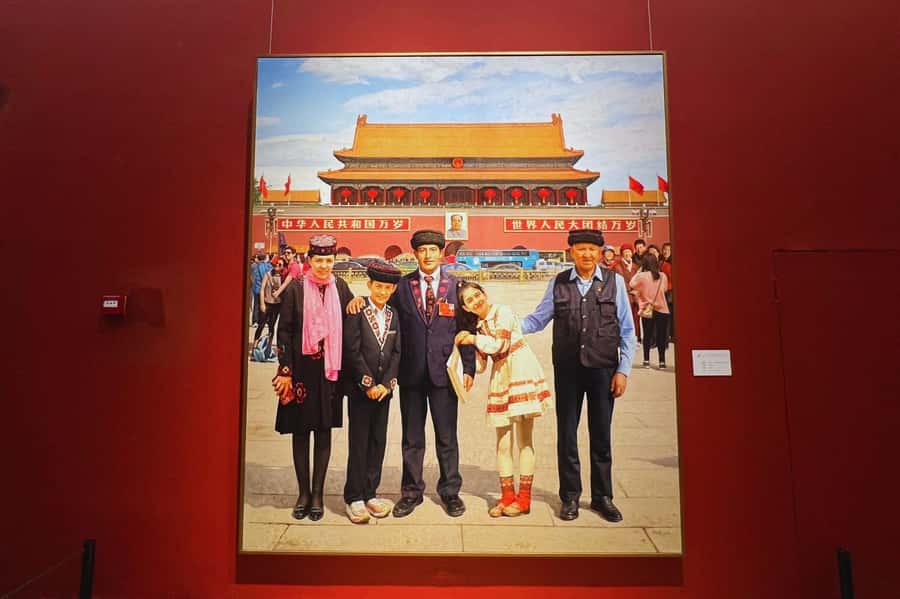
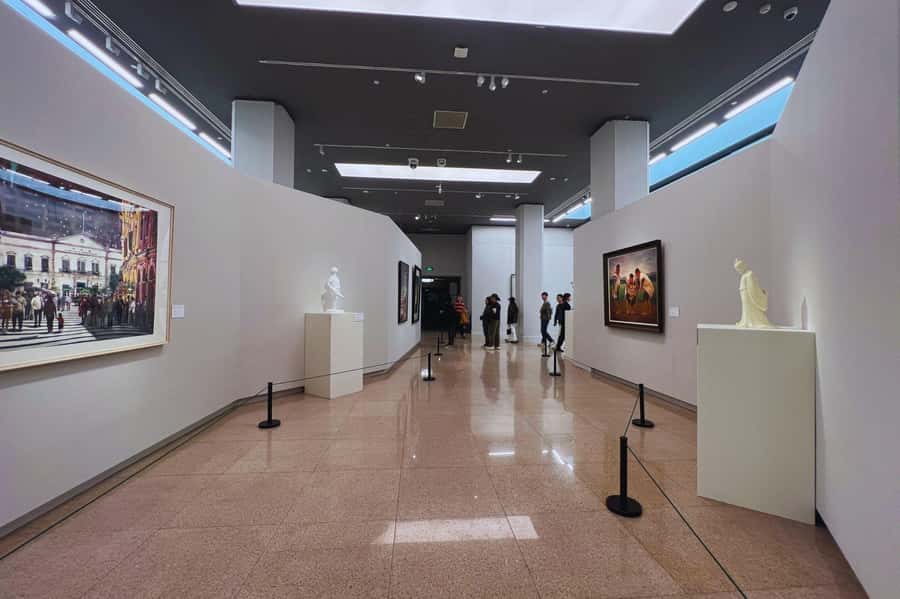
The National Art Museum of China (NAMOC) is one of Beijing’s top places for serious art viewing. The museum’s collection is huge, with over 100,000 pieces, spanning modern and contemporary Chinese art and traditional forms like ink paintings, sculptures, and calligraphy. If you’re the type who likes to compare eras and styles, this is a strong one-stop introduction to how Chinese artistic traditions have evolved over time.
The value of this experience is that it’s built for real visitor pacing. It’s not a guided lecture where you’re stuck in a group rhythm. It’s a self-paced entry with support. You get the entry reservation and an English guide, then you decide what to linger on and what to skim.
One more reason I think it’s worth your time: NAMOC also hosts special exhibitions and events regularly. Even if you keep your expectations simple, there’s a good chance your visit includes something current and different from what you’d see on a basic collection-only route.
You can also read our reviews of more museum experiences in Beijing



Timed entry and skip-the-line: why this matters more than it sounds
A lot of museum tickets in big cities promise convenience. This one actually lines up with how you’ll feel on the ground: you show up with a reservation and use it to enter. The practical payoff is that you’re not waiting in a ticket line when you could be looking at art.
Based on the experience feedback, redemption at the ticket office is straightforward. That matters, because museum entry is already stressful enough in a foreign language environment. With this setup, the goal is simple: get in smoothly, then spend your energy on viewing.
Plan around your scheduled entry time. The duration listed is 2 hours, and the activity notes that starting times depend on availability. So treat this as a timed museum visit, not an all-day wander. If you like to take photos, read slowly, and talk to yourself about what you’re seeing, you’ll still manage—just don’t expect unlimited flexibility once your entry slot starts.
The English guide: how to use it so it doesn’t turn into a paperweight
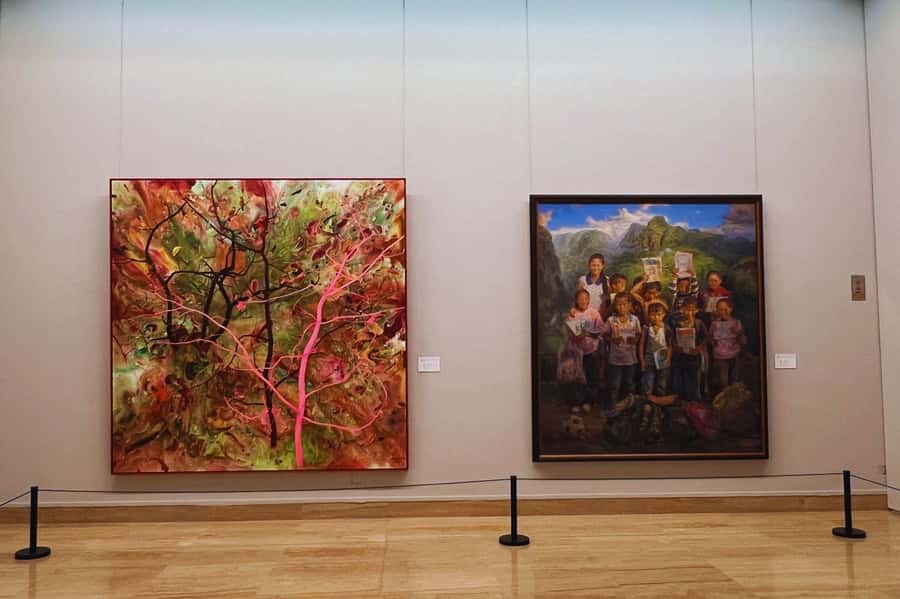
NAMOC includes an English version of the textual and visual guide with your reservation. That’s a big deal because art museum labels are where the meaning lives. Without translations, you can still enjoy visuals—but the story becomes a lot harder to follow.
Here’s how to make the guide work for you:
- Start with the guide for context, then switch to your eyes for a while. Don’t read every label like a textbook. Pick a few works that catch your attention and use the guide to understand what you’re looking at.
- When you spot a style you recognize (like ink painting techniques or calligraphy), use the guide to connect it to the broader theme of Chinese artistic evolution.
- If the museum has special exhibitions that day, use the guide to help you compare them to the main collection instead of treating them as random extras.
The overall effect you’re going for is confidence. You’ll spend less time wondering what the artwork is, and more time noticing the details you already like—brushwork, sculpture forms, composition, and how modern styles relate back to traditional roots.
Modern and contemporary Chinese art: exploring at your own pace
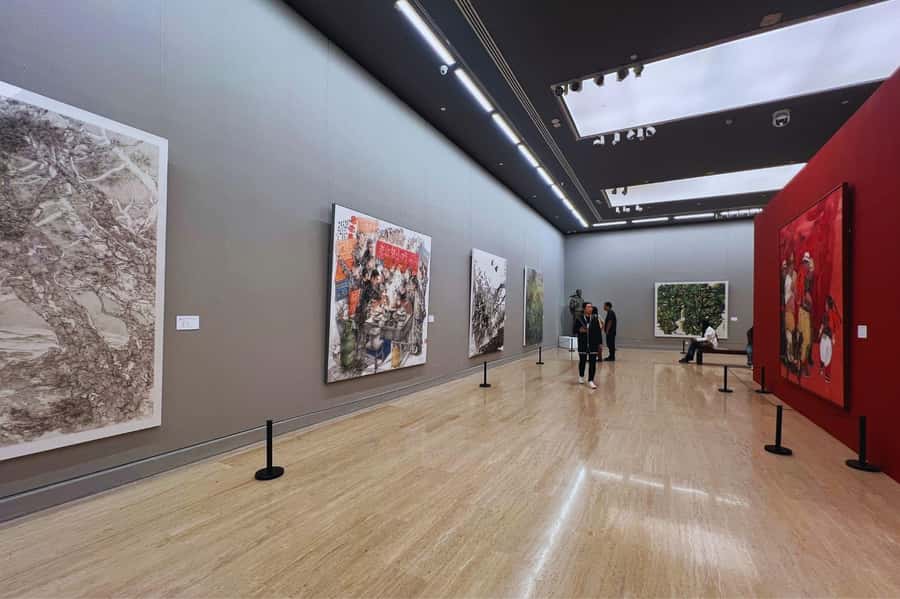
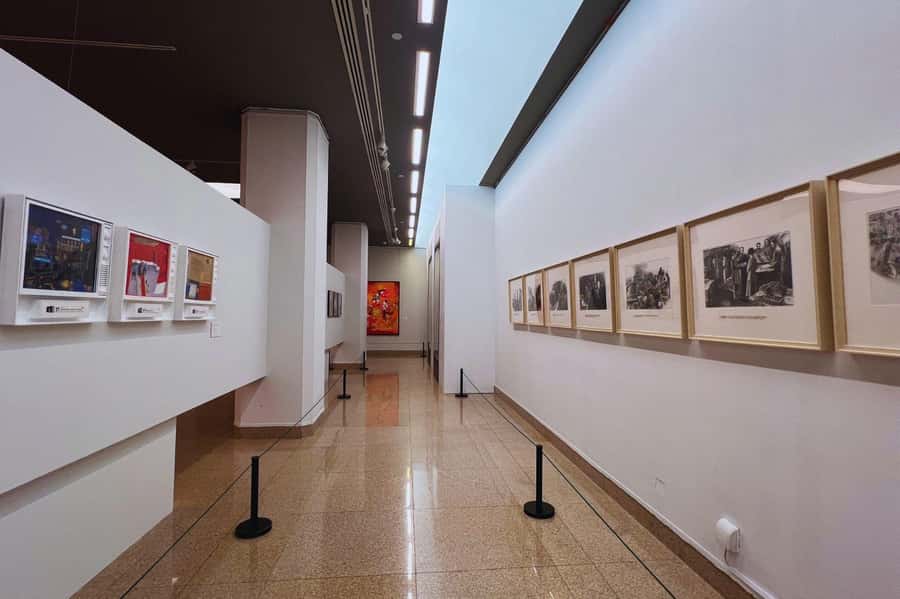
The museum’s focus includes modern and contemporary Chinese art, which can feel intimidating if you only know China through old-history stereotypes. The good news here is that your time is structured but not controlled. You can slow down for the works that speak to you and move on when something doesn’t.
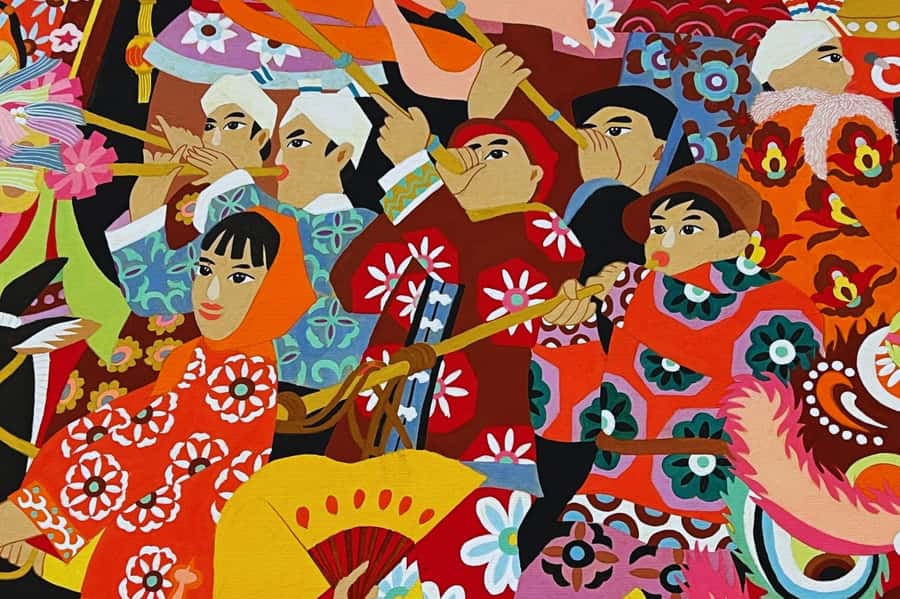
What makes this collection especially interesting is the range. You’ll encounter art that reflects changing politics, society, materials, and artistic experiments. Even if you don’t read every label, the guide helps you connect big ideas to specific works. That turns a visit from decoration-only sightseeing into actual understanding.
Don’t try to see everything. With a two-hour visit, you’ll get more satisfaction from a tighter route:
- Choose one section or theme to spend longer on.
- Pick a handful of representative works, not a checklist.
- Leave a little time at the end for surprises—one last room can become your favorite room.
This is also one of those experiences where “at your own pace” means you can match your mood. If you want to zoom through for an overview, you can. If you want to sit with one piece and read the context, you can do that too.
Traditional ink, calligraphy, and sculpture: why the mix is the point
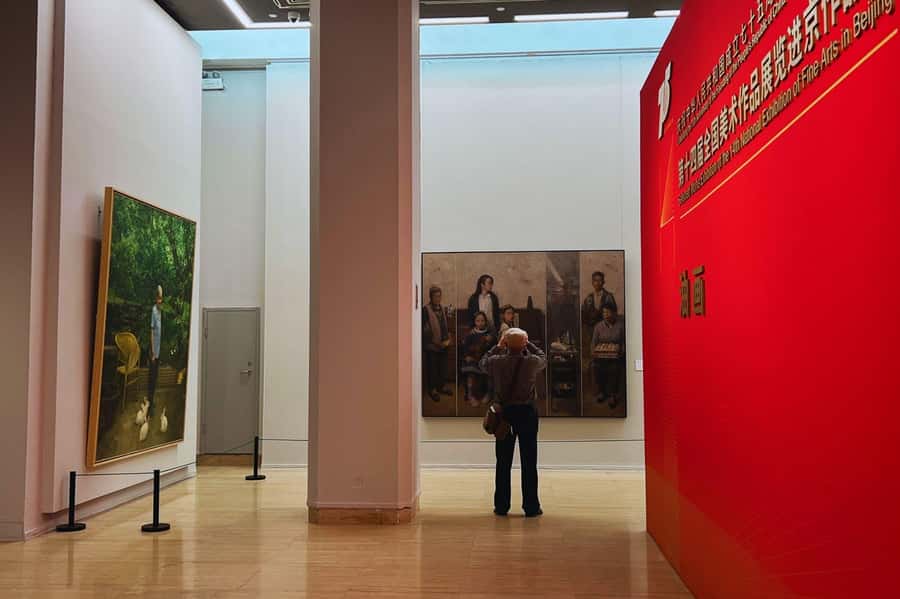
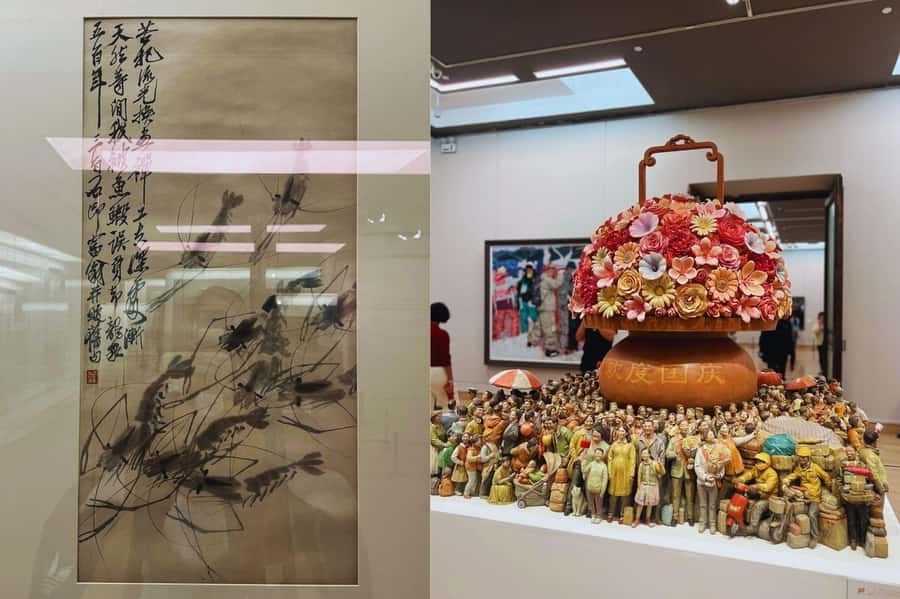
One of my favorite ways to understand a culture is through its art materials—what people made with their hands, and how styles changed as ideas changed. NAMOC lets you compare traditional ink paintings, calligraphy, and sculptures with modern and contemporary works in the same visit.
That mix is the real magic. Ink painting and calligraphy aren’t just old-fashioned decoration. They’re ways of thinking—about line, rhythm, balance, and meaning. When you see those alongside modern works, you start noticing continuities: how tradition influences new forms, and how artists reinterpret heritage instead of treating it like a museum object.
Here’s a practical tip: if you find yourself gravitating toward one traditional medium, use it as an anchor. Then, when you move into modern and contemporary galleries, keep checking whether the new works are responding to older techniques, themes, or aesthetics. That mental comparison makes the museum feel personal, not generic.




Special exhibitions and events: how to spot what’s current during your visit
NAMOC regularly hosts special exhibitions and events. That matters because it can change what you see from day to day, even when the permanent collection is constant.
Since this experience is self-paced, your best strategy is simple:
- When you enter, check for any exhibition notices or sections highlighted for that day.
- Use the included English guide to understand how the special programming connects to the broader themes of modern and contemporary Chinese art.
- If you see an exhibit that looks time-based or theme-based, give it a fair share of your two hours rather than treating it like an optional add-on.
This approach helps you avoid the common museum mistake: spending too long on one area because you got lost in the moment, then realizing you missed the best current display.
Timing and pacing for a 2-hour museum visit
A two-hour museum ticket can be either too short or just right. For NAMOC, it’s a workable window if you choose a sensible viewing rhythm.
Think of your time like this:
- First 15–25 minutes: get oriented with the guide and settle into a route.
- Middle 60–90 minutes: your main viewing focus. This is where you’ll get the most value from reading a few labels and really looking.
- Last 15–25 minutes: return for a second look at anything you liked—or catch a special exhibition if you spot one.
Because starting times depend on availability, aim to arrive with enough buffer so you’re not rushing at the beginning. Once your entry slot begins, you’ll enjoy the visit more if you don’t feel like you’re sprinting between rooms.
If you’re the type who wants to read everything, you may not finish everything in two hours. The good tradeoff is that you’ll likely remember the works you did spend time on, rather than forgetting a long list of places you skimmed.
Practical value: price, what you get, and what you don’t
This experience is listed at $6 per person and includes entry reservation plus the English textual and visual guide. For a major national museum in Beijing, that’s strong value on paper. The guide inclusion is especially important. Translation access costs extra in many travel setups, and here it’s part of the reservation.
What’s not included is simple: other personal expenses. So you’re mainly paying for entry and support to help you make sense of the art you’re viewing.
Also, this is a straightforward “ticket experience.” You’re not paying for a complex multi-stop itinerary. That can be ideal if you want a clean, focused museum visit without extra logistics.
Quick practical notes before you go
Bring an ID or passport. That’s the key document listed for entry.
Smoking is not allowed, so plan accordingly if you’re used to stepping outside for a quick break.
The visit is noted as wheelchair accessible, which is a helpful baseline if you’re traveling with mobility needs.
There’s also an age note: it’s not suitable for children under 2 years. If you’re traveling with very young kids, you’ll want to confirm whether this timed, self-paced museum format will work for your family.
Finally, the experience provider is listed as PANDA HAPPY JOURNEY IN CHINA. If you’re keeping everything organized, save your reservation details so redemption at the ticket office goes smoothly.
Should you book this NAMOC entry reservation?
Book this if you want a focused, modern-art-and-tradition museum experience in Beijing without spending time stuck in ticket lines. The included English textual and visual guide is what turns this from simple sightseeing into something you can understand as you go. At $6 with a timed 2-hour visit, it’s also a low-risk way to add a top museum to a packed itinerary.
Skip booking only if you need an all-day museum plan, because the time window is built around a short visit. Also, if you prefer a guided talk that covers art themes in detail, this format is self-paced, so you’ll be doing more of your own interpretive work with the help of the English guide.
FAQ
FAQ
How long is the National Art Museum of China entry reservation experience?
The duration is listed as 2 hours, and you should check availability to see starting times.
Does the ticket include an English guide?
Yes. The entry reservation includes an English version of the textual and visual guide.
Is the ticket line skipped?
Yes. The entry reservation is described as helping you skip the ticket line.
What is the price per person?
The price is listed as $6 per person.
What do I need to bring for entry?
You should bring a passport or ID card.
Is wheelchair access available?
Yes, the activity is listed as wheelchair accessible.
Is it suitable for very young children?
It is not suitable for children under 2 years.
Can I cancel for a refund?
Yes. Free cancellation is listed, and you can cancel up to 24 hours in advance for a full refund.
Is there a pay-later option?
Yes. The listing says Reserve now & pay later, meaning you can reserve your spot and pay nothing today.
Is smoking allowed?
No. Smoking is listed as not allowed.
Are the entry times fixed?
Entry duration is 2 hours, and starting times depend on availability, so you’ll need to check the schedule when booking.