REVIEW · BEIJING
Beijing: Prince Kung’s Palace Museum Ticket—Must-See Spot
Book on GetYourGuide →Operated by PANDA HAPPY JOURNEY IN CHINA · Bookable on GetYourGuide
A Qing palace worth a slow stroll. Prince Kung’s Palace Museum is one of Beijing’s best ways to see how power looked up close, with a skip-the-line ticket and an English PDF guide that helps you move through halls, courtyards, and gardens without guessing.
I love how this is a real Qing-era prince’s mansion (not a dressed-up set), and the garden and water features give you a calmer pace than you might expect in a big city. The one catch: go too late and it gets crowded fast after 11:00, so views and photos can feel rushed.
In This Review
- Key things to know before you go
- Prince Gong’s Palace Museum: Why This Qing Palace Feels Different
- What Your Ticket Includes (and What It Doesn’t)
- How Long to Plan: Realistic Time for a Big Mansion
- Walking the Grounds: Halls, Courtyards, and the He Shen Connection
- Gardens and Feng Shui Water Features: A Built-In Reset
- Using the English PDF Guide to Find the Best Stops
- The Evening Option: Light Show and Cultural Performance
- Pairing It With Other Beijing Stops: Shichahai and Drum Tower
- Price and Value: What You Get for About $20
- Who This Fits Best (and Who Might Want Another Option)
- Should You Book This Ticket for Prince Gong’s Palace Museum?
- FAQ
- How much is the Prince Kung’s Palace Museum ticket?
- How long does this experience take?
- What’s included with the ticket?
- Is there a live tour guide included?
- Is an audio guide included?
- Is this visit self-guided?
- Can I skip the ticket line?
- What should I bring for entry?
- Is there crowding later in the day?
- Is there an evening show?
Key things to know before you go
- Skip-the-line entry so you spend more time inside and less time in queues.
- English PDF guide included, built to point you toward major halls, gardens, and artifacts.
- The scale matters: this is the largest Qing Dynasty prince’s mansion in Beijing, so plan real time.
- Photography-friendly layout, with pavilions, rockeries, and water features shaped by traditional feng shui ideas.
- Evening light show and cultural performance if your schedule stretches into the night.
- Crowd timing is real: late morning and afternoon can get packed enough to affect what you see.
Prince Gong’s Palace Museum: Why This Qing Palace Feels Different
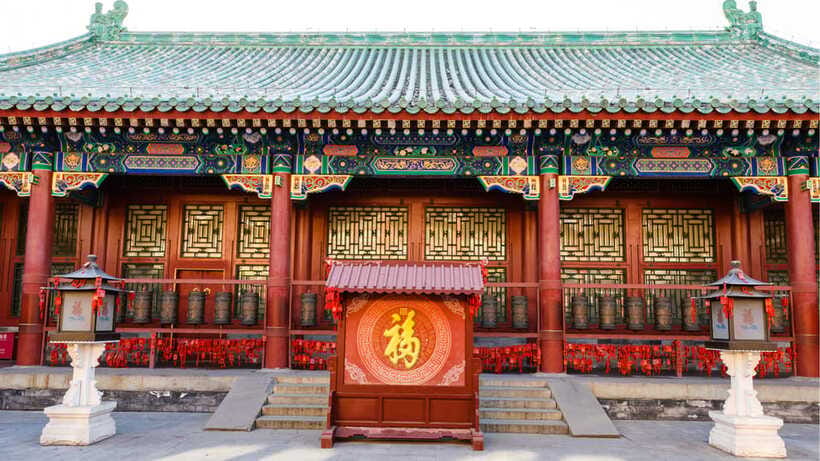
Beijing’s best palace visits aren’t just about big gates and famous names. What I like about Prince Kung’s Palace Museum is that it feels like the residence of actual people who lived day to day inside the rhythms of court life.
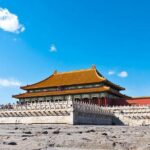
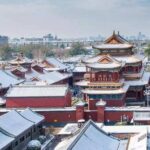
This mansion is tied to the late Qing era world of elite households, and it’s often described as a huge chunk of Qing history in one place. You’re looking at the largest Qing Dynasty prince’s mansion in Beijing, built in the late 18th century, during a time when the scale of a home could signal rank, influence, and taste.
And unlike some stops where you spend most of your time reading signs from behind a crowd, this one rewards slow walking. The layout gives you little pauses: a courtyard that opens the scene, a hallway that funnels you forward, then a garden that forces your pace down again.
You can also read our reviews of more tours and experiences in Beijing

What Your Ticket Includes (and What It Doesn’t)
Your ticket is simple and practical: entry to Prince Kung’s Palace Museum plus an English PDF guidebook. That guide is the backbone of the experience because there’s no live guide included and no audio guide included.
Here’s what that means for you:
- You’ll enjoy it most if you like self-guided exploration.
- The PDF helps you decide where to look first, what to notice, and what’s worth your time once you’re standing in front of it.
- If you’re the kind of traveler who wants someone to translate the symbolism and history out loud, you may miss that piece since a live tour guide isn’t part of this ticket.
The good news: this palace is laid out in a way where being self-guided actually works. You don’t need constant narration to appreciate the architecture, the courtyards, and the preserved rooms.
How Long to Plan: Realistic Time for a Big Mansion
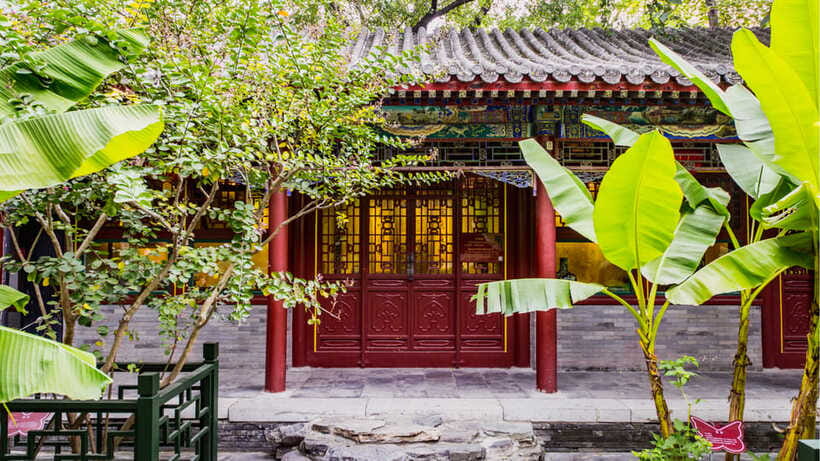
Even with a skip-the-line ticket, this isn’t a “quick stop.” Some people find it takes at least 2 hours, and if you want photos, garden time, and a few slower stops in the main halls, you’ll likely run longer.
You also need to think about timing because crowds change the feel of the visit. A clear piece of advice: go earlier if you can. After 11:00, it can get overcrowded to the point where you struggle to see clearly.
So I suggest planning like this:
- If you want calm and cleaner sightlines, aim for early.
- If you’re pairing it with other Beijing sights (like the Forbidden City), give yourself breathing room so you don’t end up sprinting from one palace to the next.
Walking the Grounds: Halls, Courtyards, and the He Shen Connection
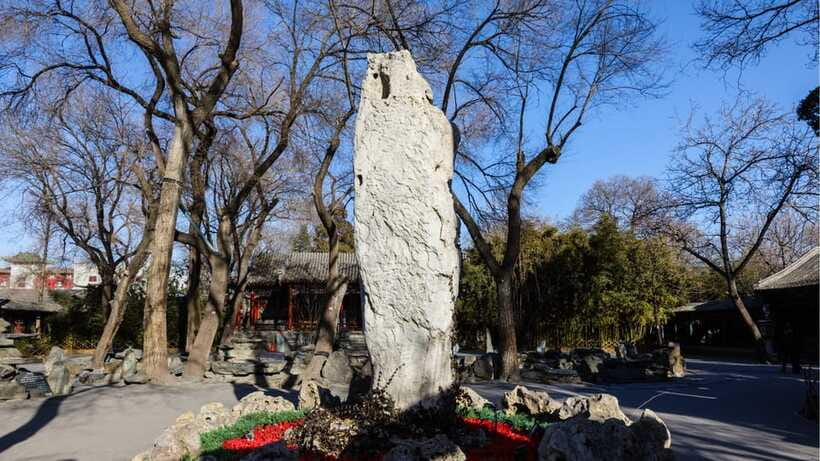
The mansion’s story starts with the way it was shaped by power. Built in the late 18th century, Prince Kung’s Palace Museum was once the lavish home of He Shen, the influential minister connected with Emperor Qianlong’s era.
Even if you don’t memorize names, you’ll feel the status in the architecture:
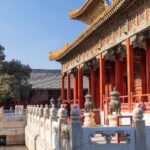
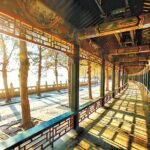
- Courtyards that work like outdoor rooms
- Corridors that guide you through visual “chapters”
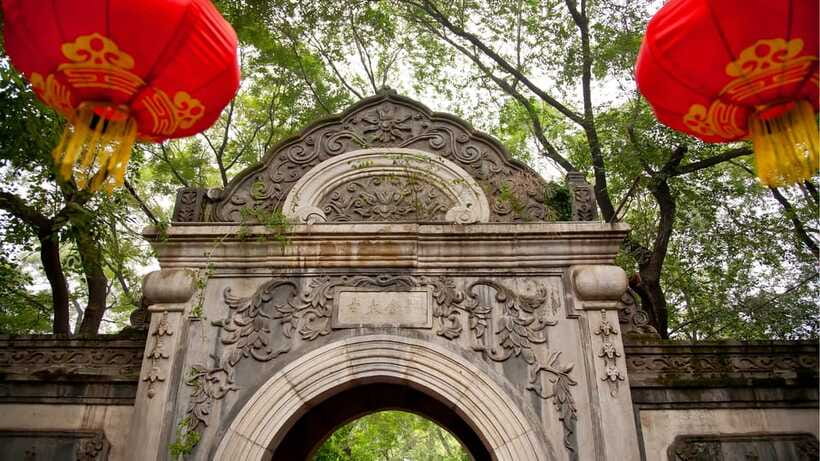
- Pavilions and framed views that make you stop without anyone telling you to
As you walk, you’ll see the elite lifestyle reflected in the preserved layout—where you’d expect reception spaces, daily-use areas, and ceremonial moments all feel physically separated, not just described on a sign.
One practical tip: don’t rush from hall to hall. Spend a few minutes letting each space “make sense” in your head. The palace has a rhythm, and once you catch it, the whole visit becomes easier to enjoy.
Gardens and Feng Shui Water Features: A Built-In Reset
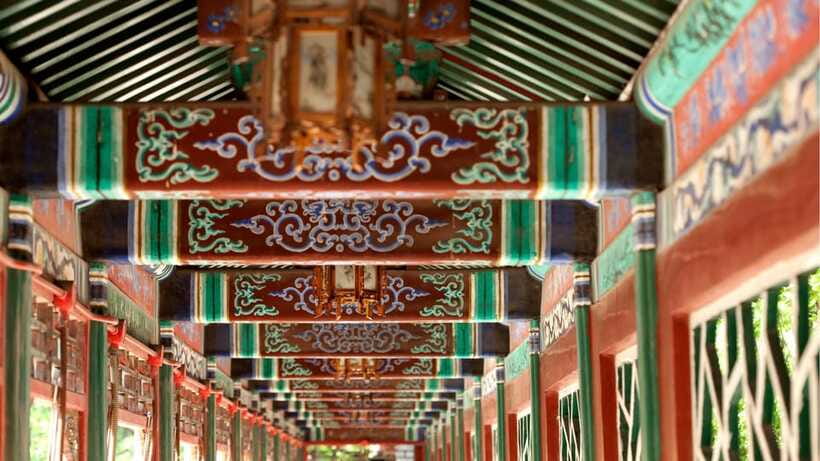
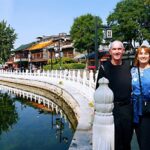
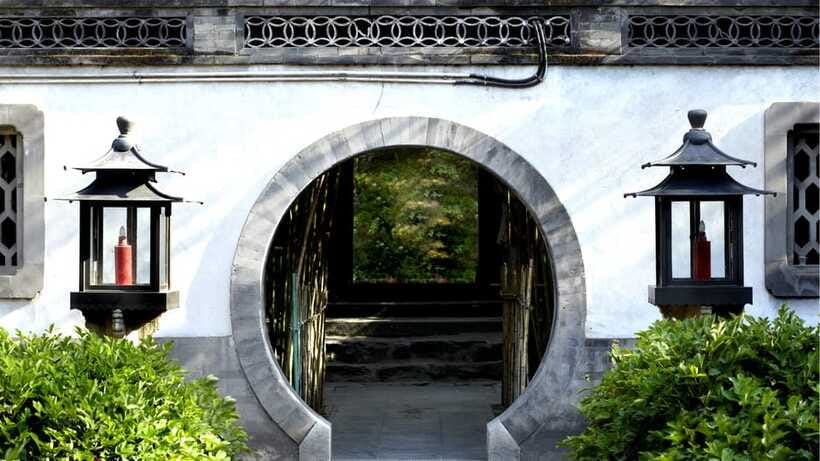
A big reason this palace visit works as a full experience is the garden portion. The grounds include traditional-style elements—rockeries, pavilions, and serene water features—and they’re tied to traditional feng shui principles.
What you should expect from that, practically:
- The garden gives you cooler air and more visual break after indoor rooms.
- It’s where you can slow down and observe details without feeling trapped in a line.
- It’s also excellent for photography because there are lots of angles: framed buildings, curved rock forms, and reflections in water features.
This is a nice change of pace compared to the more intense palace-energy you might get at the Forbidden City. You still get the grandeur, but here you also get space to breathe.
You can also read our reviews of more museum experiences in Beijing

Using the English PDF Guide to Find the Best Stops
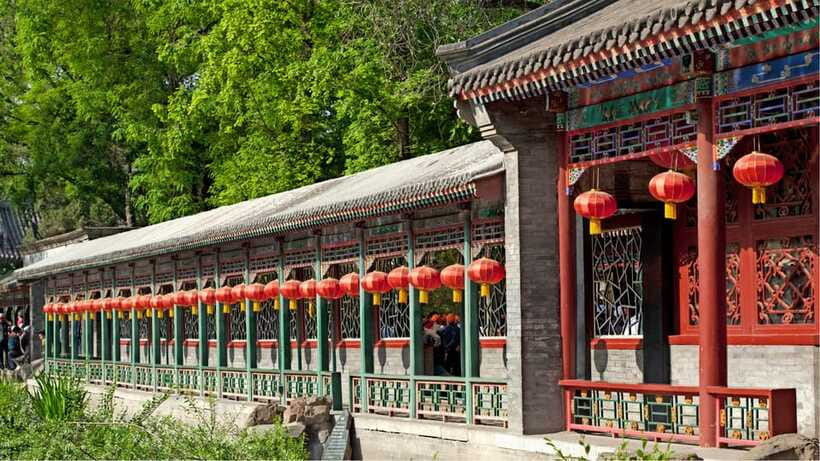
The included English PDF guidebook is what makes this ticket feel smarter than a standard admission.
You’re not just getting directions. The guide is designed to highlight:
- Must-see halls
- Garden and courtyard areas
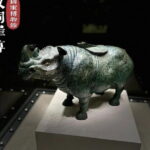
- Historical artifacts connected to the Qing-era story
- Insider tips that help you avoid the most time-wasting moments
Because you don’t have a live guide or audio narration, the PDF becomes your “quiet guide on your phone.” I’d treat it like a shortlist:
- Skim before you start, then pick 3–5 places you definitely want.
- Once you’re in the palace, use the PDF to help you notice what matters, not just what’s photographed online.
If you’re the type who likes to wander but also hates feeling lost, this guide is a great middle ground.
The Evening Option: Light Show and Cultural Performance
Prince Kung’s Palace Museum also offers an evening light show and cultural performance. This is a big plus if you want your day in Beijing to include something more sensory than just architecture.
Two things to keep in mind:
- Evening can change the crowd mood. In particular, it can get busy later in the day.
- If you already had a long day of sightseeing, the performance is a good way to switch gears without adding another major walking circuit.
If you’re planning around both daytime exploration and the evening show, give yourself a buffer. Don’t schedule it so tightly that you feel you have to choose between enjoying the garden and catching the show.
Pairing It With Other Beijing Stops: Shichahai and Drum Tower
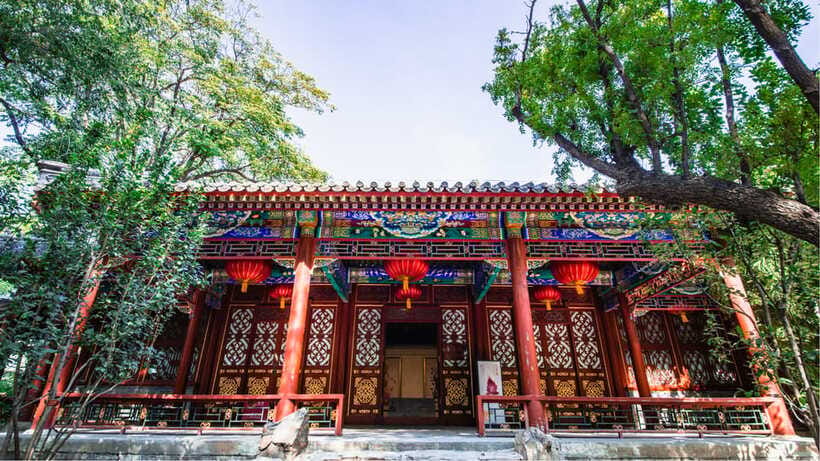
One reason Prince Kung’s Palace Museum is a smart choice is how it fits with other central sights. I like the fact that it can connect naturally with nearby walking and transit plans.
For example, there’s a scenic walk option from Shichahai metro station. You can walk through a pleasant route and also see the Drum Tower along the way. Even if you don’t plan every stop, it helps to know that the area isn’t just isolated “palace land.” It’s part of a broader sightseeing day.
It’s also a good palace alternative if you want something less exhausting than the Forbidden City. Same general theme—Qing and imperial-era Beijing—but a more manageable scale and easier navigation.
Price and Value: What You Get for About $20
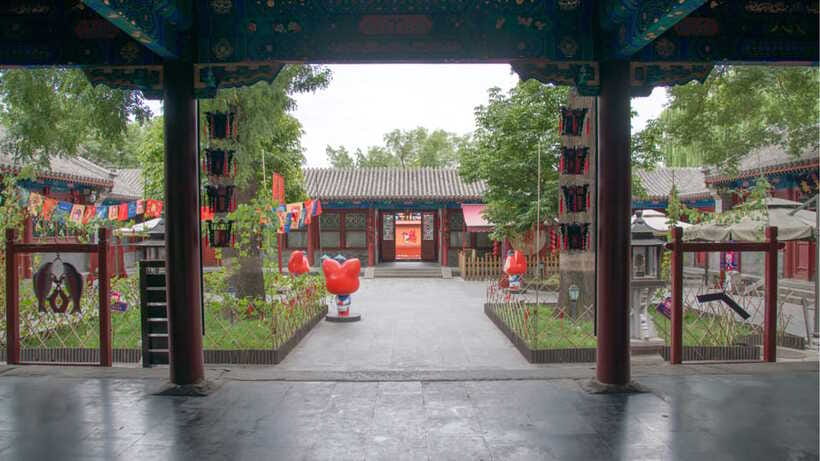
At about $20 per person, the value is strongest if you use what’s included. Your payment covers:
- Museum entry
- An English PDF guidebook
- Skip-the-line access
That skip-the-line piece matters more than it sounds. Palace tickets in Beijing can be time-consuming, and time is one of your most expensive currencies.
The ticket is also strong for independent travelers because you’re not paying for a live guide you might not use. If you like to go at your own pace and you’re willing to read a PDF while you walk, the cost-to-time ratio is pretty good.
If you want live interpretation from a guide, this one may feel “incomplete” since a live tour guide and an audio guide are not included. In that case, you might still enjoy the palace, but you’ll probably want to add your own background reading or translation help before you arrive.
Who This Fits Best (and Who Might Want Another Option)
This experience is a great match if you:
- Love architectural details and courtyard planning
- Enjoy self-guided museum days
- Want a palace that’s big, but not as punishing as some all-day mega-sights
- Care about gardens and photography opportunities, not just indoor halls
- Prefer flexible pacing over group schedules
It’s not ideal if you:
- Need a live guide to explain history and symbolism step-by-step
- Rely on an audio guide for interpretation
- Are trying to do everything on a tight timetable after 11:00, when crowds can make viewing harder
Should You Book This Ticket for Prince Gong’s Palace Museum?
I’d book this ticket if you want a high-impact Beijing palace day with a calmer, self-paced feel. The included English PDF guide and skip-the-line entry make it efficient, and the palace grounds—especially the garden with water features and feng shui design ideas—give your visit a nice rhythm.
If you’re planning your schedule, treat timing like a feature, not an afterthought. Go earlier when you can, and if you want the evening light show and performance, plan extra breathing room so you’re not rushing through the best parts.
If you’re choosing between this palace and a more famous one, I’d still say Prince Kung’s Palace Museum is worth your time on its own. It’s easier to navigate, more relaxed to photograph, and it tells a Qing-era story you can actually walk through.
FAQ
How much is the Prince Kung’s Palace Museum ticket?
The price is listed as $20 per person.
How long does this experience take?
It’s listed as 1 day. Check availability for starting times.
What’s included with the ticket?
The ticket includes entry to Prince Kung’s Palace Museum and an English PDF guidebook.
Is there a live tour guide included?
No. A live tour guide is not included.
Is an audio guide included?
No. An audio guide is not included.
Is this visit self-guided?
Yes. You can choose flexible options between self-guided or guided tours, and the included guidebook supports self-paced exploring.
Can I skip the ticket line?
Yes. The experience includes skip-the-ticket-line access.
What should I bring for entry?
Bring your passport or ID card.
Is there crowding later in the day?
Yes. After 11:00 the palace can get overcrowded, and it can be hard to see properly.
Is there an evening show?
Yes. There’s a light show and a cultural performance for an evening option.