REVIEW · BEIJING
Beijing lama Temple Or Confucius Temple Tickets Reservation
Book on GetYourGuide →Operated by Private China Trips · Bookable on GetYourGuide
Beijing’s temples feel like another planet. The smart part here is how the QR-code ticketing lines up with your route—Lama Temple first, then a short walk to Confucius Temple. I like that the Lama Temple ticket includes the first entrance charge, and I like that you can plan ahead so you’re not stuck waiting in big lines. The one drawback to consider: without an included English-speaking guide, you’ll enjoy it more if you do a little reading first.
I also appreciate the practical setup: you provide your passport details and a contact trail, then the local supplier sends your QR codes directly by email, mobile, and WhatsApp. That means less fumbling on-site and fewer chances to miss the correct entrance process. The experience is mostly self-guided, so your results depend on how much you want to understand while you walk.
Here’s the planning reality: this works best if you’re okay with scanning tickets at entrances and navigating on your own. If you prefer a guide to explain symbols, legends, and layout, you’ll likely want the optional guided upgrade.
In This Review
- Key Highlights You’ll Actually Care About
- Price and Ticket Value: Is $16 Worth It?
- Lama Temple vs Confucius Temple: Two Different Temple Moods
- Getting There: Subway Line 5 Exit F and a Simple Cab Option
- QR Code Entry: What You Must Provide Before You Go
- Inside Beijing Lama Temple: Three Pagodas and the Three Buddhas
- The Confucius Temple Walk: Central Axis Design and Learning Symbols
- How Long Should You Plan for: 2 to 11 Hours (and Why It Varies)
- What’s Included vs Not Included: Avoid Surprise Friction
- Who This Works Best For
- Should You Book This QR Ticket Reservation?
- FAQ
- What temples are included in the ticket package?
- What details do I need to provide when booking?
- How do I get my tickets?
- How do I get to Lama Temple using public transport?
- Can I visit Confucius Temple after Lama Temple?
- Is it refundable if my plans change?
Key Highlights You’ll Actually Care About
- Pre-booked QR codes sent to your email, mobile, and WhatsApp, ready to scan at the entrance
- Skip some crowd pain by reserving in advance, instead of hoping for walk-up availability
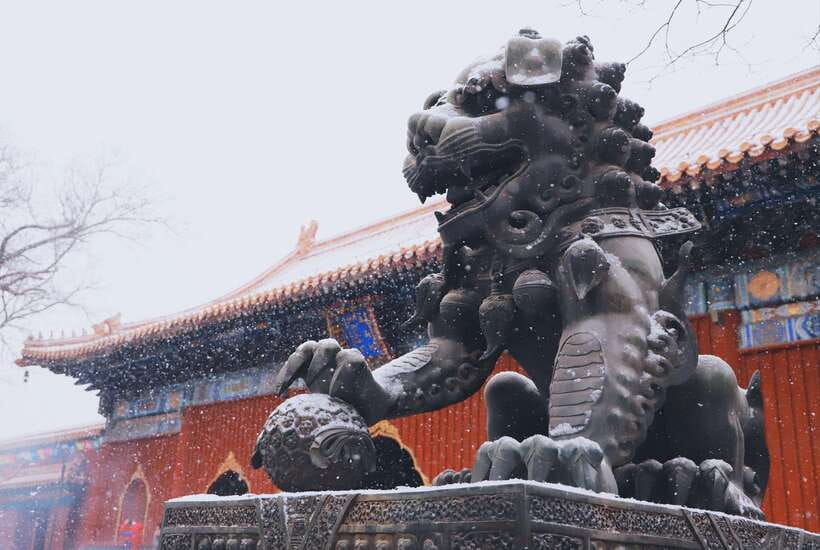
- Lama Temple layout detail: three pagodas, five grand halls, and the Three Buddhas in the main hall
- Confucius Temple design logic: central axis, symmetrical buildings, and three courtyards
- Efficient route: after Lama Temple, you walk out and can scan another QR code for Confucius Temple
- Optional guided upgrade if you want more historical context
Price and Ticket Value: Is $16 Worth It?
At about $16 per person, this is one of those ticket setups that’s mostly about reducing hassle. You’re not paying for a full guided day inside an air-conditioned tour bus. You’re paying for reserved entry help and smoother arrival.
Here’s the value math as I see it:
- Included: Lama Temple tickets only (and a booking service charge).
- Not included: Confucius Temple ticket, lunch, an English-speaking guide, transfers, and tipping (which is recommended).
- Optional: you may be able to add an upgraded guided version for stronger historical highlights.
So, the deal is strongest if:
- You mainly want to visit Lama Temple with less uncertainty.
- You’re comfortable handling entrances and walking between sites.
- You’re okay paying separately for Confucius Temple if that’s not included in your specific option.
If you want both temples and don’t plan ahead, costs can creep up. If you’re planning well, it stays reasonable for two major cultural stops.
You can also read our reviews of more tours and experiences in Beijing



Lama Temple vs Confucius Temple: Two Different Temple Moods
These two sites feel like they belong to different worlds, even though they’re close enough to combine.
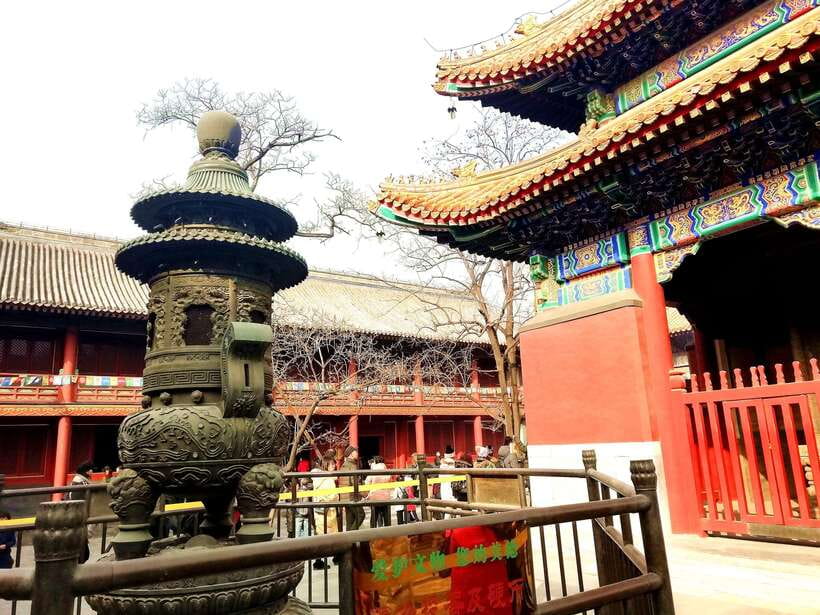
Lama Temple (Yonghegong) leans visual and spiritual. The big draw is the temple complex’s layout: it has a complete architectural system connected to Brahma Gyalan, built around three pagodas and five grand halls. The architectural styles also reflect different cultural influences, including Han, Manchu, and Mongolian traditions. It’s not just pretty; it’s structured like a statement.
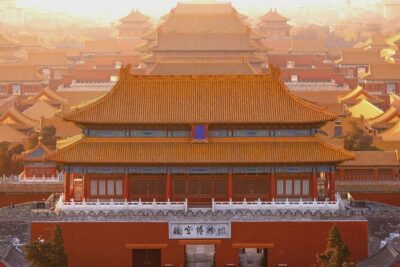
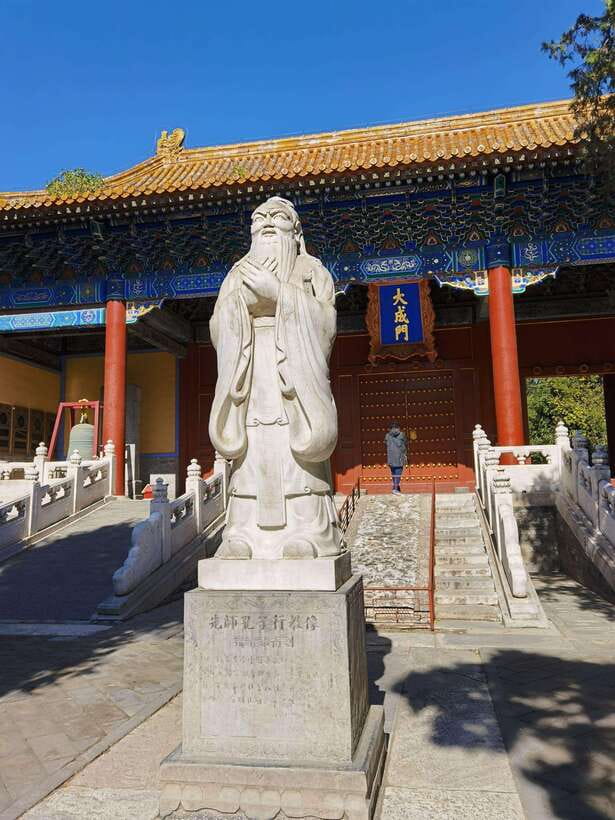
Confucius Temple is more symmetrical and civic in feel. It uses a classic Chinese layout: buildings line up along a central axis, mirrored left and right, and arranged in three courtyards. Expect yellow glazed tiles and a formal sense of order.
The contrast helps your brain. Lama Temple gives you layered religious symbolism. Confucius Temple gives you the feeling of a cultural institution built to teach, rank, and preserve learning.
Getting There: Subway Line 5 Exit F and a Simple Cab Option
Your easiest way in is public transit:
- Take Subway Line 5
- Get off at the Lama Temple station, exit “F”
- Walk about 5 minutes to reach Lama Temple
If you prefer door-to-door convenience, a cab works too. The key is what happens at the gate: you’ll scan your QR code at the entrance to enter the scenic spot.
Practical tip: plan to have your phone ready with the QR code screen. If your battery is low, bring a small charger. It’s a tiny thing that saves stress.
QR Code Entry: What You Must Provide Before You Go
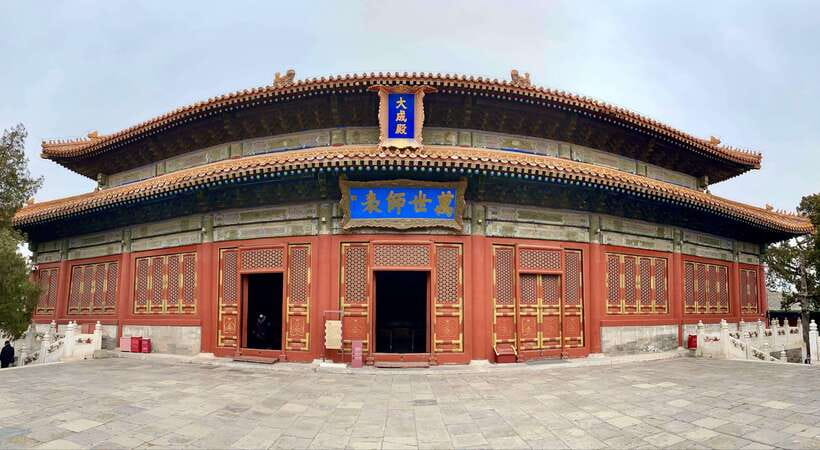
This is not a “just show up and buy tickets” situation. Before booking, you’ll need to give the supplier:
- Passport name
- Passport number
- Date of birth
- Email address
- Mobile number
- WhatsApp number
After that, your QR codes are sent directly to you by email, mobile, and WhatsApp.
Why this matters: in many China sightseeing spots, the ticket system is tied to visitor identity. If you skip the details or enter them incorrectly, it can slow you down at the entrance. Do it carefully once, then forget about it.
Also note:
- Bring your passport.
- Pets aren’t allowed.
- This option is marked not suitable for pregnant women.
Inside Beijing Lama Temple: Three Pagodas and the Three Buddhas
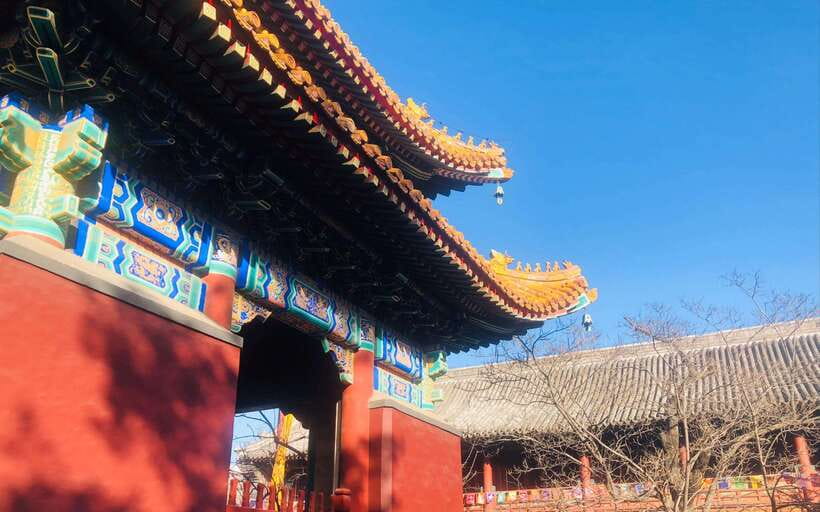
Lama Temple is usually the star stop on any pairing, and the structure backs that up.
The complex includes:
- Three exquisite pagodas
- Five grand halls
- Architectural influences from Han, Manchu, and Mongolian cultures
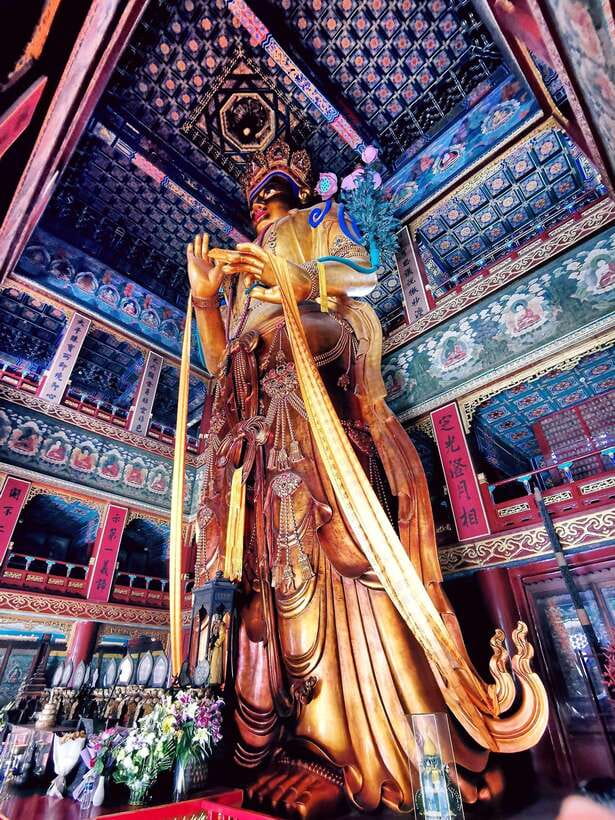
The main hall centers on the statue of the Three Buddhas, symbolizing the past, present, and future. Even if you’re not fluent in the religious meaning, you’ll notice the symbolism is built into the space.
How to enjoy it more, even without an included guide:
- Look for how buildings and halls lead you from one area to the next. The layout is a key part of what you’re paying for.
- Spend extra time in the main hall area. That’s where the Three Buddhas theme is most direct.
- If you’ve never seen this kind of temple layout before, it helps to read a short overview beforehand. Otherwise, it can feel like you’re photographing while everyone else knows the story.
One consideration: since this is primarily self-guided, your experience will be deeper if you bring at least a basic sense of what you’re looking at. The sites are meaningful, but you have to do part of the connecting.


The Confucius Temple Walk: Central Axis Design and Learning Symbols
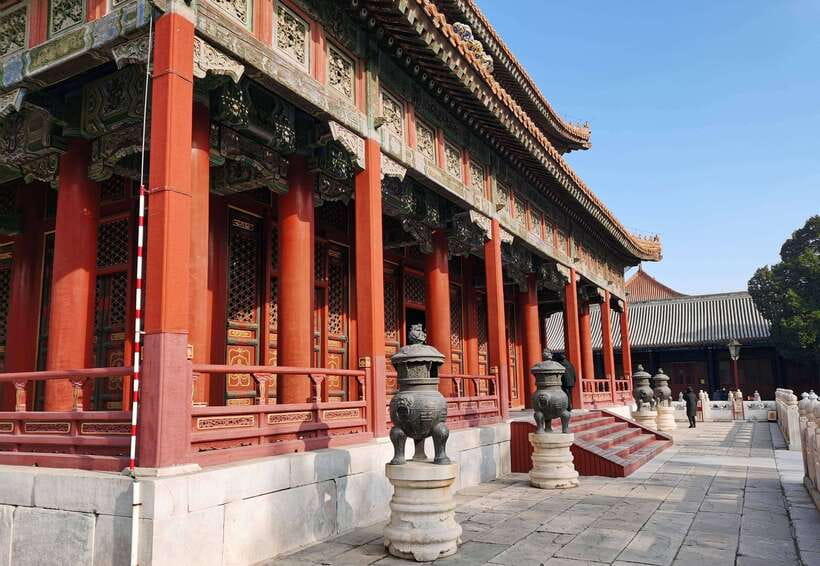
After Lama Temple, you leave and walk for about 3 minutes, then you can scan another QR code at the entrance of Beijing Confucius Temple for your visit.
This temple’s layout is classic and intentionally ordered:
- Buildings are aligned along a central axis
- The left and right sides are symmetrical
- The plan uses three courtyards
On the central axis, from south to north, the buildings are:
- Sifu Gate
- Dacheng Gate
- Dacheng Hall
- Chongsheng Gate
- Chongsheng Shrine
And yes, you’ll see yellow glazed tiles on the main buildings. It’s one of those details that makes the whole place feel official and historic.
Don’t miss the monument of the title of the scholar. It has important historical and cultural value and provides precious documents for studying the imperial examination system in ancient China. If you’re even mildly interested in how education and status worked in traditional China, this is one of the most “thinky” parts of the whole day.
How Long Should You Plan for: 2 to 11 Hours (and Why It Varies)
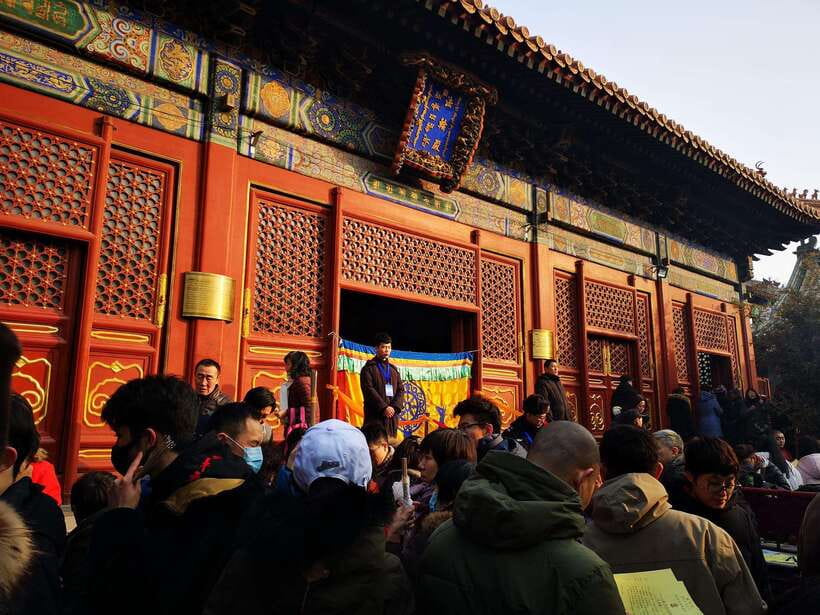
The duration can range from 2 to 11 hours depending on the option and how long you spend.
Here’s a realistic way to think about timing:
- If you focus mostly on Lama Temple and don’t linger too long, it can be closer to the shorter end.
- If you do both temples and take time to walk slowly and read what you can, you’ll likely stretch toward the longer end.
Also, factor in the fact that you’re self-guided. When you’re scanning QR codes and navigating entrances, you’ll move at your own pace. That’s good for flexibility, but it means you should plan extra time if you want to absorb the meaning rather than just move through.
What’s Included vs Not Included: Avoid Surprise Friction
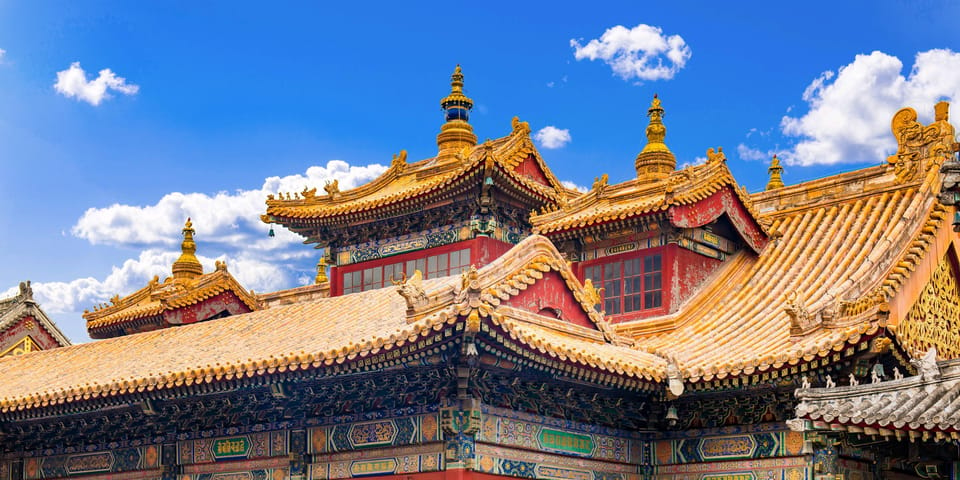
Here’s the clean breakdown based on what the ticket package covers:
Included
- Lama Temple tickets only (plus booking service charge)
Not included
- Confucius Temple ticket
- Lunch
- English-speaking guide
- Private car transfers
- Hotel transfers
- Tipping (highly recommended)
- Souvenir photos (available for purchase)
So if you want a smoother, more explanatory day, you’ll likely need one of these:
- Add the optional upgraded guided trip (if available in your booking option).
- Or bring your own context (short notes on a phone, a guidebook section, or a quick pre-read).
That one missing piece—guided explanation—shows up in real life. Without it, you’ll still see beautiful spaces. But you might not connect the dots as fast.
Who This Works Best For

This reservation setup is a strong fit if you:
- Want reserved entry help more than a full guided tour
- Like temples and appreciate architecture and symbolism
- Are comfortable using public transit (Subway Line 5, exit F) or taking a cab
- Prefer to travel on your own schedule
It may be less ideal if you:
- Want a guided experience for both temples with explanations included
- Need extra assistance navigating independently
- Fall into the category marked as not suitable for pregnant women
If you’re a first-time temple visitor, go anyway, just do yourself a favor and read a bit first. The sites reward that effort.
Should You Book This QR Ticket Reservation?
Yes, if your goal is simple and efficient: get into Beijing Lama Temple smoothly and consider pairing it with Confucius Temple right after. The value is in the ease of pre-booking and the smart pairing of entrances.
Book it if you’re:
- Comfortable with self-guided sightseeing
- Interested in architecture and cultural symbolism
- Willing to bring your passport and keep your QR codes accessible
Think twice (or upgrade) if you:
- Want an English-speaking guide included
- Don’t plan to do any pre-reading
- Prefer a full-service tour with transfers and guaranteed translation
If you do it right, you get two major cultural stops with a route that makes sense, without the usual line-chasing stress.
FAQ
What temples are included in the ticket package?
The package includes Lama Temple tickets only. The Confucius Temple ticket is not included in this option.
What details do I need to provide when booking?
You’ll need your passport name, passport number, and date of birth. You also must provide your email address, mobile number, and WhatsApp number.
How do I get my tickets?
The local supplier sends your QR code tickets directly to your email, mobile number, and WhatsApp.
How do I get to Lama Temple using public transport?
Take Subway Line 5, get off at Lama Temple station (exit F), then walk about 5 minutes to reach the temple.
Can I visit Confucius Temple after Lama Temple?
You can walk out and then scan another QR code at the Confucius Temple entrance for a visit. Whether that QR code is included depends on the option you booked.
Is it refundable if my plans change?
Yes. You can cancel up to 24 hours in advance for a full refund.