REVIEW · BEIJING
Beijing: Hutongs & Food & Culture Walking Tour
Book on GetYourGuide →Operated by Sister tours · Bookable on GetYourGuide
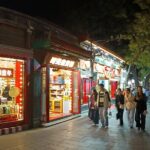
Beijing’s hutongs are small, loud with life. This walking tour strings together old-street lanes, siheyuan courtyard homes, and food you’ll actually see locals eat on the way to their day. You’re also not just walking for views; you’re learning how the city works when it’s measured in doorways, courtyards, and neighborhood routines.
I really like the focus on hutong culture—those narrow lanes, gray tiled roofs, and the red doors with brass knockers make the past feel close. I also like that the tour doesn’t ignore food: you’ll sample classics like jianbing guozi, plus sweet and savory street snacks.
One thing to consider: food and beverages aren’t included, and admission requires advance booking with your passport details, so you’ll want to plan ahead before you show up.
In This Review
- Key things I’d plan around
- Beijing Hutongs on Foot: What You’re Really Getting
- Starting Points: Drum Tower, the Capital Museum, or Shichahai
- Beijing Capital Museum: A Big, Guided Hit Before the Streets
- Hutong Culture Stops Near Nanluoguxiang and Shichahai
- Nanluoguxiang: old lanes with newer energy
- Shichahai: calmer pacing by the water
- The Food Part: Street Snacks You Can Actually Track
- Tea House Culture: Where the Pace Slows and the Details Matter
- Crafts and Culture Along the Way: Paper Cutting and Calligraphy
- Rickshaw Ride and Home Visit: The Optional Part That Can Change the Day
- Price and Value: How $2.86 Fits With the Reality on the Ground
- Logistics You Should Respect: Bags, Photos, and Noise
- Who This Tour Fits Best (and Who Should Skip It)
- Should You Book This Beijing Hutong & Food Tour?
- FAQ
- How long is the Beijing Hutongs & Food & Culture Walking Tour?
- Where can I start the tour?
- Is the Beijing Capital Museum included?
- Are meals included?
- What street foods are part of the experience?
- Do I need to book admission in advance?
- What languages are the guides available in?
- Is there a rickshaw ride or home visit?
- Are photos allowed?
- Is the tour wheelchair accessible?
- Can I cancel for a refund?
Key things I’d plan around
- Siheyuan courtyard life: you’ll see how daily living was shaped by shared lanes and private courtyards
- Nanluoguxiang + Shichahai route: traditional streets with a change of pace near the lake area
- Street food you can name: jianbing guozi, tanghulu, and douzhi (often with youtiao and preserved vegetables)
- Tea house stop: jasmine tea or oolong with a tea master sharing how the ritual works
- Optional rickshaw and home visit: often the part that turns a walk into a story you remember
- Museum add-on (Capital Museum): big, interactive, and wheelchair accessible for a smoother first segment
Beijing Hutongs on Foot: What You’re Really Getting
This is a classic “walk and learn” style tour, built for people who want more than a photo stop. Hutongs aren’t just old streets. They’re the web of daily life: how neighbors share space, how families arrange living rooms around courtyards, and how you move through Beijing when the distances are measured by turns and doorways.
You’ll spend time in well-kept hutong areas and around landmarks the city still runs on. The vibe is usually slower than main roads, and that’s the point. On a good day you’ll hear routine—people chatting, footsteps on stone or concrete near entrances, and the kinds of sounds that come from a neighborhood still being used.
You can also read our reviews of more walking tours in Beijing

Starting Points: Drum Tower, the Capital Museum, or Shichahai
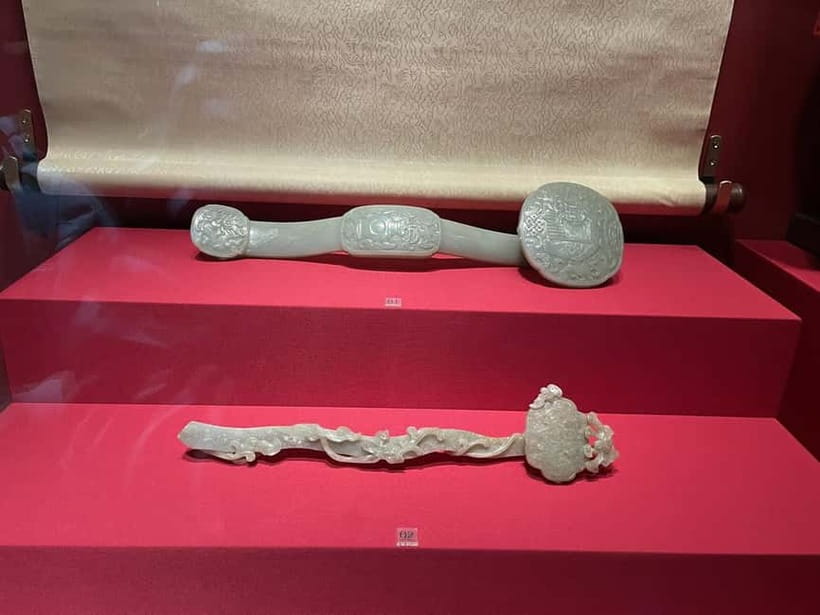
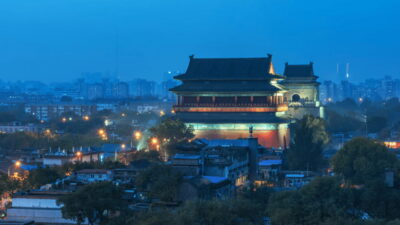
You get three starting options: 鼓楼 (Drum Tower), 首都博物馆 (Capital Museum), and Shichahai. That matters more than it sounds, because it can affect how you pace the day.
- If you start near Capital Museum, you’re likely easing into things with an indoor, guided segment first (helpful if the weather is hot or windy).
- If you start near Shichahai, you may feel the “lake neighborhood” vibe sooner, which can make the hutong streets feel even more interesting when you transition from water views to lane life.
- 鼓楼 can be a good choice if you want your day to start from a central cultural core and then move outward.
Whichever option you choose, the tour is designed to keep you moving in a logical route rather than wandering on your own.
Beijing Capital Museum: A Big, Guided Hit Before the Streets
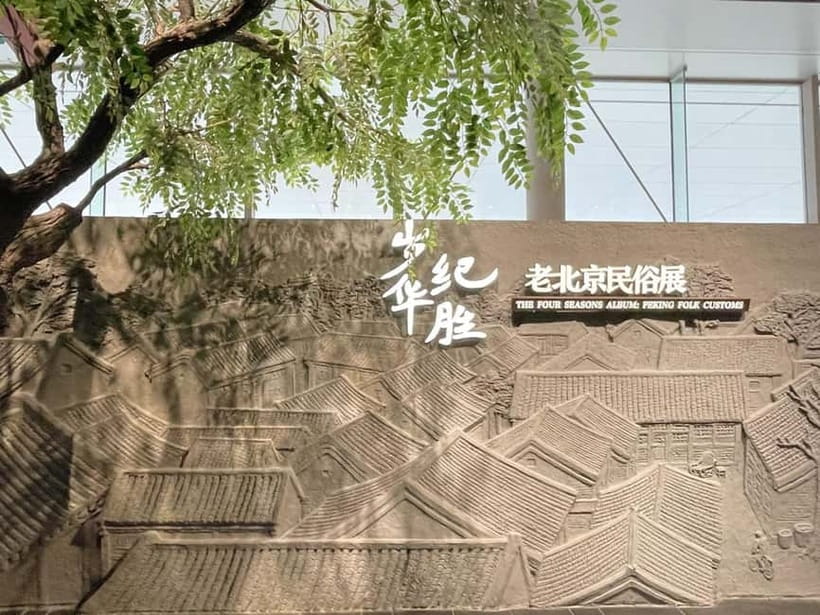
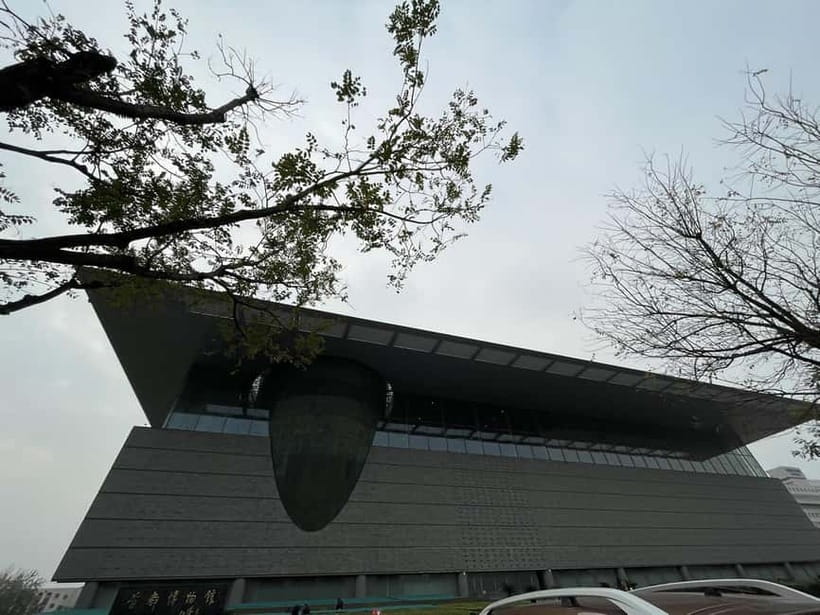
The tour includes a guided museum visit at Beijing Capital Museum with a 3-hour guided tour segment. This stop is a strong value-add because it gives context before you hit the hutongs. You’ll have a chance to see how the city’s story is framed in a museum setting, then use that context when you walk among courtyard homes afterward.
One visitor reaction stands out from the tour’s feedback: the museum can feel large and interactive, and it’s worth doing even if you were only thinking about museum tickets. That’s a good sign for you, because it usually means the guide time isn’t wasted on something you’ll barely notice.
Practical note: the museum is wheelchair accessible, and the overall tour also advertises wheelchair access. If that’s part of your planning, it’s reassuring.
Hutong Culture Stops Near Nanluoguxiang and Shichahai
Your route is built around some of Beijing’s better-known hutong zones, including Nanluoguxiang and Shichahai.
Nanluoguxiang: old lanes with newer energy
Nanluoguxiang is the kind of place where you can see traditional residences alongside modern shops and cafés. The value for you is contrast. You get the hutong look—ancient doorway details, the feel of narrow movement—while also seeing how people actually use these areas today. It’s not a frozen set. It’s lived-in.
You can also read our reviews of more food & drink experiences in Beijing


Shichahai: calmer pacing by the water
Shichahai is surrounded by lakes, and it tends to shift the mood. You might see locals near the water, and the area gives you chances to slow down, breathe, and switch gears from “street detail watching” to “neighborhood rhythm listening.” If you want fewer sensory overload moments, this is one of the best parts of the day to include.
The Food Part: Street Snacks You Can Actually Track
Food isn’t guaranteed in your hotel sense of the word. The tour includes cultural stops and tastings, but food and beverages are listed as not included, so don’t assume every bite is paid for. Still, the itinerary is built around the right street-food targets, and that makes the walk feel useful, not random.
Here’s what you can expect to try, based on the tour description:
- Jianbing guozi: a crispy, fried crepe filled with eggs and scallions, finished with savory sauce and wrapped crunch. It’s often a local breakfast staple, so it helps you understand what “everyday Beijing food” means.
- Tanghulu: sweet and tangy candied hawthorns on a stick. It’s the kind of snack that’s easy to track and fun to eat while walking, and it gives you a palate break after savory bites.
- Douzhi: fermented mung bean soup with a tangy flavor, often paired with youtiao (fried dough sticks) and preserved vegetables. If you’ve never tried it, this is one of the more “real daily life” choices on the list.
Because the tour follows aromas to local stalls and family-run spots, you’ll also see how street food culture works in practice. That’s helpful even if you’re not a hardcore foodie. It’s like reading the city’s manual with your taste buds.
Tea House Culture: Where the Pace Slows and the Details Matter
A standout element is the traditional tea house stop, where a tea master guides a tea ceremony. You might taste jasmine tea or oolong, and you’ll hear stories about the art of Chinese tea.
Even if you’re not the type to memorize tea trivia, this part is useful. It gives you a calmer counterpoint to the hustle of walking hutong lanes and snacking. It also helps explain why courtyards, indoor rooms, and rituals are tied to how Chinese city life organizes itself—space and routine matter.
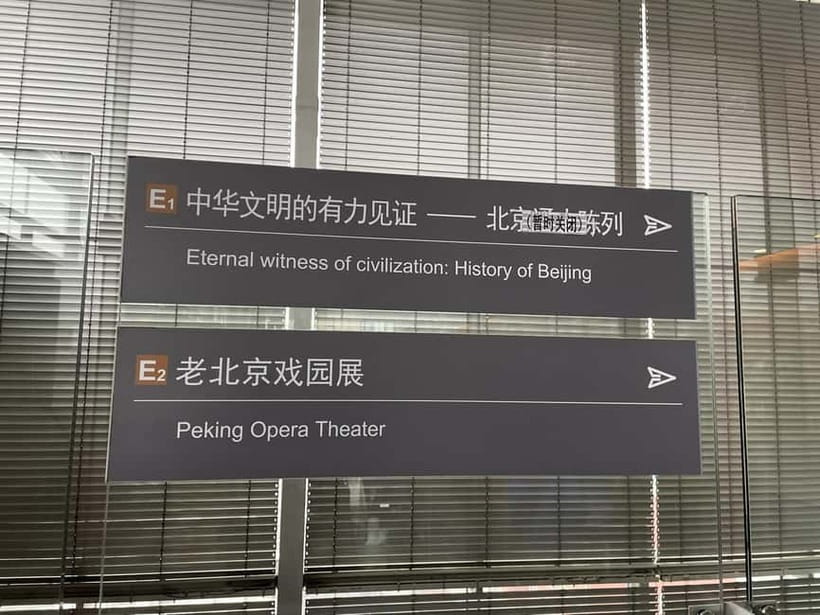
You may also catch cultural extras nearby, such as a snippet of Peking Opera. The description frames this as something you might run into, so treat it like a pleasant bonus rather than a guaranteed performance.
Crafts and Culture Along the Way: Paper Cutting and Calligraphy
The tour also includes chances to see or try folk craft demonstrations, such as:
- Paper cutting, often tied to good luck and prosperity patterns
- Calligraphy, using brush and ink to shape Chinese characters
Even when you don’t participate, the value is in watching how technique is taught. These crafts are the kind of “small-scale cultural skill” that makes sense of the big-sounding words like tradition. You’ll come away with a better feel for why courtyard life and neighborhood life tend to create spaces for practice—quiet corners, family routines, and shared learning.
Rickshaw Ride and Home Visit: The Optional Part That Can Change the Day
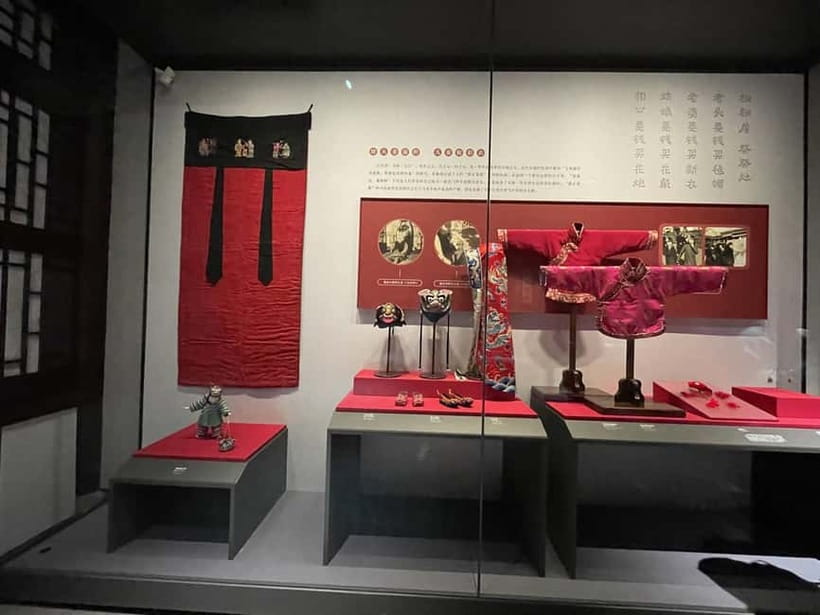
If you choose the option that includes it, you may get a rickshaw ride and home visit. This matters because hutongs can be hard to appreciate from the outside only. A home visit (when included) gives you a direct sense of how courtyards shape movement and daily activities.
If you’re choosing between tour options, my advice is simple: if home access is offered, it’s worth paying attention to. It’s often the difference between seeing “old streets” and understanding “old ways of living.”
Price and Value: How $2.86 Fits With the Reality on the Ground
At a listed price like $2.86 per person, this tour looks like a budget-friendly way to get guided time, museum access support, and structured hutong walking. But value isn’t just the headline number. You’ll want to check what you personally still need to cover.
From the info provided:
- Food and beverages aren’t included
- Admission needs to be booked in advance online, and you’ll need to send passport information for ticket booking
- You have restrictions like no large bags, no flash photography, and other safety rules
So here’s the practical way to think about it: you’re paying for a guide and a route, not for a full all-inclusive day. That can be a good deal if you like structure and you’re comfortable buying your own snacks and drinks at the right moments.
Also, the tour advertises skip-the-ticket-line support. That can matter a lot in Beijing, where waiting can eat your best walking time.
Logistics You Should Respect: Bags, Photos, and Noise
This is a “walk-and-visit” day. You’ll get rules for a reason—tight lanes, museum procedures, and shared public spaces.
Keep in mind:
- No luggage or large bags
- Pets aren’t allowed (assistance dogs are allowed)
- No flash photography and no tripods
- No bikes
- No making noise, no smoking indoors, no littering
- No alcohol and drugs
- You’ll need passport (and passport or ID card is stated) for ticket booking and entry details
If you show up with a backpack you can carry comfortably, you’ll be fine. If you planned to bring a big suitcase, you’ll struggle. Beijing’s hutongs are not built for dragging wheels.
Who This Tour Fits Best (and Who Should Skip It)
This tour is a strong match for:
- People who like walking routes with story and context, not just sightseeing
- Food fans who want recognizable Beijing street foods like jianbing and tanghulu
- Travelers who appreciate culture stops like tea ceremonies and craft demonstrations
It’s not suitable for:
- People over 95 years (listed as not suitable)
If you have mobility needs, it’s encouraging that wheelchair accessibility is mentioned for the museum and the tour overall. Still, if you’re planning around comfort, check how much steady walking is involved for your day.
Should You Book This Beijing Hutong & Food Tour?
I’d book this if you want a guided, structured day that combines hutong life with food and a cultural rhythm shift via the tea house and craft stops. The route choice around Nanluoguxiang and Shichahai gives you both lively street energy and calmer water-area pacing.
Skip it—or at least adjust expectations—if you’re looking for an all-inclusive experience with food and drinks fully covered, or if you don’t want to handle the advance admission booking tied to passport details.
If you like your Beijing trips practical—walkable, story-based, and built for real neighborhood textures—this one makes sense. Just plan your day around the rules, bring a carry-on-sized bag, and give yourself time to eat slowly when the good stuff shows up.
FAQ
How long is the Beijing Hutongs & Food & Culture Walking Tour?
The duration is listed as 3 to 6 hours, depending on the starting time you choose.
Where can I start the tour?
You can start at one of three options: 鼓楼, 首都博物馆, or Shichahai. The exact meeting point may vary by option booked.
Is the Beijing Capital Museum included?
Yes. The itinerary includes a guided tour at Beijing Capital Museum for about 3 hours.
Are meals included?
No. Food and beverages are not included.
What street foods are part of the experience?
The tour description highlights jianbing guozi, tanghulu, and douzhi, and notes douzhi is often paired with youtiao and preserved vegetables.
Do I need to book admission in advance?
Yes. Admission needs to be booked in advance online, and you’re asked to send your passport information for ticket booking.
What languages are the guides available in?
The live tour guide is available in English, Chinese, French, and Dutch.
Is there a rickshaw ride or home visit?
A rickshaw ride and home visit are included only if the selected option includes them.
Are photos allowed?
Photography is allowed, but flash photography and tripods are prohibited.
Is the tour wheelchair accessible?
Yes, it’s listed as wheelchair accessible, and the museum is wheelchair accessible as well.
Can I cancel for a refund?
Yes, free cancellation is available up to 24 hours in advance for a full refund.