REVIEW · BEIJING
Beijing:Drum and Bell Towers Entry Ticket- Cultural Treasure
Book on GetYourGuide →Operated by Hua Hua Explore China · Bookable on GetYourGuide
The Drum and Bell Towers turn time into architecture. These two giants sit on Beijing’s central axis and were the city’s main timekeepers for centuries, with the Ming dynasty’s famous bell story built into the stone.
I especially like the skip-the-line setup with e-tickets, because it saves you from the worst of the waiting game. I also like the included English textual and visual guide, which helps you make sense of what you’re seeing instead of just passing through rooms and stairs.
One thing to plan for: there’s a lot of climbing. The stairs can be steep and long, so this visit may feel tough if you have mobility limits.
In This Review
- Key points before you go
- Why the Drum and Bell Towers matter on Beijing’s central axis
- Tickets, e-tickets, and what you need for fast entry
- Inside the Drum Tower: timekeeping, scale, and what to watch for
- Inside the Bell Tower: the King of Ancient Bells and Ming-era engineering
- The English textual and visual guide: how to get more from every minute
- Timing your 2-hour visit and planning the walk between towers
- Price and value: what $13 gets you (and what to double-check)
- Who this fits best (and who should think twice)
- Should you book this ticket?
- FAQ
- Do I need to provide passport details to reserve the tickets?
- When are the tickets reserved?
- How do I receive my tickets?
- Can I enter the Bell Tower and Drum Tower with the e-tickets?
- What’s included in the ticket?
- Is there a live tour guide or an audio guide?
- How long does the visit take?
- What should I bring to the entrance?
- What is the cancellation policy?
Key points before you go

- E-tickets that you can use directly: you enter the Drum Tower and Bell Tower with the e-tickets you receive.
- Reserved ahead of time: tickets are reserved 3 days prior to your visit.
- Passport/ID required: you’ll need the same details used for your reservation.
- English guide materials are included: you get a textual and visual guide (not a live guide).
- No audio or live guide: you’ll rely on the guide to explain key details on-site.
- Watch the stairs: the route involves steep, extended stair climbs.
Why the Drum and Bell Towers matter on Beijing’s central axis

Beijing’s Drum and Bell Towers aren’t just old buildings. They were the city’s official clock system—how people in town understood the day was supposed to start, slow down, and shift again. The idea was simple and memorable: time was told by a dusk drum and a morning bell.
Both towers sit on the northern end of the central axis of Beijing, which is a big part of why they feel so “built into” the city’s layout. The Drum Tower and Bell Tower have a specific relationship too: the Bell Tower sits slightly north of the Drum Tower, so your walking path naturally follows the original planning logic.
Historically, the complex traces back to the Yuan Dynasty (1206–1368), then continued through the Ming (1368–1644) and Qing (1644–1911). That continuity matters: you’re not just looking at a single-era souvenir, you’re seeing how a timekeeping function survived dynasties and design changes.
You can also read our reviews of more tours and experiences in Beijing



Tickets, e-tickets, and what you need for fast entry

This ticket is set up to reduce friction. After you place your order, you provide passport details—passport name, passport number, and your date of birth. Then the provider reserves your tickets 3 days before your visit.
Once reservation succeeds, you get e-tickets by email or WhatsApp, and those e-tickets are what you use at the gates. Because it’s designed for direct entry, you can use the tickets for both towers without dealing with a separate paper exchange step.
You’ll also want to have your passport or ID card with you. The requirement is explicit, so treat it as non-negotiable.
Two quick practical notes:
- Bring your phone and keep the e-tickets/QR codes ready for scanning.
- Plan to arrive with enough time to handle any quick security checks calmly, especially during peak seasons.
Inside the Drum Tower: timekeeping, scale, and what to watch for

The Drum Tower is the place that gives you the first half of the daily rhythm. Historically, there used to be 25 drums in the Drum Tower, which is a helpful detail because it changes how you picture the building. You’re not seeing one instrument setup—you’re looking at a whole system meant to be heard and recognized.
As you move through, try to focus on how the tower’s purpose shaped its design. Drum towers weren’t built just for storage; they were built for function. That means the layout and viewing points tend to feel “organized for time” more than “organized for casual sightseeing.”
If you’re using the included English textual and visual guide, read a few pages before you start climbing. It helps you connect the dots: what you’re looking at, why the drums mattered, and how this role fits into the larger Beijing story of official order. Without that guidance, you might know it’s historic, but you could miss the why it mattered part.
Inside the Bell Tower: the King of Ancient Bells and Ming-era engineering

The Bell Tower is where the story hits a dramatic note. The bell associated with the Yongle era (1403–1424) of the Ming Dynasty weighs 63 tons. That’s why it’s known as the King of Ancient Bells of China.
That number is so big it almost feels unreal until you’re standing near the context for it. Use it as your mental anchor while you walk: think about the engineering required to cast and handle something like that, and how a city would rely on it day after day.
The complex is also the model for a broader category of ancient Chinese time-telling architecture. The Bell and Drum Towers in Beijing were considered the kind from ancient China and topped others as bell-and-drum towers in the capital city. Whether you’re a details person or not, that status helps explain why people take extra care with how these structures are preserved and interpreted.
The English textual and visual guide: how to get more from every minute
This experience includes an English textual and visual guide for Bell and Drum Tower. No live guide. No audio guide. That means you should treat the guide like your on-site companion.
Here’s how I’d use it to get better results fast:
- Start with the guide’s visuals so you know what key features to look for while you move.
- Then read the short explanations while you’re in the relevant areas, not later in the hotel.
- If the guide points out surrounding areas, use that as a prompt for your next stop instead of waiting for luck.
One of the most useful ways the guide shows up in practice is how it can extend your visit beyond the gates. In at least one booking experience, the included English brochure included information about nearby hutongs and even suggestions for local restaurants close to the towers. That matters because the towers sit in a part of Beijing where the street life and old lanes can feel just as meaningful as the monumental buildings.
If you want your visit to feel connected to the city—not only frozen-in-time—this is the kind of extra that helps.



Timing your 2-hour visit and planning the walk between towers

The planned duration is about 2 hours, which is enough time to cover both towers if you move with purpose and don’t get stuck reading every small label. The tricky part isn’t distance—it’s vertical climbing and stair pacing.
Because the Bell Tower is slightly north of the Drum Tower, your natural route usually flows like a gentle march. If you’re thinking ahead, you can use that to organize your energy: climb once, cool down on the way to the next stop, and keep the guide open in short bursts rather than in one long session.
For comfort, plan water and slow down on the stairs. One practical consideration: reports note the stair sections can be steep and long, and it may not be ideal if you’re dealing with reduced mobility. If that’s your situation, consider whether you want a different kind of historic site visit that doesn’t depend on extended stair climbing.
Price and value: what $13 gets you (and what to double-check)
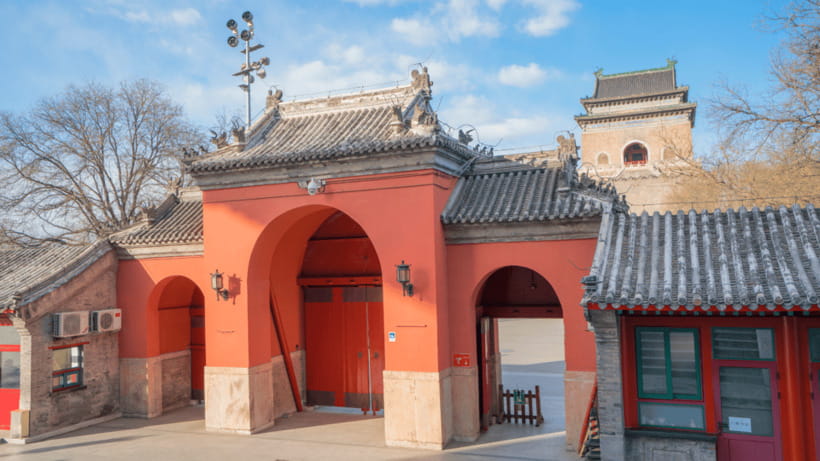
At $13 per person, the biggest value play here is time. You’re paying for a streamlined entry process: e-tickets delivered ahead, direct entry to both towers, and the advantage of skipping the ticket line. For many people, that’s worth it because Beijing’s top sites can be unpredictable with queues.
That said, price value depends on your alternative. If you were planning to buy on-site, you might find a different price level than the one you see here. One booking note flagged the ticket cost as higher than buying locally. I’d treat that as a signal to sanity-check what the standard on-the-day ticket might be, especially if you’re traveling at a quieter time when lines are shorter.
Also note what’s not included: there’s no live guide and no audio guide. So the value relies on the included English guide materials. If you love guided storytelling, this might feel more self-directed than you expect. If you’re happy to read a bit and look closely, the package fits well.
Who this fits best (and who should think twice)
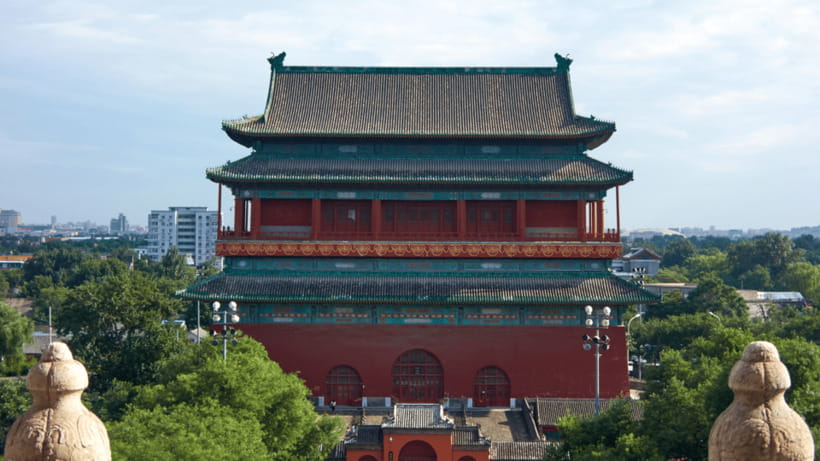
This ticket fits best if you want a focused, high-impact site visit without a full guided day. If you like architecture, strong historical context, and a quick way to connect Beijing’s layout with its past, you’ll likely enjoy this.
It also fits travelers who prefer order over spontaneity. You get e-tickets, you know the format, and you can aim for a smooth two-tower circuit.
The main mismatch is mobility and pace. With steep, long stairs involved, this isn’t the easiest visit for anyone who needs frequent rests or avoids climbing. If your plan includes slow sightseeing, consider pairing this with a more relaxed activity on the same day, so you’re not forcing your body to match a tight schedule.
Should you book this ticket?
Book it if you want an efficient entry into two of Beijing’s best-known historical time-telling landmarks and you’ll use the included English guide materials while you’re there. The $13 price makes the most sense when you care about saving queue time and you want both towers covered in about 2 hours.
Think twice if stairs are a major problem for you, or if you were hoping for a live guide to fill the gaps. In that case, you might choose a different format that matches your pace and preferred learning style.
If you’re flexible and you like structure, this ticket is an easy win: you’ll spend less time negotiating logistics and more time understanding why Beijing once measured the day with drum and bell.
FAQ
Do I need to provide passport details to reserve the tickets?
Yes. You’ll need your passport name, passport number, and date of birth as part of the reservation process.
When are the tickets reserved?
Your tickets are reserved 3 days prior to your visit.
How do I receive my tickets?
After reservation is successful, the e-tickets are sent to you via email or WhatsApp.
Can I enter the Bell Tower and Drum Tower with the e-tickets?
Yes. You can enter both towers directly using the e-tickets provided.
What’s included in the ticket?
The ticket includes admission to the Bell Tower and Drum Tower, plus an English textual and visual guide for both sites.
Is there a live tour guide or an audio guide?
No. A live tour guide and an audio guide are not included.
How long does the visit take?
The duration is listed as 2 hours. Starting times depend on availability.
What should I bring to the entrance?
Bring your passport or ID card.
What is the cancellation policy?
Free cancellation is available up to 24 hours in advance for a full refund.