REVIEW · BEIJING
Beijing: Hutongs & Drum Tower City Walking Tour
Book on GetYourGuide →Operated by JTB Travel Agency · Bookable on GetYourGuide
A walk through Beijing’s old lanes feels surprisingly personal. This Hutongs & Drum Tower tour threads you along the water at Houhai and Qianhai, then into centuries-old hutongs where everyday life still shows up in courtyards, shop fronts, and small snack counters. I especially like the water-and-alley pairing, because it keeps the city scenic while the stories stay real. I also like that you can add a local family home visit for a straight look at traditional courtyard layout.
One thing to plan for: the tour climbs the Drum Tower, and entrance tickets are not included. So you’ll want comfy shoes, and you may have a little extra cost on top of the $69 if you opt for any paid stops like the Drum Tower entry.
In This Review
- Key highlights you’ll actually feel
- Hutongs by the water: why this tour’s route makes sense
- Houhai and Qianhai lakes to Yandai Byway: scenic starts and snack time
- Taoism temple by the Jing-hang Canal and Wanning Bridge: religion you can point to
- Rickshaw through ancient lanes (optional): hooded tricycles and the feeling of scale
- Visiting a local courtyard home: the part that changes how you see Beijing
- Drum Tower Square and the climb: the landmark that ties it all together
- Guide impact in real life: English + care + standout names
- Price and value: what $69 covers, and what you may add
- Timing, group size, and comfort: how to make the 3–4 hours feel easy
- What to bring: passport and a cash plan for snacks and souvenirs
- Who should book this Hutongs & Drum Tower tour
- Should you book it? My take
- FAQ
- How long is the Beijing: Hutongs & Drum Tower City Walking Tour?
- What’s included in the tour price?
- Are entrance tickets included?
- Where do we meet for the tour?
- What should I bring?
- Is the tour wheelchair accessible?
- Can I cancel and get a refund?
Key highlights you’ll actually feel
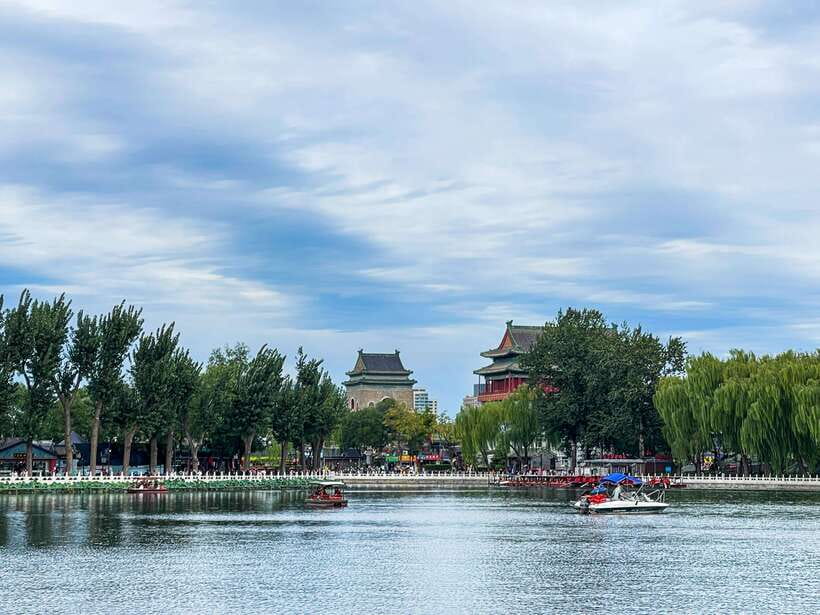
- Houhai and Qianhai lakes: easygoing starts with water views, before you plunge into hutong lanes.
- Yandai Byway: an old commercial street where you get free time for snacks and simple souvenir shopping.
- Hutongs by rickshaw (optional): a hooded tricycle ride that makes the alleys feel scaled for everyday people and old-world traffic.
- A Taoism temple near Jing-hang Canal and Wanning Bridge: a quick lesson you can see, not just read about.
- Drum Tower Square plus a climb: the city’s old-time clockwork story, capped with a viewpoint.
- Local snack stops: small, practical chances to try Beijing flavors without hunting alone.
Hutongs by the water: why this tour’s route makes sense
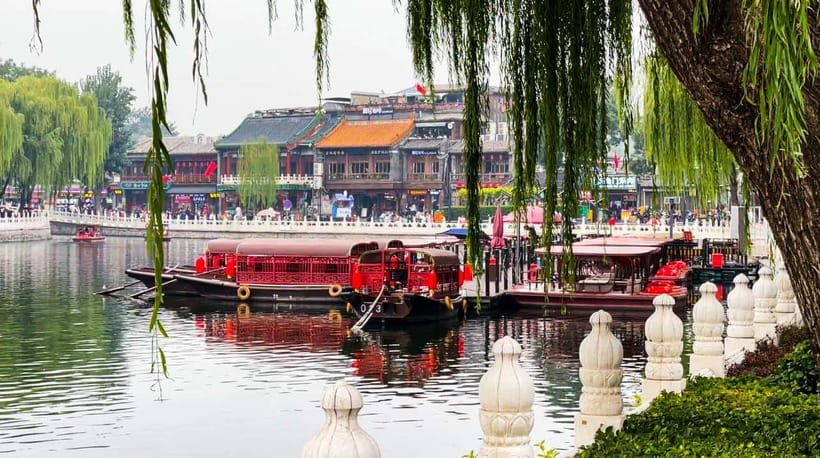
Beijing’s hutongs are not just a postcard. They’re the city’s older way of moving—narrow lanes that connect courtyards, shops, and the everyday routines of people who live there. What I like about this tour is the pacing. You start near water, so the streets feel calmer before you get into the tighter lanes.
The tour keeps you focused on the part of Beijing that still feels “lived in.” You’ll walk through lanes that date back a long time, and your guide’s job is to give you the map in your head. That matters, because hutongs can look similar fast. With a good guide, the differences become obvious: where rich and poorer households were set apart, how courtyards are arranged, and why the lanes matter to daily life.
You’ll also get the kind of context that helps you understand what you’re seeing. One strong theme from guides in this program: they tie architecture and streets to religion, food, and social life. That’s why a stop like the Drum Tower doesn’t feel like a random ticketed attraction—it’s part of the same “how Beijing worked” story.
You can also read our reviews of more walking tours in Beijing

Houhai and Qianhai lakes to Yandai Byway: scenic starts and snack time
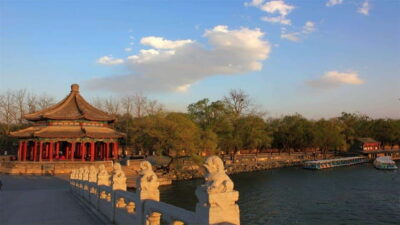
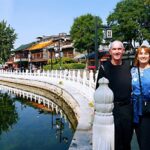
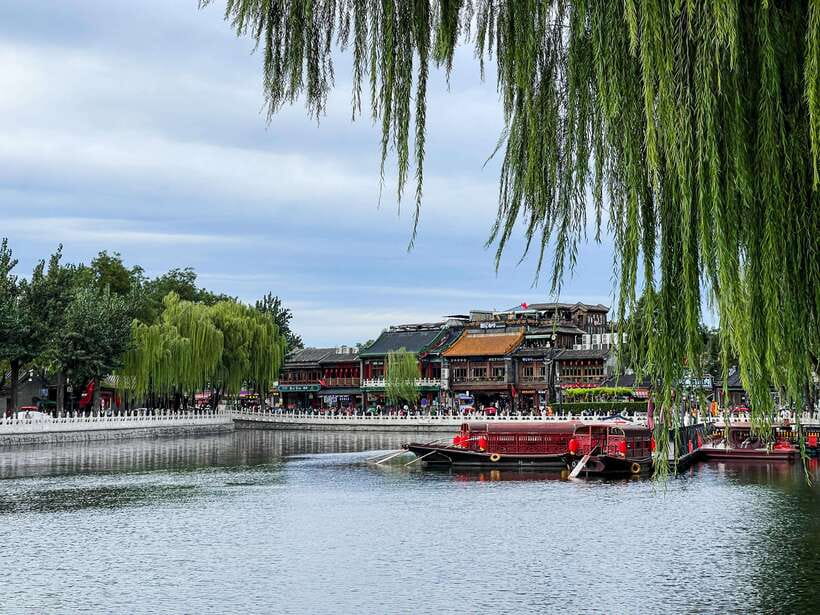
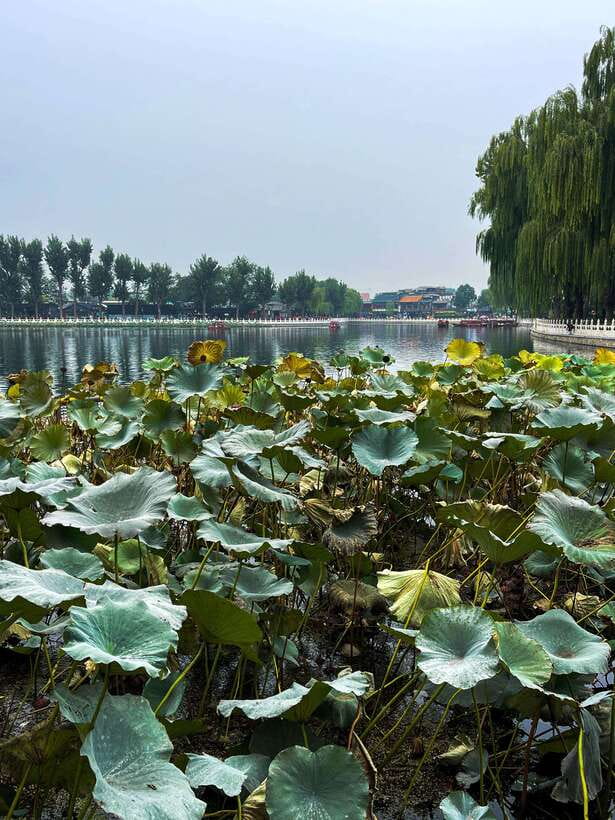
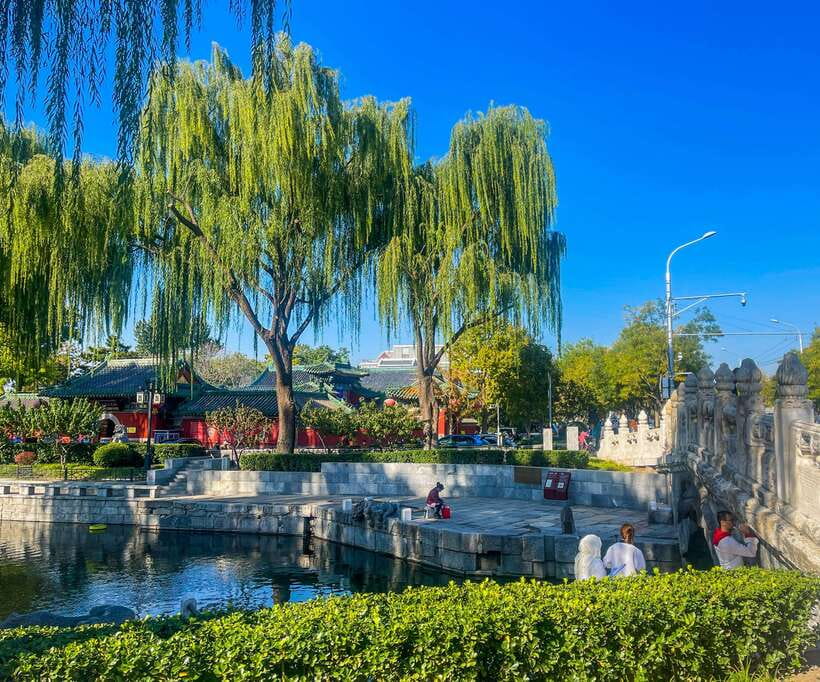
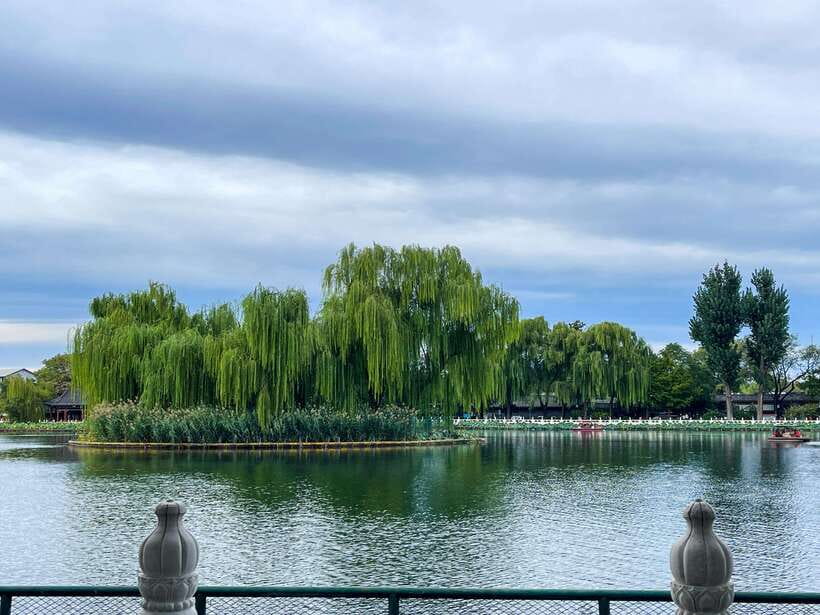
The tour’s first “wow” moment often comes from geography. Houhai Lake and Qianhai Lake are right there, and your route uses them like an orientation tool. Water helps you understand the old city’s layout. It also gives you natural photo stops and a breather before the hutong lanes get narrow.
From the lakes, you move toward Yandai Byway, an ancient commercial street. This is the section you’ll feel in your stomach and your hands. The tour builds in free time for you to try local snacks and pick up small souvenirs from local stores.
A practical note: this kind of free time is only useful if you’re ready to decide quickly. Have a plan for what you like—sweet, savory, spicy, or something mild. Also, the tour data specifically points out bringing Chinese cash if you want to buy food. If you rely only on card, you may be stuck watching other people eat.
This segment is also a good “taste check” for your dietary needs. One review highlights a guide helping with food choices for someone who was picky about what they could eat. That’s the kind of flexibility you want on a short tour, because you don’t have hours to keep searching.
Taoism temple by the Jing-hang Canal and Wanning Bridge: religion you can point to

Not every Beijing walking tour gives you religion on the ground. This one includes a stop at a Taoism temple beside the Jing-hang Canal and near Wanning Bridge, built by the Mongolian dynasty.
The value here isn’t that you’ll leave as an expert. It’s that you’ll see how belief shows up in physical spaces—near waterways and in the kind of streetscape you’re already walking through. Your guide should connect what you’re seeing to stories about gods and the religion Chinese young people still relate to today.
If you’re curious about everyday faith in China—what people believe, why certain traditions persist—this stop is a shortcut. It also breaks up the tour nicely between food-and-streets sections and the bigger landmark moment at the Drum Tower.
One consideration: this is a walking tour, so you’ll want to dress comfortably for temple stops and time outdoors. The tour runs 3 to 4 hours, so you’re likely to be moving steadily.
Rickshaw through ancient lanes (optional): hooded tricycles and the feeling of scale
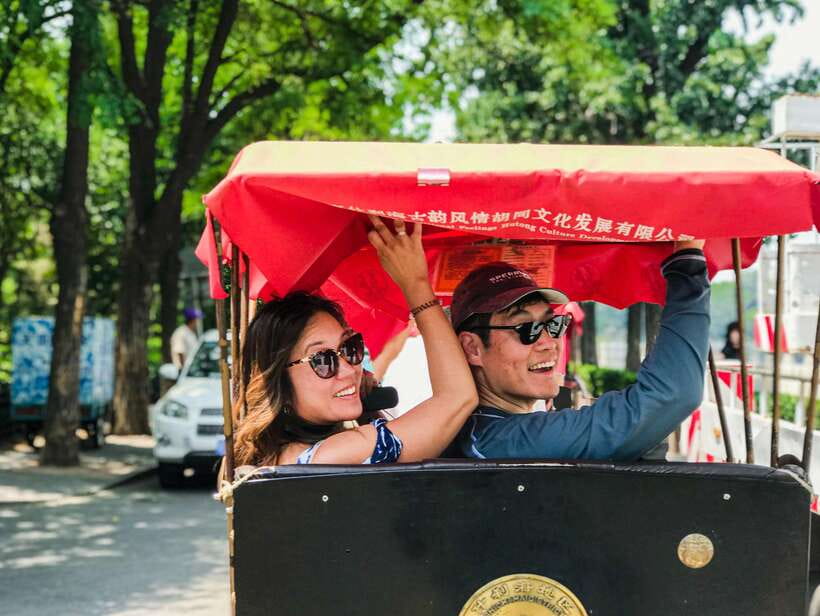
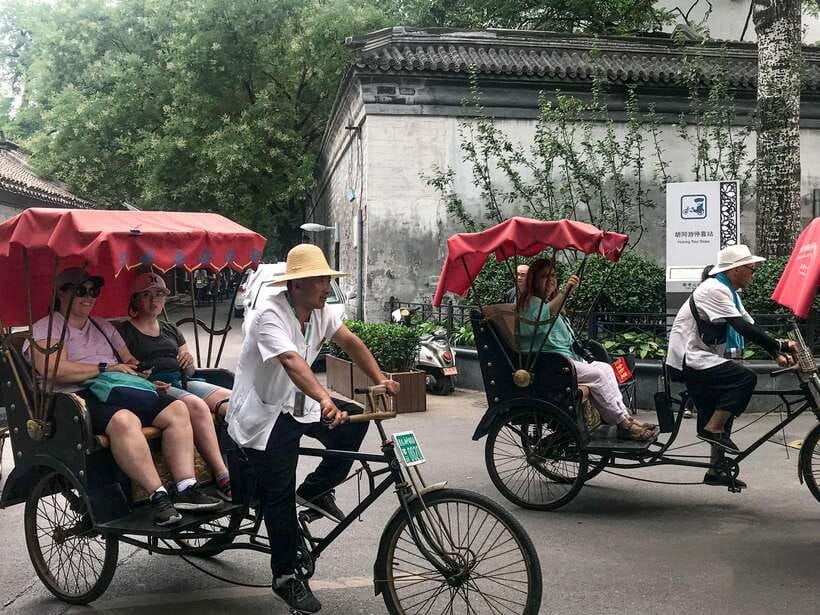
For many people, the hutongs are the highlight. For me, the best way to understand hutong scale is to combine walking with a ride. This tour offers an optional rickshaw segment using the hooded tricycle style.
Here’s the practical reason it works: when you ride, you notice lane widths, turns, and how courtyards connect to the larger streets. Walking does the same, but a short rickshaw ride helps you build a “mental model” faster—especially when you’re moving through lanes that look repetitive to the untrained eye.
The rickshaw option is described as 2 people per rickshaw for about 30 minutes, with a cost noted as 200 CNY for 2 participants. So this isn’t included automatically; you’re choosing it to add comfort and context.
Also, the tour framing here matters. This rickshaw style is described as an ancient taxi for nobles and rich business people, and the program notes that even President Nixon and his wife in 1972 liked this kind of wandering through older alleyways. Even if that’s more “story” than sightseeing, it helps you understand why these lanes mattered to different classes of Beijing society.
If you’re sensitive to noise or you prefer only walking, skip the rickshaw option. But if you want your hutong time to feel less exhausting and more interpretive, it’s a solid add-on.
Visiting a local courtyard home: the part that changes how you see Beijing
The optional home visit is one of the most powerful parts of this experience—because it turns architecture into a lived reality. When the option is selected, you’ll visit a local family, say ni hao, and have free chatting time. You can also see parts of the traditional courtyard house, including areas like the kitchen and living room layout.
This is the moment that helps you move beyond “old buildings” into “how people actually live.” Courtyard homes aren’t just attractive. They shape airflow, privacy, family flow, and daily work routines. Even a short peek gives you something to compare against modern apartments.
You’ll also hear a guide-led explanation of what you’re seeing. One review mentioned a guide being very understanding and helpful with snacks, and another described learning the layout of a traditional courtyard house in a way that made the place feel real rather than staged. Those details matter on a short tour—comfort and clarity keep the home visit from feeling like a rushed show-and-tell.
Possible drawback: home visits can be emotionally intense if you’re expecting a museum-style tour. You may feel like you’re in someone’s private space. Go in with respect, quiet curiosity, and a willingness to keep questions friendly and short.
You can also read our reviews of more city tours in Beijing




Drum Tower Square and the climb: the landmark that ties it all together
By the time you reach the area between the Drum and Bell Towers, your walking route becomes a story of timing and order. The tour includes time at the square in between these towers to learn how Beijingers lived across older dynasties into today.
Then comes the main vertical moment: climbing the drum tower, described as roughly 600-year-old. Even if you’ve climbed plenty of stairs on trips, this one has a special angle. It’s not just a viewpoint for photos. It’s a “why this place exists” viewpoint, because drums historically helped mark time in the city.
After the climb, the tour shifts back to food with local snacks. That’s smart. When you’re done looking, you’re ready for something small and satisfying, and the guide can point you toward options that match what you’ve just learned about Beijing tastes.
One consideration: entrance tickets are not included. So if you want the full Drum Tower experience, plan for additional ticket cost.
Guide impact in real life: English + care + standout names
A walking tour stands or falls on the guide. This one is specifically set up with an English-speaking tour guide, and the reviews give a clear pattern: guides show up prepared, explain things in plain terms, and adjust to the group.
Names that came up in the reviews include Alice, Amber, Lisa, Jenny, Johnny, Tony, Susan, Linda, and Kolar Lee. Across these accounts, the recurring praise is about attentiveness and pacing—guides making sure you’re comfortable, offering snacks, and helping people find food options that fit their preferences.
One review mentioned a guide who even brought extra care during the whole day and helped at the hotel level. That’s not something I’d count on as a standard perk, but it tells you what kind of service style some guides deliver: helpful, not robotic, and willing to go beyond a basic script.
If you’re choosing a tour like this for value, pay attention to the guide because you’re paying for time and context. The $69 price point only feels fair if the guide makes the hutongs understandable instead of just walking from A to B.
Price and value: what $69 covers, and what you may add
At $69 per person for 3 to 4 hours, this is not an all-inclusive “everything is paid” tour. You get an English guide, and depending on your chosen option, you also get the rickshaw ride and home visit.
Entrance tickets are not included, and the tour data also points out that you should bring Chinese cash if you want to buy food from local stores. That means your real total will depend on how snack-happy you get and whether you add paid components.
So is it good value? I think yes—if you want the combination of:
- hutongs that feel guided rather than wandered,
- water-side orientation via Houhai/Qianhai,
- a cultural stop (Taoism temple near Jing-hang Canal and Wanning Bridge),
- and a landmark finish at the Drum Tower with snack time after.
If you only care about one thing—say, a viewpoint—this might feel pricier. But for a short trip where you want multiple “Beijing-specific” moments in one outing, the structure is efficient.
Timing, group size, and comfort: how to make the 3–4 hours feel easy
This is a short tour, which is great if you have limited time. But short tours still demand steady walking. The hutongs are narrow and uneven in places, and the Drum Tower adds stairs.
The tour is listed as private or small groups available, and it’s also marked wheelchair accessible. Here’s the practical caution: you should still consider the Drum Tower climb in your planning. If you need step-free options, ask the operator before you go so expectations match reality.
Comfort tips you can control:
- wear shoes that handle walking in older lanes,
- bring a small bottle of water if it’s a hot day,
- and decide ahead of time whether you want the optional rickshaw for comfort.
What to bring: passport and a cash plan for snacks and souvenirs
The tour data is clear: bring your passport. You’ll also want Chinese cash if you plan to buy food from the local stores near Yandai Byway and during snack stops.
You don’t need a big wallet. Just enough cash to handle small purchases quickly. Snacking is a big part of this experience, and it’s more fun when you can actually order what you’re craving.
If you’re picky about food, go in with a few “safe” items in mind, then let your guide suggest alternatives. One of the standout themes in the reviews is how guides can help match dietary needs to what’s available nearby.
Who should book this Hutongs & Drum Tower tour
This tour fits best if you:
- want Beijing-specific streets rather than the city’s big-ticket sites,
- like mixing culture (temple + Drum Tower) with practical food stops,
- enjoy walking but don’t want to plan logistics across multiple areas,
- and want the option to add a courtyard home visit.
It’s also a good choice if you have a day shaped by museum closures or you simply want something more local and less monumental. If your trip is tight, the 3 to 4 hour format is exactly the sweet spot.
If you hate stairs or expect everything to be fully ticketed, you might feel frustrated by the Drum Tower climb and the fact that entrance tickets are not included.
Should you book it? My take
I’d book this tour if your goal is to understand Beijing through its lanes, food, and a couple of key cultural landmarks. The route is well matched: water-side lakes for orientation, hutongs for daily life, Yandai for easy snacking, then the Drum Tower to give the day a big “anchor.”
It also looks like the guide experience is strong—English support, thoughtful pacing, and lots of care around snacks and food choices in the reviews. Add the optional rickshaw if you want less fatigue and better understanding of lane scale, and add the home visit if you’re curious about courtyard living beyond photos.
If you’d rather do only big attractions with fixed costs, or you’re sensitive to stairs, consider your priorities before booking. For a short, memorable hutong day, this one is hard to beat.
FAQ
How long is the Beijing: Hutongs & Drum Tower City Walking Tour?
The tour lasts about 3 to 4 hours.
What’s included in the tour price?
The tour includes an English-speaking tour guide. If you select the option, it also includes the rickshaw ride and the home visit.
Are entrance tickets included?
No. Entrance tickets are not included.
Where do we meet for the tour?
You meet your guide at the Exit A2 of Shichahai subway station of Line 8 (meeting point may vary depending on the option booked).
What should I bring?
Bring your passport. If you want to buy food from local stores, bring Chinese cash as well.
Is the tour wheelchair accessible?
It is listed as wheelchair accessible.
Can I cancel and get a refund?
Yes. You can cancel up to 24 hours in advance for a full refund.