REVIEW · BEIJING
Beijing: China National Film Museum Entry Reservation
Book on GetYourGuide →Operated by PANDA HAPPY JOURNEY IN CHINA · Bookable on GetYourGuide
Cinema history in one big building. The China National Film Museum turns motion pictures into a full-on walkthrough of how Chinese cinema grew, with lots to see for a short visit—especially if you follow the floor plan and take your time. I like that you can enter using a QR code you receive, so you’re not stuck dealing with ticket counters.
What I really like are the scale and the layout: 21 exhibition halls plus six movie halls, including an IMAX GT space, all packed into a major public cultural venue. I also appreciate the included English version of the textual and visual guide, which helps a lot when your Chinese reading skills take a break.
One consideration: the museum is still a Chinese-first experience. Even with an English guide included, some signage and information may be Mandarin-heavy, so plan on using translation support and going with the flow.
In This Review
- Key highlights worth planning for
- Beijing’s China National Film Museum: what you’re really signing up for
- Skip-the-counter entry with your QR code (and the one mistake to avoid)
- Floor one: a strong opening with The Theme Exhibition of A New Journey of Struggle
- Floors two to four: A Century of History, A Century of Glory (the main story)
- 21 exhibition halls: how to handle museum scale without losing your mind
- Movie halls and the IMAX GT hall: when you should add a screening
- The included English guide: helpful, but don’t expect full translation everywhere
- Price and value: is $4.82 per person actually a good deal?
- Who should book this CNFM entry reservation?
- Practical tips for a smooth two-hour visit
- Should you book? My call
- FAQ
- How do I enter the museum using my reservation?
- Do I need my passport?
- Is an English guide included?
- Are movie screenings included?
- Is the museum wheelchair accessible?
- Can I cancel for a full refund?
Key highlights worth planning for
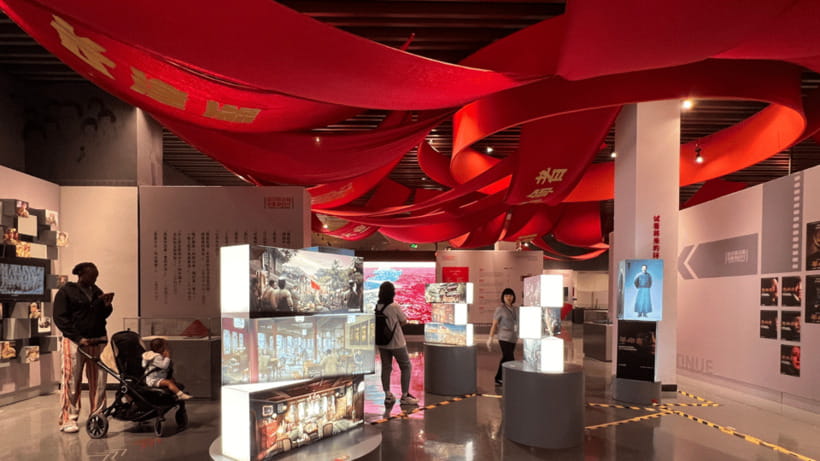
- 21 exhibition halls across multiple floors, covering film development stages
- Six movie halls, including an IMAX GT hall, for a true cinema setting
- A Century of History, A Century of Glory on floors two to four, focused on the evolution of Chinese film
- QR code entry that lets you go straight in (not the app code)
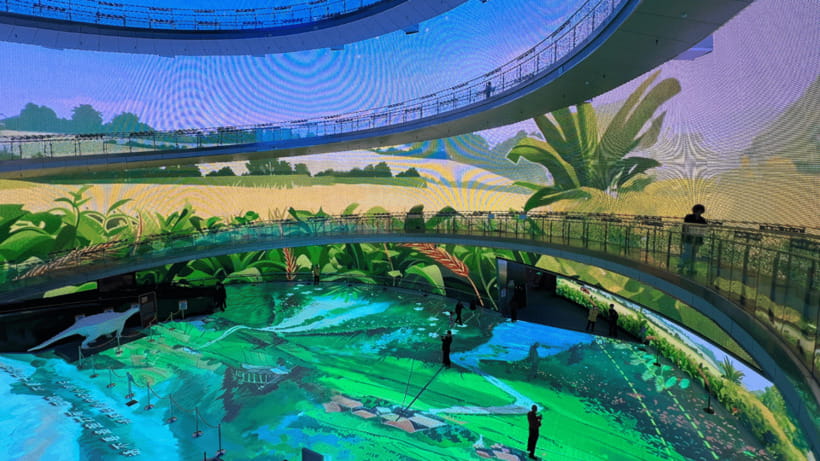
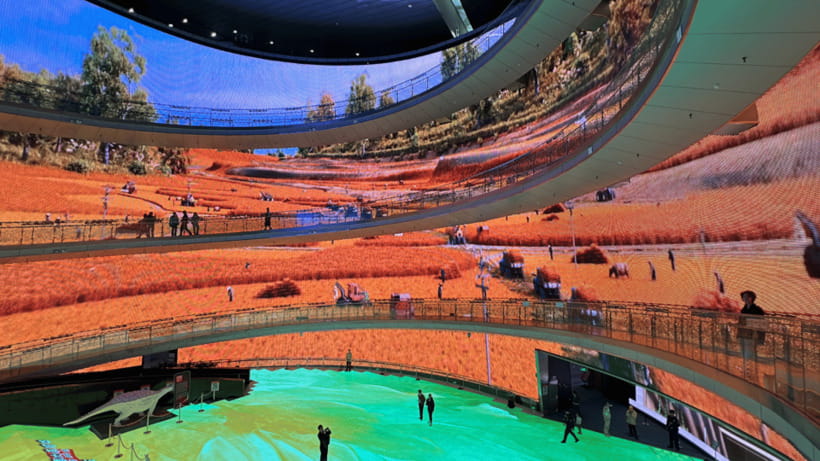
- Dinosaur-themed exhibition areas that show up in the experience when you visit
- Helpful staff who can answer questions when you get stuck
Beijing’s China National Film Museum: what you’re really signing up for
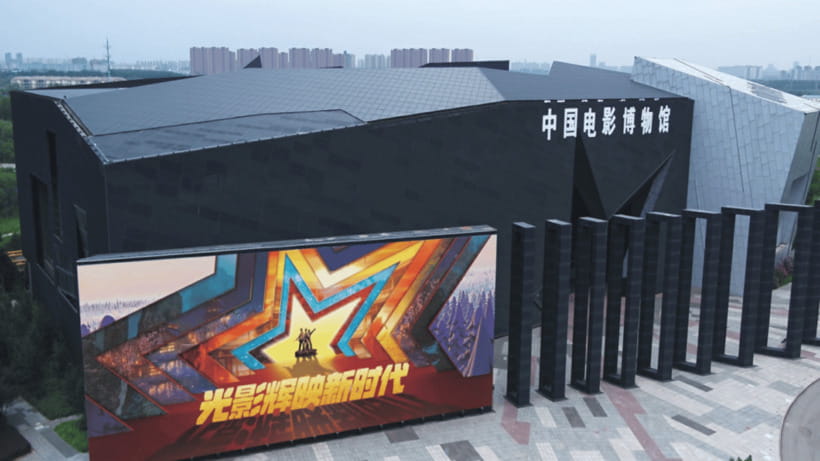
This is not a tiny museum you zip through in 20 minutes. The China National Film Museum is a big, public cultural space backed by official support, founded in late 2005 and opened to the public in 2007. It spans about 8.7 acres, with nearly 38,000 square meters of building space. That matters because it explains the pace: you’ll want a plan so your two hours feel full, not frantic.
Here’s the vibe: you walk through the history of cinema as a living system—how films changed with technology, society, and artistic ambition. Instead of only showing posters and facts, the museum also leans into filmmaking “how it’s made” ideas, plus film-related achievements across time. In other words, you’re not just watching screens. You’re learning the machinery behind storytelling.
And yes, it can feel like a lot at first. But that’s why the floor structure and the included guide are your best friends.
You can also read our reviews of more museum experiences in Beijing



Skip-the-counter entry with your QR code (and the one mistake to avoid)
The entry reservation is designed to reduce waiting. After you place the order, you get an e-ticket by email or WhatsApp. Then you use the QR code they send separately to enter the museum directly.
Here’s the practical gotcha: the QR code inside the GetYourGuide app is not the ticket for entry. You need the QR code message sent for admission. Save it, screen-shot it, and keep it ready before you reach the entrance.
Also, bring your passport. That’s explicitly what you need for this activity. If you forget it, you’re the one who pays the price.
Floor one: a strong opening with The Theme Exhibition of A New Journey of Struggle
On the first floor, you’ll find the theme exhibition The Theme Exhibition of A New Journey of Struggle. Even if you don’t catch every word, the value here is orientation. This kind of opening exhibit usually sets the tone: it frames the museum’s story and gives context for what you’ll see higher up.
For your two-hour visit, floor one is your warm-up lap. Don’t try to read everything cover-to-cover. Instead, look for the big signals: what themes the museum thinks are important, and how it wants you to interpret the rest of the timeline.
If you’re short on time, this is where you can quickly decide your route for floors two to four.
Floors two to four: A Century of History, A Century of Glory (the main story)
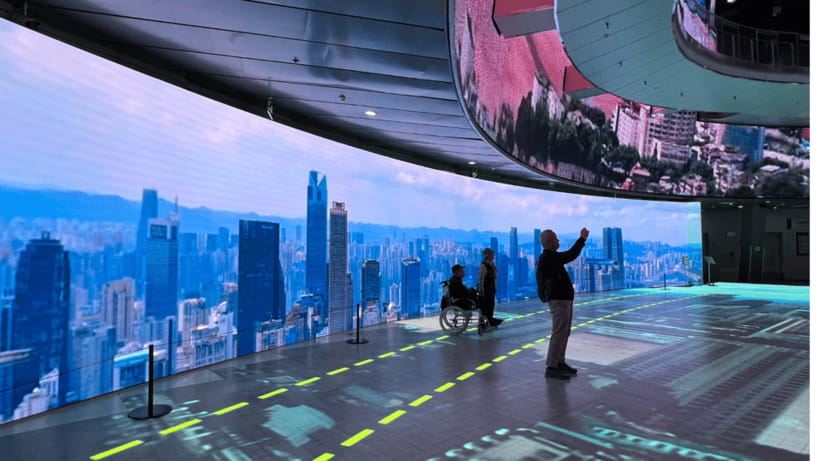
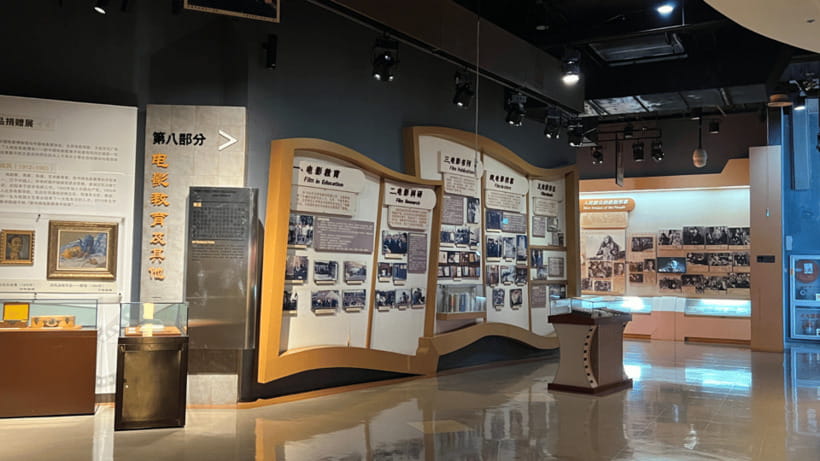
The museum’s real backbone sits on floors two, three, and four: A Century of History, A Century of Glory. This exhibition focuses on a century-long arc of Chinese cinema and is where you’ll spend most of your time.
What makes it useful is the way it’s structured around development stages and periods. You’re not only learning dates—you’re seeing how film-making changed as the industry evolved. It also highlights significant artistic achievements by film-makers, and it includes “secrets” or behind-the-scenes style content about film creation.
For a 2-hour visit, I suggest this approach:
- Pick 2–3 key sections that match your interest (for example, production methods, notable artistic work, or major shifts in film style).
- Move through the rest at a quicker pace, using the English guide to catch the meaning of what you’re looking at.
This is also where the English guide earns its keep. The museum is large, and you don’t want to spend your limited time guessing. The included English version of the textual and visual guide helps you connect what you see to what it means.
21 exhibition halls: how to handle museum scale without losing your mind
The China National Film Museum has 21 exhibition halls across a combined area of about 13,000 square meters. That’s huge. The good news is that you don’t have to see every room in detail to get value.
Treat the halls like chapters. If you try to read everything, you’ll burn through your two hours and still feel behind. If you skim with purpose, you’ll come away with a clear mental timeline of how Chinese cinema developed.
A helpful strategy is to look for:
- Sections that explain process (how film is made, not just what film exists)
- Exhibits that emphasize artistic work (the people and craft behind films)
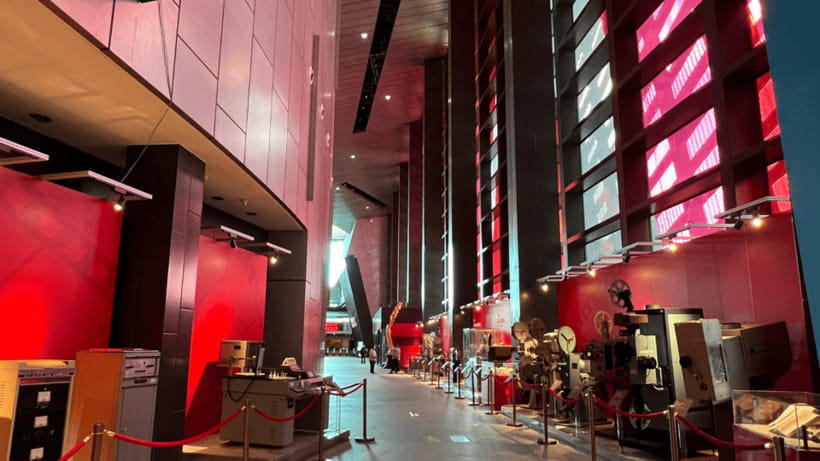
- Any technology-focused displays (these usually help you understand why styles changed)
Some visitors also mention dinosaur-themed exhibition areas as a memorable stop. If your visit includes those areas, it’s worth budgeting time for them. They tend to be the kind of moment that breaks up a heavy timeline and makes the museum feel playful, not just academic.





Movie halls and the IMAX GT hall: when you should add a screening
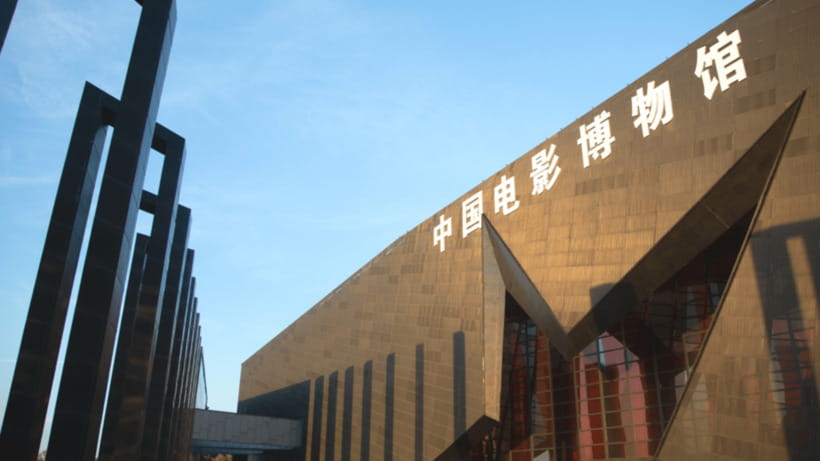
CNFM includes six movie halls that can hold audiences of over 1,000 people. One is an IMAX GT hall, which signals a more cinematic experience than a standard “sit and watch” setup.
But here’s the key point: paid movie screenings are not included. If you want to watch a screening during your visit, you’ll likely pay extra on top of your entry reservation.
So how do you decide? If you’re a film person who enjoys watching in big-format settings, plan to leave a window for a screening. If your goal is history-first, prioritize the exhibition floors and treat the movie halls as optional extras.
Either way, the museum’s structure makes sense: the exhibits teach context, and the movie halls give you the cinema atmosphere.
The included English guide: helpful, but don’t expect full translation everywhere
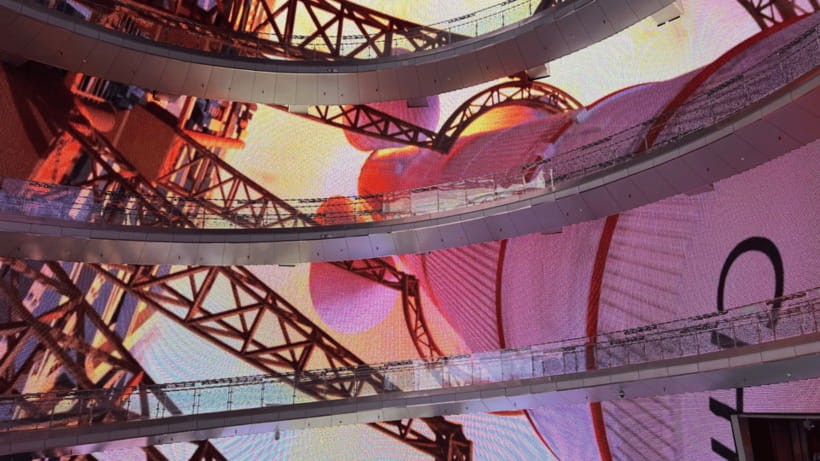
The activity includes an English version of the textual and visual guide, which is a major plus. It means you can understand what you’re seeing without relying purely on your own guesswork.
Still, plan with reality: the museum experience may be Mandarin-heavy in places. People have also noted that the information can be mostly in Chinese. That doesn’t make it “bad.” It just means you’ll get more out of the visit if you treat the English guide as the primary interpreter and you move with confidence instead of perfection.
My practical advice:
- Use the guide to understand the big sections before you zoom into details.
- If you get stuck reading a label, move on. The museum has enough flow that you won’t feel trapped.
- Don’t let one Chinese-only panel ruin your momentum. The overall structure is what gives the value.
Price and value: is $4.82 per person actually a good deal?
At about $4.82 per person for entry reservation, this is one of those “small price, big space” museum deals. You’re not only paying for access—you’re also getting an English version of the textual and visual guide.
That combination is what makes it good value for most visitors. A large museum is usually expensive in either time or money. Here, the money part is low, and the guide part helps you avoid wasting your time.
The main extra cost to be aware of is paid movie screenings. If you add one, your total spend will rise. But if you skip paid screenings, your costs stay close to the reservation.
So I’d call it a smart value pick if you:
- Want a history-focused cultural stop in Beijing
- Have about two hours and want it to feel meaningful
- Like understanding how industries evolve
Who should book this CNFM entry reservation?
This fits best if you want a film education without a complicated plan.
You’ll likely enjoy it if:
- You’re a film fan, even if your knowledge is informal
- You like museums where you can learn through exhibits rather than just reading
- You’re visiting with family and want something big enough to feel worth the trip
- You want English support without paying for a live guide
You might want to think twice if:
- You need full English everywhere inside the building
- You hate museums where you can’t rely on translations for every label
- You mainly want screenings and not history
Also, it’s wheelchair accessible, which is great for visitors who need that option.
Practical tips for a smooth two-hour visit
Keep it simple. Two hours in a place this size means you need short, decisive choices.
Bring your passport. No exceptions listed. Also, the museum bans smoking, so don’t plan on vaping breaks to “refresh” your reading stamina.
Timing-wise, you’ll choose an available starting time. Once you’re inside, focus on the exhibition areas on floors two to four because that’s the main narrative: A Century of History, A Century of Glory. Then add floor one as your context builder.
If you see dinosaur-themed areas and you have even a little energy left, carve out a few minutes. They’re a fun contrast point in a museum that otherwise leans documentary and historical.
Should you book? My call
Yes, I’d book this entry reservation if you want an easy, low-cost way into one of Beijing’s bigger film-focused cultural institutions. The included English guide boosts your odds of understanding what you’re seeing, and the QR code entry saves time at the gate.
Skip the booking only if you know you’ll be unhappy in a mostly Mandarin environment, or if your top goal is paid screenings and you’re already planning to spend a lot on movies. Otherwise, for a focused two-hour stop, this is a solid, practical pick with real value.
FAQ
How do I enter the museum using my reservation?
After you order, you receive an e-ticket by email or WhatsApp. Use the QR code provided separately for admission, and enter the museum directly with that code.
Do I need my passport?
Yes. A passport is required for this activity.
Is an English guide included?
Yes. The reservation includes an English version of the textual and visual guide.
Are movie screenings included?
No. The cost of paid movie screenings is not included.
Is the museum wheelchair accessible?
Yes, the museum is wheelchair accessible.
Can I cancel for a full refund?
Yes. You can cancel up to 24 hours in advance for a full refund.