REVIEW · BEIJING
Tickets to all Beijing attractions (Forbidden City optional)
Book on GetYourGuide →Operated by Sister tours · Bookable on GetYourGuide
Beijing can feel huge at first glance, but this plan helps. I really like how the ticket set ropes in the Forbidden City + Tiananmen Square story in one sweep, and I also like that it covers big-name landmarks like the Temple of Heaven and the Great Wall without you hunting for separate entry tickets. One consideration: the starting point can vary and the experience still involves a fair amount of walking, so you’ll want sturdy shoes and a clear starting plan.
What makes this different from a basic ticket hunt is the practical support: you get attraction tickets, an electronic guide map of scenic spots, and information consultation. The duration is short on paper (1–3 hours), which means it works best as an efficient primer for first-time visitors, not as a slow, sit-down kind of tour.
I’d also keep your expectations tied to what the details say: QR codes aren’t the ticket itself, and you’ll need passport info for the reservation. If you’re the type who likes total spontaneity and hates paperwork, this might feel like more admin than you want.
In This Review
- Key highlights worth planning around
- The core idea: a ticket bundle that saves you from ticket math
- Where you start matters more than you think (nine options change your whole flow)
- Forbidden City and Tiananmen Square: how to see the big story fast
- Temple of Heaven: the landmark you’ll recognize even if you don’t know the details yet
- Great Wall + Summer Palace + Lama Temple: one plan, three different moods
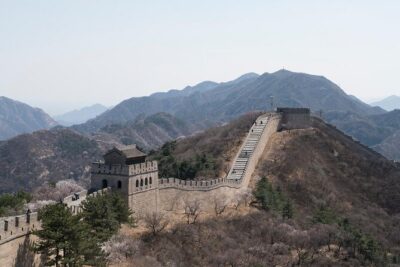
- Great Wall of China (the “Seven Wonders” stop)
- Summer Palace
- Lama Temple (Yonghe Palace)
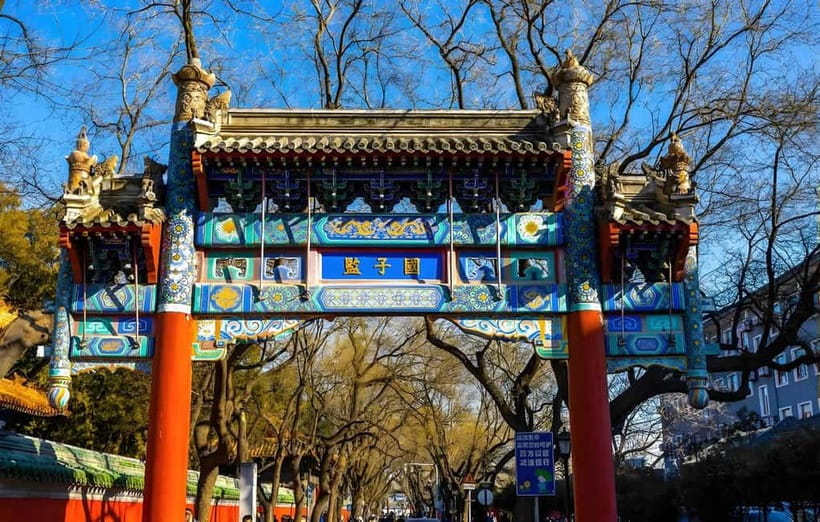
- Guozijian and the imperial education angle: learning without a lecture
- Tickets, maps, and the “fast and efficient” feel
- Price and value: why a low figure can still make sense
- What to bring (and what will annoy you if you forget)
- The guide factor: when English clarity makes a difference
- Who should book this, and who should skip it
- Quick guide to logistics you’ll actually feel on the ground
- Should you book this Beijing attraction ticket experience?
- FAQ
- How long is the experience?
- What attractions are included in the ticket bundle?
- Is there a guide involved?
- Can I skip the ticket line?
- Where do we meet?
- Is this tour wheelchair accessible?
- What should I bring?
- Are there restrictions on what I can bring?
- Do I need passport information to reserve?
- Is the GetYourGuide QR code a valid ticket?
- Is the experience suitable for everyone?
Key highlights worth planning around
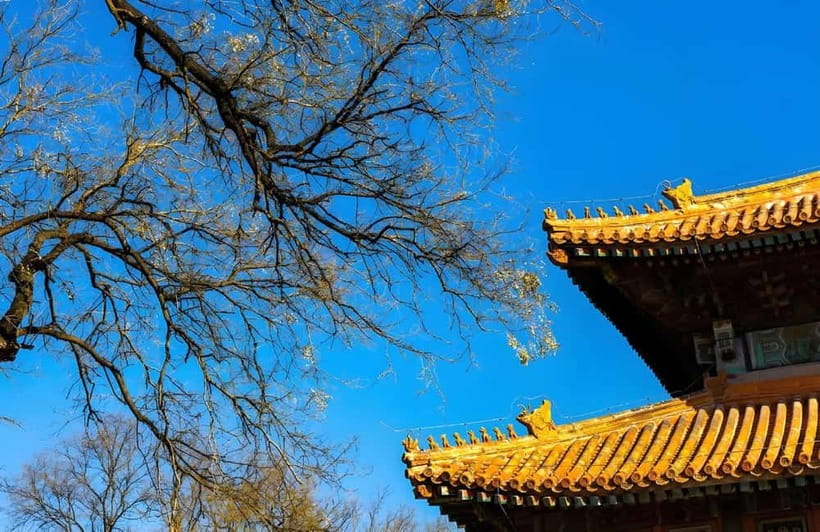
- Skip-the-ticket-line access so you spend less time waiting and more time looking
- Major Beijing icons bundled together, from the Forbidden City to the Temple of Heaven
- Great Wall exposure (as one of the Seven Wonders of the World) plus palace and temple stops
- Guozijian focus with a guided segment and learning about imperial education sites
- Multiple possible starting locations so you can match your day’s route
The core idea: a ticket bundle that saves you from ticket math
This experience is built around one simple goal: getting you into several of Beijing’s top attractions without doing the whole ticket-buying maze from scratch. The headline price is listed as $3.46 per person, but it’s important to understand that the total you see is made from three parts: the real attraction ticket price, plus platform and purchasing fees.
That fee breakdown is exactly why I look at the value like this: if you were buying these sights one by one, you’d be spending time on multiple transactions, multiple checkpoints, and multiple chances to mess up your timing. Here, you’re consolidating the process. The savings aren’t only about money. You’re buying back decision fatigue.
Also, the time window is short. That doesn’t make it shallow. It just means you’ll likely move quickly through highlights rather than spending an entire day on every wall, hall, and courtyard. If you want a “see it once, understand the big picture” day, that’s where this works.
You can also read our reviews of more tours and experiences in Beijing
Where you start matters more than you think (nine options change your whole flow)
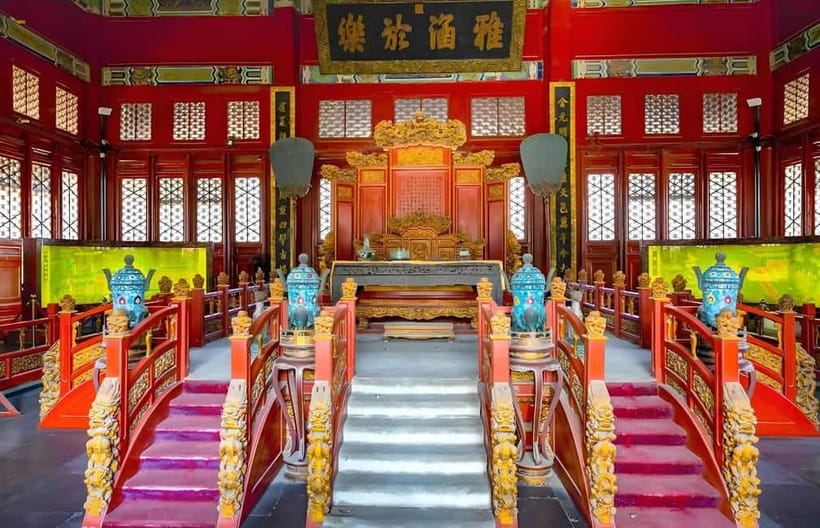
You don’t have one fixed departure point. You pick from nine starting location options, including places like 天安门广场 (Tiananmen Square), 恭王府 (Prince Gong’s Mansion), 午门 (Meridian Gate), 景山公园 (Jingshan Park), 天坛公园南门 (Temple of Heaven Park South Gate), and 雍和宫 (Yonghe Palace). There’s also a few other options listed as meeting points.
That flexibility is great for two reasons:
- It can reduce backtracking. If you’re already near, say, Jingshan Park, choosing a nearby start saves time.
- It lets you shape your “story arc.” Starting near Tiananmen Square nudges your day toward the political center first. Starting near Yonghe Palace or Prince Gong’s Mansion can tilt it toward cultural neighborhoods and temple life.
The flip side: because the meeting point can vary, you need to be organized about where you’re headed first. If you show up confused, you’ll burn minutes trying to find the right spot. With Beijing crowds and security lines, those minutes matter.
Forbidden City and Tiananmen Square: how to see the big story fast
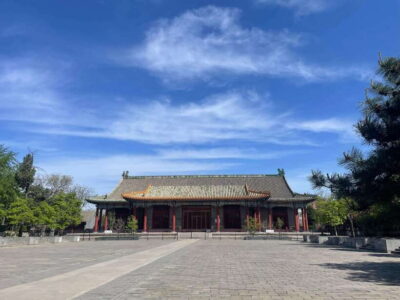
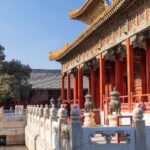
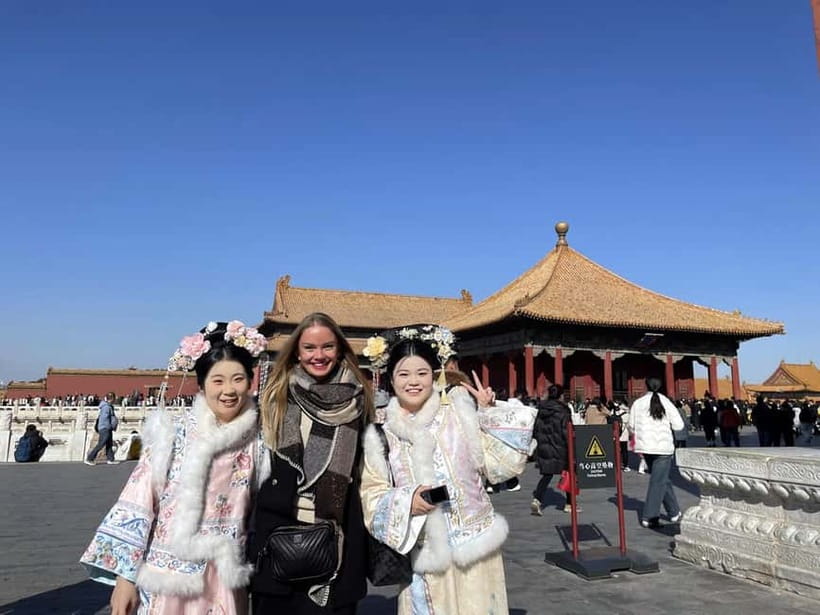
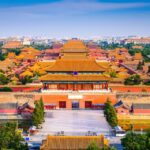
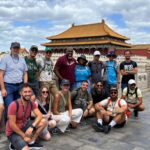
When people say Forbidden City and Tiananmen Square together, they mean Beijing’s power story in two forms: the palace as the throne’s stage, and the square as the public stage of the modern state. This experience is designed to connect those dots.
I like that it’s not just about checking boxes. The focus is described as learning the history behind both sites, which is the difference between walking through rooms and actually understanding why they were arranged the way they were.
A practical note: these are major, high-traffic sites. Even with the ticketing support and skip-line approach, you should still expect queues around security and entry processes. The “skip” helps, but it doesn’t make the sites magically empty.
If you’re new to Beijing, this is the type of day that helps you get your bearings fast. You’ll leave knowing what you saw and why it matters, instead of treating everything like generic “old buildings.”
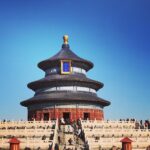
Temple of Heaven: the landmark you’ll recognize even if you don’t know the details yet
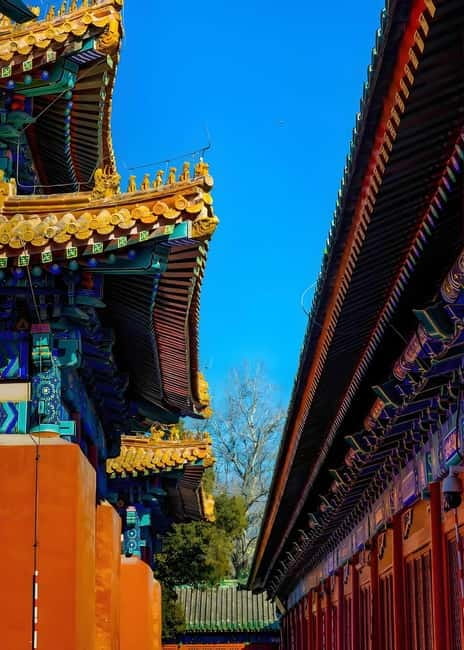
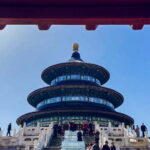
The Temple of Heaven is listed as a key Beijing landmark, and once you’re there, it’s one of those places where the architecture does a lot of the explaining. Even if you don’t arrive with background knowledge, the scale and layout make the purpose feel readable.
This stop also helps balance the day. Forbidden City is dense with palace power. Temple of Heaven is more open, more ceremonial, and it’s a change of pace. That matters if your feet are already feeling it.
The tour format here is set for efficient learning. You’re not expected to master every fact. You’re meant to understand the main idea: the religious and ceremonial role that tied sky and ritual to imperial life. After this, you’ll probably find you notice more details elsewhere—like the way structures align and how the space is organized.
Great Wall + Summer Palace + Lama Temple: one plan, three different moods
This experience doesn’t treat Beijing as one style of attraction. It stacks different atmospheres so your day doesn’t blur together.
You can also read our reviews of more city tours in Beijing
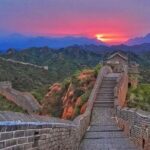
Great Wall of China (the “Seven Wonders” stop)
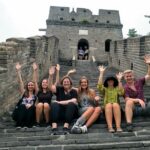
Great Wall is included as one of the Seven Wonders of the World. That matters because it frames the wall as more than a photo stop. It’s included to give you that sense of scale that only the Great Wall can create.
The careful way to think about it: you might not be walking for hours. The overall tour duration is listed as 1–3 hours, so you’ll likely get a highlight-style experience rather than an all-day hike. If your dream is a long, strenuous trek, plan a dedicated Great Wall day separately.
Summer Palace
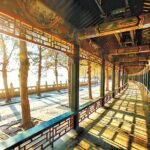
Summer Palace adds palace scenery and water views into the mix. It’s a good counterweight to Forbidden City’s compact authority. I like adding at least one “leisure palace” type of stop in a short itinerary because it changes how you interpret the other palaces.
Lama Temple (Yonghe Palace)
Lama Temple (also known through its common association with Yonghe Palace) brings a religious, everyday-life feel that’s different from the court-centered sites. It’s listed as a highlight, so you can expect it as a structured part of your route rather than a random detour.
If you like variety—history, ritual, architecture, and scenery—this combination makes sense. If you only want one major site and everything else is noise, you may feel slightly rushed.
Guozijian and the imperial education angle: learning without a lecture
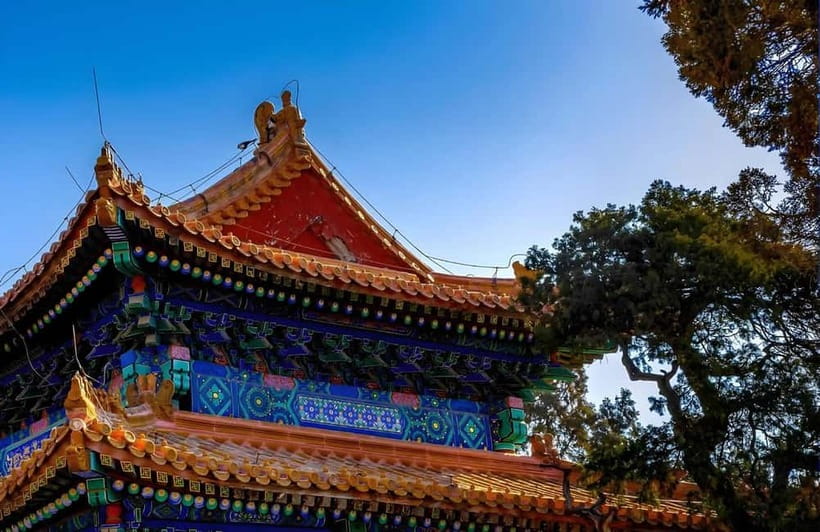
One itinerary segment specifically includes Guozijian, listed as a guided sightseeing walk with an expected duration of about 1 hour. Guozijian is tied to imperial education in Beijing, which is a smart topic because it explains how knowledge, rank, and the state were connected.
I like that this is a learning stop that isn’t only about buildings. It gives you a new lens. After seeing an education-related site, the rest of the palace and temple architecture can start to look less random. Even if you don’t leave with a full timeline, you’ll walk away with a better sense of how the system worked.
Also, this stop fits the short duration goal. A guided walk works well when you have limited time and you want your questions answered without digging through books.
Tickets, maps, and the “fast and efficient” feel
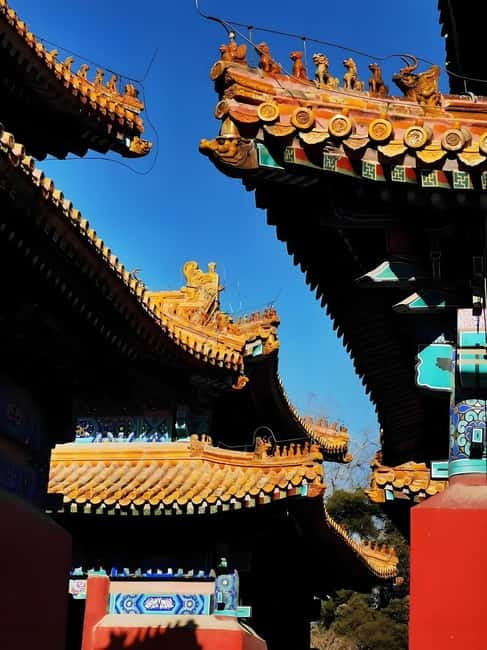
Included in the experience are attraction tickets, an electronic guide map of scenic spots, and information consultation. That combo is useful because it covers both sides:
- Tickets get you through the entry problem.
- Maps and consultation keep you from wandering in circles.
A detail that really affects how smooth your day goes: the GetYourGuide QR code is not treated as a valid ticket by itself. The guidance is to communicate via WhatsApp or wait for a confirmation email. Translation: don’t assume the QR code alone will get you in.
I also appreciate that the tour is described as operating in all weather conditions. That’s a big practical point for Beijing. You can’t plan your whole day around sunshine. You dress for the day you get.
Price and value: why a low figure can still make sense
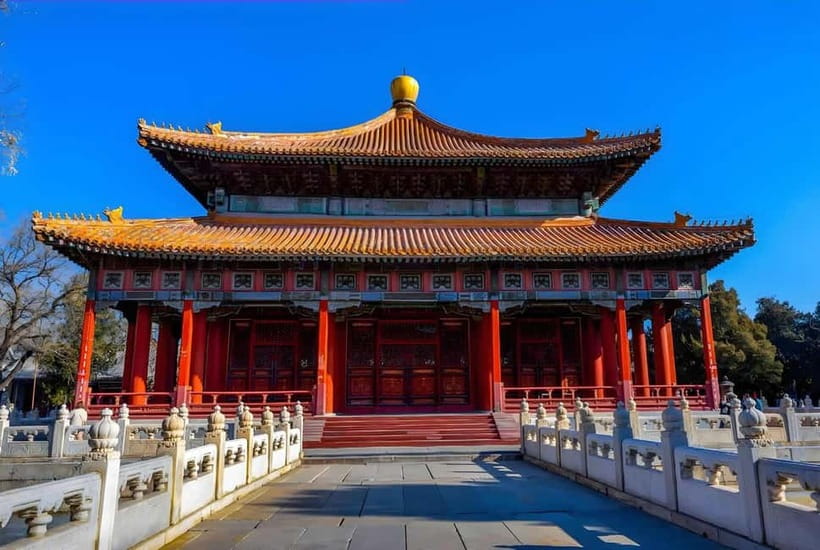
Yes, the price is shown as $3.46 per person. That feels almost too good to be true, so I approach it with a simple checklist:
- Does it include actual attraction tickets? Yes.
- Does it reduce waiting time? It says skip the ticket line.
- Do I get some form of guidance? There’s an electronic guide map and information consultation.
So you’re mostly paying to consolidate access and reduce friction. You’re not buying a private driver and a full-day escorted program. The duration range (1–3 hours) also points to an efficient highlights plan.
That’s where the value lands. If it fits your schedule and starting point, you’ll likely feel you got your money’s worth quickly. If you wanted a slow guided museum day with long explanations and deep pacing, you might find the format doesn’t match your style.
What to bring (and what will annoy you if you forget)
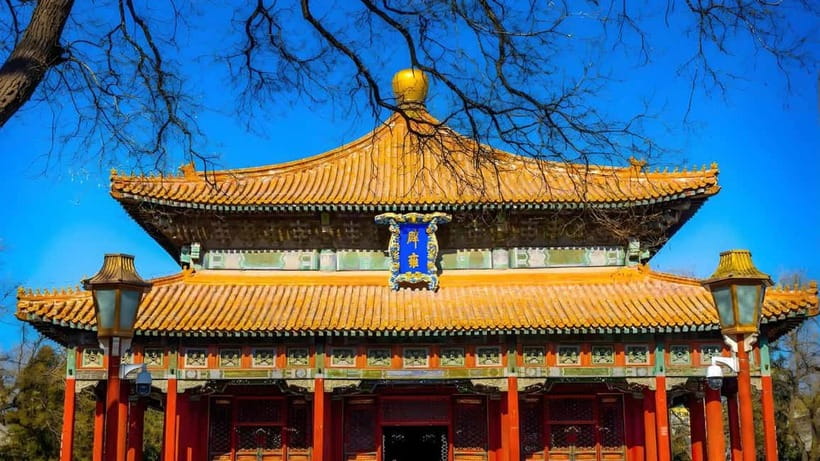
This experience is mostly outdoors with a moderate amount of walking. Here’s what you should pack because the tour details explicitly ask for it:
- Comfortable shoes
- Hat
- Camera
- Sunscreen
- Water
If you forget water or sunscreen, you’ll feel it fast. Beijing sun and wind can be a lot, even when you think you’re dressed for the weather.
Also remember what you can’t bring: pets, drones, alcohol and drugs, and fireworks. Don’t show up with any of those and expect flexibility.
The guide factor: when English clarity makes a difference
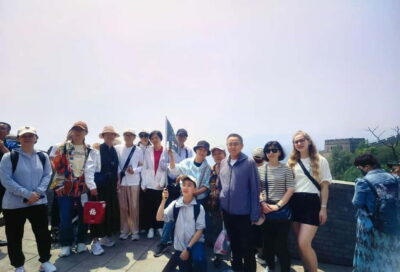
One of the best bits of feedback tied to the experience is how helpful the guide can be. A guide named Mina was praised for very good English and for making the afternoon enjoyable while learning about the Forbidden City.
Now, that doesn’t mean every booking will have the same person. Still, it tells me something important: the human element (when provided) is a big part of why the time feels worth it. If you’re trying to understand what you’re seeing, clear English matters more than you’d think.
If you prefer self-guiding with just maps, you might still get value. But if you want the story connected, I’d lean toward the option that includes a live guide segment.
Who should book this, and who should skip it
This works best for:
- First-time visitors who want a fast orientation across Beijing’s biggest “must-see” landmarks
- People who hate ticket-buying chaos and want skip-the-line access options
- Travelers who like history explained in a practical, walking-friendly way
- Anyone who can commit to a moderate walking day and wants a short overall duration
It’s less ideal for:
- People over 95 years (it’s stated as not suitable)
- Anyone expecting a full-day, slow-paced, deeply paced tour of every site
- People who strongly dislike planning around reservations and passport details
Quick guide to logistics you’ll actually feel on the ground
Here are the details that can trip you up if you ignore them:
- Your meeting point may vary depending on the option you book.
- Expect a moderate walk, so shoes matter.
- The tour runs in all weather, so dress for rain or cold.
- You may need to provide passport information in advance (full name, passport ID, date of birth, gender) to complete the reservation.
- If you’re relying on a QR code as the ticket, don’t. It’s not considered valid on its own; follow the instructions about WhatsApp communication or the confirmation email.
Do these and the experience tends to feel straightforward.
Should you book this Beijing attraction ticket experience?
Book it if you want a time-efficient, ticket-focused way to hit Beijing’s heavyweight sites and leave with a clearer storyline. The biggest wins for most people are the skip-line approach, the electronic map support, and the way the plan connects major places like the Forbidden City, Tiananmen Square, Temple of Heaven, and other top landmarks.
Skip it if you need a full-day deep-dive pace or if you hate reservation admin. This is a highlights plan with practical support—not a loose, free-roaming adventure.
If you’re a first-timer, I think you’ll like how quickly you get your bearings, especially if you end up with a guide who can explain the places clearly.
FAQ
How long is the experience?
The duration is listed as 1 to 3 hours, depending on availability and starting times.
What attractions are included in the ticket bundle?
The experience lists tickets for major Beijing attractions such as the Forbidden City (optional), Tiananmen Square, the Temple of Heaven, the Summer Palace, the Great Wall, the Bell and Drum Tower, the Lama Temple, Prince Gong’s Mansion, the Temple of Confucius, and the Imperial College.
Is there a guide involved?
An itinerary step includes a guided tour segment, but the details also state tour guide is not included. If you need a live guide, confirm what your specific booking includes.
Can I skip the ticket line?
Yes, skip-the-ticket-line access is indicated.
Where do we meet?
The meeting point may vary depending on the starting option you book.
Is this tour wheelchair accessible?
Yes, wheelchair accessibility is listed.
What should I bring?
Bring comfortable shoes, a hat, a camera, sunscreen, and water.
Are there restrictions on what I can bring?
Pets, drones, alcohol and drugs, and fireworks are not allowed.
Do I need passport information to reserve?
Yes. Passport information (full name, passport ID, date of birth, gender) may be required in advance to complete the reservation.
Is the GetYourGuide QR code a valid ticket?
No. The QR code is not considered a valid ticket on its own. You should communicate via WhatsApp or wait for a confirmation email.
Is the experience suitable for everyone?
It’s stated as not suitable for people over 95 years.