REVIEW · BEIJING
Mutianyu Great Wall 5-KM Guided Hike with Uphill Cable Car
Book on GetYourGuide →Operated by Beijing Mubus · Bookable on GetYourGuide
Cable car mornings beat the line life. This guided hike keeps your day focused on Mutianyu’s best sections, with a 5-km walk and skip-the-ticket-line convenience. I like that you get a structured route (Tower 14 up top, then guided hiking toward Tower 20) and a guide who helps you move smart instead of wandering.
The catch: this is physically demanding, with uneven steps and steep sections—so you’ll want solid knees and stamina.
If you want the Great Wall without the whole theme-park vibe, this one leans toward real walking and less waiting. It’s also built around “less traveled” viewpoints and pathways, which is exactly what you want on a day trip.
In This Review
- 5 key moments that make this Mutianyu hike worth it
- Mutianyu Great Wall: the day structure that keeps you from wasting daylight
- Getting there from Dongzhimen: simple bus logistics, clear meeting point
- Cable car to Watchtower 14: saving energy for the real wall time
- The guided 5-km hike: how Tower 14 to Tower 20 actually plays out
- Why the “secret pathways” matter: fewer people, more wall feel
- Views at the summit: what you’re chasing near Tower 20
- The MuBus break: tea, snacks, and a practical reset before the ride back
- Price and value: what you’re paying for and what might cost extra
- Pace, safety, and who should skip this hike
- The guide experience: English support and real human help
- What the day feels like: an 8-hour wall-focused escape
- Should you book the Mutianyu 5-km guided hike with cable car?
- FAQ
- How long is the Mutianyu Great Wall 5-km guided hike?
- Where do I meet for the tour in Beijing?
- What parts of the Great Wall does the hike focus on?
- Is the cable car included?
- Is a guided English-speaking tour included?
- What should I bring?
- What kind of walking difficulty should I expect?
5 key moments that make this Mutianyu hike worth it
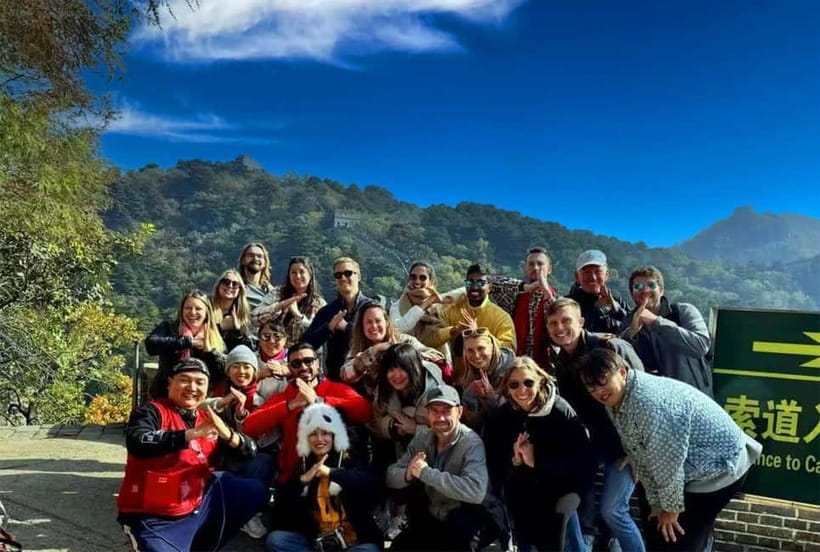
- Tower 14 cable car start: you save energy early and aim for the views instead of the grind at the gate
- Guided 5-km route: a clear plan from Watchtower 14 toward the summit area around Tower 20
- Secret pathways and photo breaks: you’re not stuck only on the main tourist ribbon of wall
- MuBus rest stop with tea/snacks: time to reset before your return ride
- Skip-ticket-line plus shuttle transfer: the day runs smoother than doing it solo
Mutianyu Great Wall: the day structure that keeps you from wasting daylight
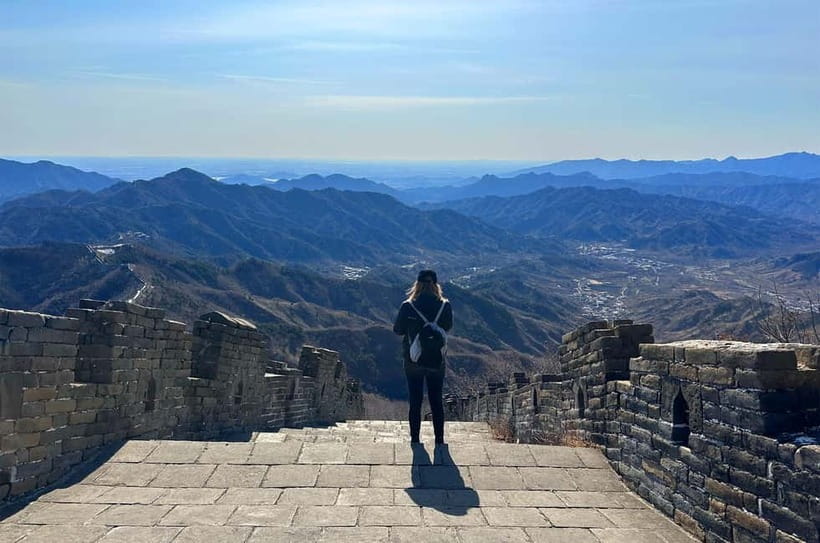
Mutianyu is one of the most popular Great Wall sections, but this tour tries hard to keep your time on the wall instead of in queues. You’re also not left to figure things out. The day has a rhythm: meet in Beijing, ride out by bus, then walk a set, guided segment with purposeful stops.
I especially like that this feels no-shopping. That may sound like marketing, but on the ground it means your schedule stays centered on hiking and views. You’re not dragged into a side detour during what should be a long Great Wall day.
One practical note: the tour is built for walkers. The itinerary itself assumes you’ll handle stairs, slopes, and a sustained effort over several hours. If you’re the type who hikes a bit at home and keeps moving on vacation, you’ll probably feel at home here. If not, you might spend the day negotiating with gravity.
You can also read our reviews of more guided tours in Beijing

Getting there from Dongzhimen: simple bus logistics, clear meeting point
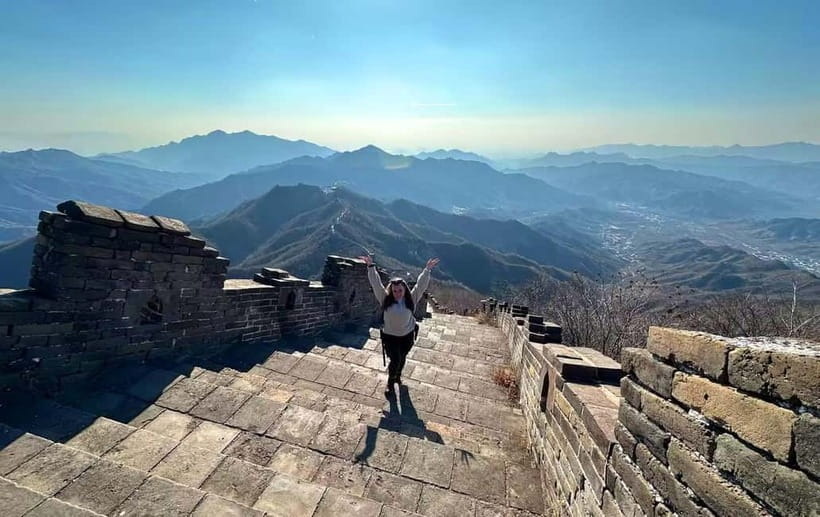
Your meeting point is Subway Line 2 at Dongzhimen Station, Exit B1. That matters because Dongzhimen is busy and easy to get turned around in if you arrive late or wander out the wrong exit.
From there, you’ll take a coach/bus for about 1.5 hours to Mutianyu. Your guide typically uses this drive time to set expectations—what to wear, how to pace the hike, and what to watch for once you reach the wall. Then you arrive and start walking.
The return works the same way: you board the bus after a late-afternoon reset at the base area and get back to Dongzhimen around 16:30. That “back by early evening” timeline is one of the biggest value points for people who don’t want to lose a whole day to logistics.
Cable car to Watchtower 14: saving energy for the real wall time
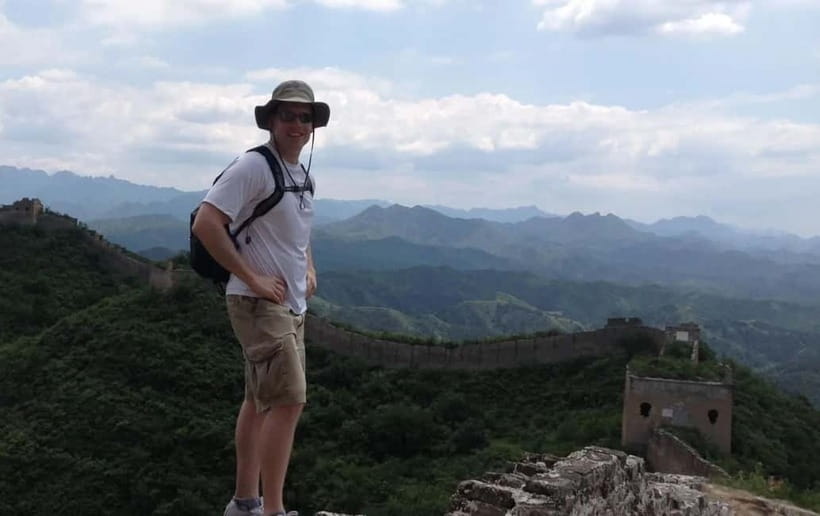
The day’s first big move is the uphill cable car to Watchtower 14. Even if you enjoy climbing, cable car access changes the whole feel of the outing. You go into the hike with less fatigue and more momentum, which helps a lot when you hit steeper sections later.
The other reason this matters: once you’re up there, the tour is guided through key wall areas rather than you guessing your way across towers and ramparts. Tower 14 is your launching point, and from there you follow the guide to reach the summit area near Tower 20.
Here’s the one thing to double-check: the package says the uphill and downhill internal shuttles and the Great Wall uphill cable car are included. Still, one recent report said an extra payment was required on arrival for the return cable car and access to a non-tourist wall section. So treat that as a potential variable—check with your operator before you go, and keep a little cash on hand just in case.
The guided 5-km hike: how Tower 14 to Tower 20 actually plays out
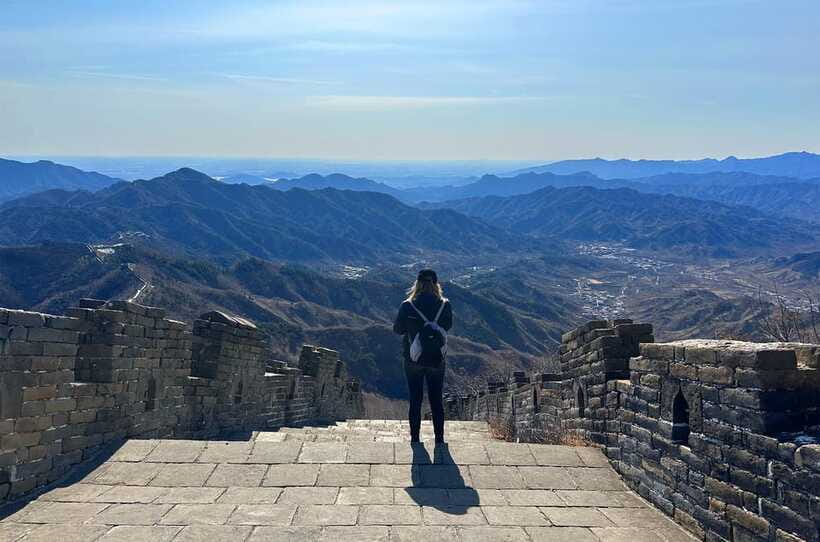
On paper, the hike is straightforward: a guided trek that takes you from the cable car arrival at Watchtower 14 toward the summit near Tower 20, then back. In practice, the experience is about how the route is organized.
A few key points you can plan around:
- You’ll hike about 5 kilometers total with a guide.
- You’ll spend long enough on the wall to get real views and wall texture, not just a quick stamp-and-go.
- The route is designed with changing wall conditions in mind—some restored areas, plus sections that can feel more rustic.
One important clarification from real-world experience: you may not cover every tower number you can see along the main tourist wall. Instead, you’ll follow a path that focuses on the highlights, then branch off into a longer “secret” stretch.
That’s a good thing if you hate crowds and want photos that don’t look like the same postcard shot. It can be a drawback if you’re tower-number obsessed and expect the tour to touch all 20 towers in order. If your goal is the full “greatest hits” of every tower, you might feel slightly shorted. If your goal is views plus effort, this route is more satisfying.
Why the “secret pathways” matter: fewer people, more wall feel
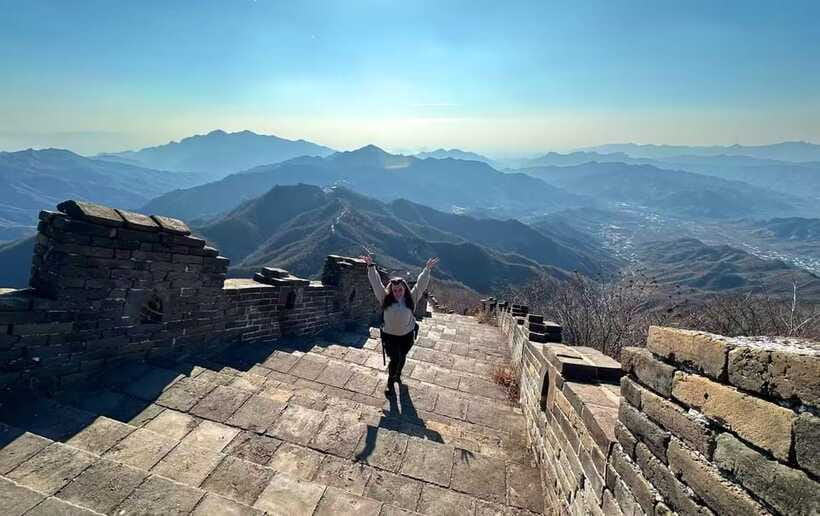
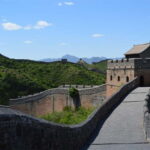
The most praised element across the reports is the quieter section of wall and the off-main-path segments where you get better angles and a more authentic feel. The point isn’t that the wall is magic just because it’s less crowded. It’s that you spend less time pushing past photo crowds and more time actually looking at the structure.
This is where the guide earns their keep. In at least a couple of reports, guides like Taka and CiCi were described as kind, attentive, and willing to lead you along routes that many visitors never see. That matters because “secret path” isn’t magic words. It’s navigation and timing—when to slow down, where the steep or slippery parts are, and how to move so you don’t waste energy.
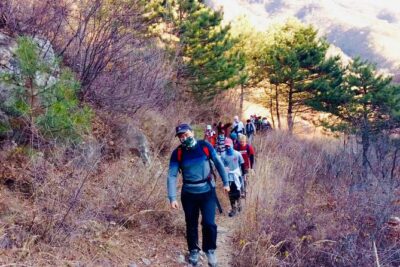
In one report, the walk got more challenging on the less-restored section, with steeper, slippery segments and lots of grass and bushes to work around. That’s exactly the trade-off: the more “authentic” the wall feels, the more you should expect rougher footing.
If you’re comfortable hiking on uneven outdoor steps and you bring the right shoes, this is often the part you’ll remember most.
You can also read our reviews of more hiking tours in Beijing
Views at the summit: what you’re chasing near Tower 20
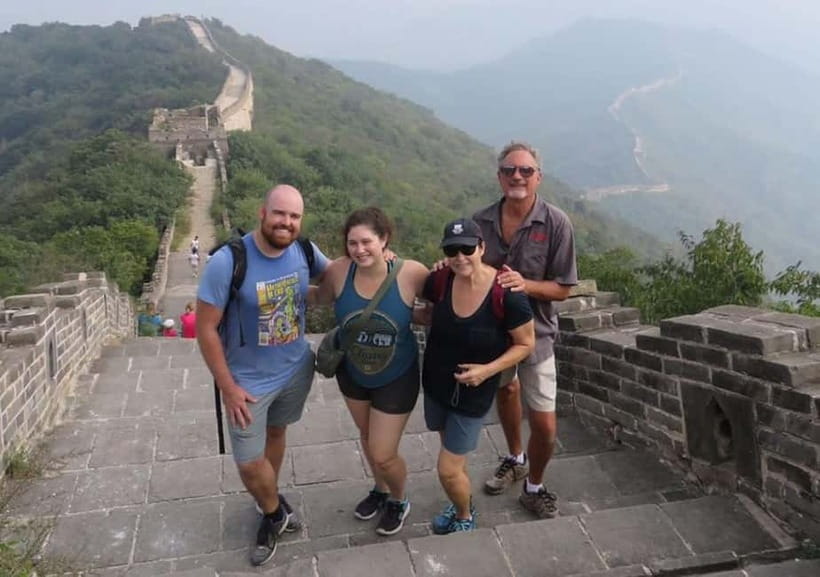
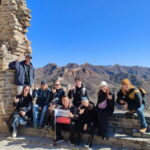
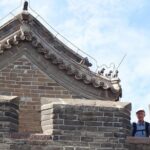
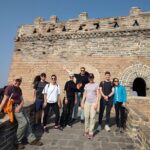
Tower 20 is the summit goal area, which means you’re working toward that higher vantage where the wall stretches out and you can see the contours of the mountains.
What makes this satisfying is the pacing. You start with the cable car, then hike long enough to feel the effort. Then you hit the summit region, and the view usually feels like payoff rather than just another lookout platform.
If the day is clear, your photo chances improve. One report mentioned a day with fewer tourists and clear weather, which amplified the experience. If weather is poor, don’t force it—this tour may cancel under heavy rain or strong winds, and that’s for your safety.
The MuBus break: tea, snacks, and a practical reset before the ride back
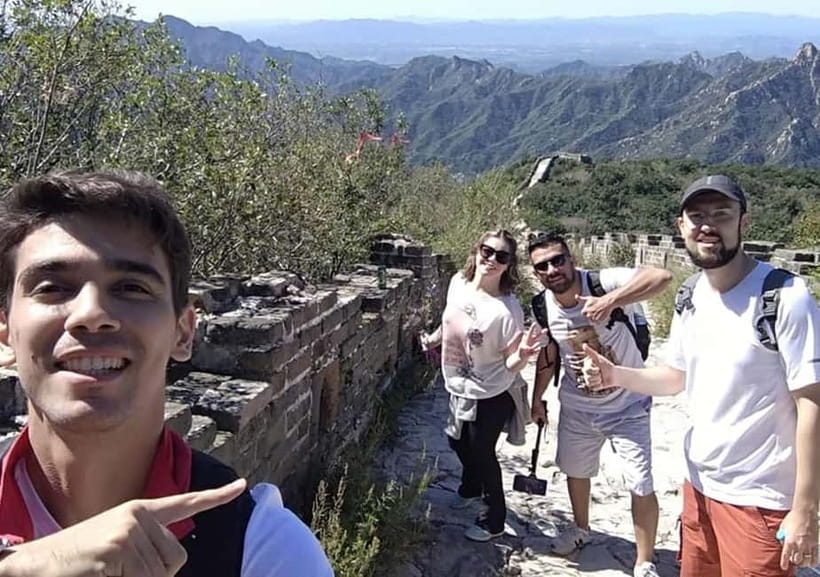
After the hiking segment, you head back to the MuBus visitor center around mid-afternoon. This is a smart setup: Great Wall hikes can leave you dehydrated and stiff. The schedule gives you time to reset.
From the information you’re given, you can expect complimentary tea and snacks. You also have time for lunch, with a 40-minute lunch window, and the MuBus Wall Restaurant buffet is recommended for a proper meal in the countryside setting.
One review also mentioned lunch waiting back at base camp, which is what you want after a long trek: you don’t need to hunt for food while your legs are negotiating with you.
This stop also matters logistically. It’s where you catch your breath, check your water, and prepare for the return ride without sprinting.
Price and value: what you’re paying for and what might cost extra
The listed price is $54 per person for an 8-hour day. That sounds reasonable when you consider the moving parts: round-trip bus from Beijing, entrance ticket to Mutianyu, an English-speaking guide, and the guided hike portion with internal transport included.
Now the reality check: one report said there was an additional RMB150 per person paid on arrival—broken down as 140 RMB for the return cable car plus 10 RMB for access to a non-tourist wall section. Another detail in the information you were given notes a separate option: a toboggan downhill ride can cost about ¥100 if you want it.
So how do you judge value?
- If the extra RMB150 doesn’t apply to your specific booking, you’re getting a lot of built-in convenience for one day: bus + guide + ticket + guided route.
- If it does apply, the tour is still likely worth it for most people because it’s guiding you through more than a basic “walk to one tower and back” experience. You’re paying to spend your time on the wall, not solving logistics.
My advice: plan on the advertised price, but don’t treat it like a guaranteed “all-in” total. Bring a bit of cash, and confirm the exact cable car and any special-section fees with the operator ahead of time. That one step can prevent a last-minute surprise.
Pace, safety, and who should skip this hike
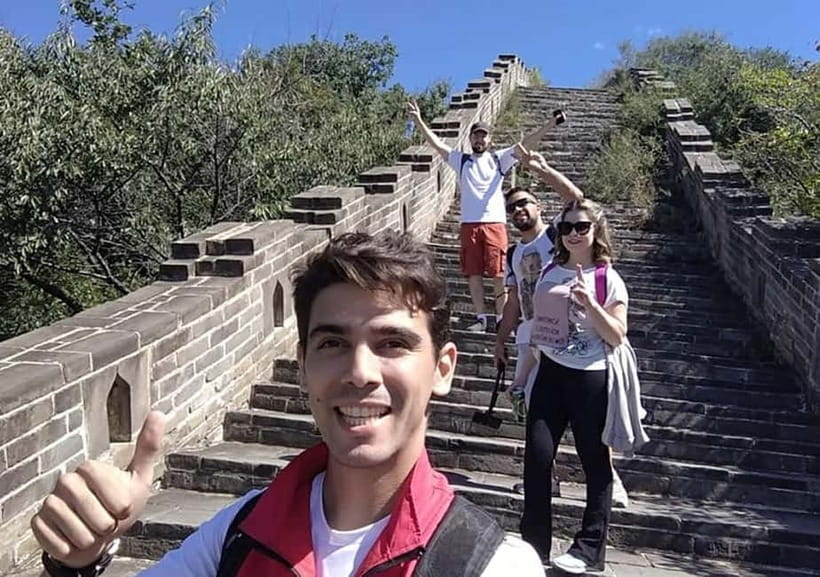
This tour has a blunt advisory: it’s physically demanding and not for everyone. You should not book if you have knee, joint, heart, or breathing problems, and you also shouldn’t book if you aren’t active regularly.
That’s not just boilerplate. The route includes steep sections and rougher parts, especially on the less-restored “secret” segments mentioned in reports. If you struggle on stairs at home, don’t gamble with your vacation.
Also, it’s not suitable for pregnant women, people with mobility impairments, or those with recent surgeries. If you’re unsure, treat this as a “no” until you’ve checked with a doctor.
On a practical level, bring proper hiking gear and water, and wear shoes that can handle wet or uneven stone. Heavy rain or strong winds can cancel the day too, so be flexible.
The guide experience: English support and real human help
A major selling point here is the English-speaking tour guide. In multiple reports, guides were described as kind, helpful, and focused on getting you to a great day.
Two guide names came up: CiCi and Taka. CiCi was praised for being supportive and also suggesting local restaurants back in Beijing. Taka was praised for leading people along secret routes and handling the day with care, even with schedule stress due to flight delays.
That said, one report flagged a mismatch: a guide who did not speak English as expected. It was a single outlier, but it’s still a reminder to check what’s guaranteed in your booking confirmation. If English-language communication is crucial for you, confirm with the provider ahead of time.
What the day feels like: an 8-hour wall-focused escape
This isn’t a casual stroll. It’s more like a planned hike with a view finish and a food reset built in.
The general flow goes like this:
- Morning meet-up at Dongzhimen Station (Exit B1)
- Bus ride to Mutianyu
- Cable car up to Watchtower 14
- Guided hike toward Tower 20
- Return to the MuBus base for lunch/time to unwind
- Bus back to Beijing, arriving around 16:30
If you like structure, you’ll appreciate it. If you prefer total freedom, this isn’t that kind of day. The trade-off is that your effort goes toward the best wall segments instead of wandering and guessing.
Should you book the Mutianyu 5-km guided hike with cable car?
Book it if you want a Great Wall day that’s guided, wall-centered, and built for real walking. You’ll likely love the combination of cable car energy saving, the Tower 14 to Tower 20 goal, and the quieter wall segments that help you feel like you’re moving through the Great Wall—not lining up at it.
Skip it if you’re dealing with knee/joint/heart/breathing issues, you’re not usually active, or you want an easy, flat experience. This tour asks your body to work.
If you do book, go in with good shoes, water, and a small buffer for possible add-ons like the return cable car fee or special-section access.
FAQ
How long is the Mutianyu Great Wall 5-km guided hike?
The tour runs for about 8 hours.
Where do I meet for the tour in Beijing?
Meet at Subway Line 2, Dongzhimen Station Exit B1.
What parts of the Great Wall does the hike focus on?
You’ll take the cable car up to Watchtower 14, then hike with your guide to the summit near Watchtower 20 before heading back.
Is the cable car included?
The tour includes the uphill cable car. Note that one report indicated there may be extra payment for the return cable car, so it’s smart to confirm details with the operator.
Is a guided English-speaking tour included?
Yes. The tour includes an English-speaking guide.
What should I bring?
Bring a passport, and you’ll also want proper hiking gear and water.
What kind of walking difficulty should I expect?
This is a physically demanding hike. It may not be suitable if you have knee, joint, heart, or breathing problems, or if you don’t stay active regularly.