REVIEW · BEIJING
Beijing:Forbidden City–Reveal Secrets Behind Red Walls
Book on GetYourGuide →Operated by Coco&Molly · Bookable on GetYourGuide
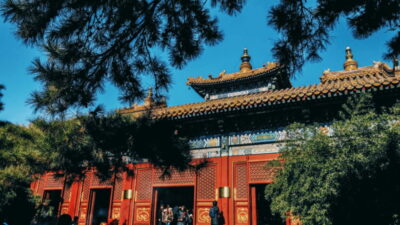
Red walls, real drama, plus a history game. This small-group Beijing Forbidden City tour turns Ming-Qing palace life into a guided walk you can follow, with edited photos/videos included.
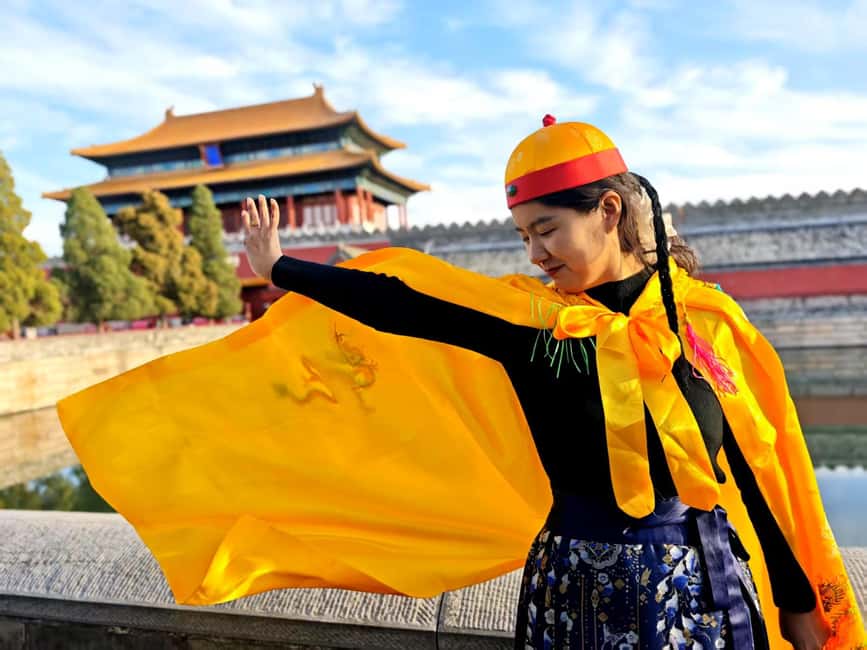
I especially like how Coco and Molly mix palace facts with interactive deduction, pointing out details so you solve clues instead of just hearing dates. I also like the memory work: you get edited images, and one guide records the whole walk so you have video of your visit to keep.
Plan around security checks at the entrances, which can mean extra waiting time beyond the ticket line, and the tour is not suitable for wheelchair users or anyone over 95.
In This Review
- The key things I’d bet on
- Choosing your Forbidden City Decoder: A, B, or Ticket-Only C
- Morning-or-noon timing: how a 4-hour plan changes the visit
- Getting oriented fast: the Central Axis, the symbolism, and your “decoder” mindset
- Meridian Gate to Gate of Supreme Harmony: reading power at the entrance
- Hall of Supreme Harmony and the “three harmony” sequence
- Palace of Heavenly Purity: where the ruler’s world gets explained
- Earthly Tranquility plus tea ceremony: the best place to reset
- Imperial Garden and Gate of Divine Prowess: a softer finale with photos built in
- Price and value: what $10 is really buying you
- Who this tour suits best (and who should skip it)
- Day-of tips that prevent common headaches
- Quick comparison: what you’ll get from each option
- Should I book the Coco&Molly Forbidden City Decoder?
- FAQ
- What are the main tour options?
- How long does the experience take?
- Where do we meet for the tour?
- Is the illustrated handbook required?
- What’s included in the price?
- What is not included?
- Do I need my passport?
- Are there security checks?
- Is this tour suitable for everyone?
The key things I’d bet on
- Decoder-style guiding that turns the Central Axis into a story you can actually track
- Yin-Yang + Five Elements tied to what you see in imperial architecture
- Imperial Identity interactive experience with a handbook for certain options
- Memory preservation with edited photos/videos and lots of photo angles along the way
- A structured break that includes tea ceremony and food tasting, not just standing in crowds
Choosing your Forbidden City Decoder: A, B, or Ticket-Only C
This experience comes in three formats, and picking the right one changes what you get out of the day.
Option A: Forbidden City Decoder (Small Group) is the sweet spot if you want an engaging group walk without it feeling rushed. It lasts about 3.5–4 hours and meets at Donghua Gate. You’ll use an illustrated handbook during the trip, and the route follows iconic sites along the Central Axis.
Option B: Forbidden City Decoder (Private Tour) is for people who want flexibility. It runs about 4–4.5 hours, also meets at Donghua Gate, includes the illustrated handbook, and supports customized routes and itinerary arrangements.
Option C: Ticket Only is exactly that: you get the Forbidden City ticket, but no attraction storyteller. If you’re the type who likes to read on your own with a map and guidebooks, this can work. If you want the symbolic explanation and the interactive learning, you’ll miss the main point.
You can also read our reviews of more city tours in Beijing

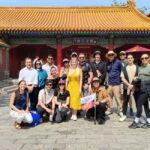
Morning-or-noon timing: how a 4-hour plan changes the visit
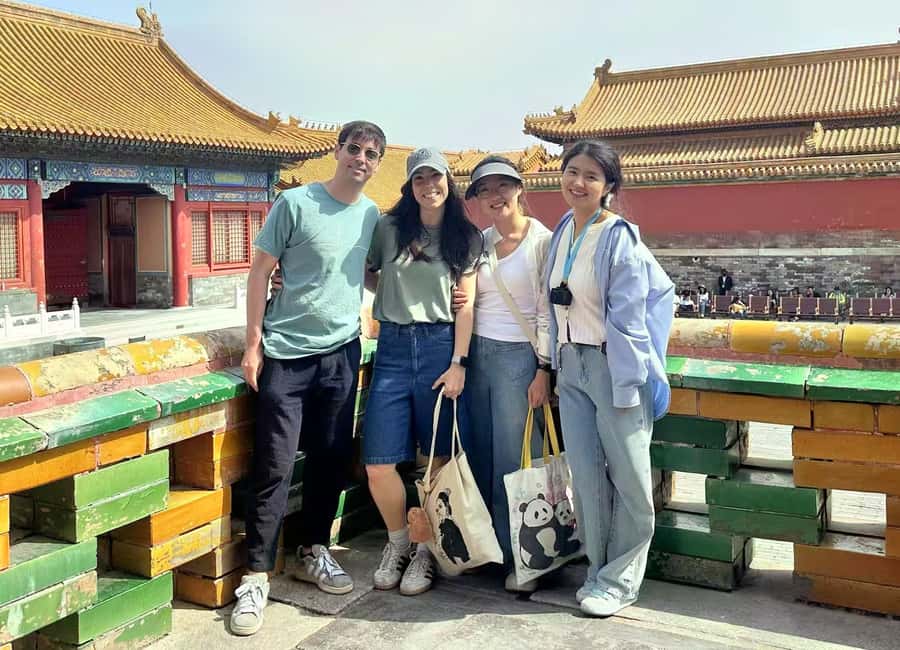
The standard experience is built around a focused window (about 4 hours, depending on option). Start times are 8:30 or 12:30, and that matters because the Forbidden City day is really two parts: getting in, then learning how to look.
You’ll want to build time for the mandatory security check. The security line can be separate from the ticket line, and waiting can be high in peak seasons. That’s the one practical friction point that can affect your pace even when the tour itself is well organized.
Also note a simple planning reality: this route is not a slow sit-and-stroll. You’ll move between halls and gates, with short guided stops and photo/free time blocks. Bring an ID or passport and keep it handy.
Getting oriented fast: the Central Axis, the symbolism, and your “decoder” mindset
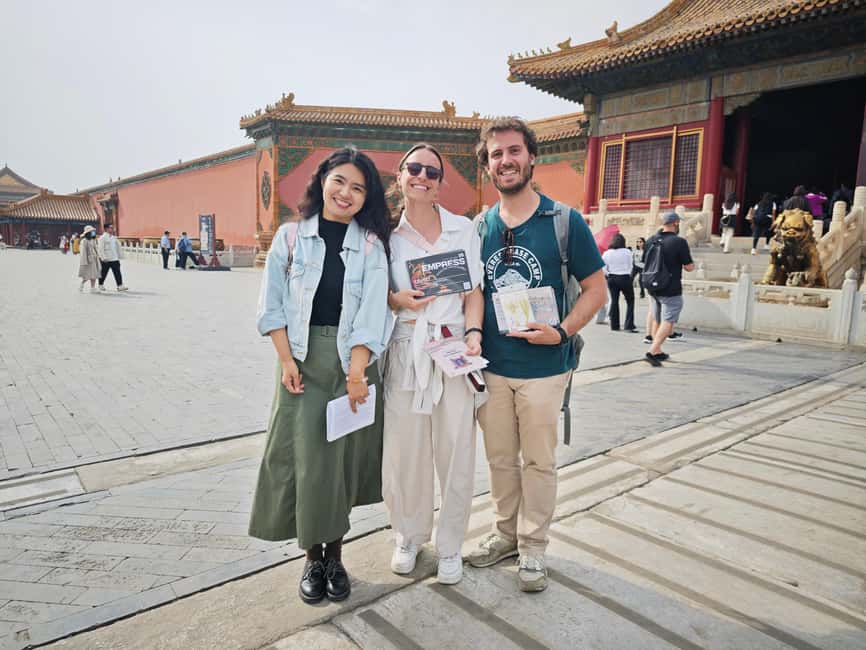
The tour is designed around a 4-layer way of understanding the palace. You’ll hear the story through architecture, philosophy, history, and religion/ritual culture—and the best part is that it’s not just lecture style. The guides repeatedly point you to what to notice, then connect it to the larger idea.
Here’s how that tends to feel in the moment:
- You stop at a gate or hall and learn what kind of place it was in the palace system.
- Then you look again with a different lens—often tied to Yin-Yang balance, Five Elements thinking, or imperial symbolism in the buildings.
- The guide keeps the timeline moving from the year 1420 to 1912, so you don’t just memorize names; you understand what changed and why.
This matters because the Forbidden City can feel like a blur if you treat it as one big photo stop. The decoder approach gives you an internal map: you learn what each area is “doing” in the imperial world.
Meridian Gate to Gate of Supreme Harmony: reading power at the entrance

The walk begins with a starting area you’ll confirm based on your option, with common meet points including 午门, Donghuamen Street, or 东华门. From there, you head to the Meridian Gate area for an initial guided orientation and sightseeing time (about 30 minutes).
This first stretch is where the guide helps you understand the palace’s logic. The Meridian Gate is your cue that you’re not touring random buildings—you’re walking the boundaries of authority. You get the visual cues first, then the meaning.
Next up is the Gate of Supreme Harmony, a short stop (about 15 minutes). You’ll use this to calibrate: you learn what the space is signaling and how the palace hierarchy shows up in architecture and ceremony.
Hall of Supreme Harmony and the “three harmony” sequence
The heart of the experience is the big ceremonial zone. The Hall of Supreme Harmony is the standout stop here, with about 40 minutes of guided explanation and sightseeing.
You’re learning how the Ming-Qing imperial worldview shows up in design. The guides connect the built form to the ideas you’re hearing—especially Yin-Yang and Five Elements thinking—so it doesn’t feel like abstract philosophy floating above the buildings. It’s more like a translation layer for what you see.
Then the tour moves to the other two halls that balance the system:
- Hall of Central Harmony (about 10 minutes)
- Hall of Preserving Harmony (about 20 minutes)
This is a smart move because the Forbidden City isn’t only “biggest hall wins.” Those paired spaces help you see the palace as a system with preparation, balance, and ritual rhythm. There’s also a break/photo/free time segment around the Preserving Harmony area (about 15 minutes). That’s useful because by this point you’ve built context—and you’re now ready to enjoy the views without needing to think every second.


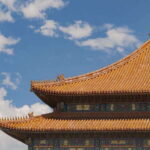
Palace of Heavenly Purity: where the ruler’s world gets explained

The shift from the ceremonial complex to the living/governing spaces can be jarring if you don’t have a guide. The tour fixes that by moving you to Palace of Heavenly Purity with about 40 minutes of guided storytelling and sightseeing.
This hall is one of the places where the tour’s philosophy layer really pays off. You don’t just hear facts about imperial culture—you see how the guide ties the space to the idea of cosmic order and balance, using what was introduced earlier in the tour.
The tone changes too. The guide’s role becomes part interpreter, part “look-here” instructor: you’re nudged to notice details and then connect them back to the story.
After that, you visit Hall of Union (about 10 minutes). It’s shorter, but it keeps the momentum. The tour avoids the common problem where people wander, take photos, and forget what they were trying to understand in the first place.
Earthly Tranquility plus tea ceremony: the best place to reset
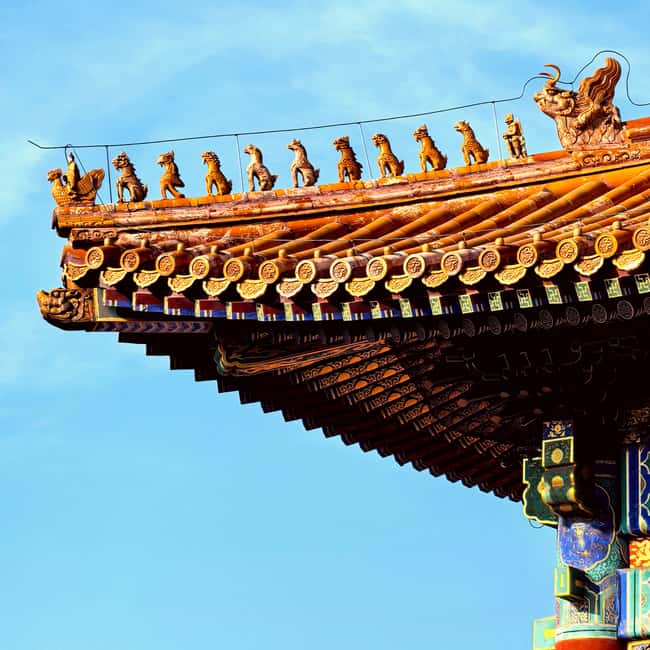
The Palace of Earthly Tranquility comes next with around 20 minutes of guided sightseeing. This is a key transition because the tour is teaching you the palace as lived-in power, not just a ceremonial stage.
Then there’s a longer break time here with tea, dessert, and a tea ceremony plus food tasting (about 1 hour total). That’s a real value moment. You sit down, reset your attention, and get the chance to talk with the guide without the usual “keep moving” pressure.
Two practical notes:
- Drinks/snacks aren’t listed as included elsewhere, so this tea-and-dessert time is one of the few guaranteed comfort breaks inside the tour flow.
- This is also a good point to check your photos so far. Once you’ve paused, you’ll notice angles and compositions more clearly at the next outdoor stretch.
Imperial Garden and Gate of Divine Prowess: a softer finale with photos built in
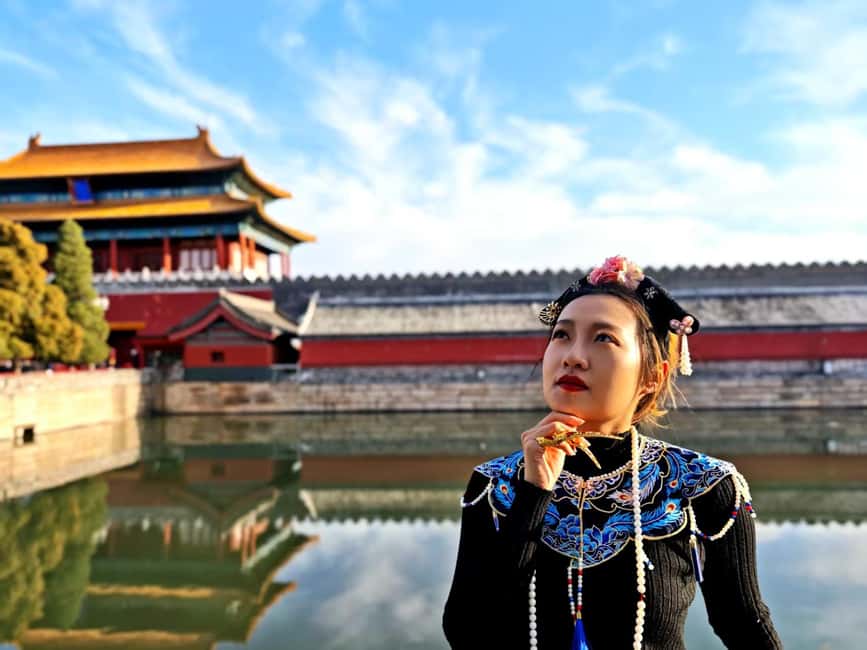
After Earthly Tranquility, you head to the Imperial Garden for about 15 minutes of guided sightseeing. There’s also a photo stop/free time block afterward (about 10 minutes). This section works well because you’ve been trained to look for symbolism and hierarchy; now you can enjoy the space without feeling like every moment must be explained.
Then the tour finishes with Gate of Divine Prowess (about 10 minutes). It’s a compact ending, which helps you avoid the late-stage fatigue that often ruins museum days. You’ll cap the experience at 神武门, a convenient finish point for leaving the palace grounds.
Price and value: what $10 is really buying you
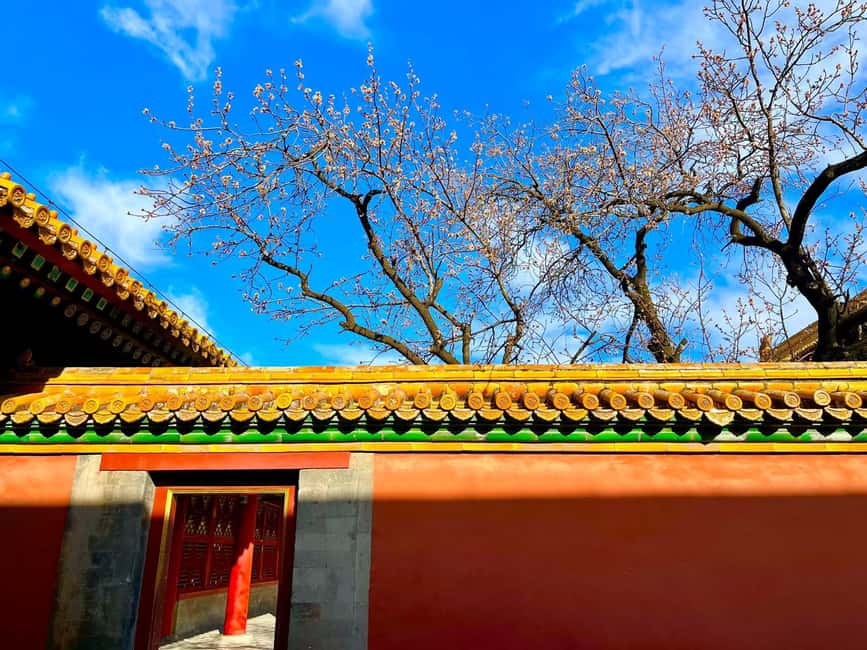
At $10 per person, you’re not paying for a “ticket wrapper.” You’re buying three things that usually cost separately: a guide (English/Chinese speaking), entry to the Forbidden City, and edited photos/videos.
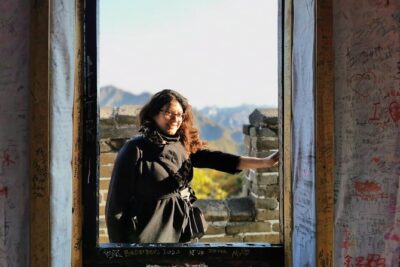
That added media piece is quietly important. One of the guides, Coco, takes charge of the memories side with an eye for photogenic places and angles, and in at least one case recorded the entire tour for video capture so you can relive the route later. If you care about photos but don’t want to constantly ask strangers to shoot you, this is practical value, not fluff.
It’s also good to know what’s not included. Drinks and snacks outside the tea/food tasting part aren’t included, and tickets for the Clock and Jewelry Museum are not included.
Who this tour suits best (and who should skip it)

This experience is strongest for people who want help making sense of the Forbidden City. If you’re the type who likes to ask questions and connect architecture to ideas, you’ll feel at home. The guides split roles too: Molly is known for handling the history portion with lots of room for questions, while Coco handles the photo/memory side.
It can be a mismatch if you need wheelchair access or if you’re over 95, since it’s marked not suitable for wheelchair users and for people over 95. If that applies to you, consider a different format that better matches your mobility needs.
If you’re on a tight schedule and prefer self-paced wandering with no structure, Ticket-Only Option C might fit better than Options A or B.
Day-of tips that prevent common headaches
Here are the practical things that can make or break the experience.
Bring the right ID. Your passport is required for sights entry, and you’ll also need it for the tour day.
Expect security time. Mandatory security checks are separate from the ticket line, and waiting time can run high at peak times/seasons. Build some patience into your arrival plan.
Dress for the weather. Tours still run on rainy or snowy days unless heavy rain forces government closures. You might not get full control over conditions, but you can control your layers.
Don’t pack problem items. Weapons or sharp objects are not allowed, pets aren’t allowed (assistance dogs are allowed), and alcohol and drugs are not permitted.
Quick comparison: what you’ll get from each option
If you’re trying to decide fast, match your travel style to the package:
- Want interactive learning and a guided narrative along the Central Axis? Pick Option A.
- Want custom routes and a more private feel while still keeping the decoder structure? Pick Option B.
- Want just entry and you’re comfortable reading on your own? Pick Option C.
Should I book the Coco&Molly Forbidden City Decoder?
I’d book it if you want the Forbidden City to feel understandable, not just photogenic. The combination of a decoder-style walk, history tied to visual cues, and memory preservation with edited photos/videos gives you more than a standard guided tour.
I wouldn’t book it if you need wheelchair access or if you dislike the idea of fixed stops and guided pacing. In that case, Ticket-Only can still get you inside—but you’ll need your own system for understanding what you’re seeing.
If you like asking questions, noticing details, and leaving with a stronger grasp of how the palace worked across the 1420–1912 arc, this is the kind of Forbidden City experience that turns a big day into something you can actually explain later.
FAQ
What are the main tour options?
You can choose between Option A (Forbidden City Decoder small-group), Option B (Forbidden City Decoder private tour), or Option C (ticket only).
How long does the experience take?
Option A is about 3.5–4 hours. Option B is about 4–4.5 hours. The ticket-only option does not include the storyteller.
Where do we meet for the tour?
For Options A and B, the meeting point is Donghua Gate with start times at 8:30 or 12:30. Meeting points can vary depending on the option booked.
Is the illustrated handbook required?
For Options A and B, an illustrated handbook is needed during the trip.
What’s included in the price?
The experience includes an English/Chinese-speaking guide, entry to the Forbidden City, and edited photos. Edited photos/videos are also described as included for everyone.
What is not included?
Drinks and snacks are not included, and tickets for the Clock and Jewelry Museum are not included.
Do I need my passport?
Yes. Your passport (or ID card) is required for sights entry.
Are there security checks?
Yes. There are mandatory security checks at the site entry points, and waiting time can be separate from the ticket line.
Is this tour suitable for everyone?
It is not suitable for wheelchair users, and it is also not suitable for people over 95.