REVIEW · BEIJING
Beijing: Peking University Campus Guided Walking Tour
Book on GetYourGuide →Operated by Explore PKU · Bookable on GetYourGuide
Peking University changes when you hear it explained on foot. A current-student style of guiding turns famous spots into a story you can actually follow, from the Boya Pagoda to the Weiming Lake and beyond. I love how the route connects campus architecture with the ideas behind it, and I especially like the human touch: you get student-life context, not just dates and plaques. The main drawback is simple: it’s a tight 2-hour walk, so you’ll need comfy shoes and you may not have long lingering time at each photo stop.
What you’re really paying for is clarity and context. On this tour, the English guide ties together PKU’s evolution—its roots as Yenching University, links to the Old Summer Palace (Yuanmingyuan), and even its connection to Heshen—with the meaning of traditional garden layouts and symbolic stone details. I also like that the tour keeps the pacing manageable for a small group (up to 10 people), so questions don’t get swallowed. The one thing to keep in mind is that campus access and time windows can limit how much you can explore beyond the route.
If you’re booking, plan for walking, photos, and symbolism reading. Bring your camera, because the tour hits several classic campus viewpoints—plus you’ll be shown what to look for on the Hua Biao (ornamental pillars) and the Qilin statues. If you want a slow, self-paced campus day, this may feel rushed; if you want a guided story that helps you see PKU clearly, it’s a strong fit.
In This Review
- Key points before you go
- East Gate to West Gate in 2 hours
- Boya Pagoda and the Bell Pavilion: more than pretty landmarks
- Weiming Lake, Hua Biao, and Qilin: the campus symbolism lesson
- The PKU Library and Cai Yuanpei: the academic soul
- Yenching University, Yuanmingyuan, and Heshen: how the timeline connects
- Traditional gardens and courtyards: learn the campus layout language
- Small group vibes, English guidance, and Henry’s style
- Price and value: why $39 can make sense
- Who this PKU walking tour fits best
- FAQ
- How long is the Peking University Campus Guided Walking Tour?
- What does the tour cost?
- Where do I meet the guide?
- Where does the tour end?
- Is the tour offered in English?
- How big is the group?
- What landmarks and sights are included?
- Are food and drinks included?
- Do I need to arrange transportation to the university?
- What should I bring, and how should I cancel?
- Should you book this tour?
Key points before you go
- Student-style stories that connect buildings to ideas, not just facts
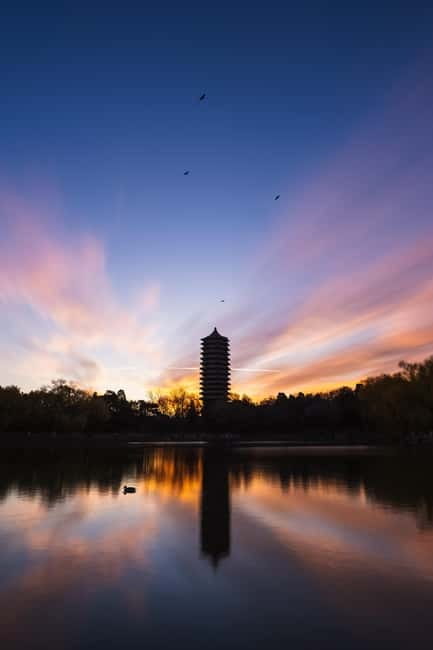
- Boya Pagoda, Weiming Lake, and Bell Pavilion as the first wave of iconic sights
- Hua Biao and Qilin explained so symbols make sense
- Cai Yuanpei and the PKU Library as the academic heart of the tour
- Yenching University, Yuanmingyuan, and Heshen woven into the campus timeline
- Traditional gardens and courtyards interpreted as part of how PKU thinks
East Gate to West Gate in 2 hours
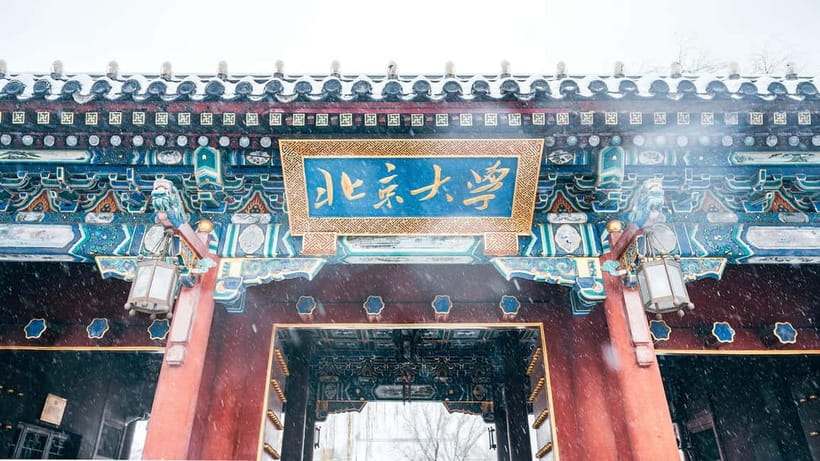
This is a classic “walk the campus spine” tour in Haidian District, starting at the Peking University East Gate and finishing at the West Gate. The meeting spot is specific: the stone lion on the right side when you face the gate entrance. That clarity matters on a busy day, because PKU has multiple entrances and it’s easy to waste time finding the right one.
The tour lasts 2 hours, which is just enough time to hit major landmarks without turning the day into a long endurance test. You’ll cover a meaningful stretch on foot, so I’d treat this like a planned walking outing, not a casual stroll. Comfortable shoes are the obvious must, but also plan to keep your expectations realistic: you’ll see a lot, and you’ll probably move on once you get your photos.
Your guide will be speaking English, and the group is kept small (limited to 10 people). That helps a lot with understanding, especially when the tour starts explaining how symbolism works in traditional Chinese garden design and stone ornament.
You can also read our reviews of more walking tours in Beijing
Boya Pagoda and the Bell Pavilion: more than pretty landmarks
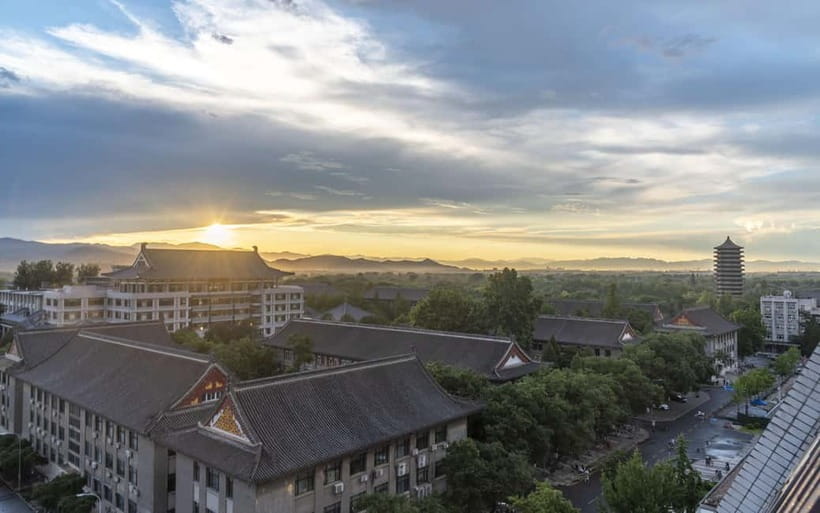
The tour kicks off with some of PKU’s most recognizable spiritual-and-historical campus markers, starting with the Boya Pagoda. Described as century-old, it’s the kind of structure that can look like a postcard object until someone explains why it was placed where it was and what it signals about the campus atmosphere. Even if you’re not obsessed with architecture, these early stops help you calibrate how the guide will “read” the campus for you.
Then you move toward the Bell Pavilion, another ancient-feeling landmark that anchors the campus in a kind of tradition you can sense just by walking near it. A bell pavilion sounds simple, but within an academic setting it becomes more than scenery; it’s part of how the campus rhythm and identity got shaped over time. The way the tour frames these landmarks is what makes them memorable, not just their age.
Here’s the practical angle: these early stops are where you’ll get the most benefit if you slow down for a few minutes. Listen to the explanation, then look again at the structures with fresh eyes. If you race ahead for photos, you’ll miss the meaning the guide is trying to connect.
Weiming Lake, Hua Biao, and Qilin: the campus symbolism lesson
Next comes the part that feels most like a guided “how to read the campus” class. The Weiming Lake is presented as picturesque, but the point isn’t only the view. The tour uses this area to talk about the relationship between nature and scholarship—how the setting supports the university’s ideals, not just its aesthetics.
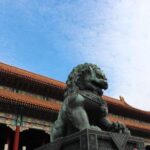
From there, you hit the symbolic stone details: Hua Biao (ornamental pillars) and Qilin statues. These aren’t random decorations. The tour focuses on the hidden meanings behind them, and that’s where your experience gets more interesting than a basic sightseeing loop. Once you understand what you’re looking at, the campus stops feeling like a theme park of landmarks and starts feeling like a place designed with intention.
If you care about photos, this is also your better chance to capture the campus in a more balanced way. The lake and ornamented stone create strong visual contrast, and the guide’s explanations help you frame shots beyond the obvious wide angle.
The only caution: if you’re sensitive to crowds, try to take photos quickly and then rejoin the group. The tour stays efficient, and you’ll want to keep pace so you don’t end up alone at the edge of a key viewpoint.
The PKU Library and Cai Yuanpei: the academic soul
A big reason this tour is worth the time is that it doesn’t treat the library and major statues like background. The Peking University Library is described as grand, and the tour treats it like the campus’s intellectual center rather than just a beautiful building you pass by. In practical terms, the guide helps you understand how an institution’s identity shows up in physical spaces—especially in a university famous for its academic spirit.
Then you pay respects at the Statue of Cai Yuanpei, the revolutionary former president of PKU. Cai Yuanpei is often referenced in connection with educational ideals and reform, and this stop is where the tour’s historical thread becomes personal and human. You’re not just hearing that PKU changed over time; you’re meeting the person the campus honors as part of that evolution.
This is also where the tour’s “story” approach becomes obvious. The guide doesn’t only say who Cai Yuanpei was; they connect his role to the broader arc of what PKU became. If you’re visiting as a history or education fan, this section is one of the most satisfying parts because it connects academic values to a specific place.
A small note: because this is a walking tour with a fixed route length, you’ll want to keep your phone/camera ready. Library-area photo moments are often the ones you’ll wish you prepared for, especially if lighting changes fast.
Yenching University, Yuanmingyuan, and Heshen: how the timeline connects
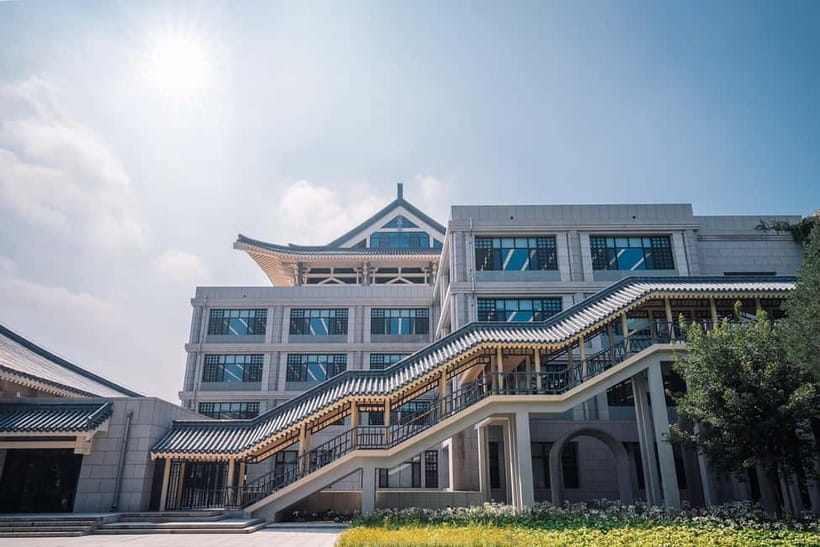
This tour is not only about what PKU looks like today. It also helps you understand how PKU became PKU by explaining its transformation from earlier roots as Yenching University. The guide uses that origin story to connect the campus to wider historical currents, which is exactly what you want if you’re trying to make sense of why PKU is where it is, and why certain traditions feel familiar even across eras.
You also get ties to the Old Summer Palace (Yuanmingyuan). Even if you’ve never visited Yuanmingyuan, the tour’s explanation helps you understand why the connection matters. It turns a distant historical site into something that feels closer, because it becomes part of the campus story rather than a separate detour.
Then comes one of the more surprising threads: the tour mentions PKU’s connection to Heshen, the infamous Qing Dynasty official. That might sound heavy, but the guide uses it to show how institutions can end up entangled with the politics of their time. It adds friction to the story in a good way. You get the sense that campus history didn’t unfold in a clean, flattering line.
If you’re the type who likes a straight timeline, you might find it helpful to keep mental notes on the major names: Yenching University, Yuanmingyuan, Heshen, and Cai Yuanpei. The tour doesn’t list them like a textbook, but it does bring them back in a way that helps the campus story “click.”
You can also read our reviews of more guided tours in Beijing
Traditional gardens and courtyards: learn the campus layout language
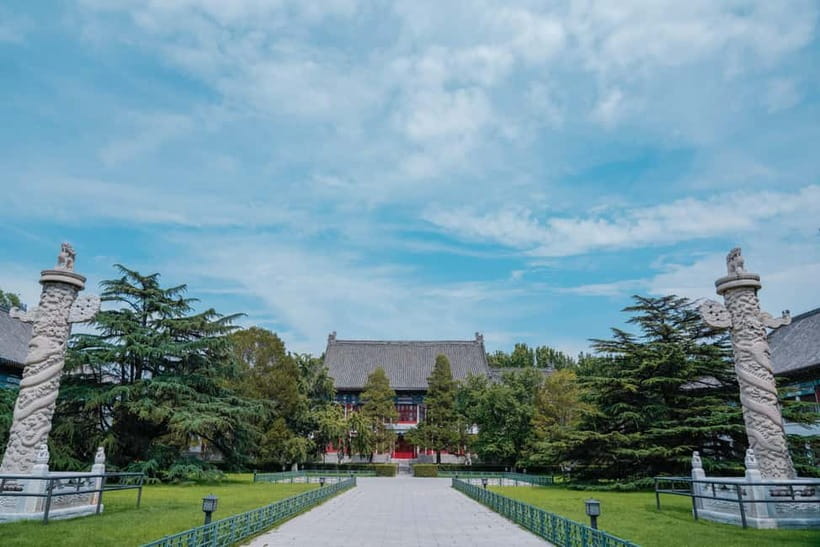
One of the most practical benefits of this tour is learning how to interpret PKU’s traditional gardens, courtyards, and building layouts. The tour focuses on hidden meanings behind these design choices and frames them around harmony between nature and scholarship.
What that means for you on the ground is this: after a while, you start noticing the logic. You see how open spaces, garden shapes, and courtyards can influence how you move and where you pause. You also get why certain sightlines and building placements feel intentional rather than accidental.
This is where the student angle really matters. The tour isn’t just describing the layout; it’s connecting the layout to how people might think, study, and experience campus life. That’s the difference between reading about Chinese campus design and actually walking it.
There’s also a photo bonus here. Once you understand the layout, you can compose shots that show the relationship between courtyards and ornamented elements, instead of just snapping one landmark at a time.
Small group vibes, English guidance, and Henry’s style
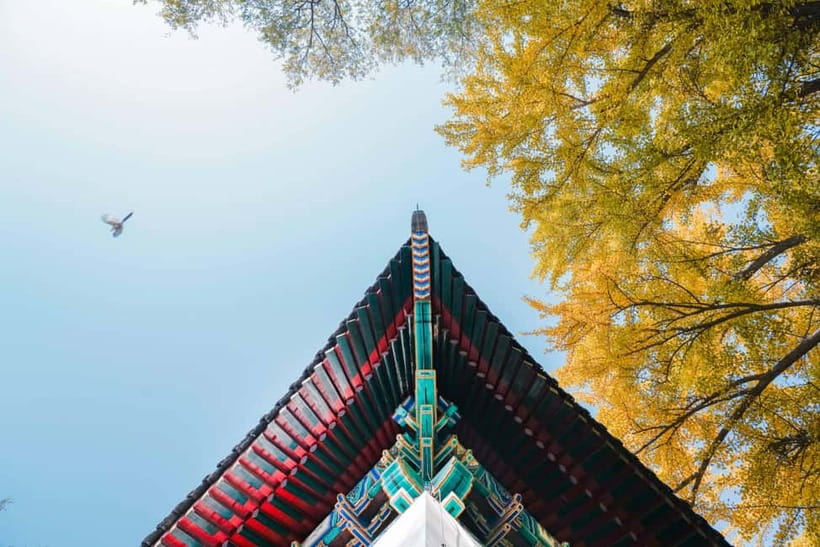
The tour is designed as a small group experience, limited to 10 participants. That’s a big deal at PKU, where crowd flow can change quickly. With fewer people, you’re more likely to hear explanations clearly, and you’re more likely to ask a question without feeling like you’re interrupting a parade.
In the bookings, the English guide is often described as friendly, professional, and patient, including with families. Henry is specifically mentioned in multiple experiences as an excellent host who explains carefully and clearly and keeps communication easy. That kind of guide matters when the tour is talking about symbol systems and historical links, because clarity makes the whole campus feel less confusing.
One review detail also stands out for practicality: Henry has invited people to eat in the school cafeteria. Since food and drinks aren’t included in the tour, you’ll want to budget separately, but the fact that a guide is willing to point you toward a real campus meal option can turn the outing into more than sightseeing.
If you’re traveling with kids or you’re coming to PKU with mixed interests—some history fans, some photo lovers—this small-group setup is a safer bet than bigger bus-style tours.
Price and value: why $39 can make sense
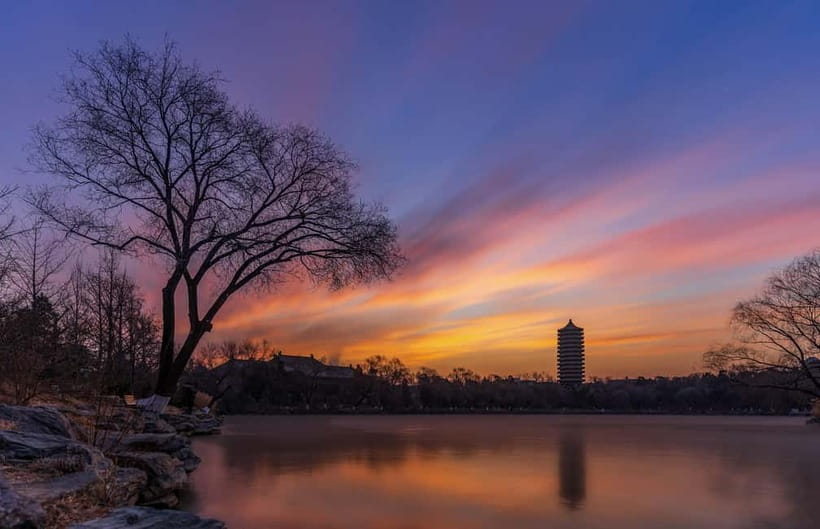
At $39 per person for a 2-hour guided walking tour, the value depends on what you’re trying to get out of Beijing. If your goal is to see PKU with context, a guided story can be worth the money. You’re not only getting access to major landmarks like Weiming Lake, the PKU Library, and the Cai Yuanpei statue; you’re also paying for the connections—Yenching University roots, Yuanmingyuan ties, and the meaning behind garden and stone symbolism.
If you were to self-guide, you could still visit some of these places. But without an interpreter who can translate the symbolism and history into a way you can remember, it’s easy to end up with a photo album and a vague sense of what you saw. This tour aims to prevent that by giving you a guided narrative that helps everything click together.
The main cost-related drawback isn’t the ticket price—it’s that the tour does not include food or transportation to and from the university. That means you’ll still need to plan your own transit and meals. If you’re doing a full day of sightseeing in Beijing, you’ll want to pair it with a meal plan before or after, rather than assuming the tour covers it.
Who this PKU walking tour fits best
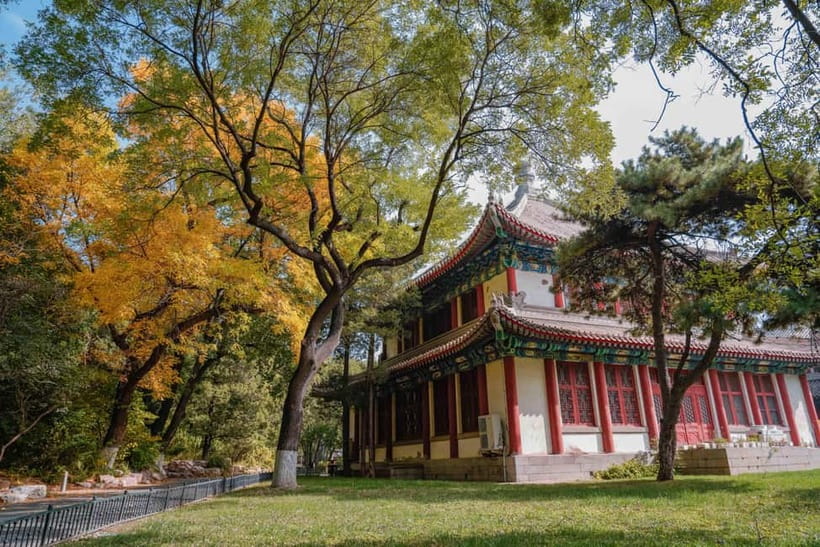
This tour is a strong match if you want a guided way to understand a top university campus. It’s especially good for people who like history, architecture, and cultural symbolism, because it doesn’t treat the campus like a checklist. It explains why landmarks and ornament matter, and it ties them to PKU’s evolution over time.
It’s also a good fit if you’re thinking about education or you’re curious about student culture. The tour includes insight into student life and academic spirit, including how PKU traditions connect past and present.
If you’re traveling with family, the guide’s patience comes up in the feedback, which suggests this route can work when kids are involved. Still, it’s walking-heavy, so you’ll want to think about stamina.
If you hate walking or you want hours of unstructured time for every viewpoint, this may not feel “relaxing.” The best way to use it is with a clear goal: come ready to listen, take a few photos, and let the campus story guide your pace.
FAQ
How long is the Peking University Campus Guided Walking Tour?
The tour lasts 2 hours.
What does the tour cost?
The price is $39 per person.
Where do I meet the guide?
Meet at the Peking University East Gate, at the stone lion on the right side when facing the gate entrance.
Where does the tour end?
It finishes at the Peking University West Gate.
Is the tour offered in English?
Yes, the live guide speaks English.
How big is the group?
The group is small, limited to 10 participants.
What landmarks and sights are included?
You’ll visit Boya Pagoda, Weiming Lake, the Bell Pavilion, the Hua Biao ornamental pillars, Qilin statues, the Peking University Library, and the Statue of Cai Yuanpei, plus other key campus spots.
Are food and drinks included?
No, food and drinks are not included.
Do I need to arrange transportation to the university?
Yes. Transportation to and from Peking University is not included.
What should I bring, and how should I cancel?
Bring comfortable shoes and a camera for photos. You can cancel up to 24 hours in advance for a full refund.
Should you book this tour?
Book it if you want your PKU visit to make sense fast. For $39, you’re buying a guided interpretation of major campus landmarks, plus the symbolism behind gardens, courtyards, and stone ornaments, and the way PKU connects to Yenching University, Yuanmingyuan, and even Heshen. You’ll also get student-life context, not just buildings.
Skip it if you want a slow, open-ended campus day or if you don’t like walking in a set route. This tour is designed for a tight 2-hour experience, so go into it ready to move, listen, and take a few focused photos.