REVIEW · BEIJING
Beijing: Night Tour Of Peking Opera Show / Transfer
Book on GetYourGuide →Operated by Private China Trips · Bookable on GetYourGuide
Peking opera hits different at night. This private tour pairs Peking opera on a real stage with an easy hotel-to-theater transfer, so you spend your energy watching, not figuring out logistics. I like that you get built-in context about how the art form developed over centuries, and I also like the straightforward timing: pickup at 18:20 and a show window from 19:30 to 20:40.
One thing to watch is the value vs. expectations. The actual performance time is about 70 minutes, so if you’re comparing strictly by show length, the price may feel steep to some people, especially in markets where options vary.
In This Review
- Key Highlights You’ll Care About
- Why Peking Opera Feels Like Time Travel in Beijing
- The Music and Moves: How the Band Drives the Drama
- The Evening Flow: Hotel Pickup at 18:20 to the 20:40 Return
- Your Seat and What to Watch When the Curtain Lifts
- The Private Guide and Driver Part You’ll Really Appreciate
- Price and Value: What $166 Covers, and What Can Feel Pricey
- What to Bring (and What to Skip) for a Smooth Night
- Who Should Book This Peking Opera Night Tour
- Should You Book This Peking Opera Night Tour?
- FAQ
- What time does the tour pick me up from my hotel?
- What time is the Peking opera show?
- How long is the tour?
- What’s included in the price?
- Is dinner included?
- What language is the live guide?
- Do I need a passport?
- Is the tour suitable for pregnant women?
Key Highlights You’ll Care About
- Name-sign pickup and professional transfer: your guide and driver coordinate directly from your hotel lobby.
- Two-part music system: peace scenes lean on the orchestra, battle scenes lean on percussion.
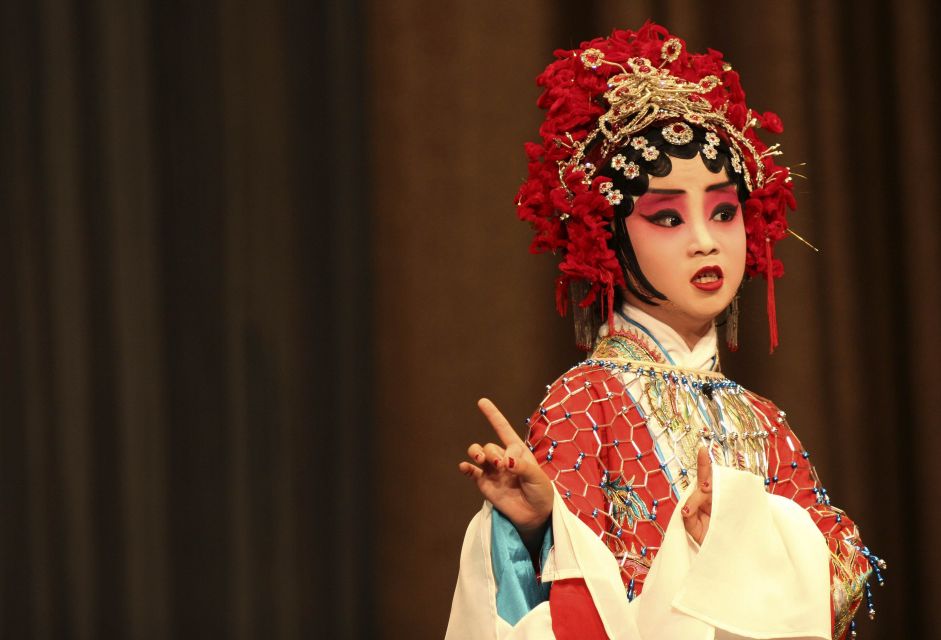
- Stagecraft details matter: learn why costume colors and stage lighting were built for oil-lamp darkness.
- Clear evening flow: pickup around 18:20, show 19:30–20:40, return after.
- Ticket charge included: you’re not piecing together show access on your own.
Why Peking Opera Feels Like Time Travel in Beijing
A good night in Beijing has two parts: the city lights outside, and the feeling that something very old is happening right in front of you. Peking opera delivers that second part fast. It’s been shaped for more than 230 years, and it grew into its distinct form after 1790, when the famous four Anhui Opera troupes came to Beijing. From there, it developed quickly with imperial patronage during the reign of Emperor Qianlong and support from Empress Dowager Cixi—then spread wider so common people could enjoy it too.
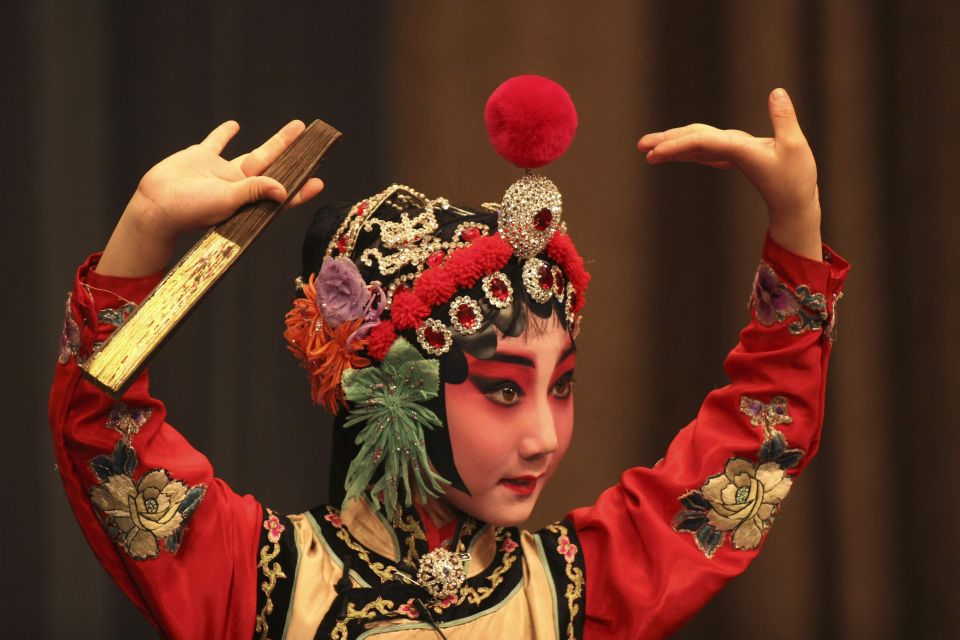
One detail I love (and you’ll notice once you know what to look for): the costumes weren’t designed for modern daylight viewing. Historically, they were made as bold, sharply contrasting colors so performers could be seen clearly on a dim stage lit by oil lamps. That’s why Peking opera costumes can look almost unreal up close. They weren’t just style choices; they were survival tools for stage visibility.
This is also an art form that blends multiple disciplines. Think of it as a harmony of grand opera with ballet, acrobatics, dance, martial arts, and mime. You’re not just watching someone sing—you’re watching a whole communication system: gesture for meaning, movement for plot, and music for mood.
You can also read our reviews of more evening experiences in Beijing



The Music and Moves: How the Band Drives the Drama
Here’s what makes the show feel so tightly controlled: the music is organized to do different jobs at different moments. Your experience is guided by an orchestra paired with a percussion band. The orchestra often supports calmer, peaceful scenes. When the story turns to tension or conflict, the percussion side takes over to set the atmosphere for battle scenes.
The percussion side is especially interesting because it doesn’t function like background noise. Percussion instruments commonly include castanets, drums, bells, and cymbals. And one performer typically plays castanets and drums simultaneously, which helps conduct the rest of the band. In other words, you’re getting both rhythm and direction.
On the orchestral side, you’ll hear familiar names only if you’ve studied Chinese instruments: Erhu and Huqin (both bowed string instruments), Yueqin, Sheng (reed pipe), and Pipa (lute), among others. The band placement matters too. The band usually sits on the left side of the stage, which affects how the music seems to relate to what you’re watching.
When you go in with this framing, you’ll understand why the show can feel dramatic even when dialogue is minimal. The “talking” is done through timing, movement, and sound cues.
The Evening Flow: Hotel Pickup at 18:20 to the 20:40 Return
The schedule is simple and realistic—this is a big part of the value. Your Beijing guide and driver arrive at your hotel lobby at 18:20. They’ll hold a sign with your name and take you directly to the theater. No meeting points you have to hunt down. No guessing which bus to take after dark.
Then comes the show itself. The performance runs in the window 19:30 to 20:40. The exact start and end can vary depending on the venue day, but this is your anchor for planning. After the show, your Chinese driver takes you back to your hotel.
Even though the description lists duration as 3 to 10 hours, most of that time is explained by the full evening stretch: pickup, drive time, theater waiting, the performance, and the return. If you want a clear mental picture, treat it as an evening commitment that keeps you comfortable rather than rushing you around.
Your Seat and What to Watch When the Curtain Lifts
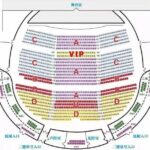
Your viewing experience depends on seating, and it’s worth thinking about this before you decide if the tour fits your style. The good news: one verified booking described a seating setup close to the action, including a front-row experience. Another mentioned a table that was centrally located even though it was shared.
So what should you do with that information? Don’t overthink it, just arrive ready to watch the performance as a whole package—faces, costumes, and the physical storytelling.
Two visual things to look for once the show starts:
- Costume contrast and color: it’s not random decoration. It’s built to register visually under dim stage lighting.
- The way performers use space: because Peking opera blends mime, martial arts, and dance, body language carries plot, not just emotion.
Also, keep an eye on the left side of the stage. That’s typically where the band sits, and once you clock that, you can more easily feel the music shifts as the story changes.
The Private Guide and Driver Part You’ll Really Appreciate
A lot of “cultural night” tours fail on one basic thing: getting you there without stress. This one is built around not making you work for logistics.
You get a local guide and a driver/guide team. They pick you up from your hotel lobby and coordinate with you using a name sign. One verified booking even highlighted how helpful the transfer coordination was, including using photos to confirm the meeting place between hotel and theater.
That may sound small until you’re in Beijing at night, outside of your language comfort zone, and you’re trying to match faces and directions. This tour removes that headache.
You’ll also benefit from the local guide during the experience. While the show itself is the main event, the guide’s role matters because Peking opera has coded meaning. When you understand the structure—like orchestra vs. percussion roles—you can follow along even if you don’t speak Mandarin.
You can also read our reviews of more tours and experiences in Beijing
Price and Value: What $166 Covers, and What Can Feel Pricey
Let’s talk money like an adult. The listed price is $166 per person, and it includes several key pieces:
- local guide
- driver/guide
- hotel pickup and drop-off
- private vehicle transport
- Peking opera show tickets
Dinner is not included, so you’ll either eat before you go or plan something afterward. If you’re used to booking value-packed nights that bundle meals, this is one place where you’ll need your own plan.
Now, the tricky part: show length. The performance runs roughly 19:30–20:40, which is about 70 minutes. One verified guest felt the cost didn’t match their expectation, describing a much higher figure in another currency and focusing on the short show duration plus translation.
How do you protect yourself from that disappointment? Compare your goal, not just the price:
- If your goal is an easy, private way to see a major Beijing cultural performance with included tickets, $166 can be reasonable because you’re buying the transfer, the guide, and the seat.
- If your goal is maximum minutes of entertainment per dollar, you might feel shortchanged because this is a focused evening event, not an all-night production.
My take: if you treat this as a “one high-impact night” and you value the guide context and door-to-door logistics, it’s easier to justify. If you want a long, multi-stop evening, you might pair this with a pre-show meal nearby so the night feels complete.
What to Bring (and What to Skip) for a Smooth Night
This tour is straightforward, but there are a few practical items you should handle early.
Bring:
- Passport (required)
Not allowed:
- Pets
Also keep in mind:
- gratuities are recommended
- souvenir photos are available to purchase
- the tour is not suitable for pregnant women
If you’re traveling with anyone who has mobility concerns or medical limitations, take that “not suitable” note seriously. Since the show experience and transfer both happen in an evening window, it’s better to choose a different plan if you’re unsure.
Finally, dress for comfort. The show is mainly seated, but you’ll still be moving through theater areas and walking between pickup and entrance. Wear something you can sit in comfortably for the full performance.
Who Should Book This Peking Opera Night Tour
This is a strong fit if you:
- want a stress-free evening in Beijing with private pickup and drop-off
- care about cultural context, not just watching a show
- are curious about how Peking opera works—music roles, stage symbolism, and the blend of dance, mime, and martial arts
- prefer a guided experience where you can understand what you’re seeing
It’s probably not the best match if you:
- want a long schedule with multiple major stops
- are very sensitive to costs when the performance itself is about an hour
- need options that accommodate pregnancy or related needs (the tour is listed as not suitable)
If you’re a first-timer in Beijing looking for one “anchor activity” that feels authentically Chinese, this checks that box. And if you already know you’ll enjoy performance arts, you’ll likely appreciate the structure and how the band supports each scene.
Should You Book This Peking Opera Night Tour?
I’d book it if you want an easy, guided way to see one of China’s most celebrated opera styles—without spending your night troubleshooting transportation. The inclusion of tickets and a private transfer is the big practical win, and learning how orchestra and percussion shape the emotional story helps you get more out of every minute on stage.
I’d be cautious if you’re chasing value strictly by show duration, or if you’re comparing based on very different packages and prices from other operators. In that case, do the math for your own expectations and consider adding dinner plans around the performance so the whole evening feels worth it.
If you want one decisive cultural night in Beijing, this is a sensible choice.
FAQ
What time does the tour pick me up from my hotel?
Pickup is at 18:20 from your hotel lobby. Your guide and driver will hold a sign with your name.
What time is the Peking opera show?
The show runs in the window from 19:30 to 20:40.
How long is the tour?
The duration is listed as 3 to 10 hours, depending on timing and logistics for the evening.
What’s included in the price?
It includes a local guide, driver/guide, hotel pick-up and drop-off, private vehicle transport, and the charge for Peking opera show tickets.
Is dinner included?
No. The dinner fee is not included.
What language is the live guide?
The live tour guide provides Chinese and English.
Do I need a passport?
Yes, you should bring your passport.
Is the tour suitable for pregnant women?
No, it is not suitable for pregnant women.