REVIEW · BEIJING
Chinese Tea ceremony in Beijing Hutong courtyard
Book on GetYourGuide →Operated by Bayi Teahouse · Bookable on GetYourGuide
A calm cup beats the loud city. This Chinese tea ceremony happens in a real Hutong courtyard right near the Forbidden City, so you get culture without the usual museum vibe. I especially love the small-group feel (max 4), which makes it easy to ask questions and actually talk. I also like that you taste one pot you choose from black, green, wulong, or Pu’er, not just a single “default” tea. One drawback to keep in mind: the day includes an extra 100 RMB per person charge, so confirm what you’ll pay in total before you go.
What makes this worth your time is the setting and the tone. You’re close enough to major sights to plan it around a sightseeing day, but the ceremony itself stays focused on how tea is brewed, served, and understood in daily life in Beijing. I like that you’ll sit down with a local host whose family has lived in the Hutong for generations, and that the explanation is done in English. The whole experience lasts about one hour, so it’s not a slow, all-day tea retreat.
In This Review
- Key things I’d circle before booking
- Why a Forbidden City-adjacent Hutong courtyard tea session works
- Your 1-hour flow: choose tea, learn the ritual, then sip properly
- Picking black, green, wulong, or Pu’er like you mean it
- Snacking, cup manners, and the small things that make it feel real
- The Hutong host connection (and why Limeng’s conversations matter)
- Price and value: $31 vs the extra 100 RMB per person note
- How to fit it into your Beijing day plan
- Who should book this Hutong tea ceremony
- Should you book Bayi Teahouse’s courtyard tea ceremony?
- FAQ
- Where is the tea workshop located?
- How long does the Chinese tea ceremony last?
- How many people are in a group?
- What language is used during the tea ceremony?
- What tea is included, and can I choose?
- Are snacks included?
- Is hotel pickup included?
- Is there any extra charge?
- Should you book Bayi Teahouse’s courtyard tea ceremony?
Key things I’d circle before booking
- Hutong courtyard location about 150 meters from the Forbidden City east gate
- Small group (4 people max) for real conversation, not a lecture
- Pick your tea: black, green, wulong, or Pu’er, plus a one-pot tasting
- Snacks included with the tea, so you taste with something to munch
- English instruction and a host-led explanation of tea culture
- A possible extra Hutong stroll nearby to soak up the alley atmosphere
Why a Forbidden City-adjacent Hutong courtyard tea session works
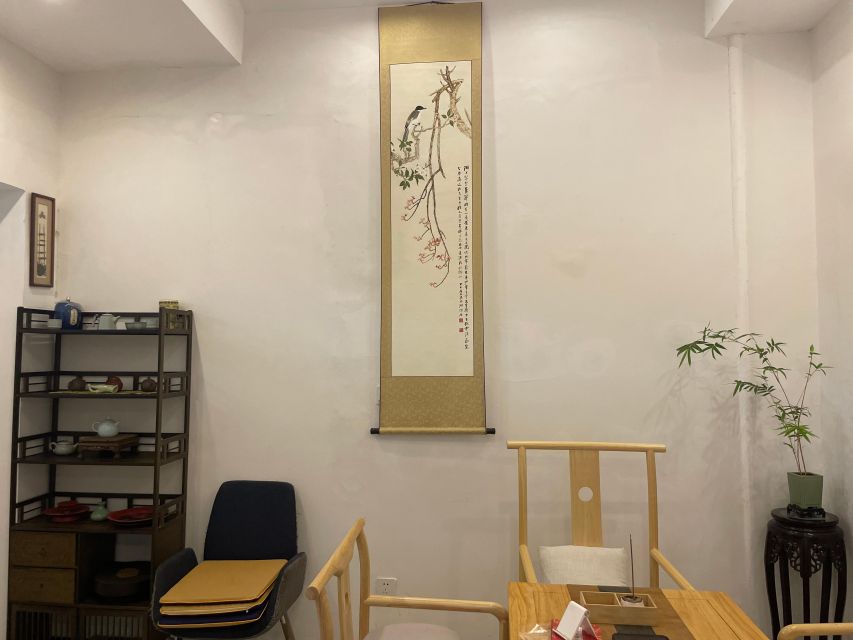
Beijing can feel like a sprint. You want history, sure, but you also need a reset. This tea ceremony gives you that pause in a place that feels lived-in, not staged.
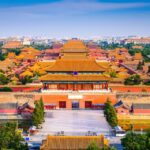
The location is practical: the workshop is about 150 meters from the east gate of the Forbidden City. You can plan it before or after a Forbidden City visit without losing half your day to transit. That proximity also means you’re surrounded by old Beijing landmarks, including the Imperial Ancestral Temple area and the Pudusi inheritance site, so a quick walk can turn into a mini history loop if your feet can handle it.
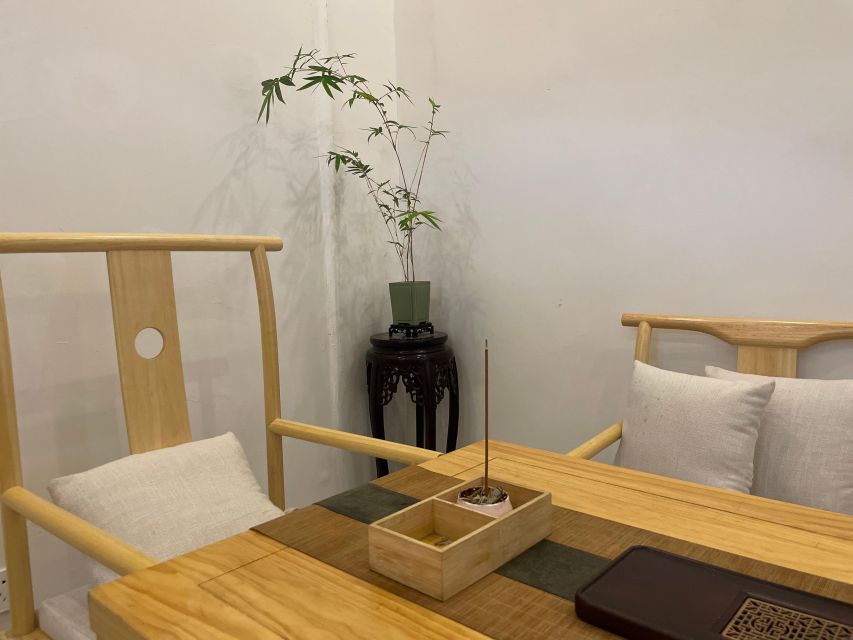
Most importantly, the courtyard format changes the pace. In the Hutong, everything moves at human speed—chairs, teapots, the clink of cups. You’re in the middle of Beijing’s center, yet the ceremony pulls you into a quieter rhythm.
You can also read our reviews of more tours and experiences in Beijing.

Your 1-hour flow: choose tea, learn the ritual, then sip properly
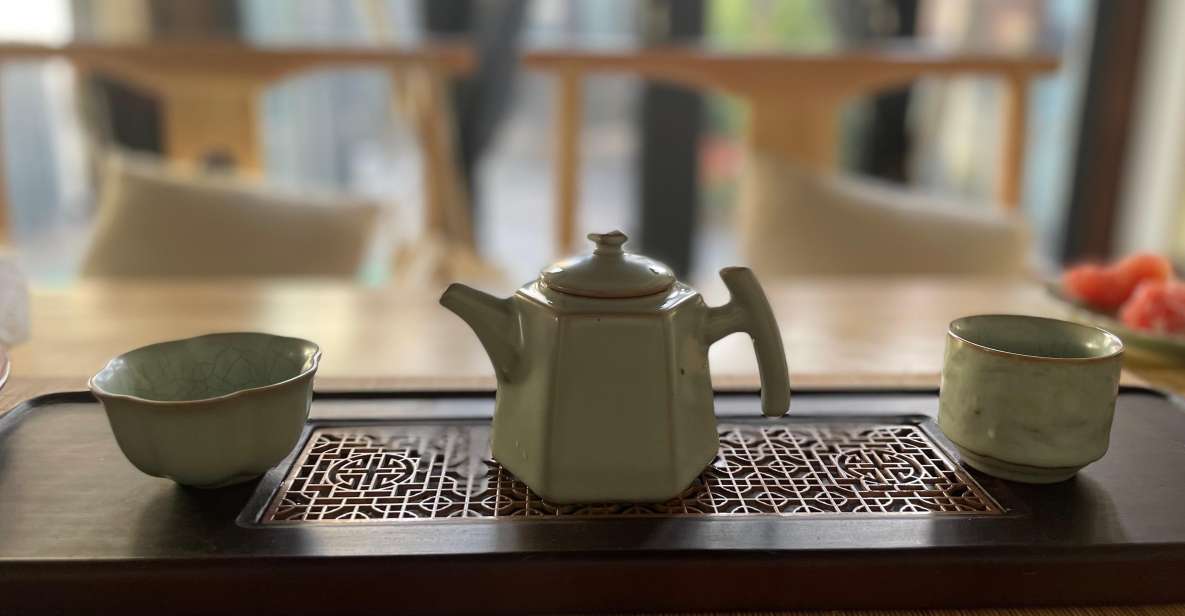
This isn’t a “watch someone pour tea once” activity. You’ll be part of the ceremony, and the host will explain what you’re doing and why.
The basic structure is simple:
- You sit in a Hutong courtyard setting.
- You choose a type of tea for one pot (there are multiple types offered).
- You get complimentary snacks to go with the tea.
- You receive an explanation of tea culture and practical tea knowledge while you taste.
The biggest value for me is that the session focuses on proper brewing and drinking—so you leave with skills, not just memories. One reviewer described learning that good tea doesn’t come from dumping boiling water and waiting a few minutes; you need the right attention and approach to match the tea. Even if you don’t remember every detail, you’ll notice the difference in flavor and aroma once you understand the method.
And since it’s only one hour, it’s a realistic add-on. You get a complete tea experience without turning your day into a half-day project.
Picking black, green, wulong, or Pu’er like you mean it
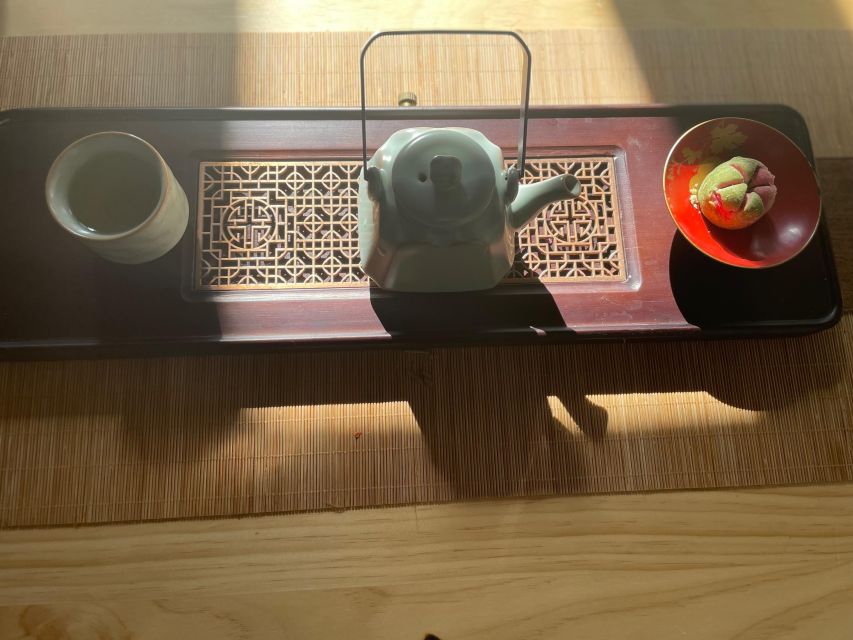
Most tea tastings only let you sample. This one asks you to choose, which changes how you experience the cup.
You’ll be offered different types, including:
- Black tea
- Green tea
- Wulong tea
- Pu’er tea
From the way the host explains things, you’re not just tasting flavors—you’re learning how the teas differ and how that affects what you might want in different moments. Reviews mention discussion around which teas to drink in which season and how different teas can affect the body. I’d treat that as guidance, not health advice, but it’s still helpful context for understanding why tea has its own logic in Chinese culture.
If you’re unsure what to pick, go with your mood:
- Want something steadier and more robust? You might enjoy black tea.
- Want something lighter and crisp? Green tea could be a good match.
- Want something in the middle with complexity? Wulong often lands there.
- Curious about fermented, deep flavors? Pu’er is your ticket.
This choice makes the ceremony feel personal, and it also makes it easier to remember after you leave the courtyard.
Snacking, cup manners, and the small things that make it feel real
Food and tea go together, and this experience includes complimentary snacks. That matters more than it sounds. Tea tastes different when you’re sipping it with a bite, and the snacks help keep the tasting comfortable for a full hour.
One of the most memorable parts from past experiences like this is usually etiquette—how to hold the cup, how to take a sip, and how to notice aroma before you drink. In the reviews, people specifically mentioned learning grace and cup handling. Even if you fumble at first, that’s kind of the point: you slow down enough to pay attention.
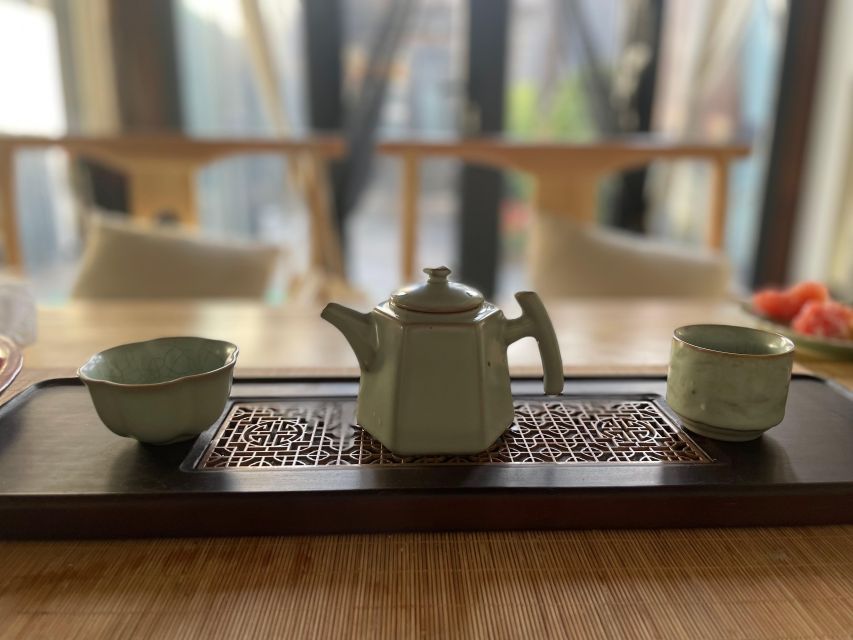
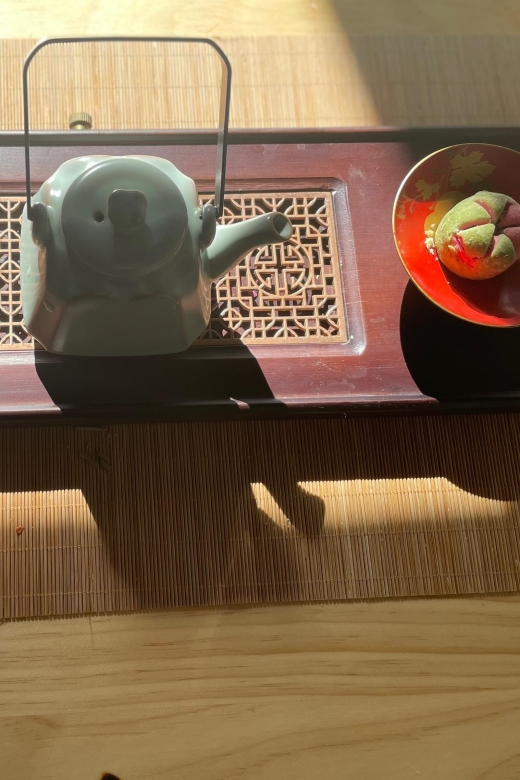
Also, the tea presentation is part of the show. You’re served in a way that feels intentional—tea cups, the pot, the timing—so it doesn’t feel like a hurried tasting.
The Hutong host connection (and why Limeng’s conversations matter)
A tour can be “cultural” on paper. Then you meet the host and it becomes real life.
Here, you don’t just get an instructor behind a script. The experience includes interaction with a local host whose family has lived in the Hutong for generations. That generational perspective is what turns tea from a drink into a story about everyday Beijing.
One name you’ll see in the experiences is Limeng. People highlighted her friendly vibe and clear English, plus the way she talks about the Hutong and the ceremony itself. If you’re the type who likes questions—How do you pick tea? What does this ritual mean?—this format gives you room to ask and listen.
I also appreciate that the conversation tends to go both ways. Even if your Chinese is limited, English instruction keeps it comfortable, and the host-led approach helps you connect the dots between what you’re tasting and what people do at home.

Price and value: $31 vs the extra 100 RMB per person note
This is the one part I’d double-check before you assume everything is included.
The information you’ll see lists a price of $31 per person, but it also notes a 100 RMB per person charge. That might mean the final on-the-day cost is tied to the RMB amount, or that there’s an additional payment step. Either way, don’t “mentally budget” just one number.
From a value standpoint, here’s how I think about it:
- You’re paying for a small group (max 4), so the host time isn’t diluted.
- You get one pot of tea plus snacks.
- You get English explanations and hands-on learning, not just a look-and-leave stop.
- The setting—courtyard in the center of Beijing—is part of the experience.
If you’re comparing this to a generic tea shop where you can order tea anytime, this is more like paying for context and instruction. If tea is a genuine interest for you, that can be worth it fast.
If you’re purely tea-curious and you want “something quick,” you may feel it’s pricey for just one hour. But if you like culture that includes a conversation, it’s easier to justify the cost.
How to fit it into your Beijing day plan
Because it’s so close to the Forbidden City, I’d treat this as a pacing tool. Do a morning of sights, then slow down with tea. Or do tea first to get your bearings and then tackle the crowds.
Pickup is included, and you’re asked to wait in your hotel lobby about 10 minutes before the pickup time. This matters because tight Beijing schedules can unravel quickly if you’re late. Build in a cushion, even if your day is already packed.
Timing-wise, the experience is about one hour. That’s perfect for slotting into a schedule that includes other nearby stops. And since the location is surrounded by historic spots, you can often turn the walk outside into bonus sightseeing without adding transportation.
If you prefer a calmer end to your day, keep this for later. You’ll be grateful for the quieter courtyard after hours of walking.
Who should book this Hutong tea ceremony
I think this fits best if you want one of these outcomes:
You want hands-on tea knowledge, not just tasting. The ceremony is built around explanation and proper brewing, and you’ll likely pick up a few practical tips you can use at home.
You want a more human side of Beijing. The Hutong courtyard setting and host connection make it feel less like a performance and more like a conversation in a real neighborhood.
You like small groups. With only 4 participants max, you won’t disappear into the crowd. Questions are easier, and the host can adapt to your interests.
It may not fit as well if you’re in a rush or you dislike anything that requires attention to details. Tea is slow by nature. If you want constant action, this might feel too calm.
Should you book Bayi Teahouse’s courtyard tea ceremony?
Book it if:
- You’re near the Forbidden City anyway and want a short, memorable cultural stop.
- You enjoy tea enough to care about the differences between black, green, wulong, and Pu’er.
- You like meeting locals and asking questions in English.
Skip or reconsider if:
- You’re price-sensitive and the 100 RMB per person detail would strain your budget.
- You only want a quick photo opportunity and don’t care about brewing or ritual.
- You dislike slow, seated activities.
My advice: treat this as a quality contrast to the big sights. The courtyard setting and the host conversation are the main reasons it works, and those are the parts that tend to make the experience stick.
FAQ
Where is the tea workshop located?
The tea workshop is about 150 meters from the east gate of the Forbidden City. It’s also described as being roughly 800 meters west of the exit gate of the Forbidden City.
How long does the Chinese tea ceremony last?
The experience lasts about 1 hour.
How many people are in a group?
It’s a small group limited to 4 participants.
What language is used during the tea ceremony?
The instructor and experience are in English.
What tea is included, and can I choose?
You’ll receive one pot of Chinese tea, and you can choose from types including black tea, green tea, wulong tea, and Pu’er tea.
Are snacks included?
Yes. Complimentary snacks are included with the tea.
Is hotel pickup included?
Yes. Pickup is included, and you should wait in your hotel lobby about 10 minutes before the scheduled pickup time.
Is there any extra charge?
The information includes a note that it will charge 100 RMB per person.
Should you book Bayi Teahouse’s courtyard tea ceremony?
Book it if you want a short, high-quality cultural stop near the Forbidden City where you taste tea you chose and learn the ritual from a local host in a Hutong courtyard. If your budget can handle the 100 RMB per person note and you enjoy slow, thoughtful experiences, this is a smart add-on to a Beijing sightseeing day.