REVIEW · BEIJING
Beijing: Guyaju Cave Dwellings with Optional Visits
Book on GetYourGuide →Operated by Fun Beijing Travel · Bookable on GetYourGuide
Guyaju can feel like a city carved into stone. I love the private guide + driver setup that keeps things smooth, and I also love how Guyaju itself is an easy, impressive stop that many people skip. A possible drawback: the cave backstory can feel lighter on hard facts like exact dates, so if you want deep archaeology, you may need to adjust expectations.
What makes this day work is the pacing. You get a guided look at the famous caves, then you choose one strong add-on—Longqing Gorge, the Ming Tombs, or a Great Wall section—so you’re not stuck with a one-size-fits-all schedule. The goal here is comfort, good commentary, and fewer headaches, even if you’ll pay your own lunch and tickets.
Why this trip earns strong marks
- Private guide and driver: pick-up and door-to-door transport keep you out of Beijing transit stress.
- Guyaju with ticket support: you don’t have to figure out entry lines and instructions on your own.
- 117 cave dwellings in one visit: easy to appreciate without a complicated plan.
- Great add-on choices: Longqing Gorge, Ming Tombs, or either Badaling or Juyongguan.
- Quieter timing helps: an early departure can mean you see Longqing Gorge and Guyaju with far fewer people.
In This Review
- Guyaju Cave Dwellings: Tang-Era Caves and the Human Ant Farm View
- The Trip Out of Beijing: Private Pickup and a 2-Hour Road Story
- Guyaju Geological Park Visit: Guided Walking With No-Fuss Ticket Handling
- Choosing Your Add-On: Longqing Gorge, Ming Tombs, Badaling, or Juyongguan
- Option 1: Guyaju + Longqing Gorge (Boat Ride + Karst Views)
- Option 2: Guyaju + Ming Tombs (Sacred Way Statues + Dingling Underground Palace)
- Option 3: Guyaju + Badaling Great Wall (Iconic and Well-Preserved)
- Option 4: Guyaju + Juyongguan Great Wall (Less Crowded + Yuan-Era Trade Route)
- Ticket Fees and Lunch: The One Part You Should Plan For
- Price and Value at About $151: What You’re Actually Getting
- What the Private Guide Actually Changes (Beyond Facts on a Page)
- Best for Who? And Who Might Want a Different Plan
- Should You Book This Guyaju Day Trip?
- FAQ
- How long is the full tour?
- Do I get picked up from Beijing?
- Are entrance fees included?
- Is lunch included in the price?
- What do I need to bring?
- What language is the tour guide?
Guyaju Cave Dwellings: Tang-Era Caves and the Human Ant Farm View
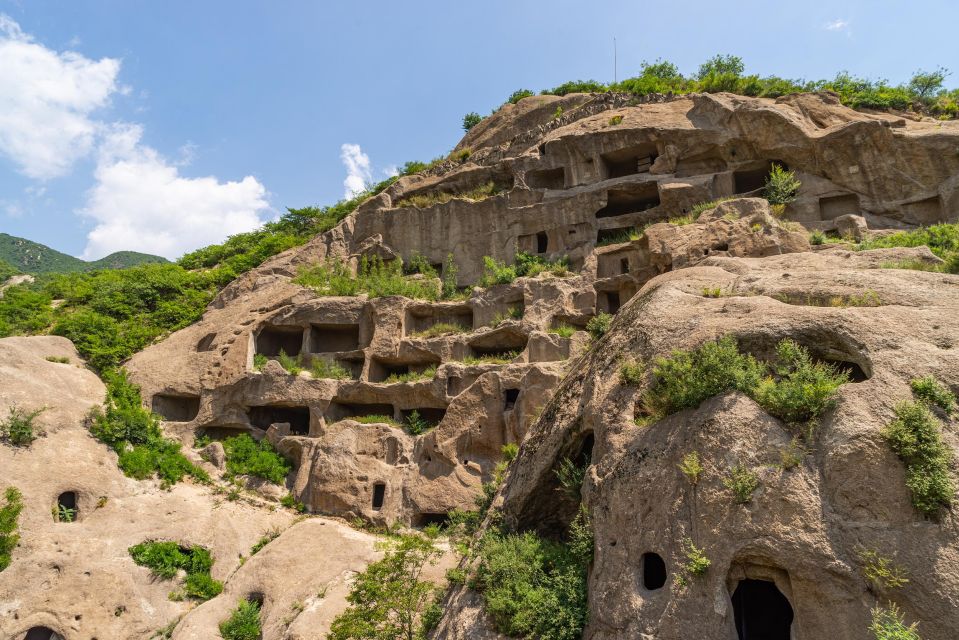
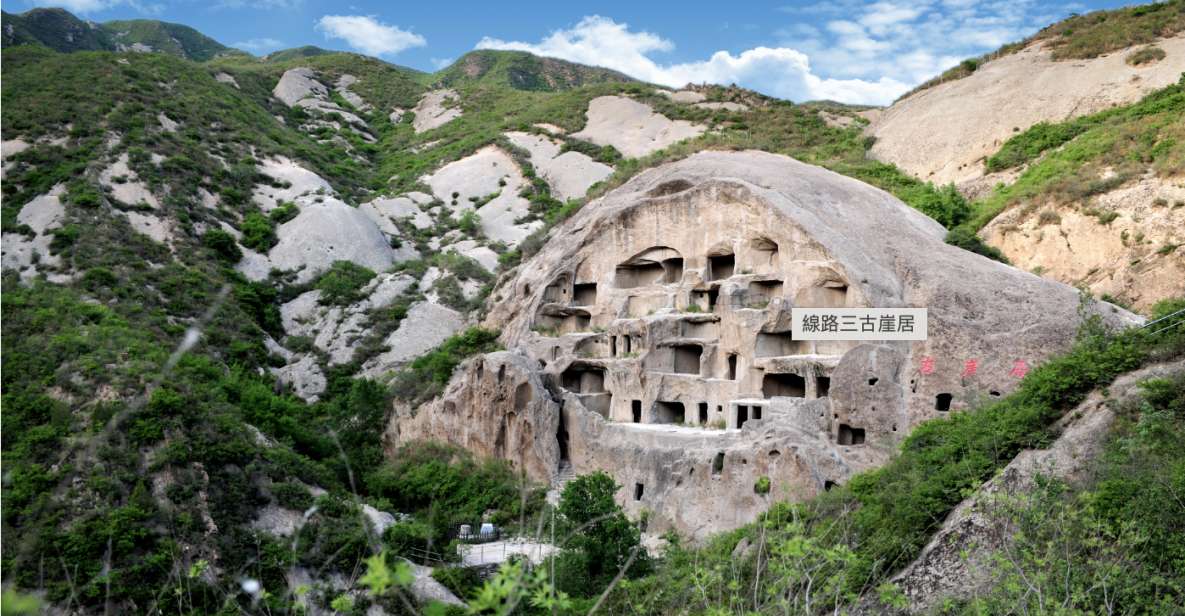
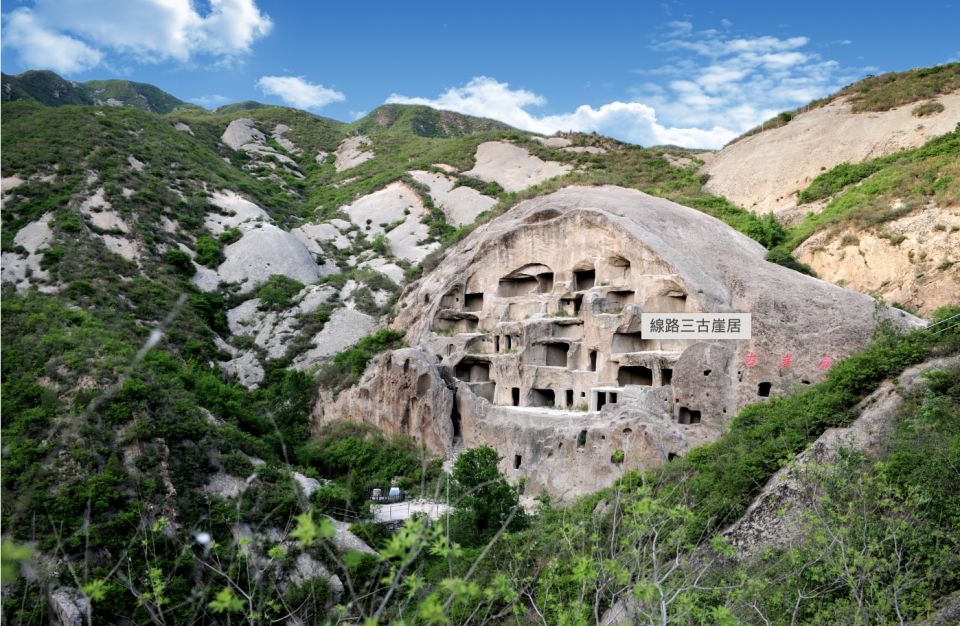
Guyaju Cave Dwellings are built for the wow-factor. You’re walking into a complex of 117 ancient caves that are reportedly carved by the Xiyi ethnic minority during the Tang Dynasty (618–907 AD). Even if you don’t consider yourself a cave-person, the layout makes sense fast.
Most caves group into two rock-face villages. From a distance, the whole place has that striking “human ant farm” look—people living in dense clusters right against the rock. It’s not a dramatic hike day. It’s more about taking in scale, patterns, and architecture that developed from the practical reality of living where stone already exists.
The best way to enjoy Guyaju is to slow down. Watch how the caves sit into the face of the cliffs. Then look for how the village-like clusters form a whole community, not just random openings in rock.
What you’ll like most: you get a guided visit without feeling rushed, and the site is unusual enough that it feels like a real detour from the standard Beijing hits.
What to consider: historical interpretation may vary depending on your guide’s focus. The caves’ age and formation details aren’t always presented with the kind of precision you might hope for. If you’re chasing exact dates and deep archaeology, you may find the cave explanation more interpretive than technical.
The Trip Out of Beijing: Private Pickup and a 2-Hour Road Story
The day starts with a pick-up from Beijing downtown (one option includes Qianmen, and you’ll be met in your hotel lobby with a name sign). Then you’re in a private vehicle with an English-speaking guide and a professional driver.
That roughly 2-hour drive matters more than it sounds. It’s time to get context before you arrive. Your guide typically shares background and interesting facts during the journey, which makes the caves and the later add-on feel connected rather than like separate checkboxes.
I also like the practical advantage here: you’re not trying to time buses, transfers, or ticket counters while your day is already ticking. A private setup is especially valuable if you want to choose an add-on option on the fly after you’ve seen Guyaju.
On some departures, you may also get small comfort touches for the road—like water and soft drinks—so you’re not scrambling once you’re out of the city.
You can also read our reviews of more tours and experiences in Beijing.
Guyaju Geological Park Visit: Guided Walking With No-Fuss Ticket Handling
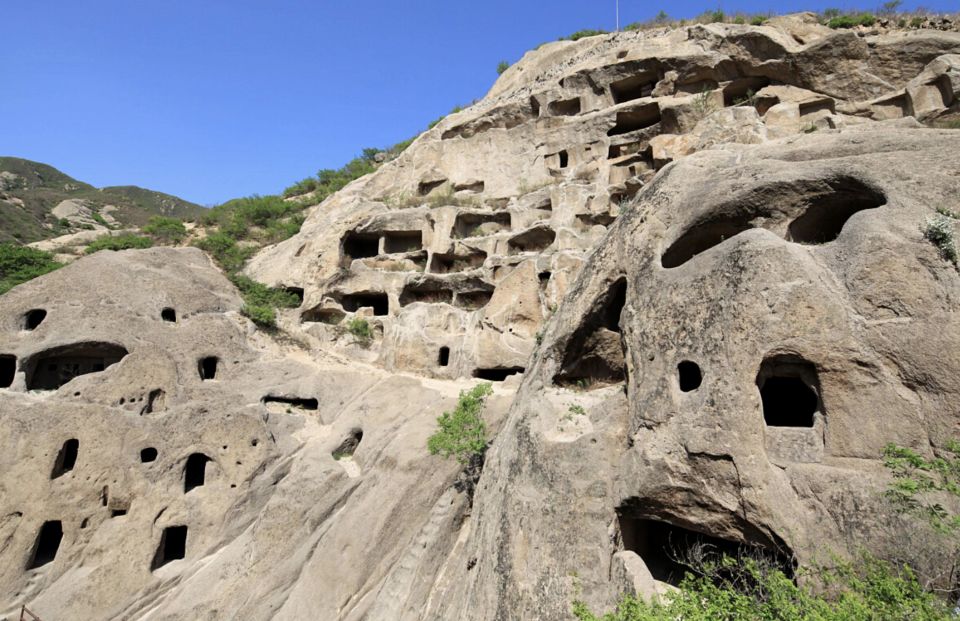
Once you reach Guyaju Geological Park, you get about 1.5 hours of guided sightseeing. This is the core of the day, so it’s worth paying attention to how your guide structures the route.
The guide’s role here is twofold:
- Help you interpret what you’re seeing—the “why” behind the layout.
- Handle ticket friction. If there’s any confusion at the entrance (signage, line rules, what counter to use), having someone help you work through it can save time and stress.
For first-time visitors, Guyaju is a very “get it” site. The architecture is visible right away, and the scale is hard to fake with photos. You’ll see how the caves form clusters and how the site reads like a settlement carved into the hillside.
Footwear tip: bring comfortable shoes. There’s enough uneven ground and walking to make flip-flops a bad idea.
A realism check: the exact details about how and when the caves formed may not be explained in granular depth. Still, the combination of scale, setting, and guide commentary usually makes it feel worthwhile.
Choosing Your Add-On: Longqing Gorge, Ming Tombs, Badaling, or Juyongguan
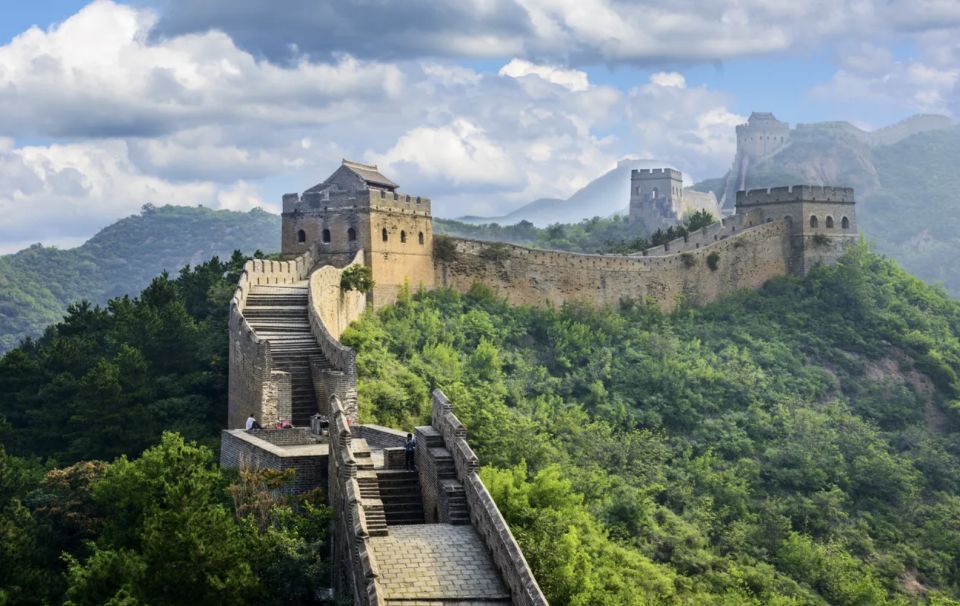
This is the big reason the day feels flexible. After Guyaju, you pick one of four tailored combo packages, each with a different vibe. You’re not paying for variety you don’t want—you’re selecting the kind of Beijing experience you’re after.
Below is how each option tends to play out.
Option 1: Guyaju + Longqing Gorge (Boat Ride + Karst Views)
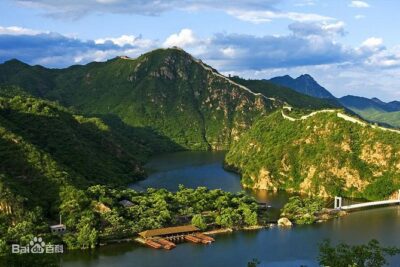
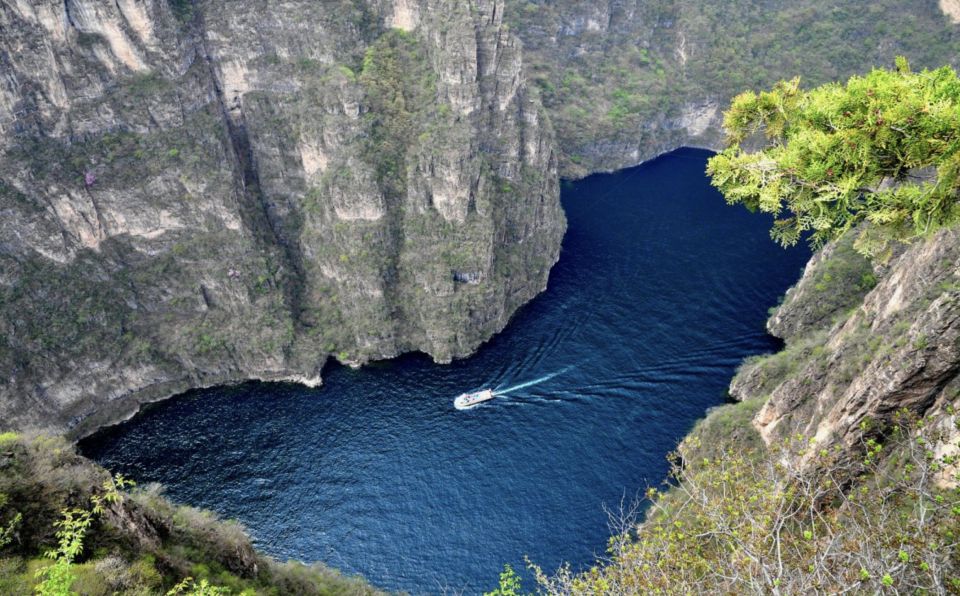
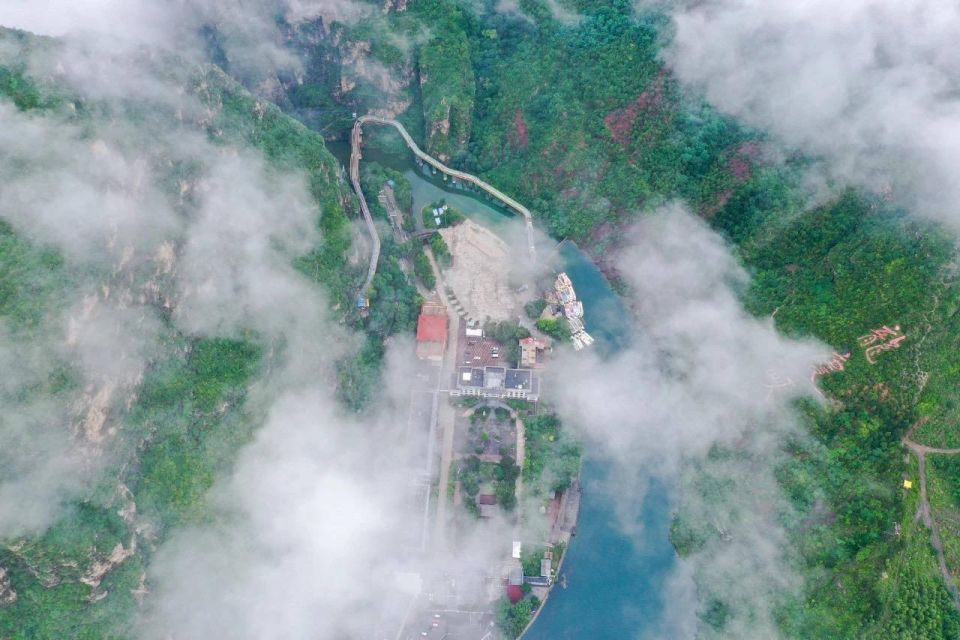
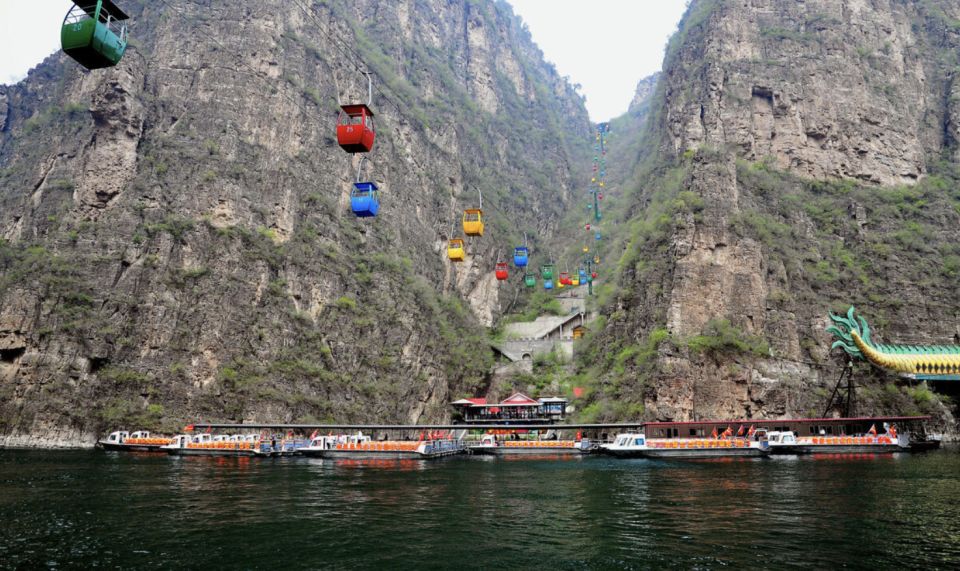
Longqing Gorge is known as the Little Three Gorges for its natural beauty. Expect a scenic boat ride with clear water, wooded mountain sides, and karst features. This is the “slow eyes” part of the day: you sit, you look, and you let the scenery do the work.
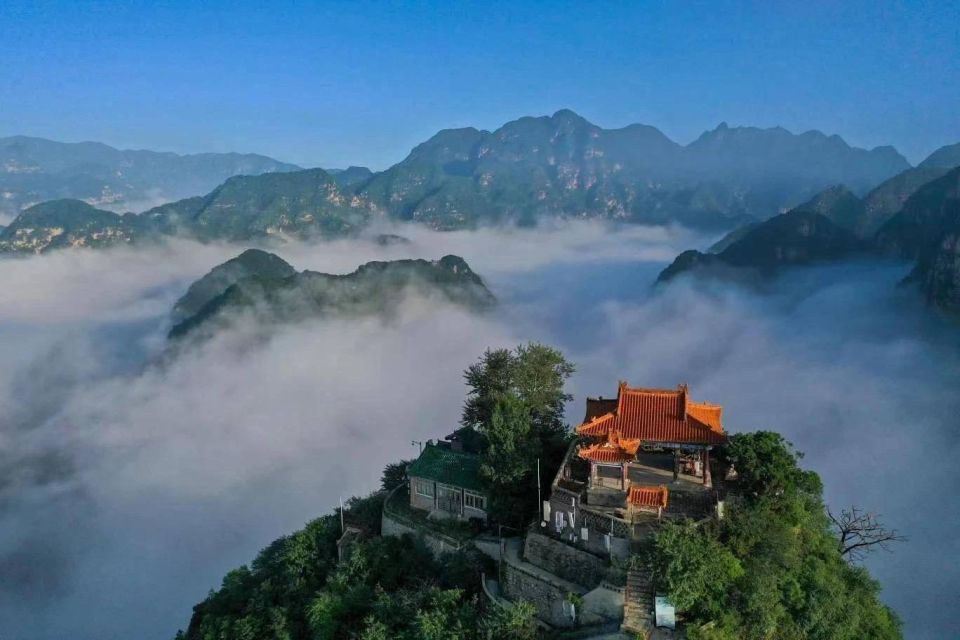
Your guided time here is around 2 hours, and it typically includes the key viewpoints and the water experience. On top of that, you may have the chance to add more views if you’re up for it—one departure experience strongly suggests taking a chairlift and climbing up for a top view. If that’s offered when you go, it’s the kind of extra effort that can pay off with a stronger panorama.
What you’ll like: it’s a gentler contrast to Guyaju—less stone settlement, more nature drama and photo-friendly angles.
What to consider: this side of the day can still feel touristy at times, and the boat ride isn’t guaranteed to feel spectacular in every weather. If your expectations are sky-high only for boats, you might enjoy it more if you treat it as part of the scenery package rather than the single highlight.
Option 2: Guyaju + Ming Tombs (Sacred Way Statues + Dingling Underground Palace)
If you want more built history in your day, Ming Tombs is the move. You usually start with the Sacred Way, lined with 18 pairs of 500-year-old marble statues. This is where you’ll learn how theory like fengshui connects to how the site was laid out, plus stories tied to the Ming Dynasty.
Then you go to Dingling Tomb. You can explore the underground palace, which is described as having five grand chambers, and then there’s a museum section showcasing unearthed treasures.
Your guided time here is about 1.5 hours. That sounds short, but the site is dense with sights: the Sacred Way makes the entrance feel ceremonial, and Dingling adds the “how did they build this” factor underground.
What you’ll like: statue-lined approach + underground palace gives you two different kinds of wow in one stop.
What to consider: if you’re hoping Guyaju is the only “mystery” today, Ming Tombs is a different pace. It’s more structured, rule-following, and story-heavy.
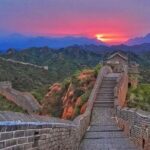
Option 3: Guyaju + Badaling Great Wall (Iconic and Well-Preserved)
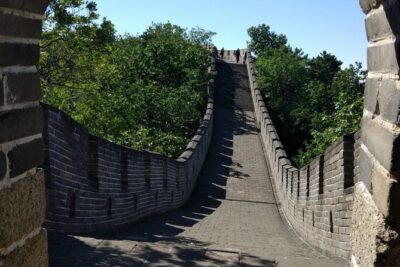
Badaling is the famous answer. It’s often described as the most iconic and well-preserved Great Wall section tied to the Ming Dynasty. Your guided time on the wall is usually 1–2 hours, with time to explore different watchtowers.
You’ll likely also be offered the convenience of a cable car to save energy and time. That’s a big deal if you don’t want the Great Wall to turn into a knee-test.
What you’ll like: it’s easier to appreciate than some lesser-known stretches because the structure is prominent and the whole experience is very visitor-friendly.
What to consider: even with a private guide, this is one of the most visited areas. If you hate crowds, plan your expectations around the time of day you choose.
Option 4: Guyaju + Juyongguan Great Wall (Less Crowded + Yuan-Era Trade Route)
Juyongguan is often quieter and offers a more serene feel. It’s known for diverse structures that supported logistics, management, and defense. It also connects to the broader Yuan Dynasty era, when this section served as a major traffic route between Beijing and Inner Mongolia.
Your guided time here is around 2 hours. This is the option I’d steer you toward if you want Great Wall time that feels more about the wall itself and less about surviving a crowd flow.
What you’ll like: more breathing room, and a guide can help you see the functional logic of the built features, not just the views.
What to consider: if you only want the most famous wall photos and you want maximum tourist infrastructure, Badaling might feel more straightforward.
Ticket Fees and Lunch: The One Part You Should Plan For
Here’s the part that affects value the most. The tour price includes the guide and private transport, but not:
- Lunch
- Entrance fees
The good news is that tickets can be purchased on the day with your guide’s assistance. That means you don’t have to pre-buy online and worry about getting the right ticket type at the right hour.
For lunch, your guide will recommend local restaurants. You pay for your meal directly. So you’re budgeting for food and entry fees separately—but you’re also buying flexibility and reduced hassle.
My advice: bring a little cash or be ready for card payments, and don’t schedule tight dining plans around it. Your guide will help you keep the day moving without turning lunch into a detour.
Price and Value at About $151: What You’re Actually Getting
At about $151 per person for an 8-hour private tour, you’re paying for time, convenience, and human support—not just sightseeing.
Here’s where the value comes from:
- You’re getting a private English-speaking guide, not a group lecture.
- You’re getting a private transfer, which can be the difference between a relaxed day and an exhausting one in Beijing.
- Your guide typically helps with ticket purchase, which cuts down on friction.
- You get to choose from four different add-ons, meaning you can match the day to what you actually want to see.
Where you should be clear-eyed: because entrance fees and lunch aren’t included, your total day cost can rise. Still, the base price buys you the structure: someone to drive, someone to guide, and a plan that doesn’t depend on you solving logistics alone.
If you compare this to piecing the day together on your own, the private setup usually wins when you care about comfort and when you’re traveling as a couple or small group.
What the Private Guide Actually Changes (Beyond Facts on a Page)
A good guide doesn’t just tell stories. They save you from the small problems that ruin a day.
On past departures, guides such as Linda, Jack, or Christine have helped with exactly that—clear communication, calm pacing, and practical help when ticket purchasing gets confusing. Drivers like Mr Tian have also been described as professional, making the ride feel safe and predictable.
That matters more than it sounds. When your day is built around sites outside the center, being able to ask questions and have someone handle timing lets you enjoy the stops instead of managing the journey.
Also, the best version of this tour is the one where your guide adapts your day. If your energy is high, you can take extra viewpoints (like that chairlift idea in Longqing Gorge). If you’re tired, you stay focused on the essential route.
Best for Who? And Who Might Want a Different Plan
This tour is a strong fit if you want:
- A low-stress day out of Beijing
- A private guide who can explain what you’re seeing
- A choice of add-on experiences after Guyaju
- An escape from the usual city rhythm without giving up comfort
It may be less ideal if:
- You want a deep, technical archaeology lecture for Guyaju (the cave origin details may not be presented with heavy specificity)
- You hate any tourist feel at all (Longqing Gorge and major wall sections can still have visitor energy, especially during peak times)
If your goal is variety with fewer decisions, this is a good match. You get one signature “off-the-beaten-path” site (Guyaju), then you select your preferred theme.
Should You Book This Guyaju Day Trip?
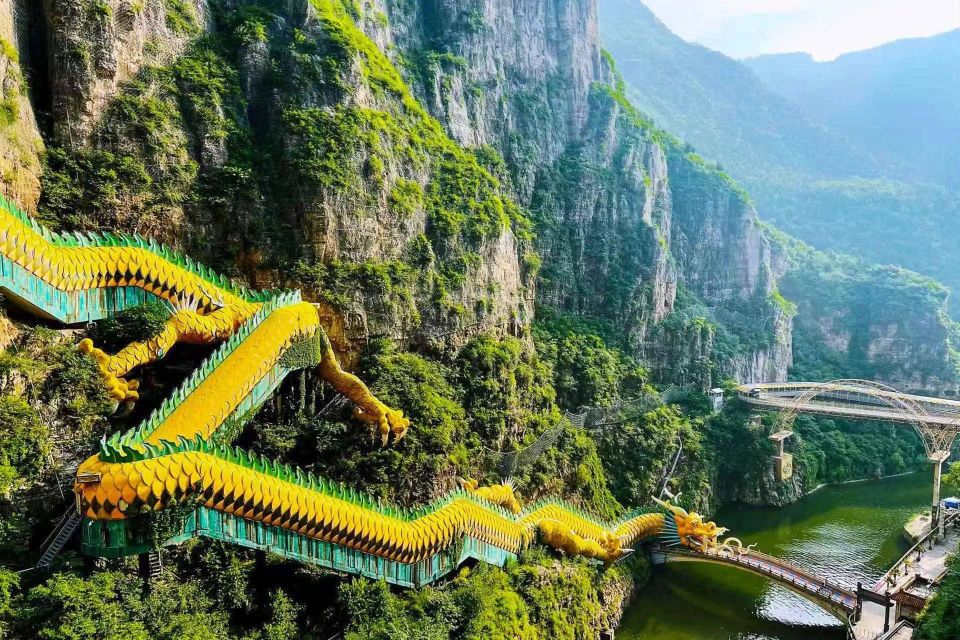
I’d book it if you want a day that feels organized but not stiff. Guyaju Cave Dwellings are the star, and the private transport removes the biggest Beijing pain point: getting there and keeping the day smooth. Then the add-on choices help you shape the day—nature in Longqing Gorge, ceremonial architecture in Ming Tombs, or Great Wall time on either Badaling or Juyongguan.
Book with extra confidence if you:
- Like having a guide handle tickets
- Are traveling with someone who wants a balanced pace
- Prefer options over being forced into one schedule
Skip or consider another format if you’re specifically chasing a highly technical deep-dive on cave formation, or if you’re extremely sensitive to any crowd presence on scenic routes.
FAQ
How long is the full tour?
The tour runs for about 8 hours.
Do I get picked up from Beijing?
Yes. You’ll be picked up from a Beijing downtown location, with an option that includes Qianmen. Your guide will meet you in your hotel lobby holding a sign with your name.
Are entrance fees included?
No. Entrance fees aren’t included, but you can purchase tickets on the day with your guide’s help.
Is lunch included in the price?
No. Lunch isn’t included. Your guide can recommend local restaurants, and you pay for your meal.
What do I need to bring?
Bring comfortable shoes, since you’ll be walking around the sites.
What language is the tour guide?
The tour guide provides live commentary in English.