REVIEW · BEIJING
Beijing: Hutong Breakfast Food Tour
Book on GetYourGuide →Operated by Lost Plate Food Tours · Bookable on GetYourGuide
A breakfast crawl in hutongs can turn into a mini time machine. This 3-hour Beijing food tour threads local market flavors and old-alley stories into one walk you can actually finish, even if you’re new to the city.
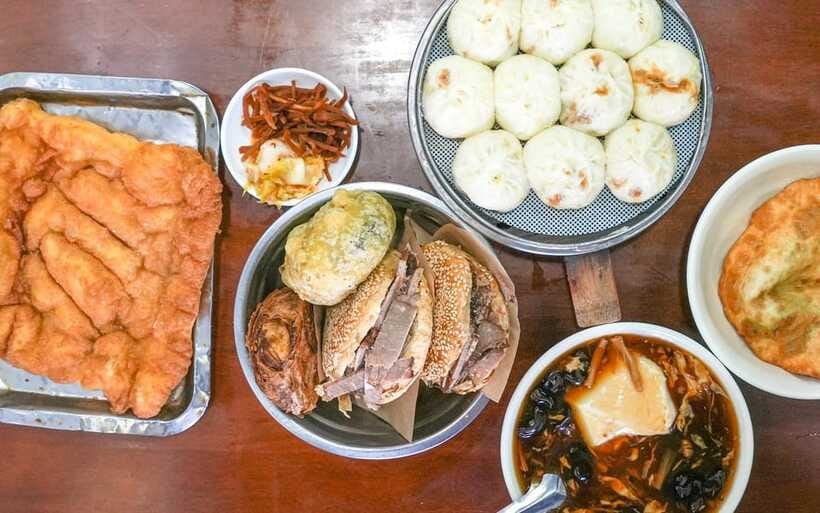
I especially like how it gets you eating iconic Beijing breakfast food, not tourist plate repeats. You’ll work through standout stops like Aunt Jie’s handmade pork zongzi and bold, Michelin-recognized douzhi, plus comforting dishes such as Mr. Yu’s beef flatbread and tofu pudding.
One thing to plan around: it is not a sit-down, slow-andsteady meal. You’ll be on your feet in hutong lanes, and the tour has no hotel pickup, so getting to Zhongguo Meishuguan Subway Station Exit B cleanly matters.
In This Review
- Key Things You’ll Love on This Hutong Breakfast Run
- Meeting at Zhongguo Meishuguan: Finding the Yellow Lost Plate Tote
- 3 Hours, 12+ Bites: How the Pace Really Works
- Market Energy and Aunt Jie’s Handmade Pork Zongzi
- Douzhi: Beijing’s Bold Fermented Tradition
- Mr. Yu’s Beef Flatbread and Tofu Pudding Comfort Foods
- Hutong Secrets You’ll Notice Only After Someone Points
- Jianbing with a Cheesy Twist at a Hole-in-the-Wall Stop
- Sweet Pancakes, Red Bean Pasts, and Imperial-Era Sweets
- Price and Logistics: Is $45 Good Value Here?
- Who This Tour Suits Best (and Who Might Want a Different Plan)
- Should You Book This Beijing Hutong Breakfast Food Tour?
- FAQ
- How long is the Beijing Hutong Breakfast Food Tour?
- How much does the tour cost?
- Where do I meet the guide?
- Is the tour vegetarian-friendly?
- What should I bring, and what is not allowed?
- Is cancellation possible if my plans change?
Key Things You’ll Love on This Hutong Breakfast Run
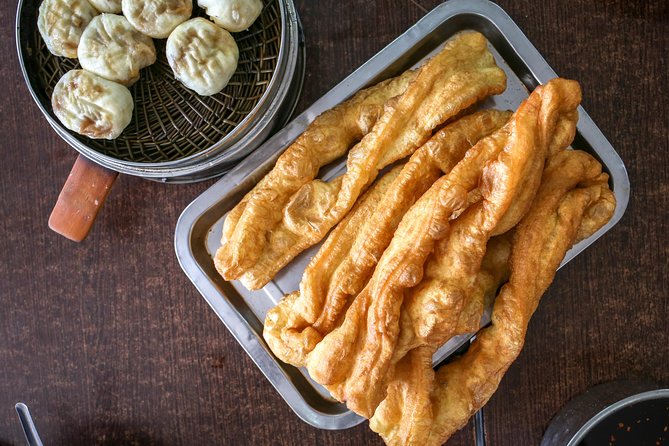
12+ dishes across 5+ hidden hutong spots in just 3 hours
Aunt Jie’s zongzi made with a generations-style approach
Douzhi tasting for a real slice of Beijing food culture
Mr. Yu comfort food like beef flatbread and tofu pudding
Cheesy jianbing from a hole-in-the-wall favorite
English guides such as Kelly, Lynn, or Yoyo, who explain what you’re eating and why
Meeting at Zhongguo Meishuguan: Finding the Yellow Lost Plate Tote
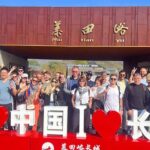
You meet at the Zhongguo Meishuguan (National Art Museum) Subway Station, Exit B, street level. When you come out, look for your guide holding a bright yellow Lost Plate tote bag. It is a simple system once you know what to look for, and that saves you stress on a tight morning.
Use Line 8 if you can. When you exit the train, follow signs to Exit B, and remember that traffic can be heavy in the area during rush hour, so build in extra buffer time.
Practical tip: bring comfortable shoes and plan for a lot of walking between small food stops. Also, don’t bring luggage or large bags since the tour doesn’t allow them.
You can also read our reviews of more food & drink experiences in Beijing
3 Hours, 12+ Bites: How the Pace Really Works
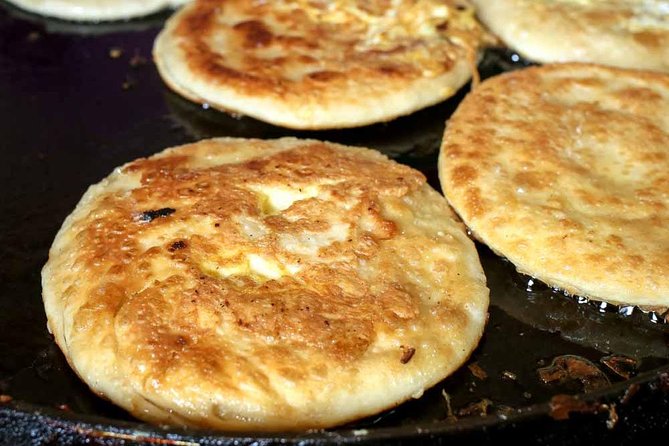
This tour is built for momentum: you’ll move through hutong lanes and hit 5+ hidden spots, with unlimited food and drinks in 6+ eateries and street stalls. Duration is 3 hours, so you’re not stuck waiting for one long meal course.
The value is in the variety. At $45 per person, you’re paying for an efficient route, an English-speaking guide, and access to food places you probably would not find on your own. And because you’ll have unlimited water and soft drinks, you’re less likely to overheat or run dry while you’re tasting.
The only “watch out” is your appetite and comfort level with strong flavors. If you prefer mild, familiar breakfasts only, douzhi is the one that may surprise you.
Market Energy and Aunt Jie’s Handmade Pork Zongzi
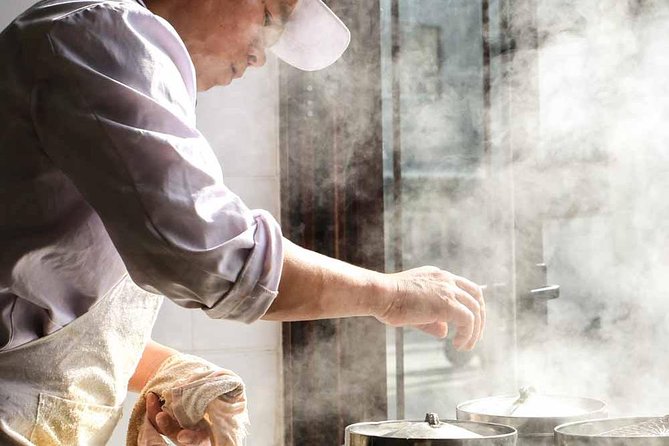
A big draw is the tour’s market stop, where you get a more local start before you disappear into the hutongs. This is where Aunt Jie’s handmade pork zongzi becomes more than a dish; it becomes a story you can taste.
Zongzi are the kind of food that reward attention. You’re not just eating something filling; you’re seeing how the dumplings are prepared and understanding why this is the kind of breakfast that sticks with people. If you’ve never had zongzi before, this is a great first exposure because it’s presented as an everyday tradition rather than a fancy novelty.
If you’re thinking ahead for texture: zongzi are dense and satisfying. You’ll likely want to pace yourself so you still have room for the later, more snackable bites.
Douzhi: Beijing’s Bold Fermented Tradition
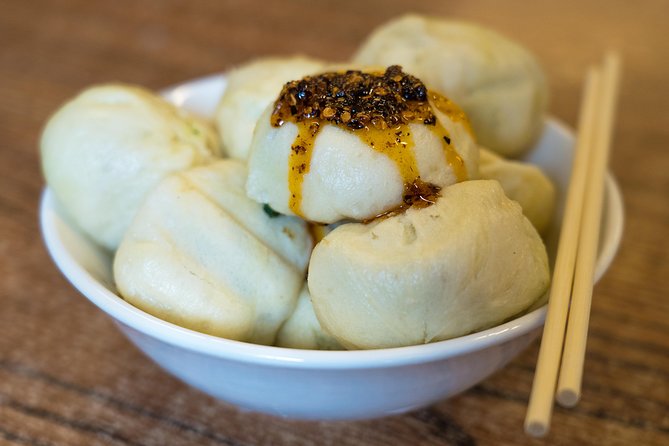
The tour doesn’t treat douzhi like a background character. You’re explicitly warned to brace yourself, because douzhi is one of Beijing’s bold, Michelin-recognized traditions.
What does that mean for you in real life? It means you should go in with curiosity, not a dare. Take a small portion first, then decide whether you want another bite. If you love foods that smell and taste strongly but have a dedicated fan base, you’ll probably enjoy it more than you expect.
Also, douzhi works well with other flavors. As the tour stacks savory bites and breakfast-style carbs, you’ll get contrast, which helps if one flavor is intense.
Mr. Yu’s Beef Flatbread and Tofu Pudding Comfort Foods
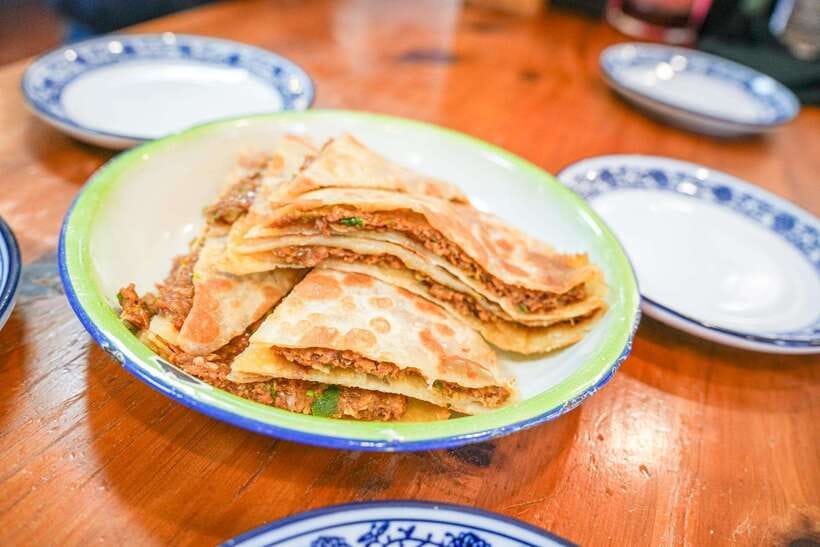
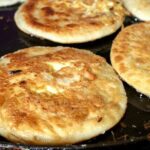
After the more challenging flavors, the tour shifts into comfort-mode with Mr. Yu’s breakfast foods. Expect Mr. Yu’s beef flatbread and tofu pudding, which are exactly the kind of dishes that make Beijing feel cozy even when you’re in a narrow alley.
Beef flatbread is the kind of food that fills you fast, usually with a satisfying chew and a savory punch. Tofu pudding is a softer counterweight, and that contrast matters when you’re eating many items in a short window.
This is also where the guide’s storytelling earns its keep. You’re not only tasting; you’re learning how these “simple” foods connect to childhood cravings and everyday life.
You can also read our reviews of more tours and experiences in Beijing
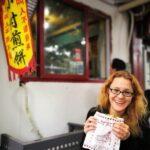
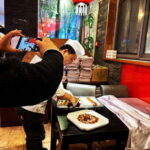
Hutong Secrets You’ll Notice Only After Someone Points
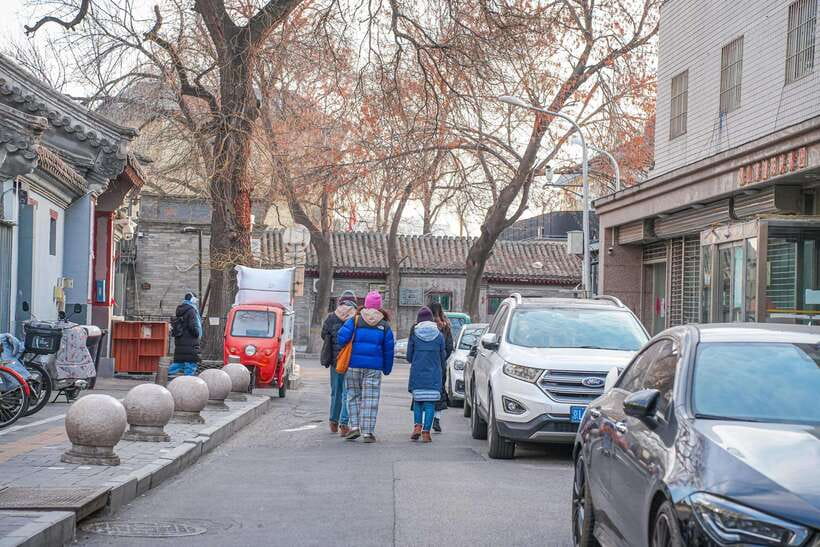
The hutongs are not just scenery. This tour builds in time to notice the details: stone doorways, signs, and courtyards. The point is to teach you what to look for so you can understand the neighborhood fabric rather than just pass through it.
In practical terms, those “secrets” slow the pace just enough to make your walk feel like sightseeing. You start to see how food fits into place: street stalls and small shops exist because hutong life is compact, social, and close to daily routines.
If you love photography, this is where you’ll get images that feel specific and human-sized, not postcard-wide and generic.
Jianbing with a Cheesy Twist at a Hole-in-the-Wall Stop
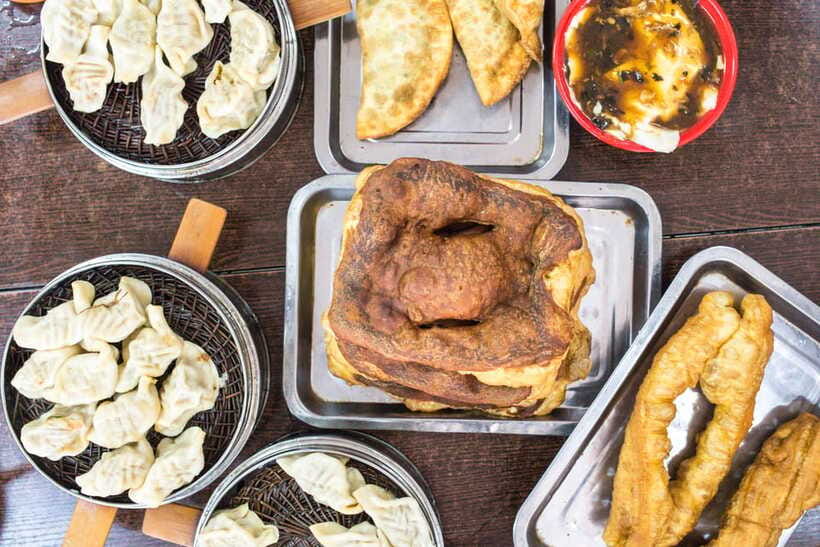
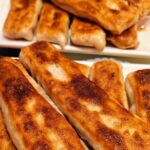
No Beijing breakfast tour should feel complete without jianbing. Here, you get it with a cheesy twist at a hole-in-the-wall favorite spot, which is exactly the kind of clue you want before you even order.
Jianbing is best when it is freshly made, so this stop matters for timing. Plan to eat it while it is hot and crisp, not five minutes later when you’re out of breath from walking. If it comes with savory egg components, let them do their job: they balance the starchy base and carry a lot of flavor.
From the guides’ storytelling style, you may also hear why certain versions become favorites, including the sweet side of the breakfast spectrum. Some tours like to include sweet pancake elements too, and that can be great if you like red bean flavors.
Sweet Pancakes, Red Bean Pasts, and Imperial-Era Sweets
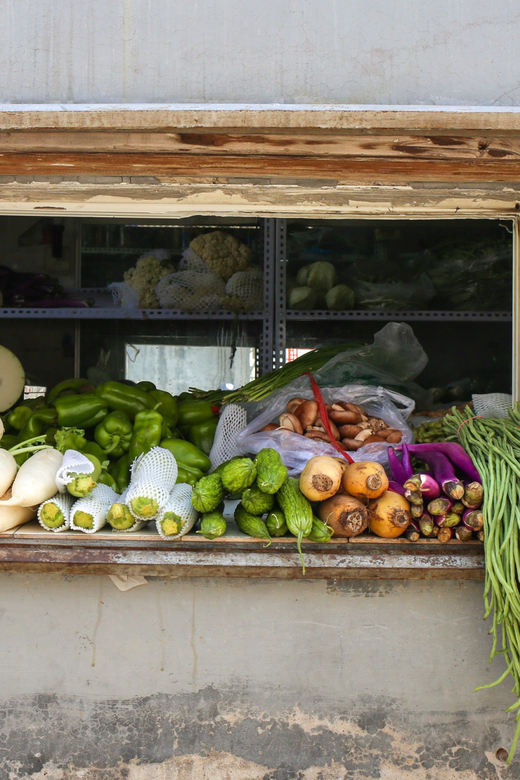
This tour includes imperial-era sweets once made for emperors, plus other sweet bites along the route. That’s a fun contrast to salty Beijing breakfast staples, and it also gives you a chance to test how you like the sweetness level in this style of food.
One consideration: if you’re not a fan of red bean paste, you may want to pace yourself or mentally plan for a few sweet bites stacking close together. Some people find the quantity of sweet red bean desserts in one stretch to be a lot, even though the flavors are traditional.
If you do like sweet breakfasts, this section can become the highlight, because you’re tasting a broader range of Beijing tradition, not only one category of food.
Price and Logistics: Is $45 Good Value Here?
At $45 per person for 3 hours, you’re getting a professional English-speaking guide, unlimited water and soft drinks, and unlimited food across 6+ eateries and street stalls. The hidden value is route design: you’re paying for access to spots you might miss if you’re trying to do this solo.
Compared to paying for individual meals in central Beijing, the deal is strongest if you actually eat during the tour and don’t skip items because you’re saving for dinner. Unlimited doesn’t mean you’ll taste everything at the speed of light, but it does mean you can follow the guide’s suggestions without doing math in your head.
Logistics are straightforward but matter. You should be comfortable reaching the meeting point by subway (Line 8 to Zhongguo Meishuguan, Exit B). There is no hotel pickup and drop-off, so the tour works best if you’re already near that area or can travel there easily.
Who This Tour Suits Best (and Who Might Want a Different Plan)
This is a strong fit for you if you want an all-access breakfast sampler: zongzi, douzhi, comfort foods, and jianbing, all in one walking loop. You’ll also enjoy it if you like guides who explain what you’re eating and weave the food into everyday life in Beijing.
It is also vegetarian-friendly, but substitutions are not available for every dish. So if you eat vegetarian strictly, you’ll want to treat this as flexible, not guaranteed.
It is not suitable for people with mobility impairments, because you’ll be walking through hutong lanes and stopping at small street-level spots.
Should You Book This Beijing Hutong Breakfast Food Tour?
If you want a practical way to eat like a local in Beijing’s hutongs, this tour is a smart move. The mix of Aunt Jie’s zongzi, douzhi, Mr. Yu’s comfort foods, and cheesy jianbing is varied enough to keep you interested the whole 3 hours, not just stuck on one style of food.
Book it if you like street food, don’t mind bold flavors, and you’re okay walking. Skip it or reconsider if you strongly dislike fermented foods (douzhi is the one to think about), or if sweet red bean-heavy bites would stress you out.
If you’re new to Beijing, use the meeting-point system to your advantage: go early enough to find Exit B, and watch for that bright yellow Lost Plate tote bag. Once you’re with the guide, the rest is set up to be easy—food first, explanations second, and hutong details you’ll actually remember.
FAQ
How long is the Beijing Hutong Breakfast Food Tour?
The tour lasts 3 hours.
How much does the tour cost?
The price is $45 per person.
Where do I meet the guide?
Meet at Zhongguo Meishuguan (National Art Museum) Subway Station, Exit B, street level. Your guide carries a bright yellow Lost Plate tote bag.
Is the tour vegetarian-friendly?
It is vegetarian-friendly, but substitutions are not available for every dish, so not every food may be vegetarian for you.
What should I bring, and what is not allowed?
Wear comfortable shoes. Luggage or large bags are not allowed.
Is cancellation possible if my plans change?
Yes. Free cancellation is available up to 24 hours in advance for a full refund.