REVIEW · BEIJING
Beijing: 2-day Small Group Great Wall Hiking Gubeikou&Jinshanling
Book on Viator →Operated by Great Wall Hiking · Bookable on Viator
Two days on the Great Wall, before the crowds. This small-group hike strings together UNESCO Great Wall sections around Jinshanling and Gubeikou, with early access, watchtower viewpoints, and a village overnight so you’re not rushing in and out. You’ll walk restored and untouched stretches, checking out guard towers, decorative stone details, and brickwork you usually only see up close.
What I really liked was the pacing: you get morning time on the Wall before the mass visitor flow ramps up, plus a route built for actual hiking rather than quick photo stops. I also liked the human touch of a local farmer guide—even when history talk is light, the route leadership and practical help matter a lot when you’re moving along uneven stone and steep segments.
One thing to weigh: this is a physical hike with limited conveniences—there’s no toilet along the Wall, and you’ll need a day pack and basic trail supplies. If you’re expecting flat walking or full-time commentary in English, you might find the experience more “hands-on route and views” than “museum-style history.”
In This Review
- Quick take: what makes this Great Wall hike work
- The day starts with Jinshanling stairs and a watchtower payoff
- Gubeikou to Jinshanling is the quieter, rougher-feeling day
- Your farmer guesthouse night: meals and sleep near the Wall
- How the small group and local guide support the hike
- What to expect from the walking days (and how hard it feels)
- Price and logistics: is $268 good value?
- Toilets, day packs, and the reality check no one posts
- Photo timing and stone details you can actually see
- Who should book this Great Wall hiking plan
- Should you book this Great Wall Hiking from Gubeikou and Jinshanling?
- FAQ
- How long is the hike on each day?
- What’s included in the price?
- Do I need to carry my belongings during the hike?
- Are there toilets along the Great Wall path?
- What kind of fitness level do I need?
- How big is the group?
Quick take: what makes this Great Wall hike work
- Early Great Wall timing so you’re on the stone before the busiest hours
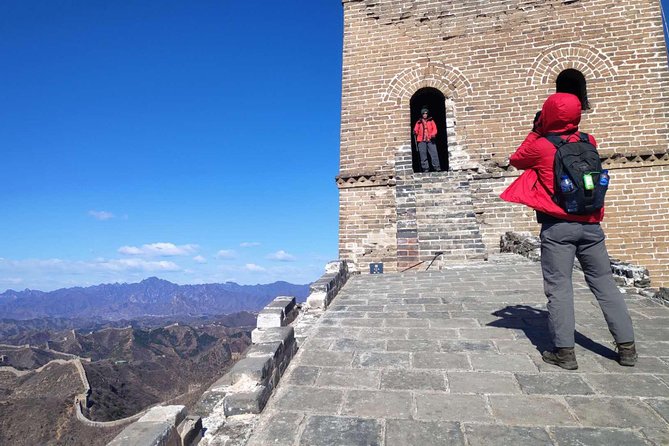
- Jinshanling to Simatai West highlights, including the East-Five-Eye watchtower area
- Gubeikou’s wilder, less-visited feel as you hike toward Jinshanling
- Farmer guesthouse overnight near the route, with meals included (breakfast, lunch x2, dinner)
- Small group size (max 10) plus a support vehicle carrying belongings and water
The day starts with Jinshanling stairs and a watchtower payoff
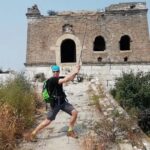
Day 1 focuses on the Jinshanling / Simatai West side, with a classic “earn your views” moment early on. You’ll step up for about 40 minutes to reach the East-Five-Eye watchtower area at Simatai West / Jinshanling East, and yes—this is a real stair-and-breathing exercise.
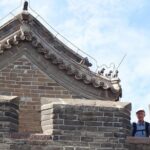
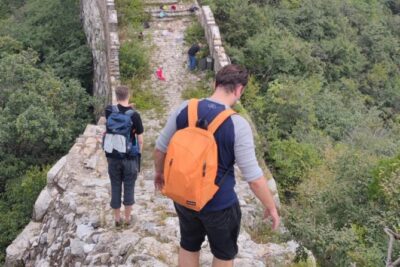
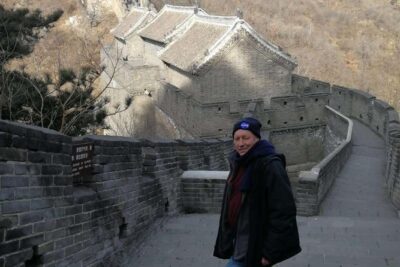
Once you’re up there, the Wall does what it does best: it turns scale into something you can actually measure with your own feet. You’ll see guard towers, decorative statues, and the kinds of brickwork and stone construction details that don’t show up well from the main tourist routes. The route is set up for several hours on the Wall, so you have time to pause for photos without feeling like you’re being hustled off the stones.
A practical note I appreciated: this kind of hiking is easier when you know your effort has a purpose. The early segment sets you up to understand the Wall’s rhythm—short climbs, long stretches, then another viewpoint where the stonework and watchtowers start to make sense as a system, not just a wall.
You can also read our reviews of more hiking tours in Beijing
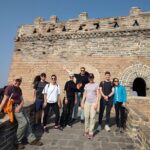
Gubeikou to Jinshanling is the quieter, rougher-feeling day
Day 2 is where the tour leans into the “wild and original” vibe. After breakfast, you start the hike at 08:30 from Coaling Dragon Hill (Panlongshan) in Gubeikou, heading toward Jinshanling. The timing is intentional: you’re out early, when visibility is often better and when the Wall feels less like a highway.
This stretch is described as less visited, and that matters. When you’re not constantly dodging crowds, the Wall feels more like a long-distance pathway through history—watchtowers become landmarks, and the stone transitions feel more natural as you keep moving forward. You’ll hike several hours on the Wall, aiming for a full day of walking rather than a short loop.
Also pay attention to the route style: you’ll hike from A to B every day, and your belongings travel with the car/van to the accommodation. That reduces the weight you need to carry on your back, but it also means you should pack efficiently—your day pack is your lifeline for water, snacks, and small essentials.
Your farmer guesthouse night: meals and sleep near the Wall
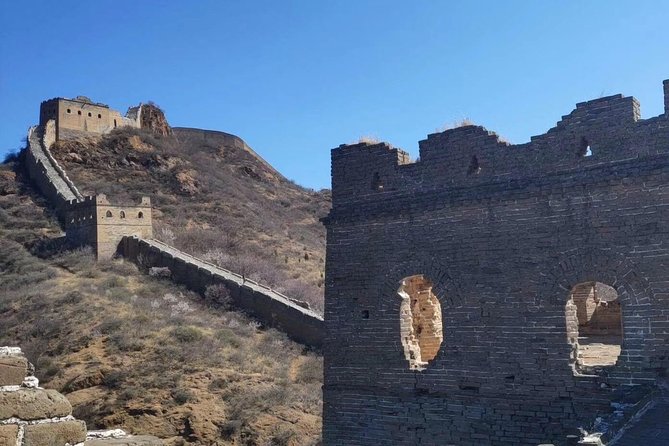
Between hiking days, you get an overnight in a local farmer’s guesthouse near the Great Wall. This is one of the smartest parts of the itinerary because it turns the Great Wall into something you experience over time, not just a single day trip.
You’ll get dinner and breakfast included, and the experience is described as home-cooked in at least some cases. That simple meal setup is a big deal after a long walking day, especially when your main goal is to wake up and hike again instead of spending the night commuting.
Because you’re staying in a village area, you also get a different sense of place than you’d get with a hotel-only plan. You’re not just visiting the monument—you’re living in the region that grew up around it. It’s not luxury travel, and that’s the point: it’s closer to real travel, with basic comfort and good timing.
How the small group and local guide support the hike
This is a small group tour with a maximum of 10 travelers, which is the sweet spot for hiking. Big groups can be fun for the chatter, but on steep stone paths, smaller numbers mean you spend less time waiting and more time moving at your own pace.
Transportation is handled via an air-conditioned vehicle with an experienced driver, and the itinerary is designed so your luggage can ride along with the support vehicle between points. You’re still hiking yourself, but you’re not hauling all your gear.
The local guide is a key part of the value. The tour includes a limited-English local farmer guide, mainly for leading the way rather than long history commentary. That said, named guides like Cheney and Yaxin have been highlighted for being informative about the area and structure. In other words: plan for route guidance first, and accept that history depth can vary by guide.
A tip I’d take seriously: tell your guide if you want trekking poles. Poles are available via the car/van, and they can reduce stress on downhill sections—especially when stone is uneven and you’re tired from Day 1.
What to expect from the walking days (and how hard it feels)
This tour asks for moderate physical fitness, and the day structure confirms that. Day 1 includes a significant climb to a watchtower area plus several hours on the Wall. Day 2 is another multi-hour trek with a start at 08:30 after breakfast, which means you’ll likely be walking in the morning’s cooler air and then continuing as the day warms up.
I’d describe the difficulty as “steady effort,” not technical rock climbing. Still, you should expect steep steps, uneven surfaces, and long-distance stamina. The Wall is historic engineering, which sometimes means it’s not designed for your modern comfort.
Also consider the “no crowd” factor. Quiet sections can feel easier psychologically—you’re not stressed about bumping into people—but the quiet also means you need to be self-sufficient with your basics. The tour helps with water and support, but you’re the one stepping forward for hours at a time.
If you know your hiking limits, you’ll be fine. If you’re more used to flat sightseeing, you might feel it—especially on Day 1’s stair-heavy approach.
You can also read our reviews of more tours and experiences in Beijing



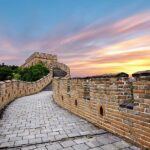

Price and logistics: is $268 good value?
At $268 per person for a 2-day / 1-night Great Wall hiking experience, the value comes from what’s bundled. You’re not just paying for admission—you’re paying for the whole operating system: transport from Beijing, a support vehicle for luggage and bottled water, guided route leadership, entrance tickets, and two lunches plus dinner and breakfast.
You also get a tangible souvenir: a certificate of completion for hiking the Great Wall of China. That may sound small, but it’s a nice “we really did it” marker after two full days of walking.
The price is also more believable when you look at group size and inclusions. With a small group capped at 10, you’re less likely to be stuck in a slow-moving pack. And because you’re staying overnight in a village guesthouse, you’re paying for more than a day tour’s standard flow.
One cost consideration: you’ll need to budget for personal expenses and travel insurance is not included (it’s optional). If you’re the type who hikes often, this setup is a good match because you’ll already have the gear basics. If you’re traveling light, you may need to buy or borrow things like proper shoes.
Toilets, day packs, and the reality check no one posts
The most important “read this twice” detail: there is no toilet along the path on the Wall. Toilets are available at the entrances of Gubeikou and Jinshanling, so plan your bathroom timing around starting points and breaks before you’re committed to long sections.
You’ll need to come prepared to use the outdoors. The tour explicitly advises bringing toilet paper and using it responsibly. It sounds unglamorous, but it’s also one of the biggest comfort differences between a pleasant hike and an annoying one.
Bring a day pack. You’ll carry water, snacks, and other small items, while your main belongings go with the car/van to the guesthouse. The tour provides bottled water stored in the vehicle for hiking each day, but don’t treat that as permission to arrive without snacks—preparing some snacks before leaving Beijing is recommended.
Gear wise, the essentials are simple:
- comfortable shoes or boots
- sunscreen, sunglasses, and a cap
- lip balm (stone-dry air can surprise you)
- a small first aid kit
- toilet paper
And yes, trekking poles are available in the vehicle if you want them—tell your guide.
Photo timing and stone details you can actually see
If your ideal Great Wall day includes photos, this itinerary gives you more than “stand here and take the picture.” You’ll have time at the Wall before other visitors arrive, which means better light and fewer people cluttering your shots.
The route also emphasizes architectural variety: watchtowers, decorative statues, and brickwork details along restored and untouched sections. Up close, you start noticing how stone shapes, repairs, and structural elements change as the Wall adapts over time.
I like that it’s not just about reaching a peak viewpoint. You’ll move along the Wall for hours each day, so your photos aren’t all from the same angle and distance. That’s what makes the Great Wall feel like a place instead of a single postcard.
Who should book this Great Wall hiking plan
This tour fits best if you:
- want a hiking-first Great Wall experience, not a bus-and-photo loop
- like quiet time on the Wall, especially in the morning
- don’t mind basic overnight accommodations in a village guesthouse
- are comfortable with simple logistics like a day pack and outdoors toilet planning
It’s also a solid option for travelers who want local guidance without expecting a lecture. The guide’s main job is route leadership, and you can still get informative history context depending on the guide’s style.
If you’re traveling with someone who loves “structured sightseeing” and detailed commentary on demand, you might want to mentally set expectations. This plan is more about walking, seeing, and understanding through observation—stone details speak for themselves.
Should you book this Great Wall Hiking from Gubeikou and Jinshanling?
Yes, if you want a Great Wall trip that feels like an actual journey across time and terrain. The combination of two distinct hiking days, early access before crowds, and a night near the route is a strong value story for $268.
I’d skip it only if your tolerance for steep stairs and basic trail conditions is low. The lack of toilets along the Wall is the big limiter, and the hike length each day means you’ll feel the effort even if the pace is friendly.
If you’re unsure, treat this as a “moderate hiking weekend” wrapped in one of China’s most famous monuments. Pack smart, start early, and you’ll spend two days earning those views on stone you don’t need to rush past.
FAQ
How long is the hike on each day?
Day 1 is about 3 hours of hiking at Jinshanling, and Day 2 is about 5 hours hiking on the Gubeikou section toward Jinshanling.
What’s included in the price?
The tour includes local transportation by air-conditioned vehicle, a limited English-speaking local farmer guide, entrance tickets, bottled water during hikes, meals (1 breakfast, 2 lunches, 1 dinner), and one night in a twin-shared guesthouse. It also includes a certificate of completion.
Do I need to carry my belongings during the hike?
You will hike from A to B each day, but your belongings go with the car/van to the accommodation. You should bring a day pack for water, snacks, and other small essentials.
Are there toilets along the Great Wall path?
No, there are no toilets along the Wall. There are toilets at the entrances of Gubeikou and Jinshanling, and you should be prepared to use the outdoors otherwise (including bringing toilet paper).
What kind of fitness level do I need?
The tour is described for travelers with moderate physical fitness. You should be comfortable with several hours of hiking, including stair climbing and uneven stone.
How big is the group?
This experience has a maximum of 10 travelers, and it runs as a small-group hike.
If you want, tell me your hiking comfort level (for example, stairs okay vs not), and I’ll help you decide if Day 1’s climb and the Day 2 start time sound manageable.

-400x267.jpg)