REVIEW · BEIJING
Traditional Chinese Tea Ceremony Experience
Book on GetYourGuide →Operated by Hutong Calligraphy · Bookable on GetYourGuide
Slow down and learn tea properly.
This traditional Chinese tea ceremony in Beijing turns a drink into a mindful ritual—warming the tools, watching the pours, and learning why timing and temperature matter. I like that it is hands-on and sensory: you smell high-quality leaves, then taste several styles instead of just getting one cup and moving on. One thing to consider: the experience is not designed for very young kids (it is not suitable under 7), so plan around that if you are traveling as a family.
What I especially appreciate is the clear focus on Chinese tea culture, not just tea trivia. You get instruction from an English-speaking host/tea master, with techniques like how to warm the teapot and how to steep at the right moment—things that make your future cup taste better right away. In a few sessions, English-speaking masters such as Richard Li and hosts like Feye have been highlighted for friendly teaching and patience, and that matters when you are learning something that feels slow on purpose.
The only real drawback is that you should expect it to feel like a lesson as much as an activity. You will likely spend most of your time at the tea house rather than sightseeing, and there is no separate tour guide or transportation included—so you will want to have your own plan for getting there.
In This Review
- Key Things to Know Before You Go
- A Beijing Tea Ceremony That Feels Like Culture, Not a Sales Pitch
- What You Actually Taste: Oolong, Pu-erh, Green Tea, Jasmine, and Flower Tea
- How the Tea Master Teaches You: Smell First, Then Steep Right
- 30 Minutes to 3 Hours: Why Time Range Matters
- Where the Value Comes From at $9
- Tea House Atmosphere and the Post-Ceremony Walk Back
- Should You Add Calligraphy to Your Day?
- Who This Tea Ceremony Fits Best (and Who Might Skip It)
- Tips to Get More Out of Your Ceremony
- Should You Book This Traditional Chinese Tea Ceremony in Beijing?
- FAQ
- Where does this tea ceremony take place?
- How much does it cost?
- How long will the experience take?
- What teas will I taste?
- Is the host/greeter available in English?
- Is this suitable for children?
- Is transportation or a tour guide included?
- What should I do when I book?
Key Things to Know Before You Go
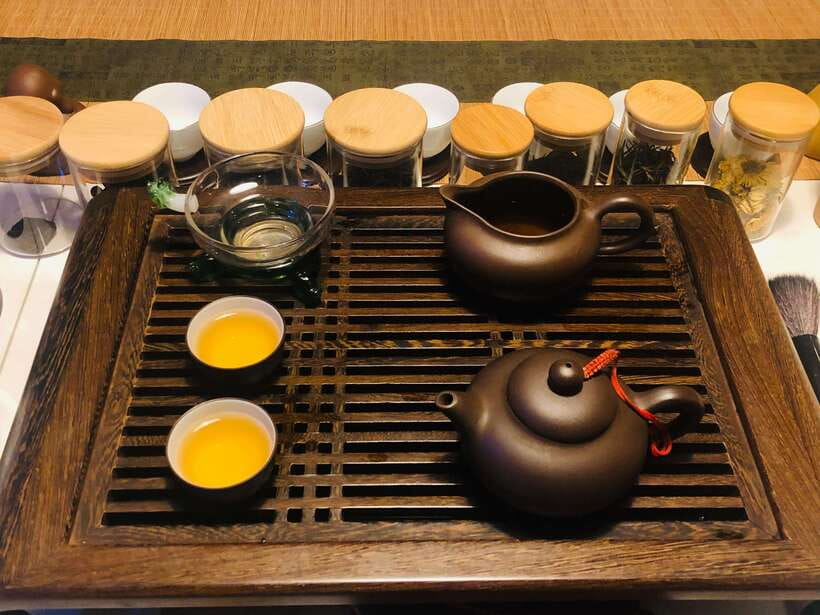
- Tea gets taught step by step, from warming the teapot to pouring at the right time
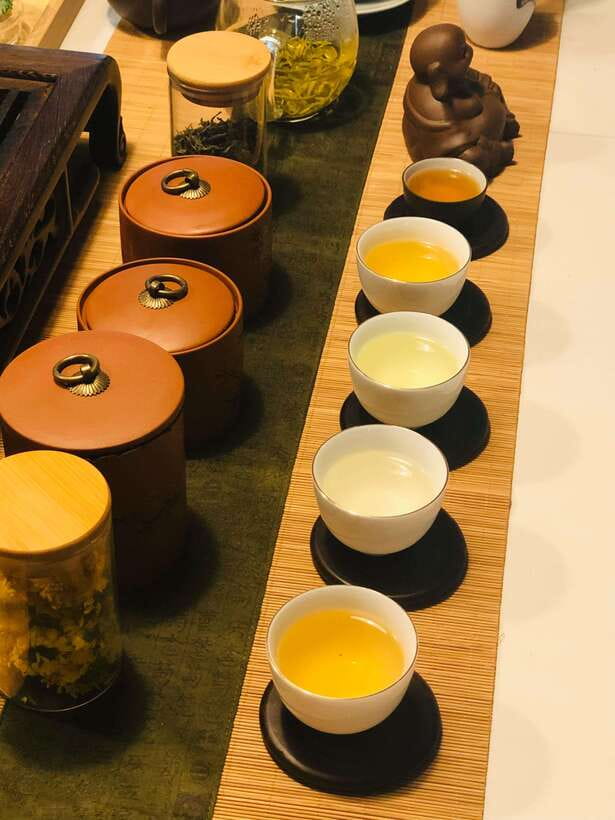
- Five mini cups mean you can compare teas without overdoing it
- Expect English instruction from the host/tea master
- You will sample teas like Oolong, Pu-erh, green tea, jasmine, and flower tea
- Shopping is optional and not included; you can buy take-home tea at your own expense
- Some sessions run closer to 30 minutes, others can go up to 3 hours
A Beijing Tea Ceremony That Feels Like Culture, Not a Sales Pitch
China is the birthplace of tea, and this ceremony is built around the idea that tea is more than liquid in a cup. The ritual emphasizes respect, harmony, and mindfulness—so the pace is intentionally slow. That is part of the charm. You are not rushing through a “photo stop.” You are learning how people treat tea as something worth paying attention to.
I also like that it is practical. When someone shows you how to smell a leaf before tasting, or how steeping time changes flavor, it stops being abstract. You leave with a few repeatable habits you can use later when you order tea back home.
Price-wise, it is hard to beat. At $9 per person, you are paying for an experienced teacher, tasting portions, and a structured lesson. It is one of those activities where the value comes from the instruction and the atmosphere, not from fancy extras.
You can also read our reviews of more tours and experiences in Beijing.


What You Actually Taste: Oolong, Pu-erh, Green Tea, Jasmine, and Flower Tea
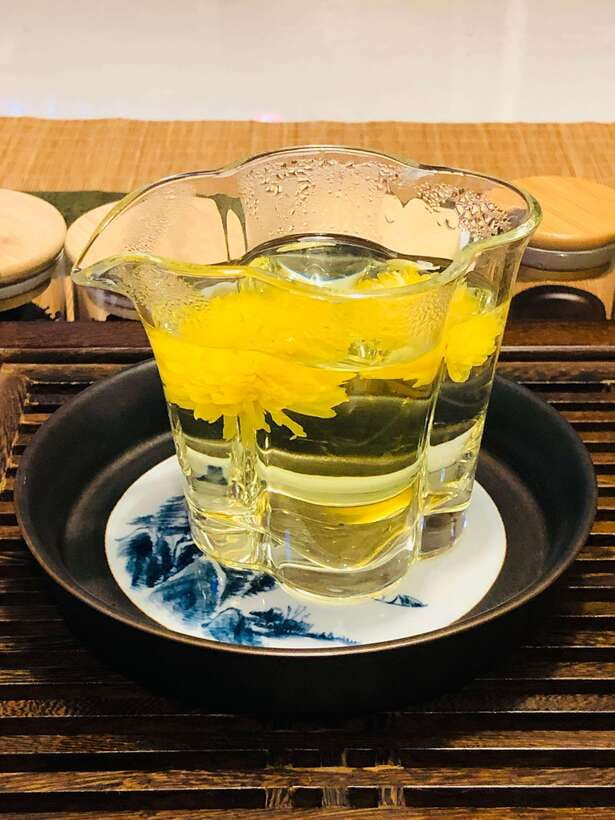
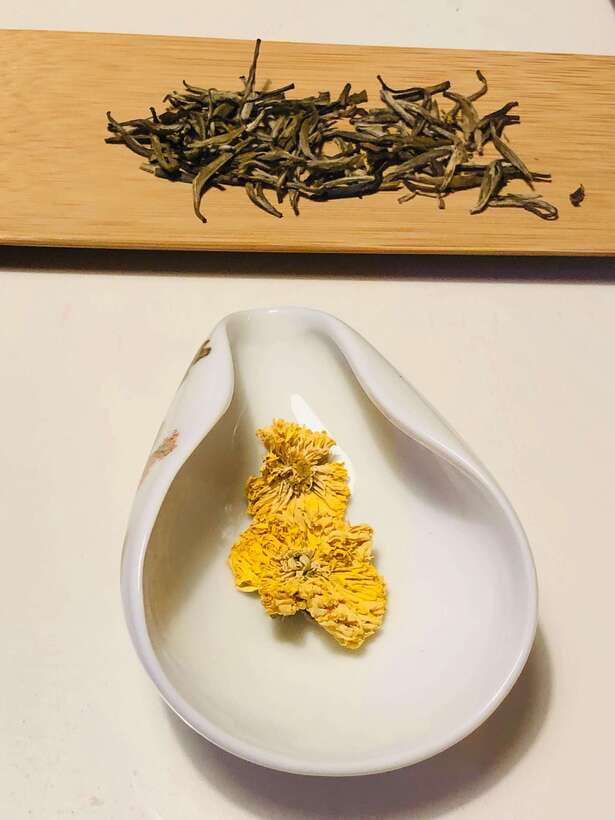
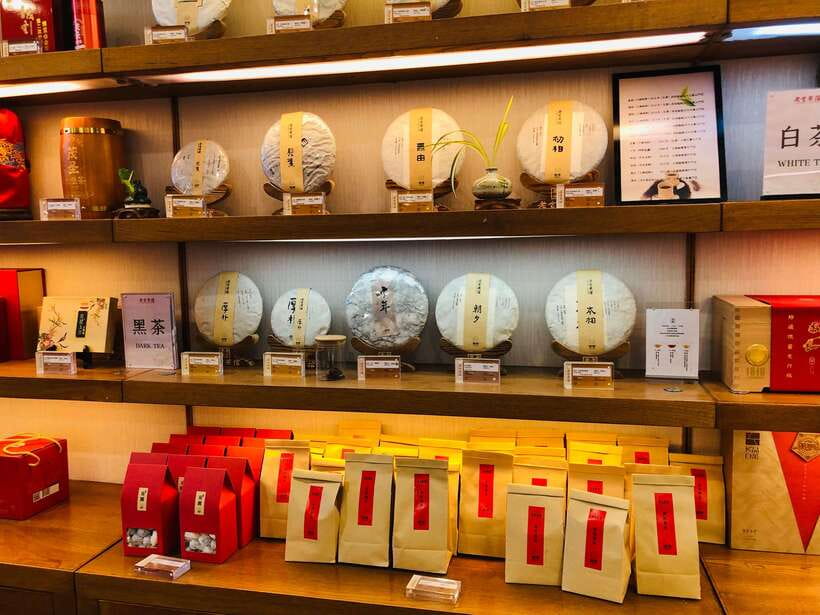
One reason people love this is simple: you do not just get one mystery tea. You taste multiple types, including Oolong, Pu-erh, green tea, jasmine tea, and flower tea. That lineup gives you a quick map of Chinese tea culture, because each tea style brings a different aroma and mouthfeel.
You also receive 5 mini cups during the ceremony. Those small servings are smart. They keep the experience light enough to enjoy, even if you are new to tea, and they make comparisons easier. If one cup is floral, one is earthy, and another is grassy, you will notice the differences.
If you are sensitive to caffeine, keep in mind that some of these teas can still feel stimulating. The ceremony is designed around tasting and learning, so you will likely pay attention more than you normally do at a café. That is fun, but you may want to plan the timing if you are already drinking coffee that day.
How the Tea Master Teaches You: Smell First, Then Steep Right
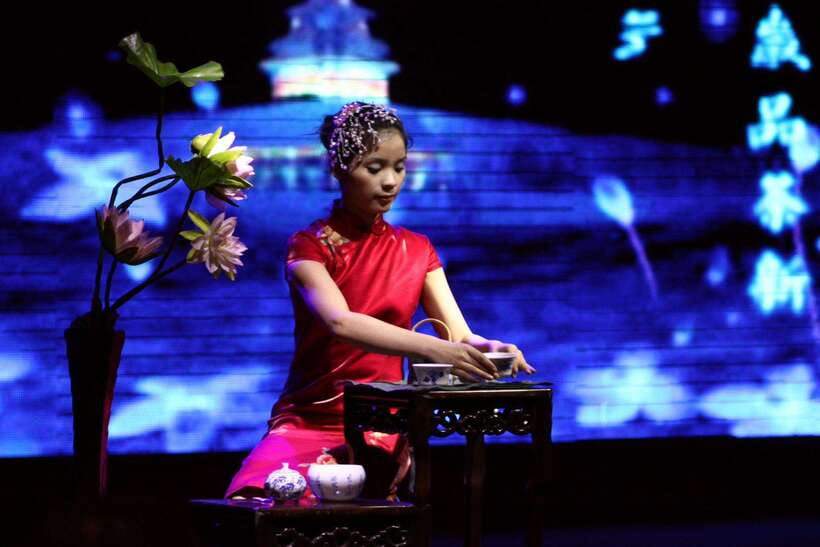
This is the part that turns a simple activity into a real experience: the tea master demonstrates precise technique. You warm the teapot, you learn how to handle the pouring, and you get guidance on water temperature and steeping time. Those details might sound small, but they are the difference between tea that tastes flat and tea that tastes clean and balanced.
The ceremony also uses multiple senses on purpose. You look at the leaves. You smell them. Then you taste. That rhythm is calming, especially after a busy day in Beijing. It helps you slow down and focus on something you can control: the moment you steep and the way you pour.
In some sessions, teachers have been praised specifically for patient, fluent English. Names like Richard Li, Kostya, and hosts like Feye have shown up in feedback, and that is a good sign if you worry about language barriers. When the instruction is clear, you actually absorb what is being taught, instead of just nodding along.
30 Minutes to 3 Hours: Why Time Range Matters
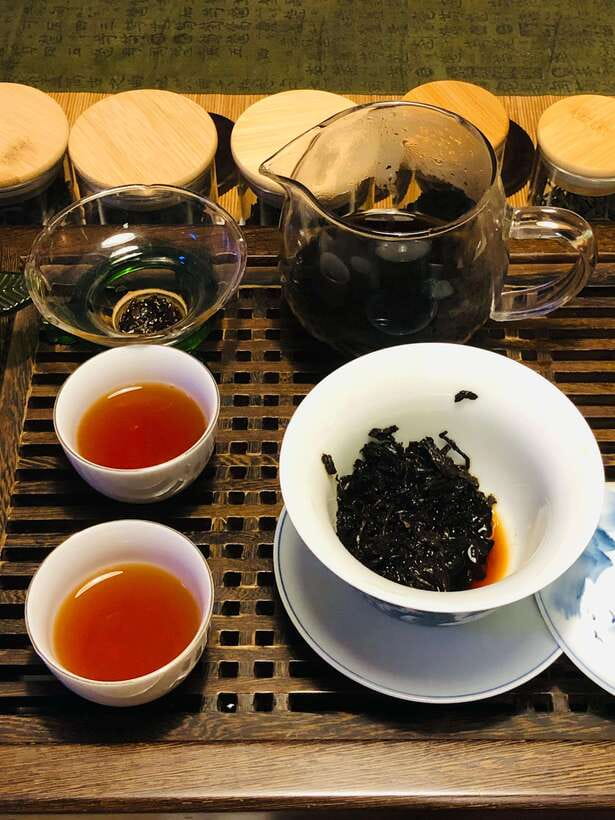
The ceremony duration can range from 30 minutes to 3 hours, depending on the session start time and how the experience runs. That flexibility is useful in Beijing. If you want a quick cultural reset, you can fit the shorter option into an afternoon between bigger sights. If you want more practice—more explanation, more tasting, more time with the tea master—the longer session will likely feel more relaxed.
A key point: because this is not a fast “show,” you will benefit from giving it a little breathing room. If you schedule it right before you need to dash somewhere, you may miss the calm pacing that makes the lesson satisfying.
Where the Value Comes From at $9
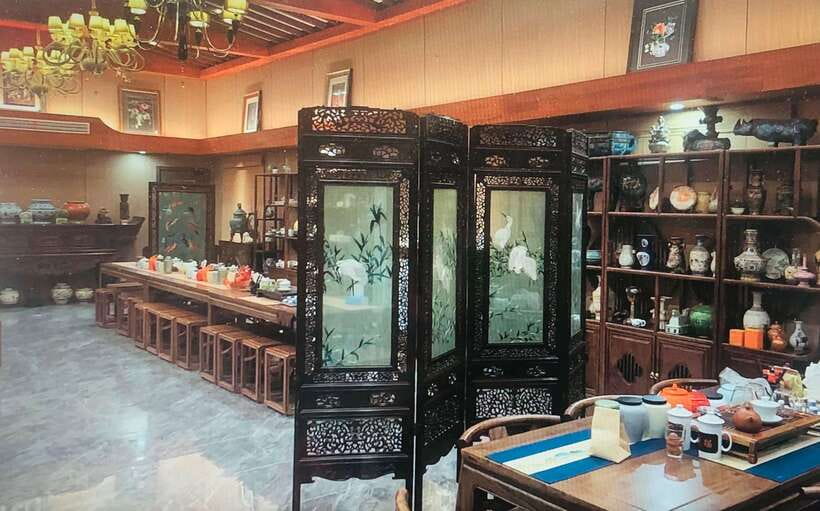
At $9 per person, this is one of the more affordable ways to learn something genuinely Beijing-specific. You are paying for:
- A structured tea ceremony
- Five mini cups for tasting and comparison
- Instruction in proper enjoyment—water temperature, steeping timing, and technique
What you are not paying for is a bundled sightseeing plan. The activity lists no transportation and no tour guide, meaning you should expect to rely on your own route planning. The tea master/host is your main guide, and that is usually enough for this type of experience.
Also, shopping is optional. After the ceremony, you can purchase tea to take home, but those costs are at your own expense. That keeps the baseline price low, and it means you are not forced into buying something just to feel like you got your money’s worth.

Tea House Atmosphere and the Post-Ceremony Walk Back
A good tea ceremony is partly about setting. You settle into a tea house, slow down, and focus on a ritual that people treat with care. Many participants describe the venue as beautiful and the teaching as detailed, which matters because it signals that you are not getting a rushed script.
You will also get a graceful finish. The tea master manager walks you back to the meeting point after the ceremony. That is helpful in a city where neighborhoods can feel confusing, especially when you are mixing transit with walking.
Should You Add Calligraphy to Your Day?
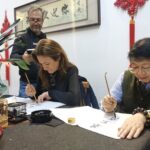
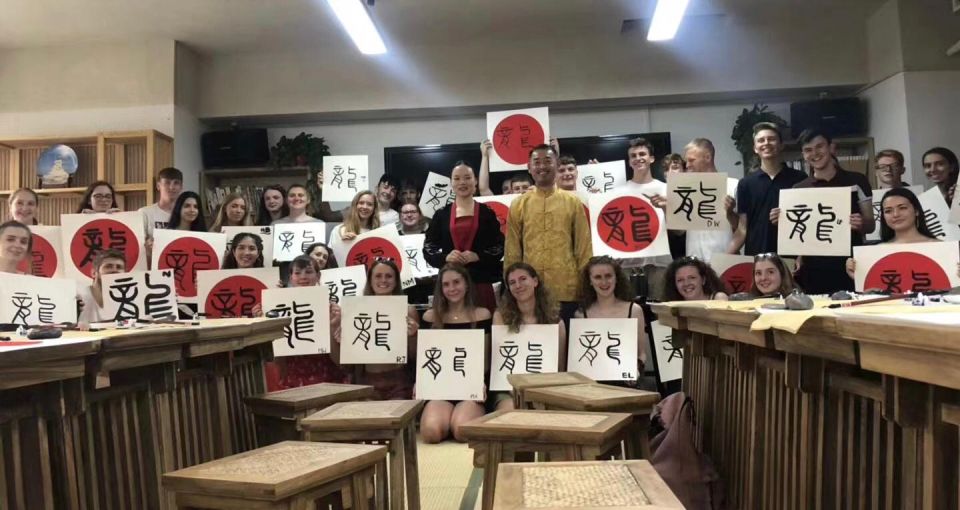
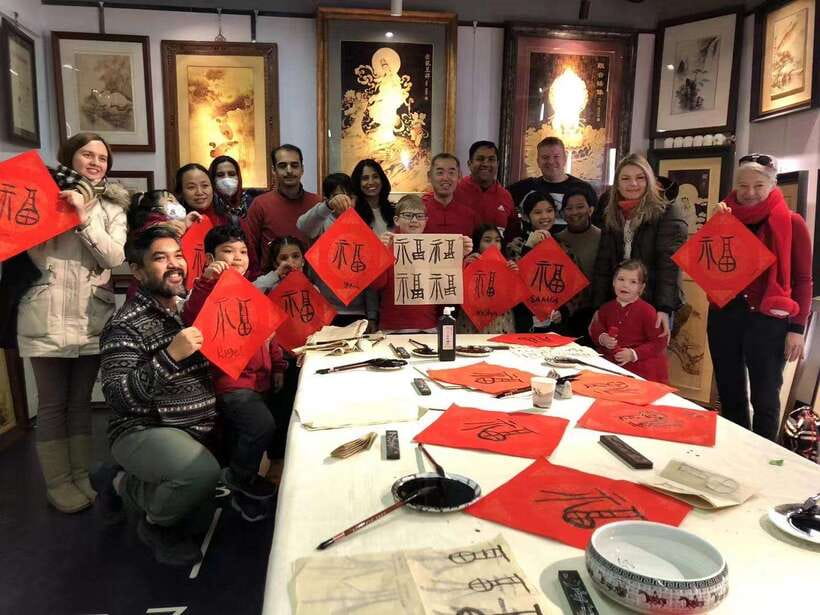
The experience provider is Hutong Calligraphy, and multiple reports mention calligraphy being part of the broader experience—either through demonstrations or hands-on learning. I would treat this as a nice possibility, not a guarantee for every booking, because the core included items list the tea ceremony and tasting.
If you do see a calligraphy component on your option, it pairs well with the theme. Both tea and calligraphy ask for patience and attention to small actions. Tea trains your senses; calligraphy trains your control and calm.
If you are curious, ask when you book what is included in your specific option so you can plan your time.
Who This Tea Ceremony Fits Best (and Who Might Skip It)
This is a strong fit for:
- Anyone who wants a cultural activity that is hands-on, not just sightseeing
- People who like learning small technique details they can use later
- Families with kids 7 and older (it is described as fun for both adults and kids)
It is not suitable for:
- Children under 7
- Pregnant women, per the activity’s restrictions
Also, if you hate sitting still for a while, you might find the slower pace challenging. This is a mindful ritual. You are meant to slow down and watch what is happening.
Tips to Get More Out of Your Ceremony
Here are a few practical things that will help you enjoy it more, especially if you are brand new to tea:
- Go in with curiosity, not expertise. The teacher will guide the steps.
- Pay attention to the water temperature and steeping timing. Those are the “skills” you actually keep.
- Smell the leaves even if you feel silly at first. That aroma stage is where a lot of the experience happens.
- If English instruction is important to you, you are covered with an English-speaking host/greeter.
And one logistical thing that matters: the activity asks you to leave your WhatsApp number when booking. That makes communication smoother if they need to confirm timing or help you find the right spot.
Should You Book This Traditional Chinese Tea Ceremony in Beijing?
Yes, if you want a low-cost, high-skill cultural experience. For $9, you get guided tasting with multiple tea types, plus real teaching about technique. It is also a great choice when you want something that does not require a big walking plan across Beijing neighborhoods.
Book it especially if you have already done the big hits and want a different kind of Beijing memory—one built from smell, taste, and slow attention. Skip it if you are traveling with very young kids, if you are pregnant, or if you want nonstop action.
If you are sitting on the fence, consider this: a tea ceremony like this can make the tea you order later feel like you actually know what you are doing. That is value you feel long after the last cup.
FAQ
Where does this tea ceremony take place?
It takes place in Beijing, in Northern China.
How much does it cost?
The price is $9 per person.
How long will the experience take?
Duration can range from 30 minutes to 3 hours, depending on the session start time.
What teas will I taste?
You will taste several types of tea, such as Oolong, Pu-erh, green tea, jasmine tea, and flower tea, and you receive 5 mini cups of tea during the ceremony.
Is the host/greeter available in English?
Yes. The host or greeter speaks English.
Is this suitable for children?
It is not suitable for children under 7 years old.
Is transportation or a tour guide included?
No. The activity does not include transportation or a tour guide.
What should I do when I book?
You are asked to leave your WhatsApp number when you book.