REVIEW · BEIJING
Temple Heaven, Summer Palace, Lama Temple, Hutong Bus Tour
Book on GetYourGuide →Operated by Beijing Mubus · Bookable on GetYourGuide
Beijing in one day sounds impossible, until you see how this route flows. I like the Temple of Heaven stop for its imperial scale and the Summer Palace for its picture-perfect royal gardens. The trade-off: expect a lot of walking, with limited chances to sit between sights.
This is a full-day bus tour (9:00am to 5:00pm) that strings together the big hitters: imperial worship, Tibetan Buddhism, old-neighborhood hutongs, and an Olympic finale with night views. If you like history explained in plain English and you don’t mind a packed schedule, it’s a smart way to make Beijing feel coherent fast.
One more thing to know up front: lunch is not included, so you’ll need to plan your own refuel breaks while your guide keeps the group moving.
In This Review
- Key takeaways for your Beijing day
- Temple of Heaven and the rhythm of imperial Beijing
- Yonghe Lama Temple: Han and Tibetan styles in one major monastery
- Hutong alleys: the old Beijing side you can actually walk
- Summer Palace: Kunming Lake, Long Corridor, and the choices that matter
- Kunming Lake and the Long Corridor
- Optional Imperial Waterway Cruise (and when it’s worth it)
- Bridges, viewpoints, and photo timing
- Timing, transport, and the reality of 9:00am–5:00pm
- Where exactly do you end?
- Price and value: what $58 gets you (and what you still plan for)
- Guides, group pace, and what good leadership feels like
- Who this tour fits—and who should skip it
- Should you book this Temple Heaven–Lama Temple–Hutong–Summer Palace combo?
- FAQ
- What time does the tour run?
- Where do I meet the guide?
- Where does the tour end?
- Is an English-speaking guide included?
- Are entrance tickets included?
- Is lunch included?
- Is there an optional cruise at Summer Palace?
- What should I bring?
- Is this tour suitable for low-fitness travelers?
Key takeaways for your Beijing day
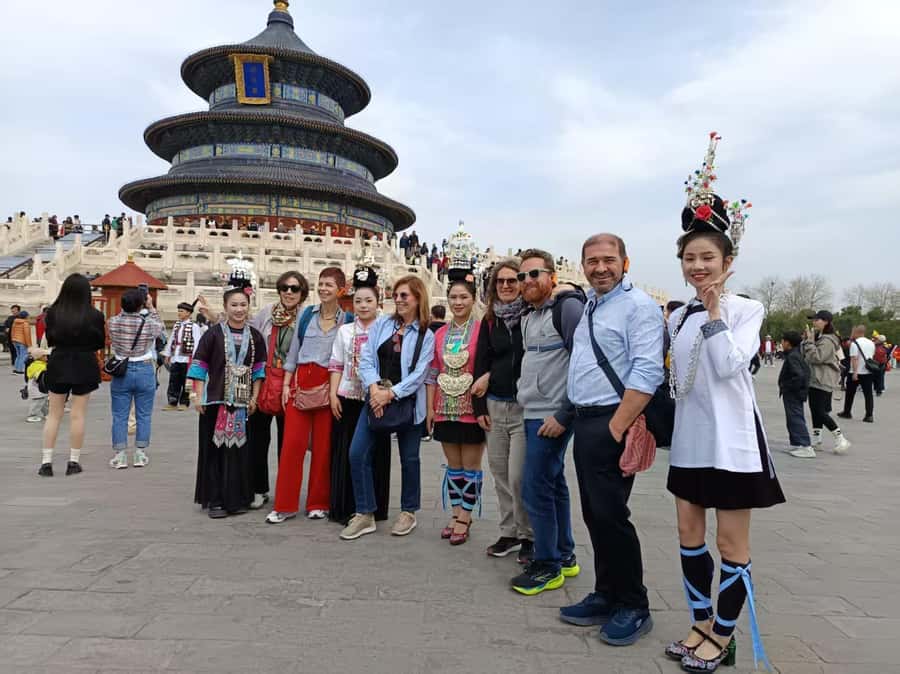
- Temple of Heaven: emperors once prayed here for good harvests, and the Hall of Prayer for Good Harvests is the showpiece.
- Yonghe Lama Temple: Tibetan Buddhist grandeur in Beijing, including an 18-meter Maitreya Buddha carved from a single sandalwood tree.
- Hutong walking time: you get a real taste of traditional residential alleys (not just a quick drive-by).
- Summer Palace highlights: Kunming Lake, the Long Corridor (728 meters long, packed with paintings), and photo-worthy bridges and viewpoints.
- Optional Imperial Waterway Cruise: a royalty-style boat entry option if you want a quieter, scenic lead-in.
- Bird Nest at night: the day ends at the Olympic Stadium area for dazzling evening views.
Temple of Heaven and the rhythm of imperial Beijing
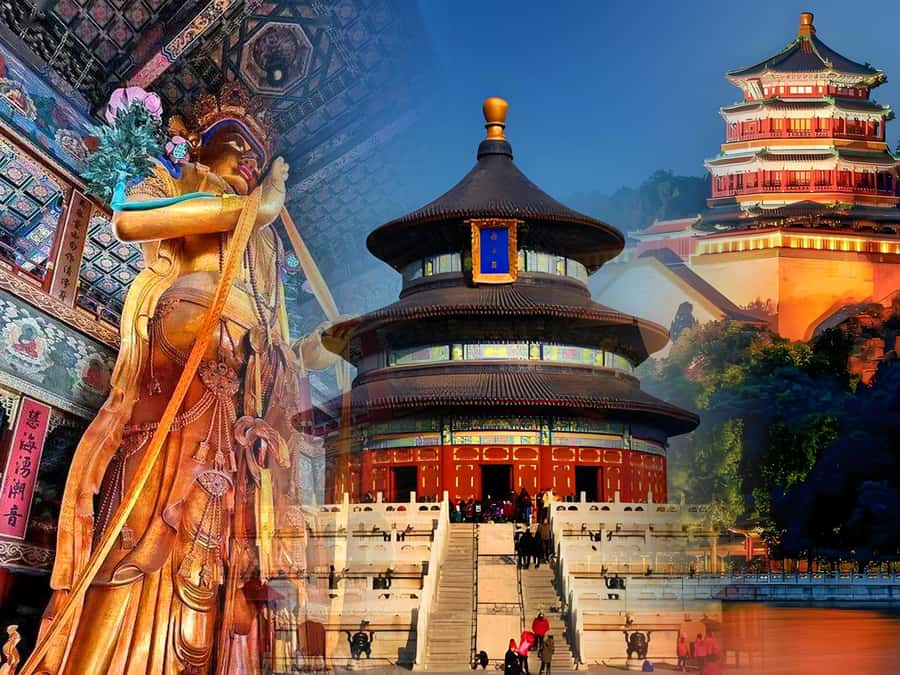
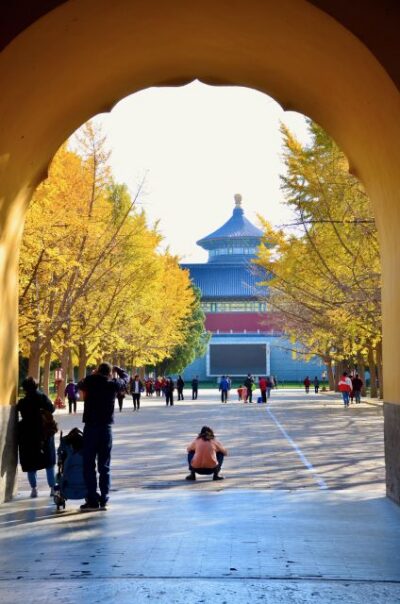
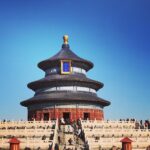
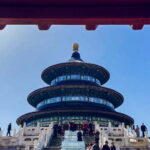
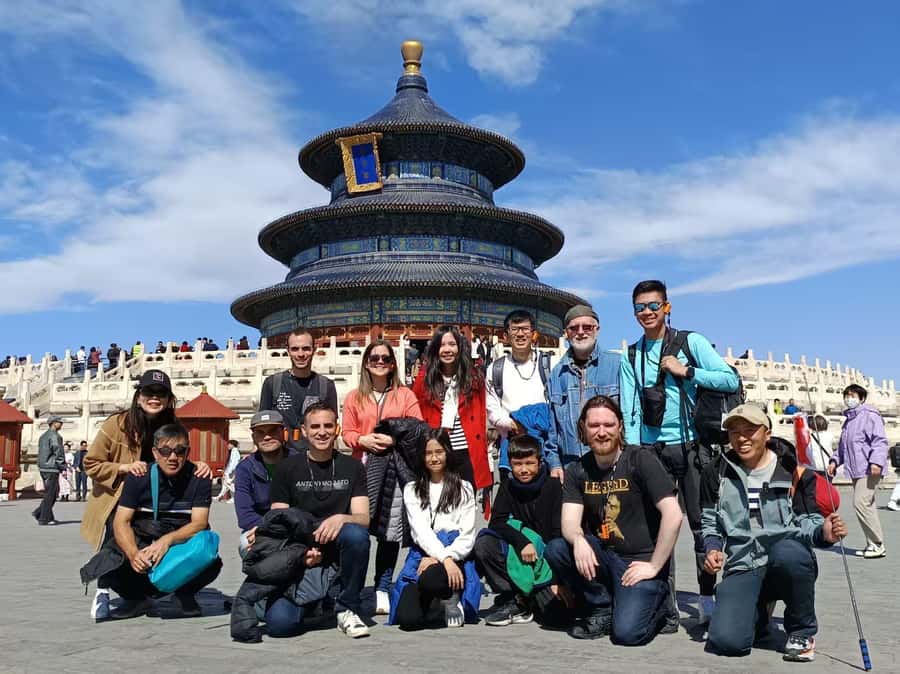
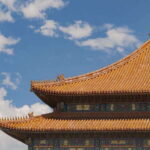
Temple of Heaven is Beijing at its most symbolic. This is where emperors performed ceremonies tied to the idea of keeping the universe in balance, and the site is designed like a carefully measured machine: symmetry, calm open space, and architecture meant to feel powerful even before you learn the details.
Your guided portion starts in the morning with a focus on the Hall of Prayer for Good Harvests. It’s the landmark you came for, and your guide’s job is to translate what you’re seeing into something you can actually picture. The best part is how the explanation connects the design to belief—how a place like this becomes a political tool, not just a pretty complex.
What I love here: you get the main complex without wasting time guessing where to go.
What to consider: Temple of Heaven can be busy, and it’s an outdoor walk, so comfortable shoes matter more than “fashion shoes.” If you like slow strolling, this stop may feel a bit structured.
You can also read our reviews of more tours and experiences in Beijing.
Yonghe Lama Temple: Han and Tibetan styles in one major monastery
At Yonghe (Lama Temple), Beijing gets an extra layer. This is one of the most important Tibetan Buddhist monasteries in northern China, and it’s famous for mixing Han Chinese and Tibetan architectural elements in the same religious setting.
The guided visit includes standout moments like the 18-meter-tall Maitreya Buddha carved from a single sandalwood tree. That scale hits you fast—photos don’t fully capture it. Your guide’s storytelling matters here, because the temple can look overwhelming if you’re just scanning decorations. With a good guide, the carvings, halls, and statue placements start to make sense.
If you’re the kind of traveler who likes to understand why things look the way they do, this is one of the best stops on the itinerary. Guides on this route often bring strong energy and clear instructions on how to navigate the space as a group, which keeps the visit from turning into a herding experiment.
What to consider: Like most big religious sites, you’ll be sharing space with visitors. Go in with the mindset that you’ll see highlights, not every corner.
Hutong alleys: the old Beijing side you can actually walk
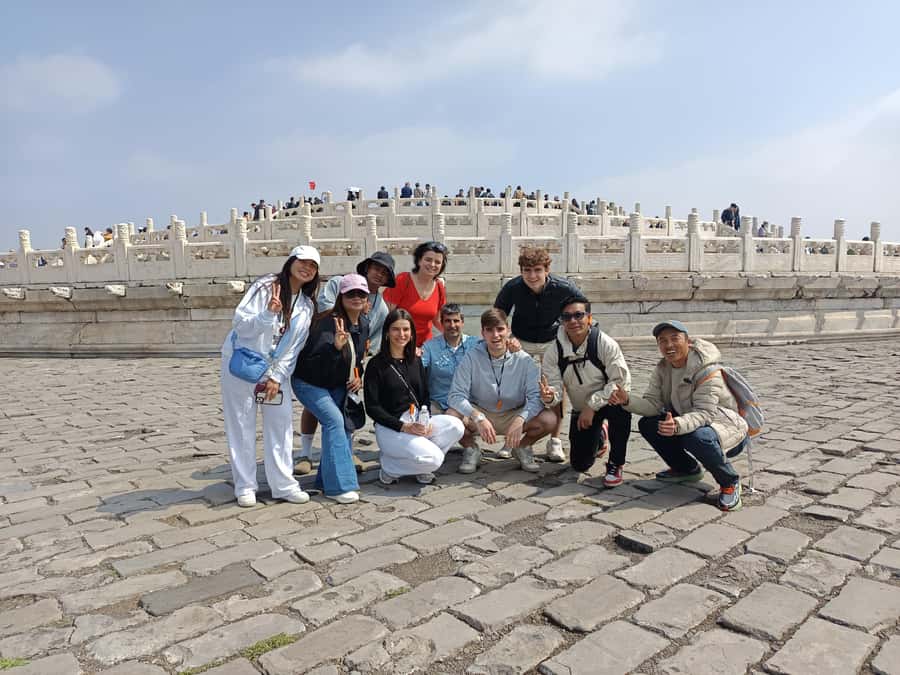
After Temple of Heaven, you shift from imperial spaces to everyday life with a walk through Beijing hutongs—older alley neighborhoods built around courtyard homes. This isn’t a museum-hutong. It’s a chance to absorb the scale of local streets: narrow lanes, everyday storefronts, the feel of a place that still runs on routine.
You’ll have time to stroll and explore at your own pace. That’s important. If you only do guided lines every minute, hutongs won’t land. Here, it helps to wander a little, stop for a snack if you want, and watch how the alley changes as you move.
What I love: the balance. After huge ceremonial architecture, hutongs give you a human scale.
What to consider: this is still walking time. If your legs are already tired, pace yourself and save your big photo moments for Summer Palace.
Summer Palace: Kunming Lake, Long Corridor, and the choices that matter
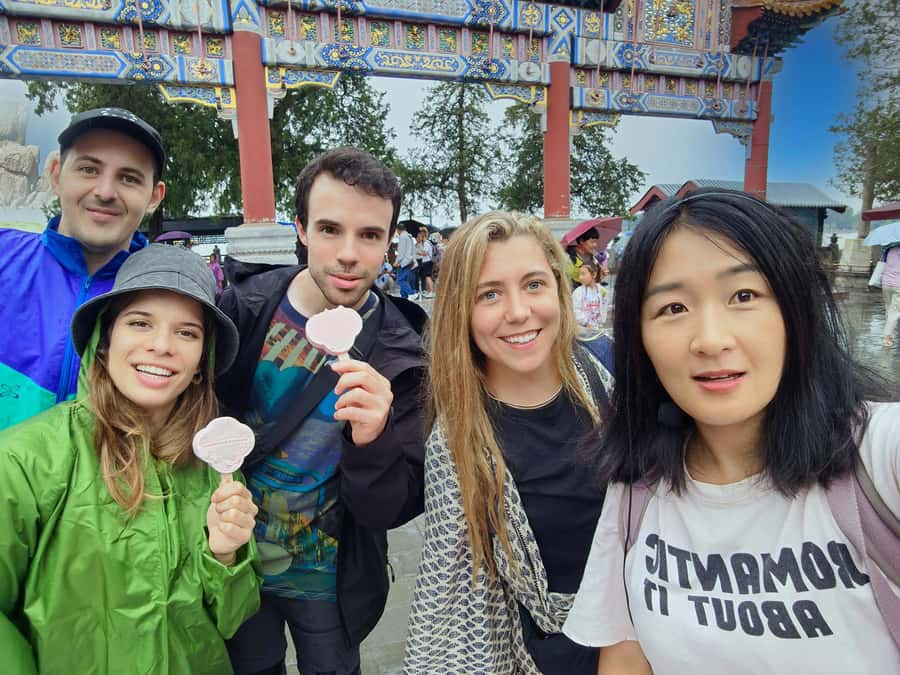
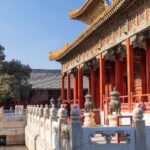
Summer Palace is the reason many people plan a longer stay in Beijing. It’s a UNESCO-listed imperial garden built for royalty—meant to be a retreat as much as a display of taste. Your afternoon guide-led time focuses on the iconic views and the places people remember.
Kunming Lake and the Long Corridor
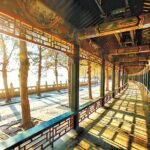
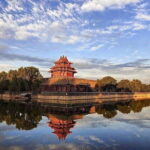
Kunming Lake is the visual anchor. You’ll also cover the Long Corridor, the famous covered walkway painted with thousands of scenes. One detail you should keep in mind when you’re standing there: it’s about 728 meters long, and it carries roughly 14,000 intricate paintings. That turns the corridor from “pretty hallway” into a time capsule.
If you’re someone who enjoys architecture but also wants story, this part delivers. A strong guide can point out how the corridor works as an experience: shelter, rhythm, and an endless parade of small details.
Optional Imperial Waterway Cruise (and when it’s worth it)
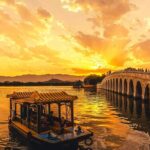
You have an option to take an Imperial Waterway Cruise, described as the historic route used by royalty to enter Summer Palace by boat. The listed cost is ¥100 per person, and it can also work as a scenic way into the site rather than entering only by foot.
Should you do it? If you want a slower moment in the middle of a long walking day, it’s a nice reset. If you’re chasing maximum time on the grounds, you might skip it and just stay in “walking mode.”
Bridges, viewpoints, and photo timing
Summer Palace also rewards movement. You’ll see major set pieces like the Seventeen-Arch Bridge, and you can aim for high viewpoints such as the Tower of Buddhist Incense (Foxiangge) for panorama views over Kunming Lake. If you’re flexible, timing can help with photos—dawn or dusk are often best for golden light, though your tour schedule is still within daylight hours.
You might also encounter advice about boat rides on Kunming Lake and how ticket pricing can change later in the day (half-price tickets after 4 PM is one tip you’ll hear). Just note your tour time includes a lot of stops, so check how much time you realistically have for extra add-ons.
What to consider: Summer Palace is famous, so crowds happen. Plan for a guided highlight route rather than total solitude.
Timing, transport, and the reality of 9:00am–5:00pm
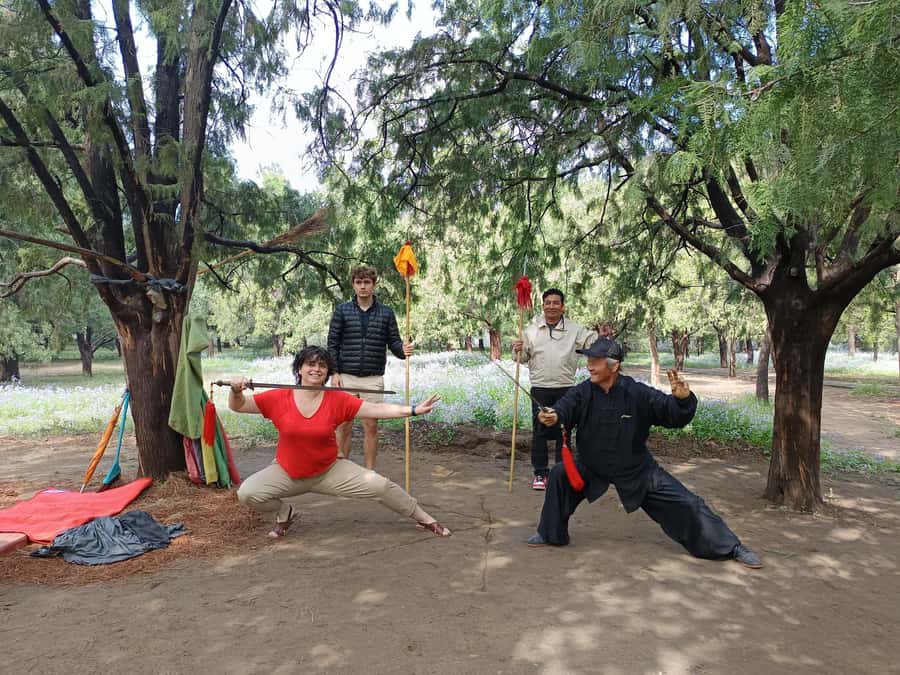
This is a full-day itinerary starting at 9:00am. The flow is: Temple of Heaven in the morning, Lama Temple and hutongs around midday, Summer Palace in the afternoon, then the Olympic area near the end.
The tour includes vehicle transport between attractions (round-trip bus transportation is included if you select that option). But even with buses, your time on foot is still substantial. In fact, the day can feel like a big step-count effort because the key sights are designed for slow viewing and wide walking areas. Your best strategy is to dress for distance and keep water handy even if lunch isn’t provided.
Also, because it ends at the Olympic landmark area, your final block is often when photos matter most—so keep your battery charged.
Where exactly do you end?
Your info sheet includes two signals: the itinerary says the tour ends at the Bird Nest with night views, and the general activity end point is listed as returning to the meeting point area. That’s not unusual with large operators, but it is worth confirming in advance. Send a quick message or check your day-of instructions so you know whether you’ll be dropped near Bird Nest for lingering photos or returned closer to the subway starting point.
Price and value: what $58 gets you (and what you still plan for)
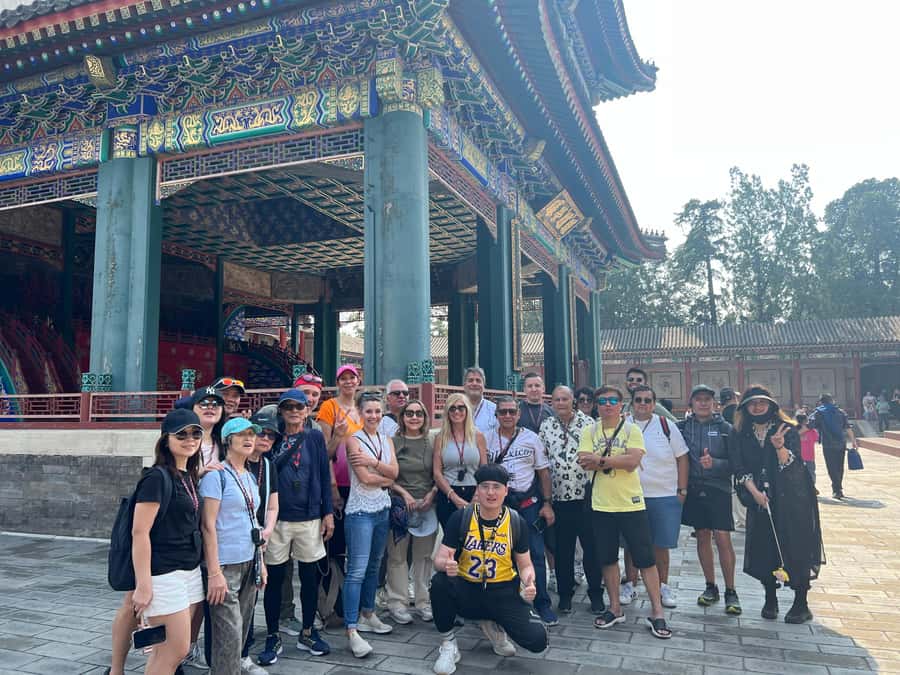
At $58 per person, you’re buying a lot of logistics. You’re paying for an organized route that covers Temple of Heaven, Yonghe Lama Temple, a hutong walk, and Summer Palace in one day—plus an English-speaking guide (if you choose that option) and ticketing (if the ticket-inclusive option is selected).
Here’s what affects value the most:
- Tickets included only if you select them: the included list says entrance tickets to Temple of Heaven, Summer Palace, and Lama Temple/hutong are included if option selected. If you don’t choose ticket-included, you may need to pay on-site.
- Lunch not included: you’ll need to budget for your own meal. This matters because a missed lunch can turn into a late snack scramble during a packed afternoon.
- Optional Imperial Waterway Cruise: ¥100 is the only clearly priced add-on listed, but you may also want to budget small extras for water or snacks.
When it works best is when you want the highlights without spending your vacation mapping transit, entrances, and timing. If you already know Beijing well and prefer total independence, you might compare against individual tickets and transit costs. But for a first-time, time-limited visit, this price is often the easiest way to see the classic line-up.
Guides, group pace, and what good leadership feels like
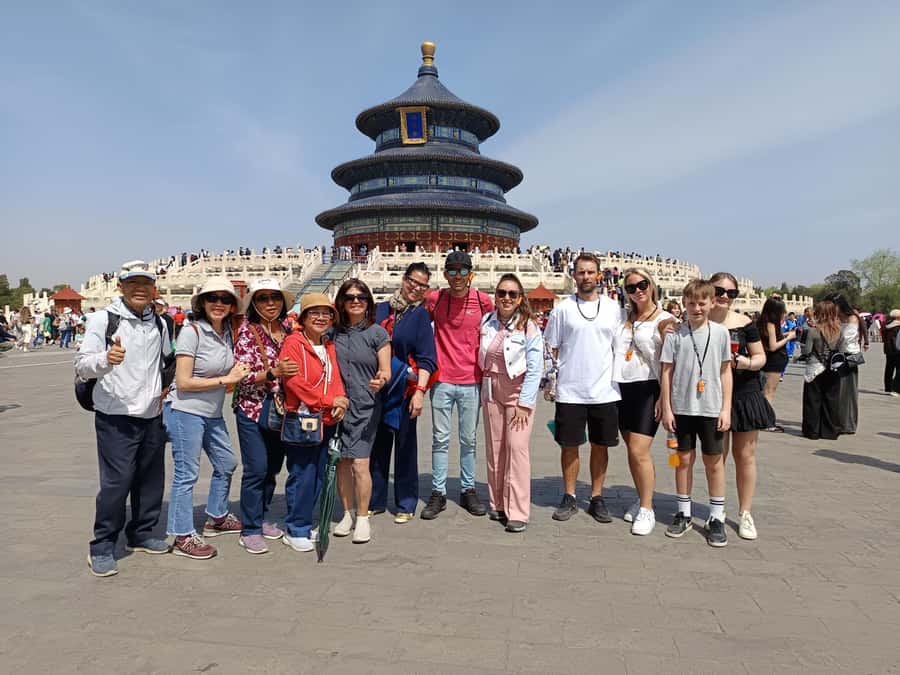
A big reason this kind of day tour succeeds is the guide. On this route, you’ll see guide names like Joy, Jimmy, Helly, Shannon, Bonnie, Yan, and Tony, and the common thread is clear: they keep explanations focused and practical, and they help the group navigate big sites efficiently.
What you should look for in day-of execution:
- clear meeting-point instructions at each stop (especially in crowded temple areas)
- a story that connects the architecture to meaning, so you’re not just photographing random halls
- timing that prevents the day from dragging at the wrong spot
This is also where a packed schedule helps. Even if you’d rather take one slow hour at Summer Palace, the guide will help you prioritize what to see first.
What to consider: If you’re low on fitness or easily exhausted by walking, this route may feel tight. It’s listed as not suitable for people with low level of fitness.
Who this tour fits—and who should skip it
You’ll likely love this tour if:
- you’re doing Beijing for the first time and want major landmarks without planning stress
- you like guidance that explains what you’re seeing (Temple of Heaven and Lama Temple benefit a lot from this)
- you want a mix of monumental sites and street-level hutong time
You might want to choose something lighter if:
- you prefer lots of downtime or you get worn out by long walks
- you want totally self-paced wandering at one site instead of seeing multiple highlights
If you do book it, I’d go in with one mission: enjoy the transitions. This route is fun because it moves you through different kinds of Beijing—from sacred imperial spaces to everyday alley life to royal gardens to the Olympic skyline at night.
Should you book this Temple Heaven–Lama Temple–Hutong–Summer Palace combo?
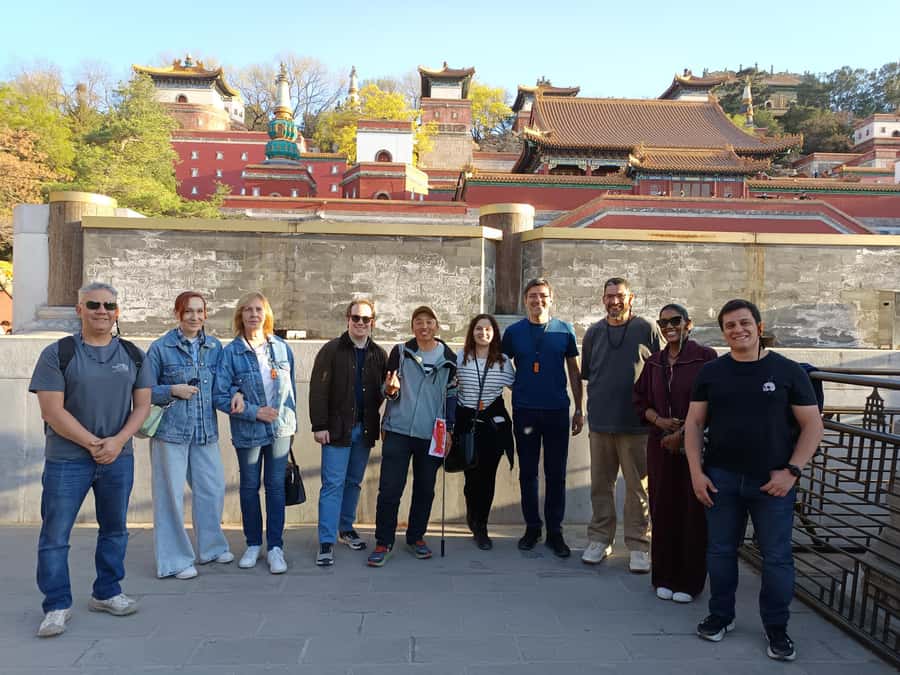
My take: book it if you want a one-day overview that still feels meaningful. The itinerary hits the big three Beijing experiences—imperial ceremonial power, Tibetan Buddhist artistry, and royal garden design—and the hutong walk gives you a human counterweight.
I’d think twice only if your legs don’t handle long days or if you need long, quiet time at a single site. If that sounds like you, a slower, two-day plan may suit better.
If you do book, plan like a grown-up: wear comfy shoes, eat lunch on your own schedule, and use the guide’s instructions as your shortcut through crowds.
FAQ
What time does the tour run?
The tour runs from 9:00am to 5:00pm.
Where do I meet the guide?
Meet at Subway Line 5, Tiantandongmen Station (天坛东门地铁站) Exit A2. Your guide holds a Mubus signboard.
Where does the tour end?
The itinerary says it ends at the Bird Nest area with night views. The activity info also lists the meeting point area as the end, so confirm the exact drop-off instructions from your operator.
Is an English-speaking guide included?
English-speaking tour guide is included if you select that option.
Are entrance tickets included?
Entrance tickets to the Temple of Heaven, Summer Palace, and Lama Temple/hutong are included if you select the ticket-inclusive option.
Is lunch included?
No. Lunch is not included.
Is there an optional cruise at Summer Palace?
Yes. The Imperial Waterway Cruise is optional, listed at ¥100 per person, and it’s described as a historic royal boat route into Summer Palace.
What should I bring?
Bring your passport or ID card.
Is this tour suitable for low-fitness travelers?
It’s listed as not suitable for people with low level of fitness, and you should expect long walking days.