REVIEW · BEIJING
Old Beijing Hutongs Biking Adventure
Book on GetYourGuide →Operated by Our Beijing · Bookable on GetYourGuide
The alleyways feel like time travel. This Old Beijing hutongs biking adventure turns the city’s narrow lanes into a simple, fun way to understand how people actually live, with a mix of street food and stories from a live English guide. You also get help spotting everyday details you would normally miss on your own, like how courtyards and hidden household spaces work.
What I like most is the way the tour balances history with real life: you ride through older neighbourhood rhythms, then stop for food and drinks at places that feel part of the neighbourhood, not set up for tourists. Another big win is the built-in activity under the Drum & Bell Towers, where you play an ancient game (jian zi) and learn how these landmarks fit into daily culture, not just sightseeing photos.
One consideration: this is a bike experience. If you can’t ride comfortably, it is not for you, and the tour is also listed as not suitable for pregnant women and wheelchair users.
In This Review
- Key takeaways before you go
- Why biking hutongs is the best kind of city intro
- Overtone meeting point: easy start, local flavor
- Three hours of hutongs: what the ride actually teaches you
- The hutong neighbourhood feel
- Living quarters and courtyard logic
- Hidden markets, restaurants, and garden spaces
- Street food stops that don’t feel like a checklist
- Food preferences and comfort
- Drum & Bell Towers and jian zi: culture you can play
- Hidden cafes, rooftop views, and craft breweries
- The optional swim moment: bring a towel if you want it
- Who this biking adventure fits best
- Price and value: $269 per group up to 4
- Practical tips that will keep your day smooth
- Wear comfortable clothes
- Plan for uneven street conditions
- Bring the essentials for food and hydration
- Be ready to go with the flow
- Should you book this Hutong Bike Adventure?
- FAQ
- How long is the hutongs biking adventure?
- How much does the tour cost?
- Where do I meet the guide?
- Is the tour guided in English?
- What is included during the tour?
- Do I need to bring anything?
- Who is the tour not suitable for?
- What are the cancellation rules?
Key takeaways before you go
- Old Beijing hutong lanes: you see the working layout of the neighbourhood, not just the postcard edges
- Street food plus drinks: tastings are part of the ride rhythm, with hydration built in
- Drum & Bell Towers + jian zi: an activity break that connects culture to your body, not just your brain
- Guide-led flexibility: the route can adjust to your interests, so you are not stuck with a rigid checklist
- Courtyard-style surprises: you may notice market and restaurant spaces tucked inside homes that look identical from the outside
Why biking hutongs is the best kind of city intro
If you only see Beijing from wide boulevards, you miss how the city feels at ground level. The hutongs are where daily routines happen: people move between front door, courtyard, and alley; shops spill onto sidewalks; and sounds carry differently in narrow lanes. A bike gets you close without forcing you to sprint through crowded streets.
This tour keeps that idea practical. In about 3 hours, you get a guided path through the heart of Old Beijing, plus stops that explain what you are seeing. You are not just collecting landmarks; you’re learning how the neighbourhood connects buildings, courtyards, and street life.
You can also read our reviews of more cycling tours in Beijing



Overtone meeting point: easy start, local flavor
The meeting point is called Overtone, your partner craft brewery and restaurant. That detail matters because it gives you a fixed anchor when you arrive in a new area. After you book, you receive a PDF directions guide (sent by Email, WhatsApp, or WeChat), and the tour leader meets you with the Overtone signage as the visual cue.
I like meeting points that function like a real venue. It means you can orient quickly, grab water if you need it, and settle in before you start rolling through tighter streets.
Three hours of hutongs: what the ride actually teaches you
This is not a lecture tour with a slow walk between photos. It’s a bike ride where the route can shift. The guide follows the flow and adjusts based on your interests, so the experience tends to feel more like a local day out than a scripted route.
The hutong neighbourhood feel
Early in the ride, you’re set up to understand the “shape” of hutong life. Hutongs are ancient alley communities, and the tour aims to help you grasp how these communities formed, how they evolved through China’s dynasties, and what’s still visible today. Even if you don’t know the vocabulary, you’ll start noticing patterns: where people gather, where small shops operate, and how houses face the alley while life happens deeper inside.
One of the most memorable parts of this kind of routing is how often you find things that are hard to guess from the outside. Houses can look similar at street level, yet have different doorways to interior spaces. If your guide points these out, you’ll understand why the neighbourhood feels layered.
Living quarters and courtyard logic
A key element here is that you don’t only ride the public edges. The tour includes time spent exploring living quarters of local friends. That’s the difference between a “view hutongs from a distance” plan and a “see how the neighbourhood works” experience.
This part can be eye-opening, especially if you’ve never spent time around courtyard housing. You begin to connect the dots between what you see at the alley entrance and what exists inside: how rooms face inward, how courtyards function as a shared space, and why so many daily routines cluster around that interior rhythm.




Hidden markets, restaurants, and garden spaces
The hutongs can be confusing because from one angle, multiple courtyards look identical. The tour helps you learn that many of the most interesting parts are not obvious from the alley. You may notice market activity and restaurant setups tucked behind the same type of outer walls, along with garden-like spaces that feel private but are still part of the neighbourhood’s everyday flow.
If you love details, this is where you’ll feel most satisfied. You’ll likely leave with a mental map of how to spot these spaces if you go back later on your own.
Street food stops that don’t feel like a checklist
One of the best reasons to choose a guided food-and-culture ride in hutongs is timing. You’re already moving through tight lanes, and you stop when it makes sense. The tour includes favourite street food tastings from local vendors, and you also get plenty of drinks to stay hydrated.
Street food in Beijing is not just about taste; it’s about social rhythm. You see how people eat quickly, talk while waiting, and treat small stalls as normal daily stops. A guide helps you navigate that respectfully and make smarter choices without turning the experience into guesswork.
Food preferences and comfort
The tour doesn’t list dietary options, so if you have allergies or strict preferences, plan to communicate your needs when you meet your guide. Also consider that street food often changes by day and weather, so you’ll get the most value by keeping an open mind.
Drum & Bell Towers and jian zi: culture you can play
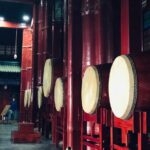
This is where the tour becomes more than sightseeing. You get to play jian zi under the Drum & Bell Towers, turning an important Beijing landmark moment into an active, memorable break.
Why this works: it slows everything down in a good way. After riding through narrow lanes, you stand in a more open historic setting and do something hands-on. Even if you’ve never played before, the game format gives you instant connection because you can learn by watching and trying.
It also changes your takeaway. You’re not just saying you visited the towers; you’ll remember the feeling of the game and the way the guide ties that activity to the cultural setting.
Hidden cafes, rooftop views, and craft breweries
The tour is built around discovery, but it’s not random. It includes stops that often feel like you found them by accident, because they’re not the first thing most people seek out. You may visit hidden cafes, rooftop view points, and craft breweries as part of the story the guide tells while you ride.
A craft brewery stop is especially useful because it connects travel comfort with local culture. You get a place to pause, take in the atmosphere, and re-set for the next stretch of alley riding. If you like photography, rooftop points can be a practical way to see how the hutongs extend beyond your immediate line of sight.
The optional swim moment: bring a towel if you want it
The tour description mentions swimming spots and suggests bringing a towel if you’d like to go for a dip. That’s a genuine choice, not a guaranteed promise in the wording, so treat it as an optional bonus rather than a must-do.
If you bring a towel, you gain flexibility. If you don’t, you can still enjoy the ride and the rest of the stops without stress.
Who this biking adventure fits best
This is designed for people who want Beijing with personality. It’s a good match if you:
- want a unique way to see Old Beijing hutongs beyond walking tours
- enjoy street food and want it explained in context
- like history and culture, but prefer it tied to daily life
- are comfortable riding through narrow streets and making turns
It’s also especially good for a first-timer who wants to learn the city’s basic “neighbourhood logic” fast. One of the strongest advantages is that the tour can set you up to explore the area later on your own with better instincts about where things are and how they connect.
Price and value: $269 per group up to 4
The price is $269 per group for up to 4 people, lasting 3 hours. Whether this feels like a good deal depends on your group size.
- If you book with 3 friends (4 total), you’re effectively paying about $67 per person, and that is easier to justify for a tour that includes biking guidance, street food tastings, drinks, and structured stops.
- If you book as a solo rider, it can feel pricey per person compared with per-person walking tours, but it can still be worth it if you value speed, access, and the bike-friendly way the guide can cover ground in a short time.
What makes the value math work is the bundle: guided route + food + drinks + jian zi activity + landmark time + extra discovery stops like cafes and rooftops. You’re not paying just for movement; you’re paying for interpretation and timing.
Also note: reviews for this type of experience highlight that the guide’s pacing and context can make the difference between a fun ride and a genuinely memorable day. Guides mentioned in feedback include Cara, Dom, and Dominic, and the common thread is strong history-and-food balance.
Practical tips that will keep your day smooth
Wear comfortable clothes
The tour lists comfortable clothes as the main requirement. I’d add a simple rule: dress for walking too, since you’ll stop, play a game, and move between areas. If it’s warm, you’ll appreciate breathable layers because hutongs can feel close and warm in summer.
Plan for uneven street conditions
The hutongs are narrow and old. Even with a guide, expect that you’ll handle tight turns and changing surfaces. If you ride confidently and can stay relaxed, you’ll enjoy the experience more.
Bring the essentials for food and hydration
The tour includes plenty of drinks, which is great. Still, keep room in your mind for a small snack mindset: you’re eating street food at multiple points, so don’t plan a heavy meal right before the tour.
Be ready to go with the flow
The guide may adjust the route based on what you want to see. If you’re the kind of person who loves structure, this can feel a little different. But if you’re open, that flexibility is one of the tour’s strengths.
Should you book this Hutong Bike Adventure?
Book it if you want Old Beijing hutongs with motion, food, and hands-on culture in a tight 3-hour window. The combination of street tastings, landmark time at the Drum & Bell Towers, and the jian zi game makes it stand out from a standard walking route. The meeting point at Overtone also makes starting easy, and the English-speaking guide helps you connect the dots instead of guessing.
Skip it if biking is not your thing, if you can’t ride comfortably, or if the physical nature of riding through hutong streets would stress you out. Also think twice if you need strict accessibility support, since the tour is listed as not suitable for wheelchair users.
If you’re looking for a tour that helps you understand the neighbourhood logic and gives you real Beijing flavors along the way, this one is a strong choice.
FAQ
How long is the hutongs biking adventure?
It lasts 3 hours.
How much does the tour cost?
The price is $269 per group for up to 4.
Where do I meet the guide?
You meet at Overtone, the partner craft brewery and restaurant. You’ll receive a PDF directions guide after booking, and you should look for the Overtone sign.
Is the tour guided in English?
Yes, there is a live tour guide in English.
What is included during the tour?
You’ll explore the hutongs with your guide, visit living quarters of local friends, learn about how hutongs developed in different dynasties, play jian zi under the Drum & Bell Towers, enjoy street food, and stay hydrated with plenty of drinks. You’ll also discover additional places such as craft breweries, hidden cafes, and rooftop view points.
Do I need to bring anything?
You should bring comfortable clothes. If you want to potentially go for a swim, the tour suggests bringing a towel.
Who is the tour not suitable for?
It’s not suitable for pregnant women, people who can’t ride a bike, and wheelchair users.
What are the cancellation rules?
You get free cancellation up to 24 hours in advance for a full refund.