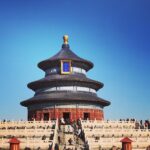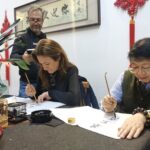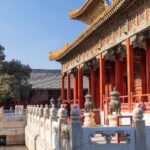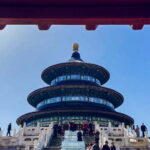
Want Beijing’s quiet side and big spiritual meaning? This Lama Temple–plus-Hutong walk is built around traditional Feng Shui practices and a guided route through older Beijing lanes, so you’re not just seeing a temple from the outside. I especially like how it pairs formal worship steps at Yonghegong (Lama Temple) with street-level time in the Hutongs and snack breaks.
You’ll also get hands-on cultural rituals like burning incense, drawing lots for wishes, fortune-telling, and consecrating accessories—activities that feel unusual until someone explains how they fit into the worldview. One thing to consider: these rituals can involve strong incense smell and some walking, so go at your pace if you’re sensitive to smells or need frequent breaks.
In This Review
- Key highlights worth planning for
- Why this Lama Temple & Hutong route feels more personal than sightseeing
- Entering Yonghegong: the full Buddha worship and blessing flow
- Feng Shui in the streets: translating big ideas into small actions
- Hutong wandering and Beijing snacks you can actually taste
- Drum Tower views or Ditan Park: choosing your “good fortune” scene
- Price and value: what you’re really paying for at $180
- Meeting point and day planning that won’t wreck your schedule
- Who should book this tour, and who might want a different plan
- Should you book Lama Temple with Tickets?
- FAQ
- How long is the Lama Temple tour?
- How many people are in the group?
- Where does the tour start and end?
- What is included in the tour price?
- What is not included?
- What happens at Lama Temple?
- Does the tour include Feng Shui-style activities?
- Is there walking outside the temple?
- What if weather is bad?
- What is the cancellation policy?
Key highlights worth planning for
- A structured Lama Temple worship sequence: follow the full blessing-and-worship flow rather than wandering on your own
- Feng Shui explained through daily symbolism: incense, wishes, and auspicious actions tied to good fortune
- Hutong walking with real Beijing snacks: small-street atmosphere, not a drive-by photo stop
- Drum Tower overlook or Ditan Park option: central-axis views or Temple of the Earth vibes
- Small group pace (max 6): better chances to ask questions and hear details
- Price that includes fees and taxes: you’ll plan around meeting on foot/public transit, since private transport isn’t included
Why this Lama Temple & Hutong route feels more personal than sightseeing
This tour isn’t trying to cram in ten stops. It uses one anchor—Lama Temple (Yonghegong)—then surrounds it with the kind of older Beijing environment where people used to live, trade, and pray in the same neighborhood rhythm. That’s the difference: you’re walking through the setting where these traditions still make sense, not just ticking boxes.
Feng Shui can sound abstract until it’s explained in everyday terms: it’s about how location and arrangement (homes, surroundings, even routines) are believed to influence well-being and luck. During this experience, you’ll see that belief acted out through rituals meant to ask for blessings and set intentions. It’s not math. It’s culture and symbolism, practiced carefully.
The small-group size (up to 6) matters more than you’d think. When you’re hearing the meaning of what you’re doing—incense, lots, fortune-telling—you want time to ask, pause, and process. You’ll have that room on this route.
The spiritual parts may not be for everyone, and that’s fine. Even if you’re more curious than devout, you’ll likely appreciate how the tour frames each action as a cultural practice with rules, reasons, and a clear purpose.
You can also read our reviews of more tours and experiences in Beijing
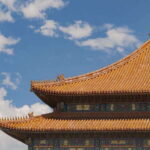
Entering Yonghegong: the full Buddha worship and blessing flow
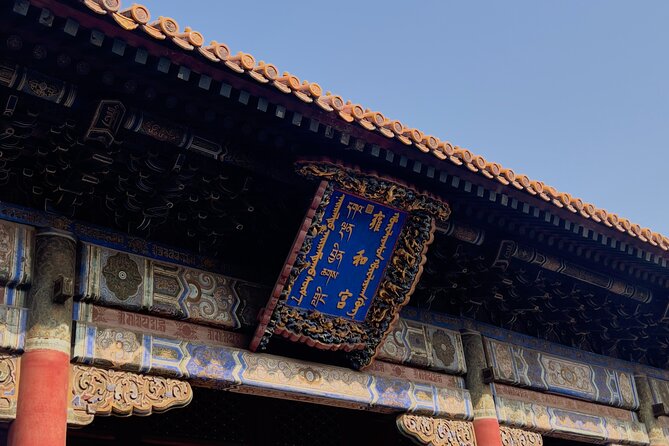
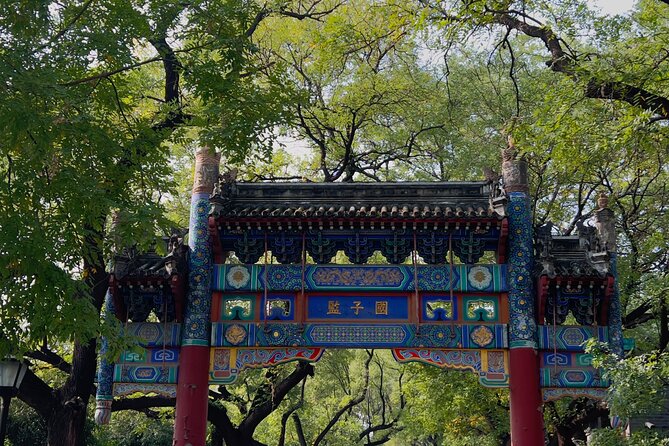
Your tour starts at the Lama Temple Ticket Office on Yong He Gong Da Jie (address: 28 Yong He Gong Da Jie, 国子监 Dongcheng Qu, Beijing Shi, 100011). Plan to arrive a few minutes early and use the ticket office area as your visual reference point. The good news: it’s near public transportation, so you’re not forced into a taxi plan.
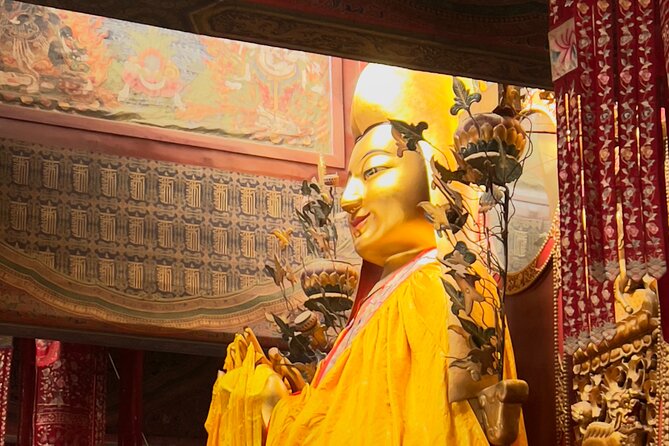
At Yonghegong, the key experience is the complete worship process and praying for blessings. Instead of just standing there, you’re guided through what people typically do when they come for help or guidance. Expect to see and take part in the sequence—then hear what each step is meant to communicate.
The tour also includes rituals that people often associate with “making wishes real” in a symbolic way:
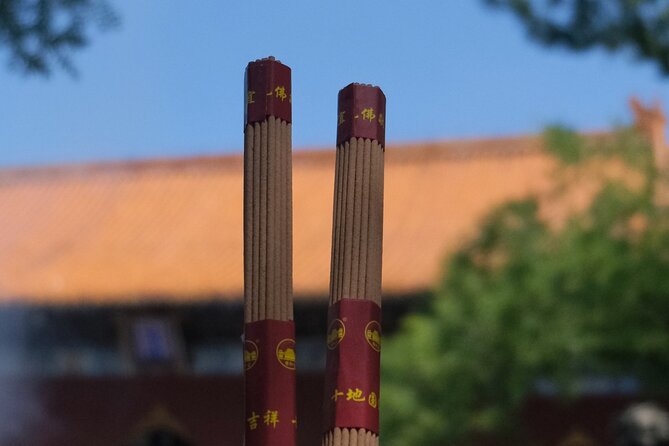
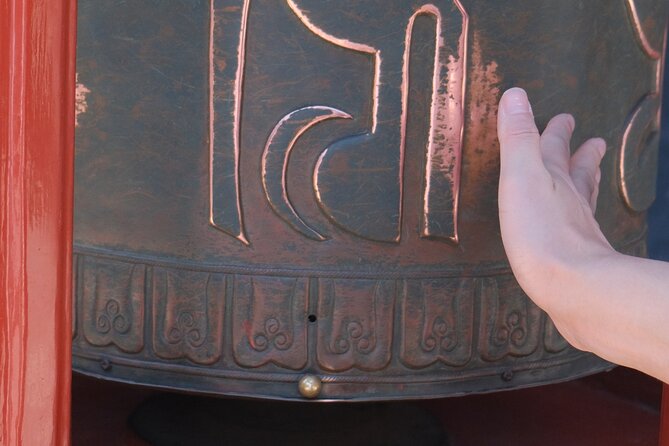
- Burning incense as a visible sign of respect and intention
- Drawing lots for wishes for answers tied to what you’re hoping for
- Fortune-telling as a traditional method of guidance
- Consecrating accessories as a way to mark an item with auspicious meaning
I like that the tour doesn’t treat these like random gimmicks. You’ll get cultural context so you can participate without feeling lost. If you’ve ever wondered why incense and lots show up again and again in East Asian temples, this is the kind of guided experience that helps it click.
One practical note: temple areas can be crowded, and the smell of incense is real. If you want to keep it comfortable, bring something light to cover your nose or just plan to slow down when the incense is strongest. Also, take the walking seriously—this is a 3.5-hour tour with real transitions between areas.
Feng Shui in the streets: translating big ideas into small actions
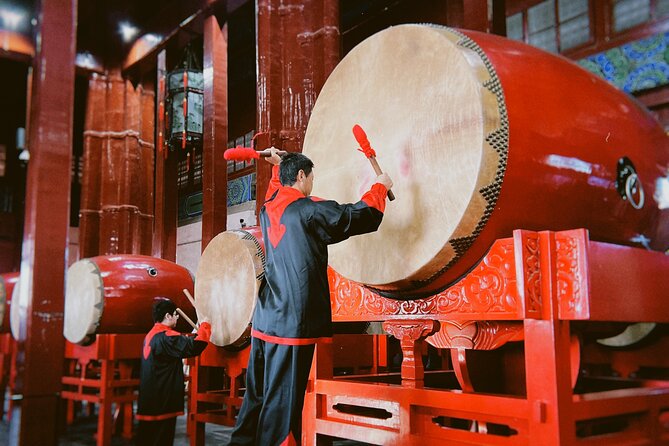
Feng Shui is often marketed like a magic formula. On this tour, it’s framed more like a set of beliefs about how humans relate to their surroundings. It aims to adjust the “energy” of a person or even a family by paying attention to the layout of life—where things are, how space is arranged, and how daily customs play into balance.
You’ll see that thinking expressed through the temple worship steps and the wish/fortune rituals. When you draw lots or do a blessing action, it isn’t only about the outcome. It’s about the act of focusing your attention, making a request, and behaving as if your intention matters.
That’s valuable for travelers because it changes your role. Instead of being a spectator, you’re a participant in a cultural logic. Even if you don’t accept the spiritual mechanics, you can still understand why locals do what they do—and why the rituals have staying power.
The tour’s Hutong portion reinforces this. Hutongs are tight, old lanes that shape daily movement, social life, and how neighborhoods feel. When you walk those streets after experiencing the rituals, Feng Shui becomes less like “some rule someone wrote” and more like a worldview rooted in geography and routine.
If you’re the kind of traveler who likes meaning—architecture, symbolism, ritual behavior—this experience will likely satisfy you more than a straight temple visit.
Hutong wandering and Beijing snacks you can actually taste
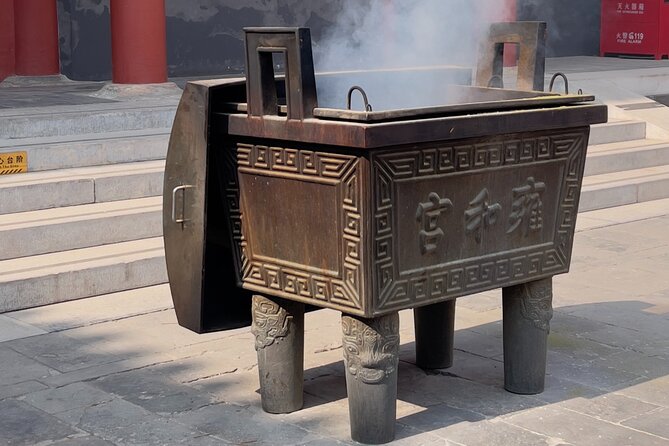
After Lama Temple, you shift into Beijing Hutongs, the historic alley neighborhood style that gives the city its older character. Here, the focus turns from worship to atmosphere: lane corners, small storefront energy, and the sense that daily life happens close to temple life.
This part is also where the tour becomes more than “ritual time.” You’ll stroll through the neighborhood atmosphere and savor authentic Beijing snacks along the way. It’s a smart pairing. Temple visits can be heavy on your senses and headspace. Snacks give you a grounded, everyday break.
A tip for this section: keep water handy if you drink tea-heavy beverages or incense makes you thirsty. Also, go slow when you see the most tempting street treats. Your guide will keep the group moving, but you’ll still want enough time to enjoy one or two bites instead of rushing everything.
The Hutong walk is where you’ll feel the tour’s “hidden mystical world” theme in a more subtle way. The spiritual part stays in your mind, but the streets remind you that traditions live alongside regular life.
Drum Tower views or Ditan Park: choosing your “good fortune” scene
Near the end, you get a skyline payoff tied to good luck and auspicious atmosphere. The tour includes either:
- Climbing up the Drum Tower for views over Beijing’s central axis, or
- Wandering around Ditan Park, known as the Temple of the Earth
Both options fit the same theme: connecting personal intention to a broader sense of place. The Drum Tower route adds the visual reward—higher ground, city structure, and the idea of the central axis as a key organizing line in Beijing. If you love city geometry and long views, this is likely your favorite piece.
The Ditan Park option leans more toward calm outdoor pacing. Temple of the Earth ties into the land-and-luck side of traditional belief systems, and parks offer a softer shift after temple rituals. If you’d rather have space to breathe and less stair-climbing, this can feel easier.
Because the tour describes these as alternatives, you should treat it as a “weather and flow” decision on the day. If you’re choosing what to pack, wear shoes you can walk in comfortably and expect some stairs if the Drum Tower option is selected.

Price and value: what you’re really paying for at $180
At $180 per person for about 3 hours 30 minutes, you’re paying for more than entry access. You’re paying for guided interpretation and a full sequence of activities—Lama Temple worship steps plus cultural rituals like incense, lots, fortune-telling, and consecration of accessories. Those are the parts that can be hard to “DIY” respectfully without knowing what you’re supposed to do.
You’re also getting a small group experience (max 6). That small-group format often costs more, but it’s the difference between listening and actually understanding. When questions come up—about what something means, how people perform a ritual, or how Feng Shui connects to daily life—small groups make that possible.
Good value also comes from what’s included: all fees and taxes are covered. The tour does not include private transportation, which is normal for a route based around a central meeting point and walking. So the “true” cost for you is mostly how you get to the Lama Temple Ticket Office, not paying for an extra van.
One more practical detail: group discounts are listed as a feature. If you’re traveling with friends, ask whether your booking qualifies for a better rate. Even a small reduction helps here because the experience is already priced for guided, structured cultural time.
If you’re comparing this to a generic temple visit, this feels closer to a cultural lesson with ritual practice, not just sightseeing.
Meeting point and day planning that won’t wreck your schedule
Your tour starts and ends at the same meeting point: Lama Temple Ticket Office. That’s convenient. It also means you should plan your day with a buffer nearby. Since the route is walking and the tour is 3.5 hours, you’ll want to avoid stacking back-to-back commitments right at the end.
The tour requires moderate physical fitness level. Moderate doesn’t mean “sporty,” but it does mean you should be comfortable with walking and likely stairs, especially if the Drum Tower option happens. If your legs are sensitive after long metro days, wear supportive footwear.
Weather matters: this experience requires good weather. If it gets canceled due to poor weather, you’ll be offered a different date or a full refund. That’s a key planning point for Beijing, where conditions can shift quickly.
One more scheduling note: it’s commonly booked about 26 days in advance, which suggests it fills up. If you’re set on it, don’t wait until the last minute.
Who should book this tour, and who might want a different plan
This tour suits you if you want:
- A guided temple experience with context for what you’re doing
- Feng Shui explained through rituals and symbolism rather than lectures
- Hutong atmosphere plus street food, not just monuments
- A small group pace where a guide can explain details
It might be less ideal if:
- You strongly dislike incense smell and smoke
- You prefer purely secular sightseeing with zero ritual participation
- You want a “fast and famous” highlights route with lots of optional photo stops
Also, if you travel with kids, the moderate fitness level and incense exposure might make it a mixed fit. For adults who enjoy culture with meaning, this is a thoughtful choice.
Should you book Lama Temple with Tickets?
Yes, I’d book it if you want your Beijing day to feel specific—not generic—by pairing Yonghegong worship practices with Hutong life and a fortune-themed finish. The price makes sense when you factor in guided ritual flow, small-group attention, and the included fees.
Skip it only if incense and ritual elements are a hard no for you, or if you’re not up for moderate walking and possibly stairs. Otherwise, this is the kind of tour that helps you understand what people believe and why they behave the way they do—while still giving you Beijing streets and snacks to enjoy.
FAQ
How long is the Lama Temple tour?
It runs about 3 hours 30 minutes.
How many people are in the group?
The maximum group size is 6 travelers.
Where does the tour start and end?
You meet at the Lama Temple Ticket Office at 28 Yong He Gong Da Jie, 国子监 Dong Cheng Qu, Beijing, 100011, and the tour ends back at the same meeting point.
What is included in the tour price?
The tour includes all fees and taxes.
What is not included?
Private transportation is not included.
What happens at Lama Temple?
You’ll experience the complete process of worshiping the Buddha and praying for blessings at Lama Temple (Yonghegong).
Does the tour include Feng Shui-style activities?
Yes. You’ll take part in cultural practices such as burning incense, drawing lots for wishes, fortune-telling, and consecrating accessories.
Is there walking outside the temple?
Yes. You’ll stroll through Beijing Hutongs and also visit either the Drum Tower for a central-axis view or Ditan Park (Temple of the Earth).
What if weather is bad?
The experience requires good weather. If it’s canceled due to poor weather, you’ll be offered a different date or a full refund.
What is the cancellation policy?
Free cancellation is available up to 24 hours in advance for a full refund. Cancellation changes within 24 hours aren’t refunded.